
District · Bihar
Patna
Patna district brings together the history of Pataliputra, the modern capital of Bihar and a living centre of religious and cultural life.
Patna district lies in Bihar’s fertile Gangetic plain, with the Ganga shaping its landscape and settlement history. Its urban centre, Patna, stands on the site of ancient Pataliputra, an important capital under the Maurya and Gupta dynasties. Excavated remains at Kumhrar and the ancient well of Agam Kuan connect visitors with this earlier past, while Patna Museum and Bihar Museum offer further historical context. The district also has a strong living religious heritage: Takht Sri Patna Sahib is one of Sikhism’s five takhts, Mahavir Mandir is dedicated to Hanuman, and Maner is known for its Sufi heritage. Busy neighbourhoods, markets and institutions give way to agricultural countryside beyond the city.
Patna district brings together the history of Pataliputra, the modern capital of Bihar and a living centre of religious and cultural life. Travellers can explore archaeological remains at Kumhrar and Agam Kuan, learn about the region in Patna Museum and Bihar Museum, and visit important Sikh and Hindu places of worship. Maner adds a distinct Sufi heritage beyond the city. Markets, busy neighbourhoods and riverside settings offer a sense of contemporary urban Bihar, while the surrounding Gangetic plain reveals the district’s agricultural character. It is a useful base for understanding Bihar’s history and for onward travel across the state.
The district’s best-known historical association is with Pataliputra, the ancient city on whose site much of modern Patna developed. Pataliputra became a major political centre of Magadha and served as a capital under the Maurya dynasty, including during the reign of Ashoka, and later under the Gupta dynasty. Excavations at Kumhrar have revealed remains associated with the ancient settlement. The region changed hands among successive powers in the medieval period; Patna also became known as Azimabad under Mughal rule. From the eighteenth century, it grew as a centre of trade and administration under the expanding influence of the East India Company and later British rule. Patna became the capital of the newly formed Bihar and Orissa Province in 1912; Bihar became a separate province in 1936. The present district’s administrative boundaries and subdivisions have changed over time. Since independence, Patna has continued to grow as Bihar’s political, educational and commercial centre, while its archaeological sites and religious institutions preserve links to earlier periods.
10 destination guides
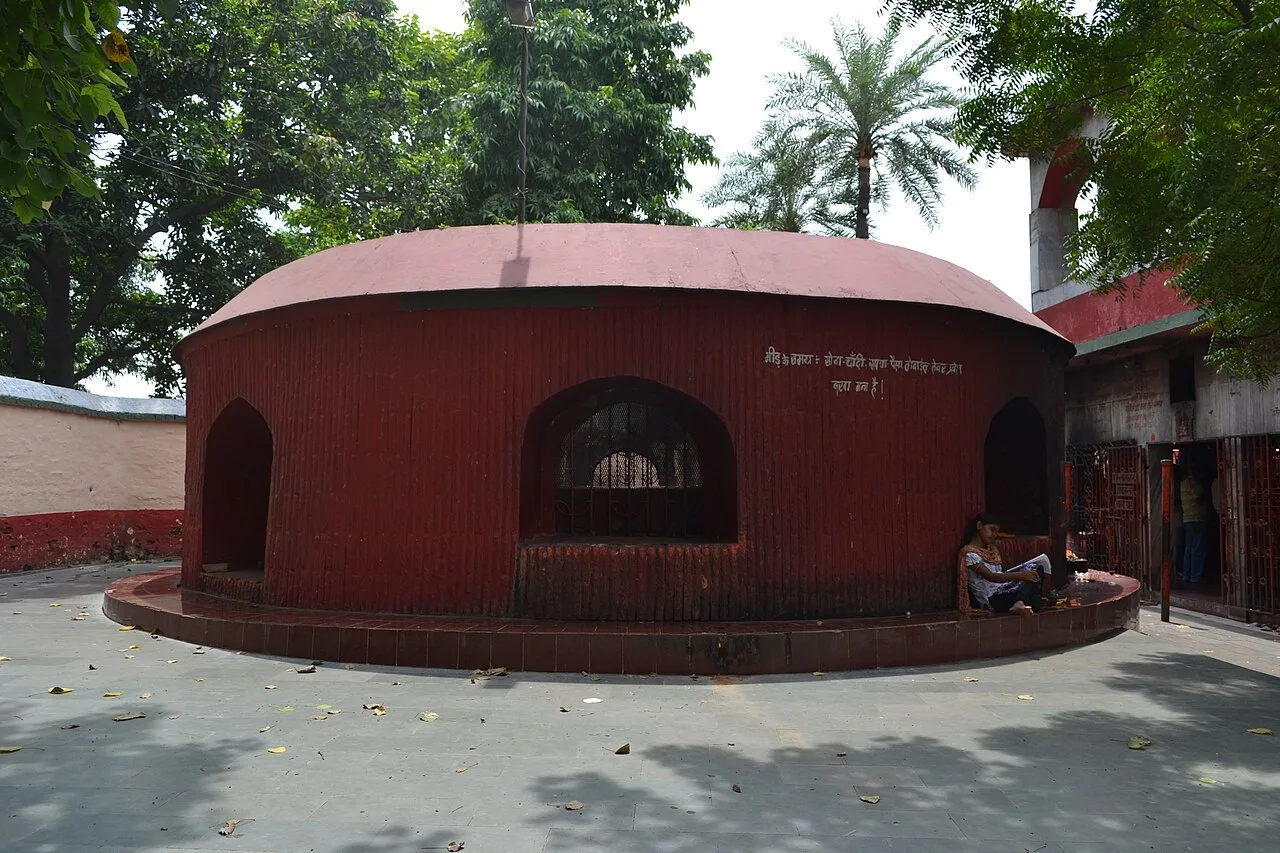
Agam Kuan
Agam Kuan is a historic circular well and archaeological site in Patna, Bihar, traditionally linked to Ashoka’s Mauryan era. Visitors also worship at the adjoining Shitala Devi temple, where the goddess and Saptamatrikas are venerated.
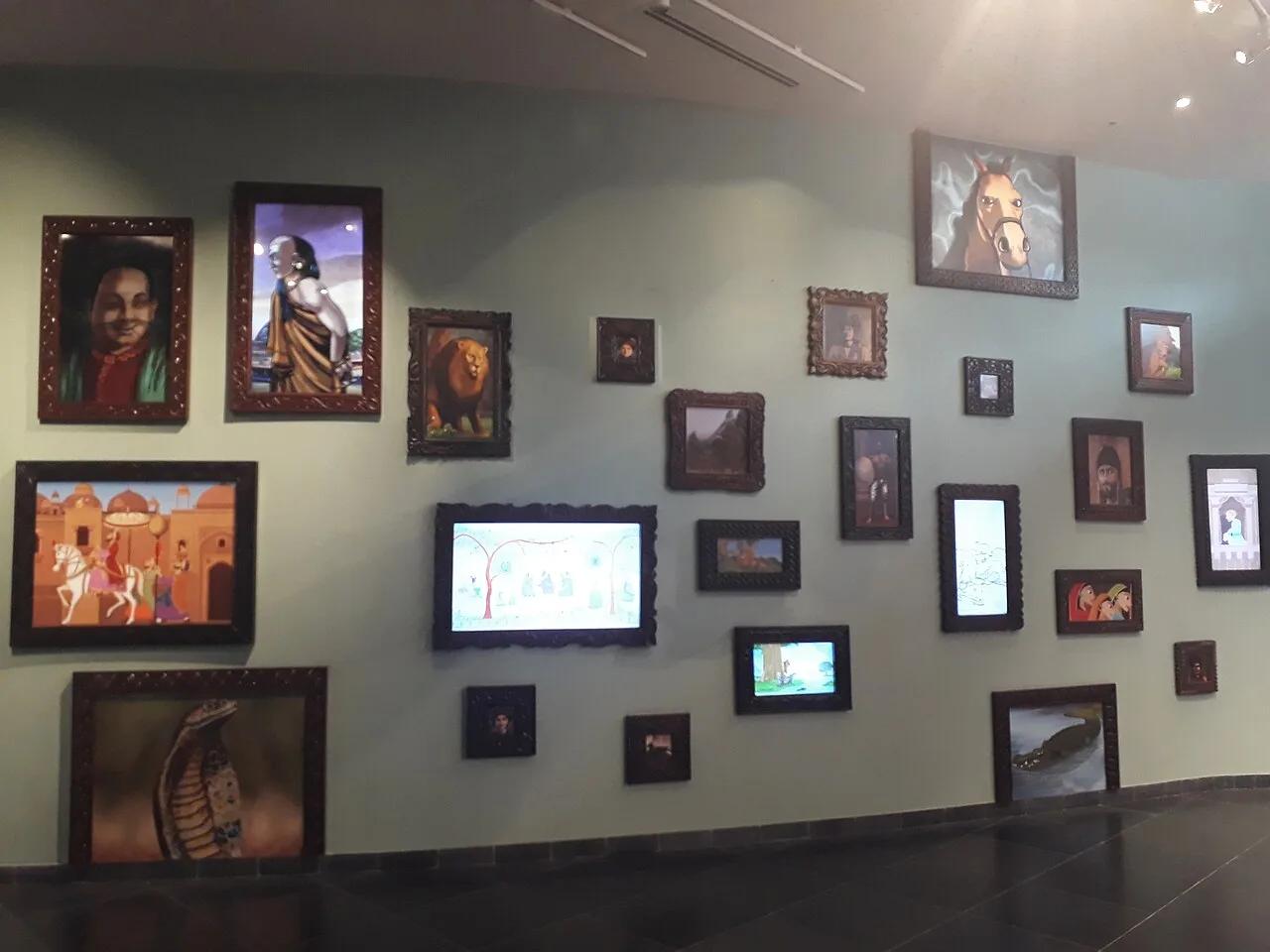
Bihar Museum
Bihar Museum is Patna’s state museum, with displays on Bihar’s history. Visitors can explore its galleries, children’s museum and distinctive arrangement of buildings and courtyards.
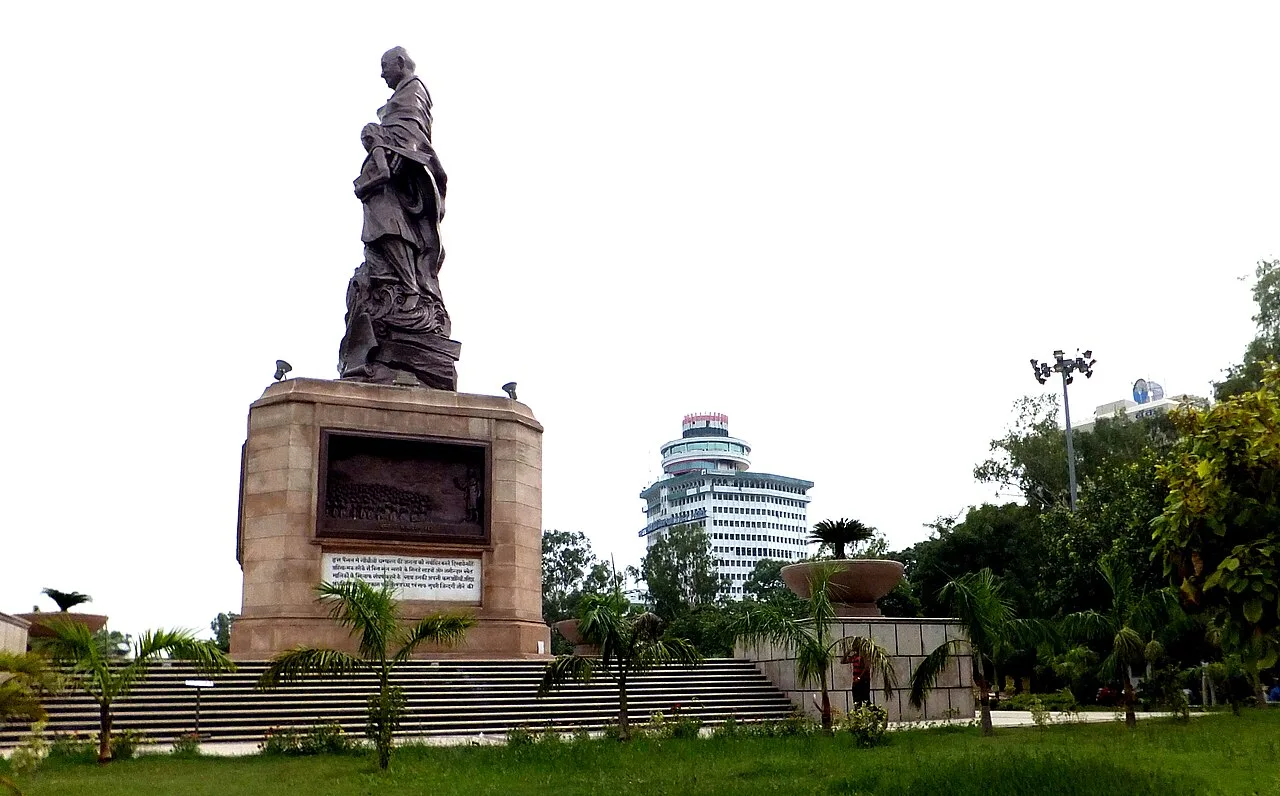
Gandhi Maidan
Gandhi Maidan is a historic open space in Patna, Bihar, near the Ganges. People visit a site linked to the freedom movement and significant political gatherings.
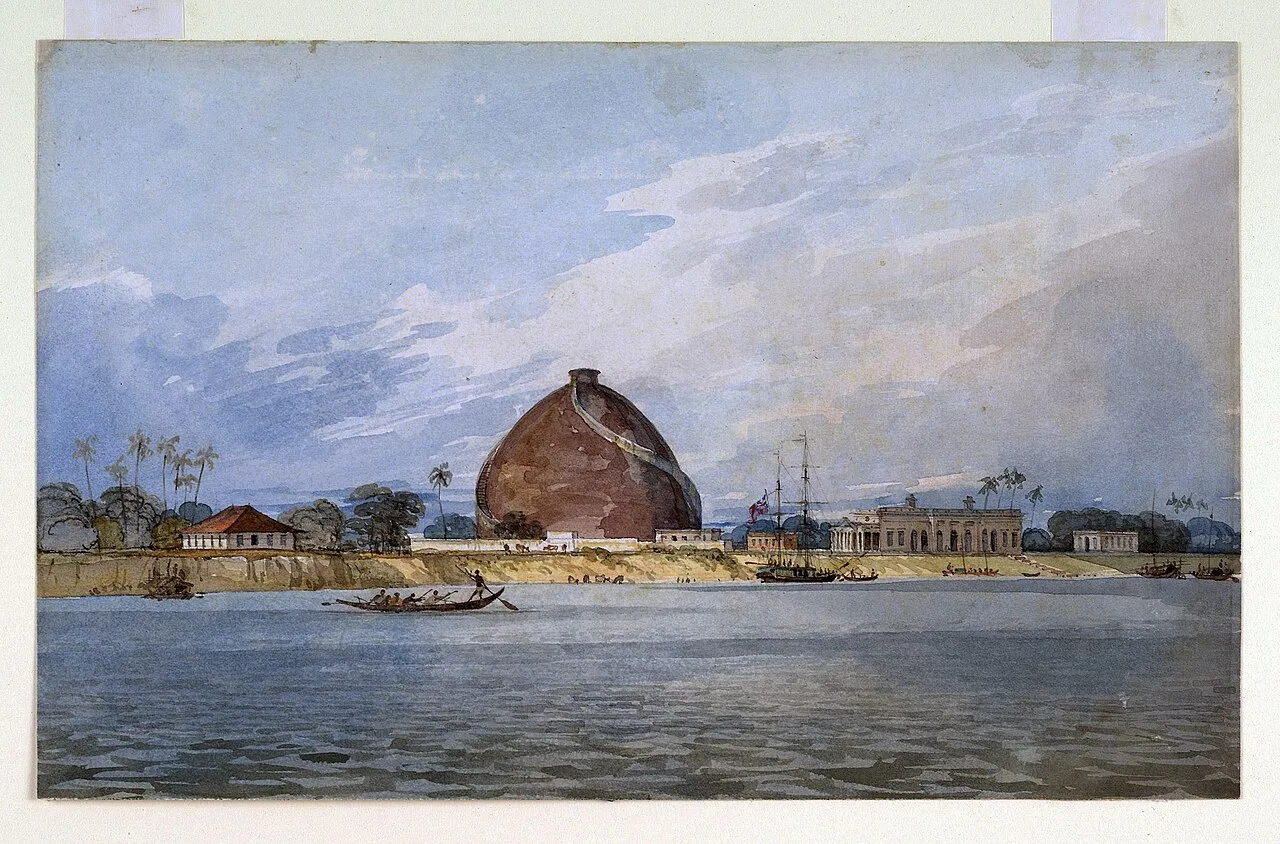
Golghar
Golghar, also called Gol Ghar, is a substantial grain store in Patna, Bihar. Visitors come to see the granary west of Gandhi Maidan.
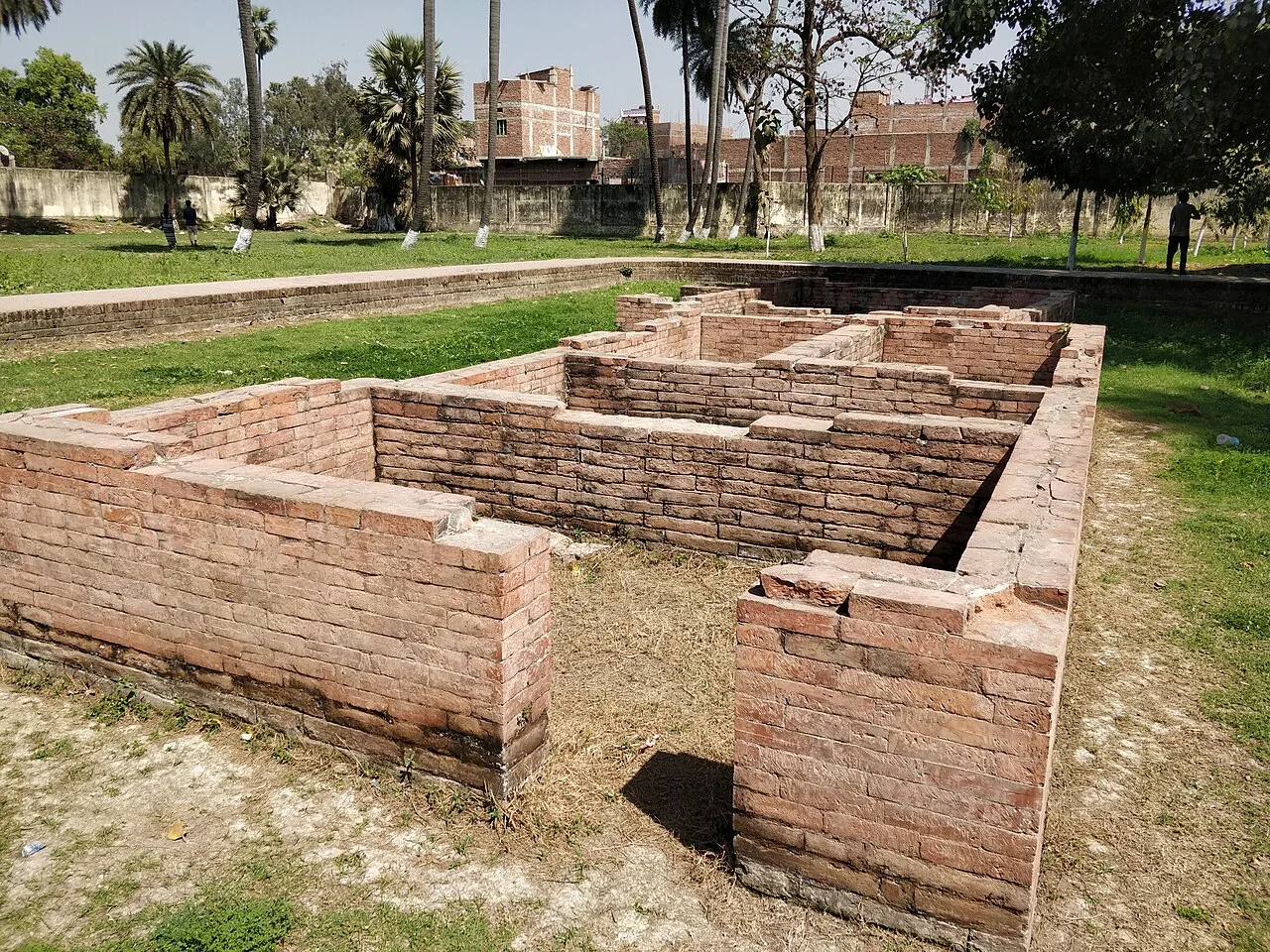
Kumhrar
Kumhrar is an archaeological site in Patna connected with the remains of Pataliputra. Visitors come to see excavated traces of the city, including the remains of an 80-pillared hall.
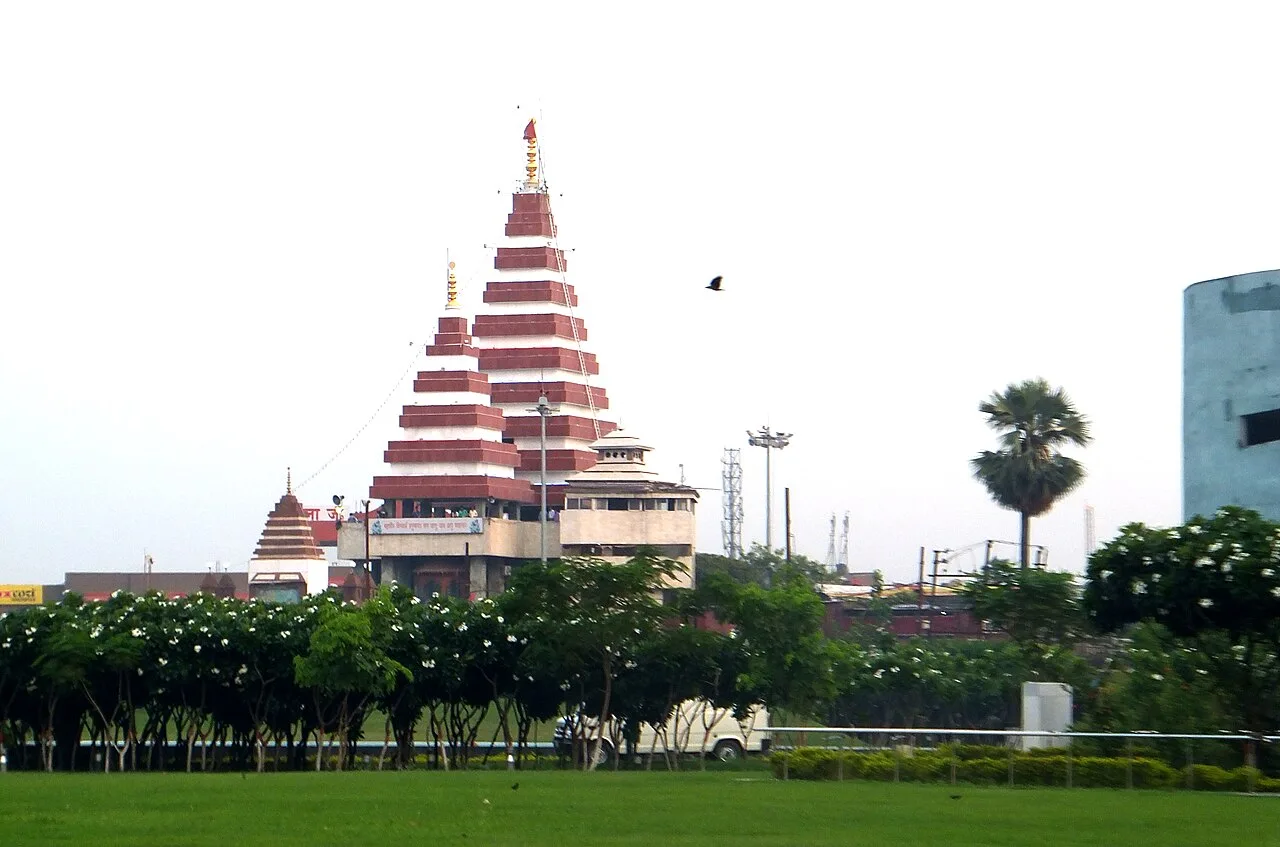
Mahavir Mandir
Mahavir Mandir is a Hanuman shrine in Patna, Bihar, visited by millions of pilgrims each year. Devotees also gather in large numbers for religious occasions, particularly Rama Navami.
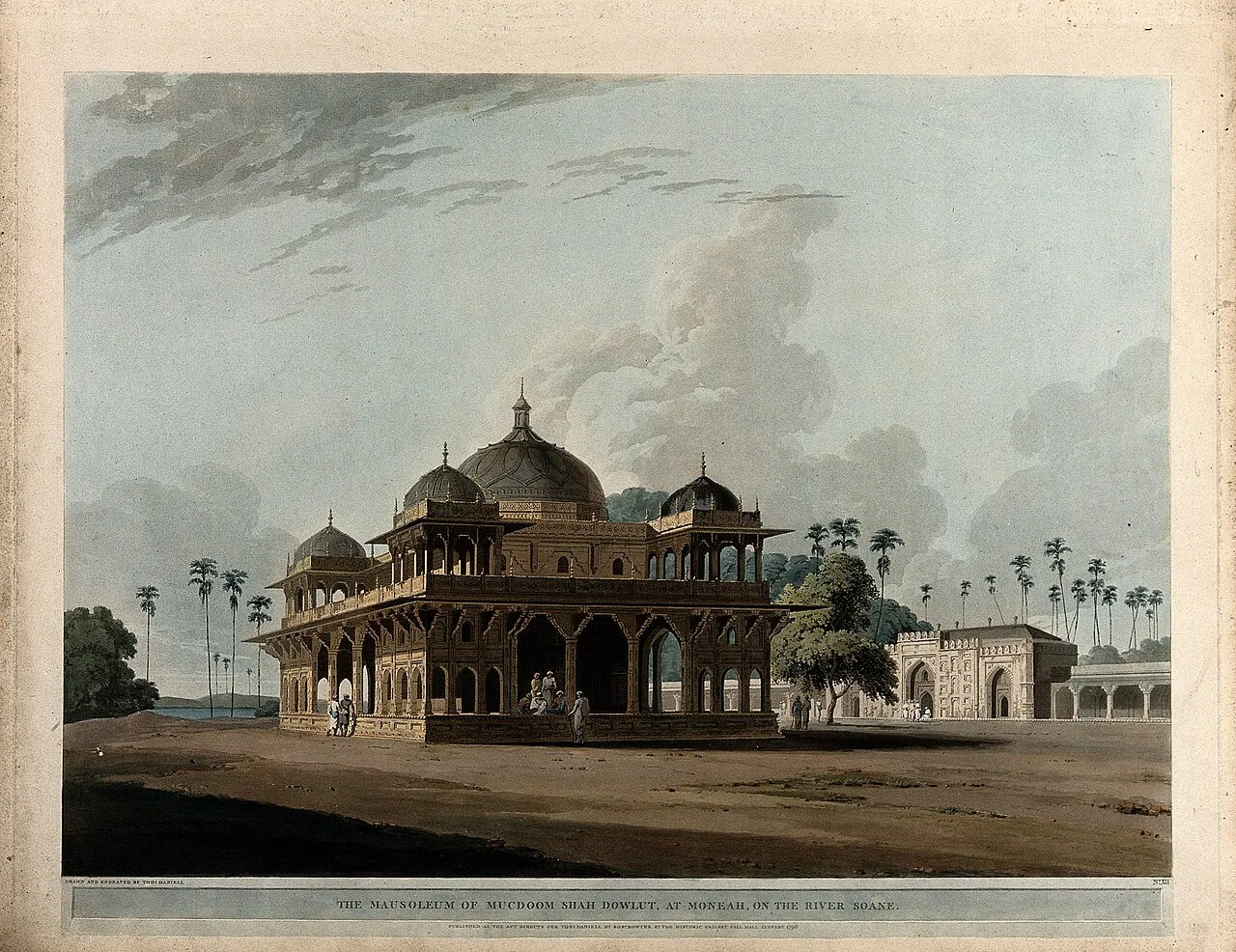
Maner
Maner, also called Maner Sharif, is a historic town and administrative block in Bihar’s Patna district. Visitors are drawn by its Mughal-era dargahs and its importance as a Sufi pilgrimage destination.
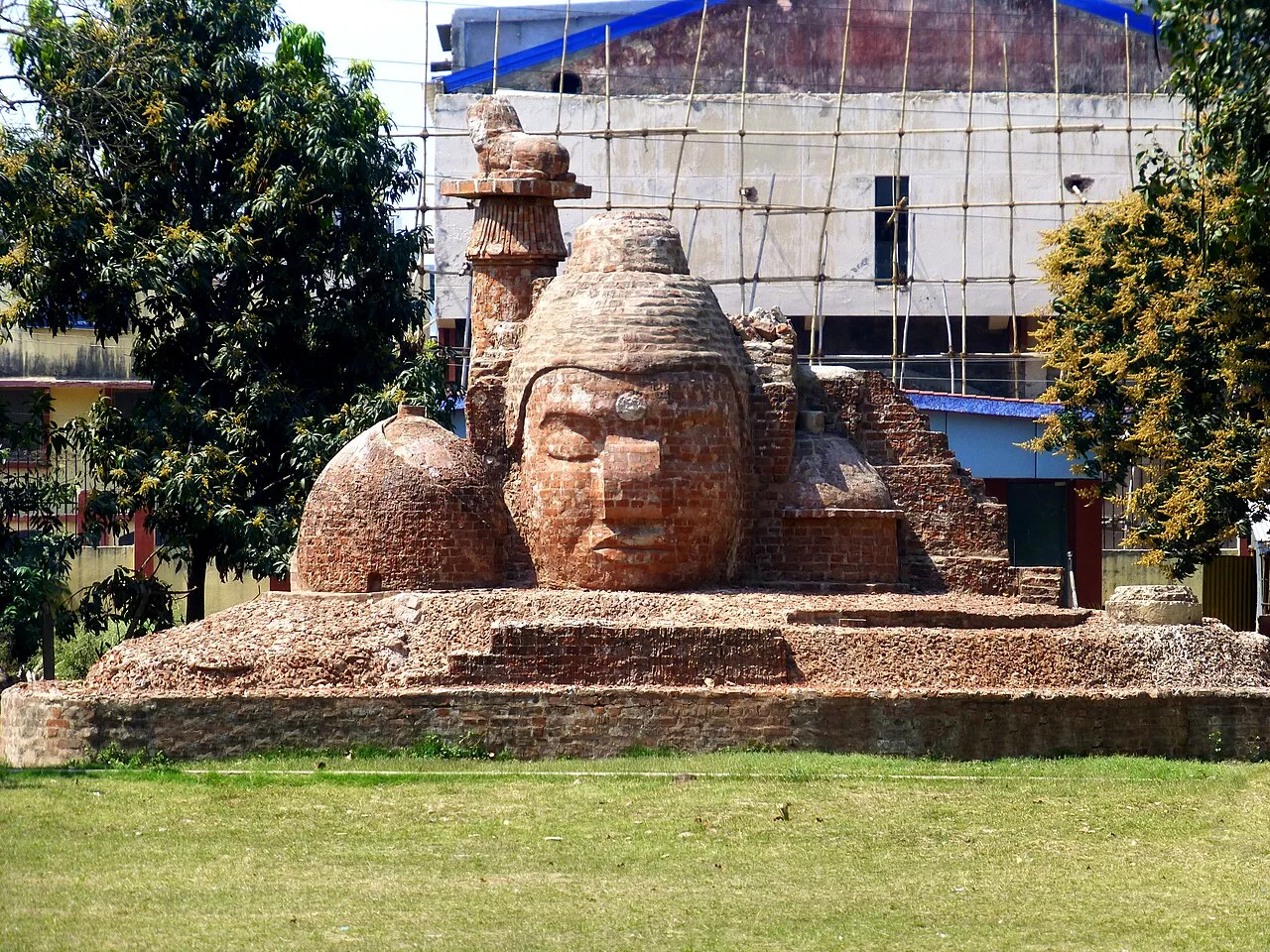
Patna Museum
Patna Museum is Bihar’s state museum in Patna district. Visitors come to see its historical collections and learn about the institute’s work in history and archaeology.
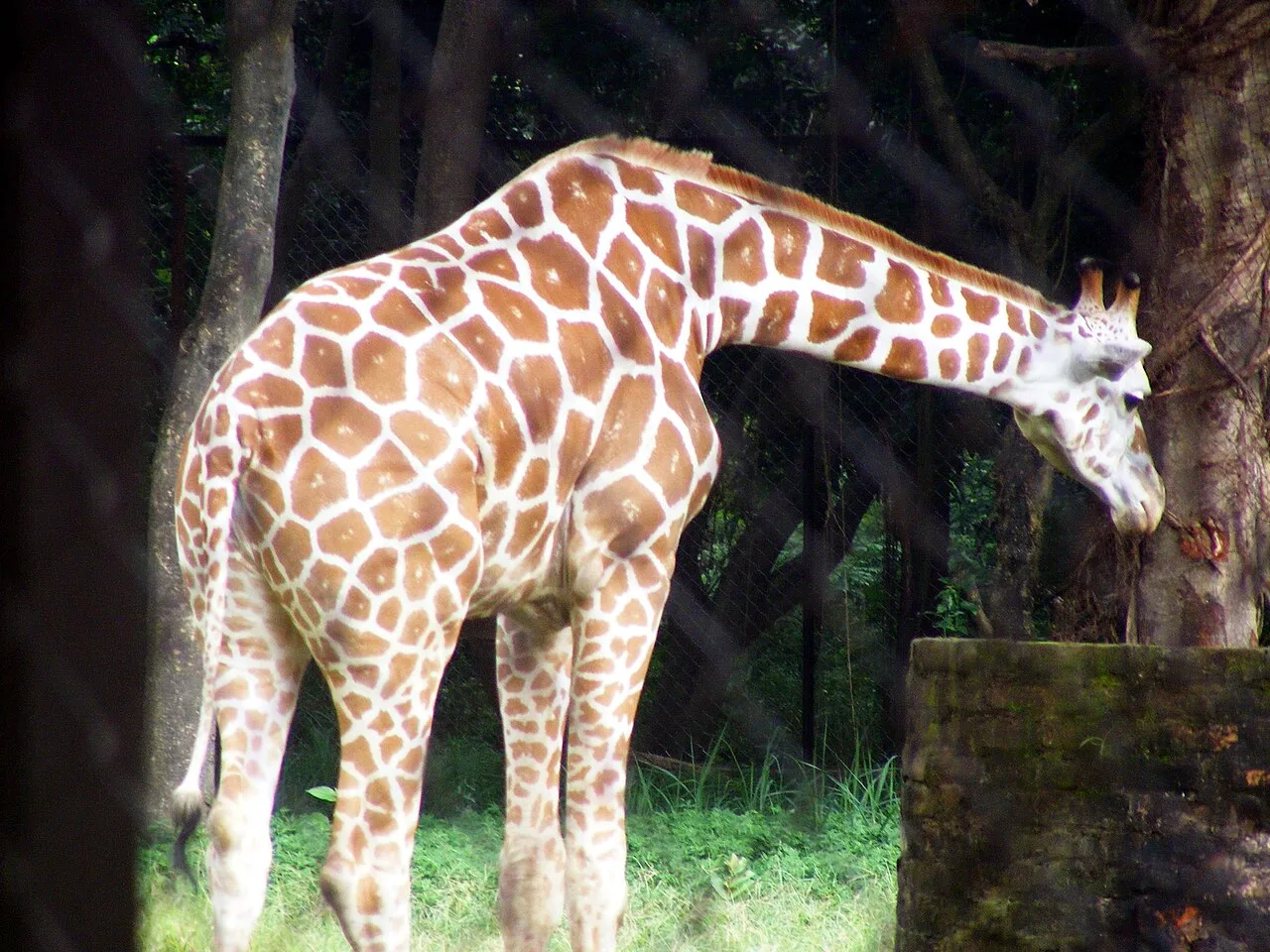
Patna Zoo
Patna Zoo is a zoological park in Bihar’s Patna district, near Bailey Road. People visit for picnics, with particularly large crowds on New Year’s Day.
Patna offers a broad introduction to Bihari cooking, from litti served with chokha to sattu-filled parathas and chana ghugni. Sattu, made from roasted gram, also appears in savoury drinks suited to hot weather. Thekua is closely associated with Chhath observances, while malpua is another familiar festive preparation. Sweets from elsewhere in Bihar may be available in city shops: khaja is associated with Silao, and tilkut and anarsa with Gaya. Makhana belongs especially to the wider Mithila region’s food traditions. Vegetarian choices are plentiful, alongside non-vegetarian dishes. At small eateries, ask what has been freshly prepared that day.
Patna has a documented artistic heritage in Patna Kalam, a painting tradition known for depictions of everyday occupations, markets and social life. It is best approached as a historical art tradition rather than assumed to be a widely practised contemporary souvenir craft. Other crafts encountered in Patna represent Bihar more broadly: Madhubani painting comes from Mithila, sujani embroidery is associated particularly with the Muzaffarpur region, and silk weaving with Bhagalpur. When shopping, ask where an item was made and whether it is handmade; availability in Patna does not establish local production.
Chhath, observed chiefly in October or November, is especially prominent in Patna, where worshippers gather at riverbanks and other water bodies; expect busy roads and crowded public spaces. Sikh festivals and Gurpurab, particularly celebrations associated with Takht Sri Patna Sahib, draw pilgrims at different times of year and can increase demand for rooms nearby. Holi, Diwali and Eid are also widely observed. Festival dates follow religious calendars and vary each year, so check locally before travelling. Reserve accommodation ahead if visiting during major observances, and allow extra time for traffic and processions.
In this district
Patna district lies on the flat, fertile alluvial plain of the middle Ganga basin. The Ganga forms its northern edge, while the Son and Punpun river systems also shape settlement and agriculture in the wider district. There are no prominent hills or extensive forest areas on the usual visitor routes. The open terrain makes road travel across the plain straightforward in principle, but river crossings, dense city traffic and seasonal flooding or waterlogging can affect journeys. Patna’s urban sights are spread across a busy built-up area; Maner lies in the more open countryside to the west.
Patna has hot summers, a monsoon season and relatively cool winters. The hottest period is generally from late spring into early summer, when sightseeing is more comfortable early or late in the day. Monsoon rains usually arrive from around June and continue into September, sometimes causing waterlogging or delays. Winter, broadly from November to February, is usually the most pleasant season for walking between sights and visiting archaeological sites. October to March is a good general window, while festival periods can be especially busy. Pack light, breathable clothing, sun protection and water in warmer months; carry an umbrella or light rainwear during the monsoon and a warm layer for winter evenings.
Jay Prakash Narayan Airport in Patna is the main air gateway. Important railway arrival points include Patna Junction, Rajendra Nagar Terminal and Patliputra Junction; choose according to your service and onward destination. Patna is connected by major roads and bus services to other towns in Bihar and neighbouring states. Within the city, buses, auto-rickshaws, e-rickshaws and taxis provide local transport, though congestion can make journey times unpredictable. Maner can be reached by road from Patna, with a hired vehicle useful for flexible sightseeing. Allow extra time for cross-city transfers and check current services locally.
Patna’s sights are spread across the city, so plan visits by area rather than expecting short trips between every stop. City buses, auto-rickshaws and e-rickshaws serve many routes; taxis or hired cars are useful for combining several sites or travelling to Maner. Road links connect Patna with Maner and other towns in the district, though congestion and road conditions can make journey times variable. Shared vehicles may be available on some routes, but services change and should be checked locally. Do not assume that a boat service is available for sightseeing on the Ganga. Allow extra time for cross-city transfers.
2 days: Day 1: Patna Museum → Bihar Museum → Gandhi Maidan → Golghar; sleep in Patna. Day 2: Mahavir Mandir → Takht Sri Patna Sahib → Agam Kuan → Kumhrar. 3 days: Day 1: Patna Museum → Bihar Museum → Gandhi Maidan → Golghar; sleep in Patna. Day 2: Mahavir Mandir → Takht Sri Patna Sahib → Agam Kuan → Kumhrar; sleep in Patna. Day 3: Patna Zoo → Maner.
Patna city is the most practical base for the museums, religious sites, Gandhi Maidan, Golghar, the zoo and Kumhrar. Choose accommodation with convenient road access to the sights you plan to visit, since cross-city traffic can add time. Hotels and guesthouses are the main options, with some budget stays and religious accommodation such as dharamshalas in the city; availability and visitor rules vary. For a day trip to Maner, staying in Patna is usually convenient, while travellers wanting a quieter visit can check locally for suitable lodging near Maner. Book ahead during major festivals.
Patna is a busy urban district: take care in traffic, use reputable local transport and keep valuables secure in crowded markets, stations and festival gatherings. Heat can be tiring, while monsoon rain may bring waterlogging, slippery surfaces or travel delays; check local conditions before setting out. Use sealed or reliably treated drinking water and take usual food and sun precautions. Roads outside the city can be uneven or congested, so allow extra time, especially for Maner. Mobile connectivity is generally available in urban areas but may be less consistent elsewhere. Follow site rules at religious places and the zoo. No special permit is generally needed for these listed sights; confirm any current entry or access requirements with official sources.
- Saranabout 11 km
- Vaishaliabout 45 km
- Nalandaabout 60 km
- Jehanabadabout 67 km
- Darbhangaabout 98 km
- Gayaabout 102 km
- Nawadaabout 112 km
- Sitamarhiabout 116 km
Straight-line distance between the centres of each district's destinations; road distance is longer.
Q: How many days should I spend in Patna district? A: Two days can cover the main city sights at a brisk pace. Three days allows more time for museums and religious sites, plus a visit to Maner. Q: When is the best time to visit? A: October to March is generally more comfortable for sightseeing. Festival periods are lively but can bring crowds and higher demand for rooms. Q: Where is the best base for sightseeing? A: Patna city is the most convenient base for most listed attractions and for a road trip to Maner. Q: How do I get to Patna? A: Jay Prakash Narayan Airport and Patna’s main railway stations are arrival options; road and bus services also connect the city with Bihar and neighbouring states. Check current services for your route. Q: Is Patna suitable for families or elderly travellers? A: Yes, with planning. Choose transport that reduces long walks, allow extra time for traffic, and check accessibility and facilities at individual sites before visiting.
This page draws on our 10 destination guides for Patna and is updated as our team checks it.
Be the first to share photos, stories, advice or a helpful contact for Patna.
Loading…