
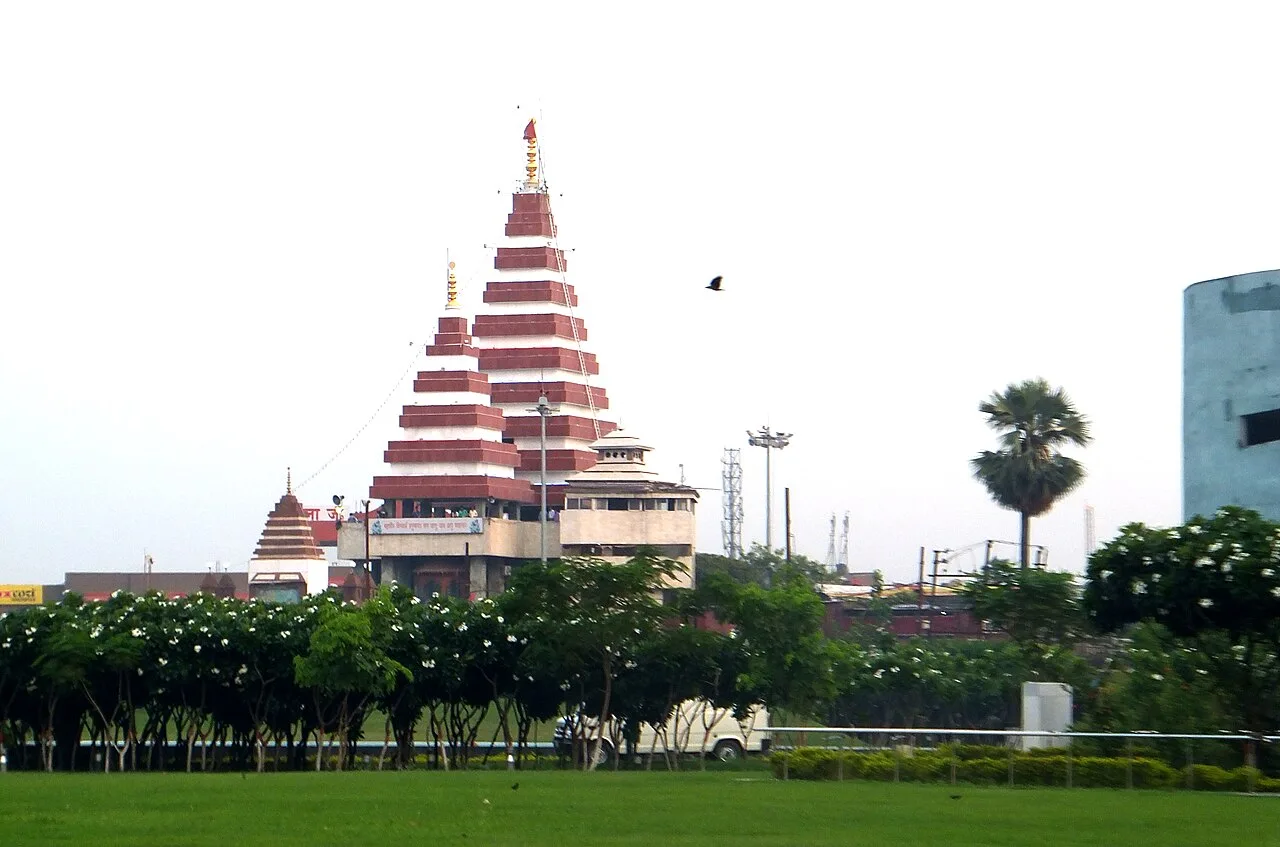
Mahavir Mandir
Mahavir Mandir is a Hanuman shrine in Patna, Bihar, visited by millions of pilgrims each year. Devotees also gather in large numbers for religious occasions, particularly Rama Navami.
Key facts · verified by Ghumoopedia editors
- Type of place
- Temple / pilgrimage site
- Best time to visit
- October to March
- Nearest railway station
- Patna Junction · about 5 km (straight line)
- Verified
- 21 Nov 2026
Plan a trip from Mahavir Mandir — a day-by-day route through places nearby.
Located in Patna district in Bihar, India, Mahavir Mandir is a place of Hindu worship associated with Hanuman. It is among the prominent shrines devoted to the deity and receives millions of pilgrims over the course of each year. Large gatherings are especially evident during observances such as Rama Navami, when devotees come to the temple. Acharya Kishore Kunal serves as secretary of the Mahavir Mandir Temple Trust. The shrine earns more than 100,000 per day. Only Vaishno Devi Temple is said to earn more, making the trust's budget the second largest in northern India. Bihar is the heart of ancient Magadha — the land of the Buddha's enlightenment, the Mahavihara of Nalanda, the Mauryan capital Pataliputra, Jain tirthankara Mahavira and the Maithili and Bhojpuri cultures. Bihar has very hot summers from April to June, a monsoon from June to September that can flood low-lying areas, and cool, pleasant winters from November to February with foggy mornings in December and January. The usual best time to visit is October to March. Timings, fees and access arrangements must be confirmed locally. For official information, see Bihar Tourism at https://tourism.bihar.gov.in.
Why it matters
Mahavir Mandir is a major Hindu place of worship in Patna, dedicated to Hanuman. Its position close to Patna Junction makes it an important pilgrimage stop for residents, travellers and devotees visiting Bihar’s capital. The temple receives large numbers of pilgrims through the year, with especially heavy attendance during Rama Navami. The Mahavir Mandir Temple Trust, whose secretary is Acharya Kishore Kunal, also supports charitable and social-service activities. The temple is significant in the religious life of the city and is among the best-known Hanuman temples in northern India. No UNESCO World Heritage or Archaeological Survey of India protected-site designation is established for the temple.
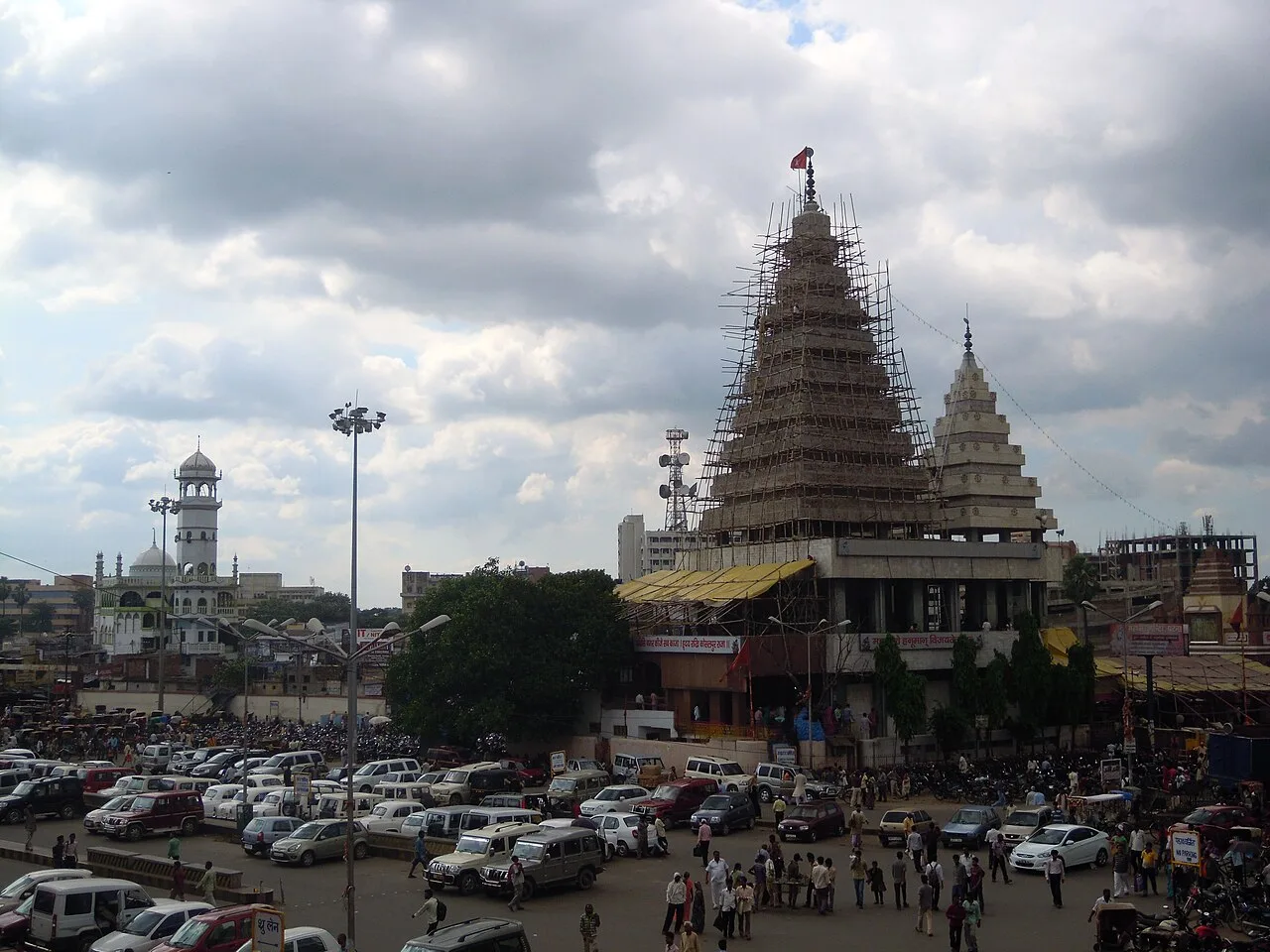
Accounts of the temple’s early history are not entirely consistent. It is commonly described as an old Hanuman shrine, but a securely documented foundation date and a definitive account of its original builders are not readily established. Some historical summaries place an early temple here in the eighteenth century; such dates are best treated as traditional rather than certain. The shrine grew in importance as Patna developed into a major administrative and transport centre. The temple underwent substantial change in the twentieth century. Published accounts commonly associate its expansion with the period after Partition, when Hindu refugees arriving in Patna helped strengthen the congregation and the shrine’s public role. The present temple is a modern reconstruction rather than an intact surviving structure from the earliest period; accounts date its rebuilding to the late twentieth century, often citing 1987. The Mahavir Mandir Temple Trust now manages the institution and associated charitable work. Visitors should distinguish the temple’s living religious history from the limited certainty around its earliest fabric: claims about precise founders, construction dates or successive restorations should be checked against the trust’s own records.
Origin stories & folklore
The temple’s devotional meaning is shaped by the wider traditions of Hanuman, the devoted companion of Rama in the Ramayana. In Hindu belief, Hanuman represents courage, service, loyalty and protection, and many worshippers come seeking strength or help in times of difficulty. Local accounts and individual devotees may describe the shrine’s Hanuman images as especially powerful or protective; these are matters of faith rather than claims that can be historically verified. Stories connected with Rama’s journey and Hanuman’s role in finding Sita are often recalled in prayer and conversation. The temple’s early founding stories vary, so visitors should treat specific origin tales as local tradition rather than established history.
Architecture & design
Mahavir Mandir is a functioning urban temple whose present form reflects modern reconstruction and continuing use, rather than a preserved ancient architectural complex. Its masonry and concrete structure rises within a compact site near Patna’s busy railway-station area. The exterior presents a recognisably Hindu temple profile, with raised shrine forms and roofline elements above the worship spaces. The interior is organised around sanctums and areas for prayer, darshan and the movement of pilgrims. The principal Hanuman shrine is the focus, while other devotional images and worship spaces serve visitors following different forms of Hindu practice. The building accommodates substantial festival crowds, though circulation can become congested. Architectural details and access to particular areas may change during religious observances or maintenance; follow directions from temple staff rather than entering spaces that appear restricted.
Important objects & sculptures
The central objects of devotion are the images of Hanuman in the principal shrine. Worshippers may also encounter other Hindu images or shrines within the temple complex, though their visibility and access can depend on the day, ritual activity and crowd management. Take time to observe the arrangement of offerings and the lamps used in worship, without approaching the sanctum or touching objects unless invited to do so. The temple is primarily an active place of worship, not a museum collection, and visitors should not expect interpretive labels or unrestricted viewing. Ask a caretaker if you are unsure which images or areas are open to visitors.
Religious significance
Mahavir Mandir is dedicated to Hanuman, whom devotees revere as a protector and as an exemplary servant of Rama. Worship commonly includes darshan, offerings, devotional recitation and daily prayers led by priests. Hanuman Chalisa recitation is part of the broader devotional tradition associated with Hanuman temples, though the form of worship at the shrine may vary by occasion. Visitors may see people bringing flowers, sweets or other offerings; follow temple guidance about what can be carried into the worship areas. For many pilgrims, a visit is an act of prayer for courage, well-being or relief from hardship. Non-Hindu visitors are generally expected to behave quietly and respectfully, and should follow staff instructions about access to sanctums and ritual spaces.
Visit Mahavir Mandir with time to observe daily prayers and rituals respectfully. Follow the posted rules on footwear, photography, head covering and dress, and avoid interrupting worshippers. Ask caretakers which areas are open to visitors, and beware of unofficial 'guides' asking for donations. A comfortable itinerary is one main visit in the morning, a local meal at midday and a short nearby stop before an afternoon return. Use the district list on this site to find other places in Patna, but check the route and its condition before combining stops. If a festival or fair is on — such as Chhath or the Sonepur fair — roads and stays can be busy, and the experience can be unforgettable. Leave no litter: many sites are protected by the communities around them.
Suggested itineraries
Half day: Allow about 1–2 hours for the temple visit and prayer; take a meal nearby; add a short stop at Buddha Smriti Park if time and energy allow. Full day: Spend 1–2 hours at Mahavir Mandir; visit Patna Museum or Bihar Museum; take a meal break; continue to Golghar and Gandhi Maidan, checking local opening arrangements and travel conditions. Gentler option: Visit the temple outside a major festival, arrange a nearby drop-off, keep the visit brief, and choose one accessible city stop with seating rather than combining several sites.
The temple is part of the everyday religious life of Patna as well as a destination for pilgrims from elsewhere in Bihar and northern India. Hindi is widely used, and visitors may also hear Bhojpuri, Magahi and other regional languages. Devotional singing, prayer and the sounds of bells may accompany worship, especially on busy religious days. Many visitors arrive with family members and participate in customary offerings or prayers. Dress is generally modest, and removing footwear before entering designated worship areas is customary. The temple’s immediate surroundings are part of a busy city, where religious visits share space with commuters, shops and everyday street activity.
Festivals & events
Rama Navami, usually observed in spring, draws particularly large crowds to Mahavir Mandir. Hanuman Jayanti is also associated with worship of Hanuman, while Tuesdays and Saturdays may be especially busy for devotees. During major observances, queues, security measures and access arrangements can change, and the surrounding roads may become congested. Chhath is a major festival across Bihar, though it is principally observed at rivers and other water bodies rather than as a temple festival here. The Sonepur fair is held elsewhere in the region and may affect travel plans when visiting Bihar, but it is not held at Mahavir Mandir. Check local notices before travelling during festival periods.
Local food in Bihar includes litti chokha, sattu paratha, khaja (a layered sweet from Silao), tilkut and anarsa from Gaya, makhana (fox nuts) from the Mithila region, chana ghugni, malpua and thekua. Ask what is fresh that day; many small eateries cook a limited daily menu. Vegetarian travellers eat very well across this region, and most towns also have non-vegetarian options. Remote sites may have no restaurant at all. Carry water and snacks, eat a proper breakfast before long drives, and ask your accommodation for a packed lunch if you are heading out early. If prasad or langar is offered, accept it according to local custom. Choose busy, clean places, drink sealed or filtered water, and carry your packaging back with you.
Shopping & local experiences
The streets around the temple have shops serving pilgrims and commuters, where visitors may find devotional pictures, small religious items, flowers and offerings. Patna’s wider markets offer everyday goods and regional food, while handicrafts and textiles can be sought in city markets; availability varies. Ask before photographing or handling items, and use established shops for purchases. The temple is associated with offerings and prasad, but availability and distribution arrangements may change with crowd conditions. Try local Bihari dishes at a clean, busy eatery nearby, and avoid leaving packaging or food waste at the temple.
October to March
The nearest principal railway station by straight-line distance is Patna Junction, roughly 5 km away. The nearest operating airport by straight-line distance is Jay Prakash Narayan Airport, Patna, roughly 5 km away. These figures are calculated from map coordinates — actual road distance is longer. Patna Junction, Rajendra Nagar Terminal and Gaya Junction are the main rail gateways, and Patna and Gaya have airports; Varanasi airport serves the west of the state. For the final leg, Bihar State Road Transport Corporation (BSRTC) buses, private coaches and shared jeeps and autos link district towns; shared jeeps usually leave early in the morning. A private taxi gives more flexibility for remote sites. When comparing train, bus and flight, count the complete door-to-door time: a flight saves the most time only if the onward road transfer is short, while an overnight train can save a hotel night. Book your return before you leave, because seats fill quickly on weekends, festivals and holidays. Current train numbers, timings, return services and fares are not listed here; check IRCTC and NTES for trains and the airline's own schedule for flights. No permit is needed to visit Bihar. Buddhist circuit sites such as Bodh Gaya, Rajgir, Nalanda and Vaishali welcome visitors of all backgrounds; dress modestly at temples, monasteries and dargahs. The Sonepur fair, Chhath Puja and the Rajgir Mahotsav draw very large crowds, so book transport and stays well ahead.
Confirm onward and return timings on IRCTC / NTES, the state bus operator or your airline before travel. A dash means current timings or fares have not been verified.
Getting around
The temple is near Patna Junction, so visitors arriving by rail can use an auto-rickshaw, taxi or app-based cab for the final city journey; walking may suit some travellers, but traffic and crowded streets can make it less comfortable. Local buses and shared autos operate around Patna, though routes and stopping points should be checked locally. If arriving by air, a taxi or pre-arranged vehicle is a practical option. Parking and drop-off space near the temple can be limited or affected by crowds. For nearby city sights, taxis and autos are generally more flexible than trying to cover everything on foot.
Hours, tickets & permissions
Entry procedures can vary with worship, crowd management, security arrangements and special observances. A general visit may not require a ticket, but do not assume that every area is open or that rules remain unchanged. Footwear, bags, offerings, photography and access to inner worship spaces may be subject to restrictions. Confirm current opening arrangements, any fees and visitor requirements directly with the Mahavir Mandir Temple Trust or on-site staff before setting out. Festival days may involve additional queues or controlled entry.
Facilities
Facilities and their availability can change with crowd levels. The temple usually has staff or caretakers who can direct visitors and explain basic entry procedures. Toilets, drinking water, shoe storage or nearby food may be available in or around the site, but standards and access should be checked locally. The surrounding commercial area offers places to eat and small shops. ATMs and other services can generally be found in the wider central Patna area. Parking may be limited, particularly during festivals. The temple is an active place of worship, so visitor services should not be assumed to operate like those at a museum or managed tourist attraction.
Accessibility
The temple is in a dense urban setting, where traffic, uneven pavements and busy approaches may make reaching the entrance difficult for some visitors. Inside, expect areas where footwear must be removed and possible steps, thresholds or crowded circulation; the precise route can depend on current arrangements. Do not assume that ramps, lifts or wheelchair-accessible toilets are available. Wheelchair users, people with limited mobility and families with strollers should contact the temple or ask staff about the current entrance and accessible areas before visiting. Older visitors may find a quieter day easier than a festival period. Shade and places to rest may be limited in queues.
No permit is needed to visit Bihar. Buddhist circuit sites such as Bodh Gaya, Rajgir, Nalanda and Vaishali welcome visitors of all backgrounds; dress modestly at temples, monasteries and dargahs. The Sonepur fair, Chhath Puja and the Rajgir Mahotsav draw very large crowds, so book transport and stays well ahead. Carry a photo ID at all times and save the emergency number 112 and your accommodation's contact offline. Heat in summer and fog in winter are the main weather risks; carry water and allow extra travel time on foggy December–January mornings. Respect community rules, private property and posted instructions. Follow local guidance if access changes.
Visitor rules
Dress modestly and remove footwear where signs or staff direct. Keep voices low, avoid blocking worshippers and queues, and do not touch idols, offerings or ritual objects without permission. Follow instructions about bags, security checks, head covering and entry to inner areas; access may be restricted during worship. Dispose of rubbish properly and avoid bringing unnecessary plastic. Do not give money to people claiming to be official guides or collectors unless their role is confirmed by temple staff. Children should remain with an adult in crowded areas. Rules can change during festivals, so check notices on arrival.
Photography
Photography rules may differ between the exterior, public areas and active worship spaces. Check posted notices and ask temple staff before taking pictures; photography may be prohibited or restricted near the sanctum and during rituals. Never photograph worshippers at close range without their consent, and do not use flash if it could disturb prayer. Early or later daylight can be more comfortable for exterior views, but the best time depends on the crowd and current access arrangements. Drones should not be flown over the temple or nearby crowds without all required permissions; do not assume recreational drone use is allowed.
Choose a stay by the full journey to Mahavir Mandir, not just the district name. Patna, Gaya and Bodh Gaya offer the widest choice, from pilgrim dharamshalas to international hotels; monastery guesthouses in Bodh Gaya are good value. In summer, check air-conditioning or coolers; in December and January, check hot water. Book in advance for weekends, festivals and the peak season (October to March). Confirm the exact location, meals included, check-in time and cancellation terms in writing. Avoid sending money to unverified contacts or touts at stations. Carry some cash, as card and digital payments can be unreliable in remote areas.
Within Patna, visitors can consider Buddha Smriti Park, Patna Museum, Bihar Museum, Golghar and Gandhi Maidan, checking current opening arrangements and travel time before combining stops. Takht Sri Harmandir Sahib, also known as Patna Sahib, is an important Sikh pilgrimage site elsewhere in the city; observe its separate visitor customs. Sanjay Gandhi Jaivik Udyan is another family-oriented city attraction. These places are not all within comfortable walking distance of Mahavir Mandir, and Patna traffic can make a multi-stop day slower than expected. Choose a small number of stops and confirm routes locally.
For couples, Mahavir Mandir rewards a slow pace: arrive early for soft light and fewer crowds, share a local meal and keep the evening free. Sunset on the Ganga at a Patna ghat or an evening under the Bodhi tree's descendant at Bodh Gaya is quietly memorable. Public displays of affection can be frowned upon in conservative communities and at religious sites, so be discreet. Keep a buffer in your itinerary, because weather and road conditions can delay plans.
Q: How much time should I allow for a visit? A: Allow around one to two hours for darshan and a respectful visit; queues can make it longer, especially during festivals. Q: When is a comfortable season to visit? A: October to March is generally more pleasant for travel in Bihar. Festival days are meaningful but can be very crowded. Q: Is entry ticketed? A: Entry arrangements can change. Confirm any current ticket, fee or access requirements with the temple trust or staff. Q: Can children and older visitors visit? A: Yes, but crowds, queues and possible steps may be tiring. Consider a quieter day and keep children close to an adult. Q: Where can I stay nearby? A: Patna has accommodation options in the central city and around major transport hubs. Choose based on your travel needs and confirm location and facilities before booking.
Be the first to share photos, stories, advice or a helpful contact for Mahavir Mandir.
Loading…