Ghumoopedia — Explore, Discover, Experience
Sign in
Agam Kuan, Bihar

State · East India

Bihar

The land where the Buddha attained enlightenment and where Nalanda once taught the world.

Capital
Patna
Districts
20
Destinations
47
Plan a trip in Bihar

Overview

Understanding Bihar

Culture

Madhubani painting and Bhojpuri folk song.

Food

  • Litti chokha
  • Khaja

Festivals

  • Chhath Puja
  • Sonepur Mela

Experiences here

  • Spiritual
  • Heritage
  • Festivals

Verified by the Ghumoopedia editorial team on 21 Nov 2026. Written and reviewed by Ghumoopedia's editors. Timings, fees and permits can change, so check them with the managing authority shortly before you travel.

The complete guide

Bihar: a traveller's guide

Why visit

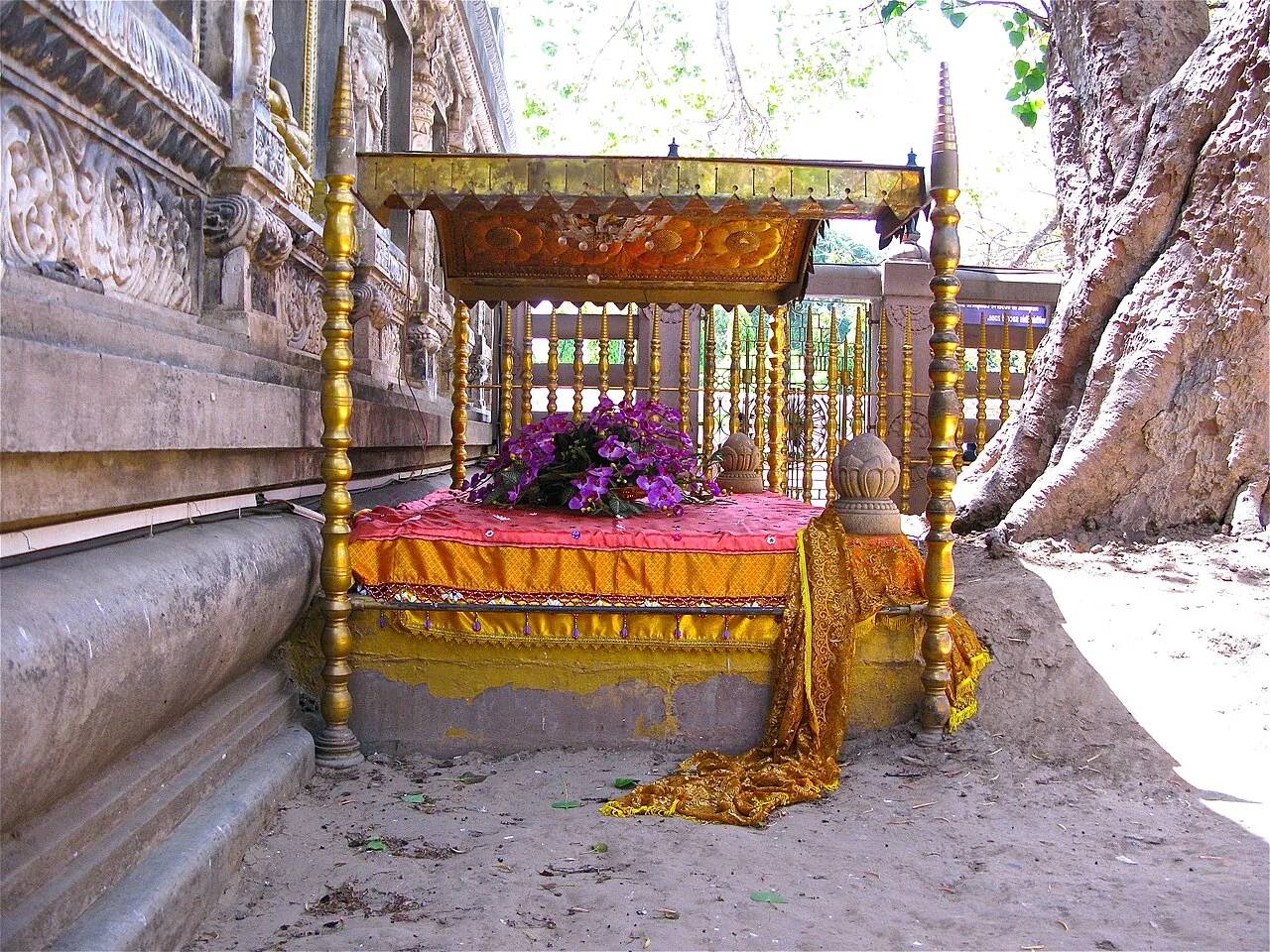
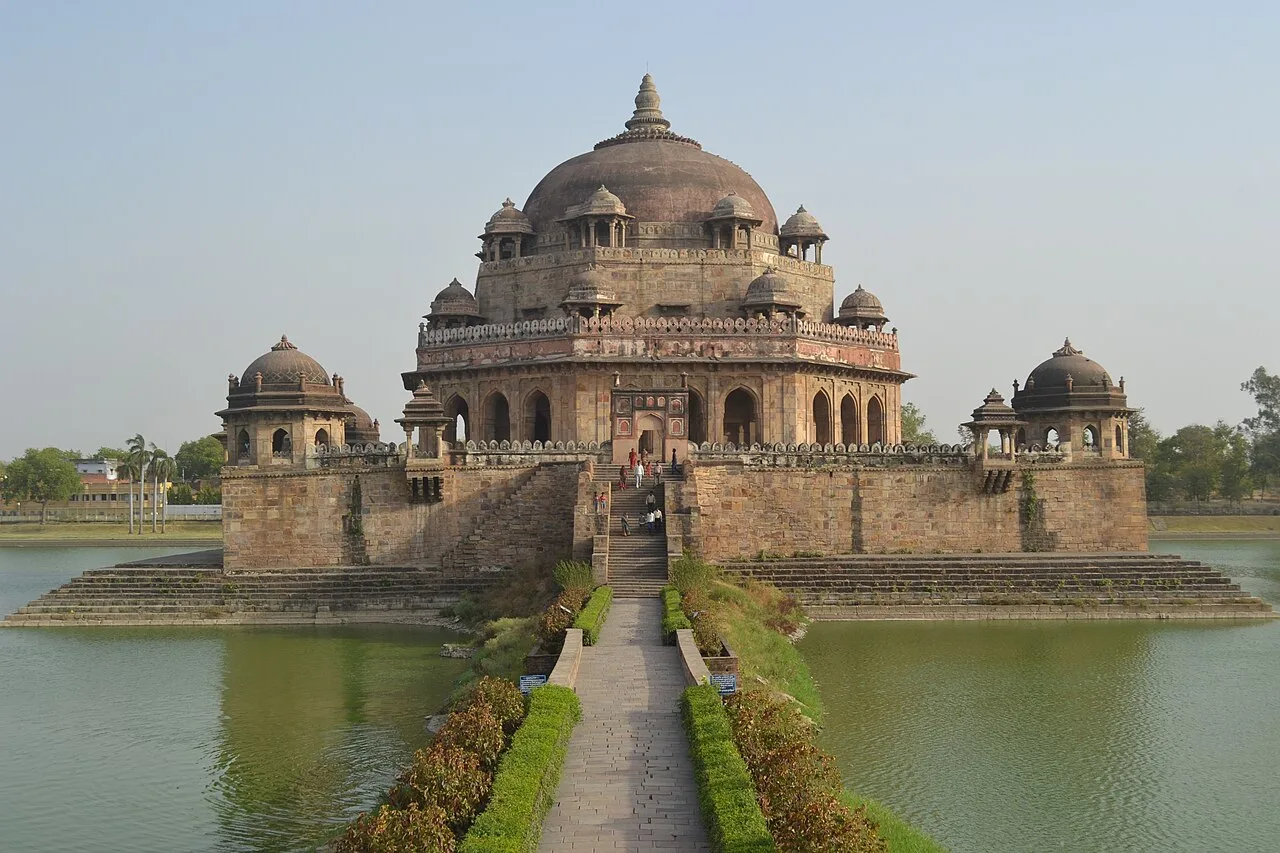
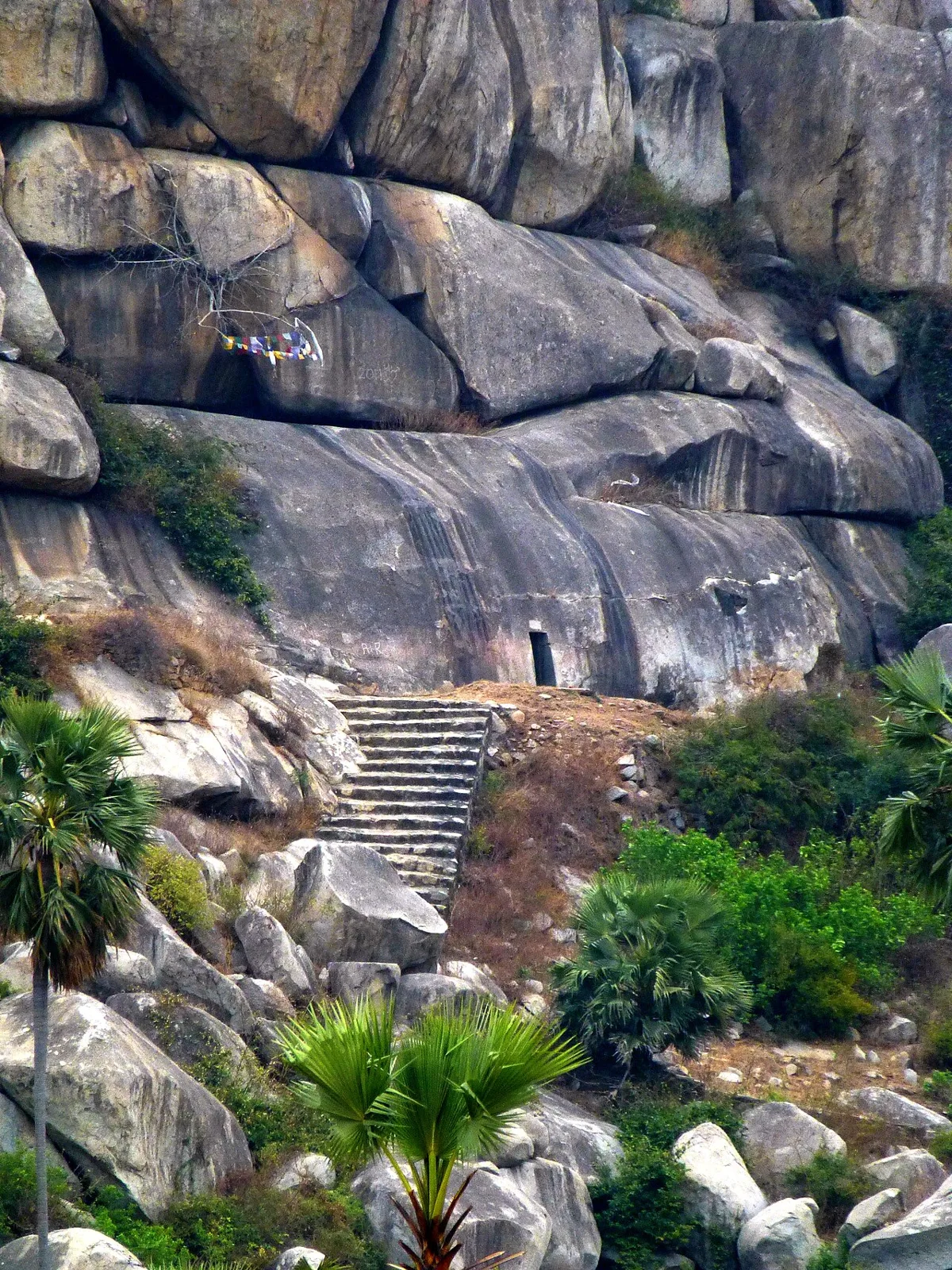
Bihar rewards travellers interested in the ideas, faiths and empires that shaped South Asian history. At Bodh Gaya, the Buddha is said to have attained enlightenment beneath the Bodhi tree, and the Mahabodhi Temple remains a major Buddhist pilgrimage destination. The ruins of Nalanda and Vikramshila recall celebrated centres of learning, while Vaishali, Rajgir and Pawapuri connect visitors with Buddhist and Jain traditions. Patna, the capital, brings together museums, riverfront landmarks and a long history as Pataliputra. Elsewhere, Rohtas Fort, the tomb of Sher Shah Suri at Sasaram and the ancient Barabar Caves offer different ways to explore the past.

The state also suits travellers drawn to living culture and varied landscapes: Mithila’s painted traditions, Bhojpuri folk music, the Ganga plain, Kaimur’s rocky uplands and the forests of Valmiki National Park. Food-focused trips can follow litti chokha, local sweets and seasonal produce, while festival journeys may coincide with Chhath Puja or the Sonepur Mela. Bihar works well for heritage circuits, pilgrimage, wildlife and slower journeys through towns and villages. Distances can be substantial, so a focused regional itinerary is often more rewarding than trying to cover the whole state at once.
Landscape & climate

Bihar is a landlocked state whose broad, fertile plains are crossed by the Ganga from west to east. North of the river, the landscape is shaped by Himalayan-fed rivers including the Gandak, Burhi Gandak, Kosi and Mahananda; their floodplains support intensive farming but can change markedly during the monsoon. South of the Ganga, the Son and Punpun drain parts of the middle plain, while the land gradually rises towards the rocky uplands of the south. The Kaimur plateau and hills around Rohtas form a more rugged setting, and the Rajgir hills and Barabar range rise above surrounding plains. Near the Nepal border, the Terai foothills meet the forests of Valmiki National Park, Bihar’s principal tiger reserve.

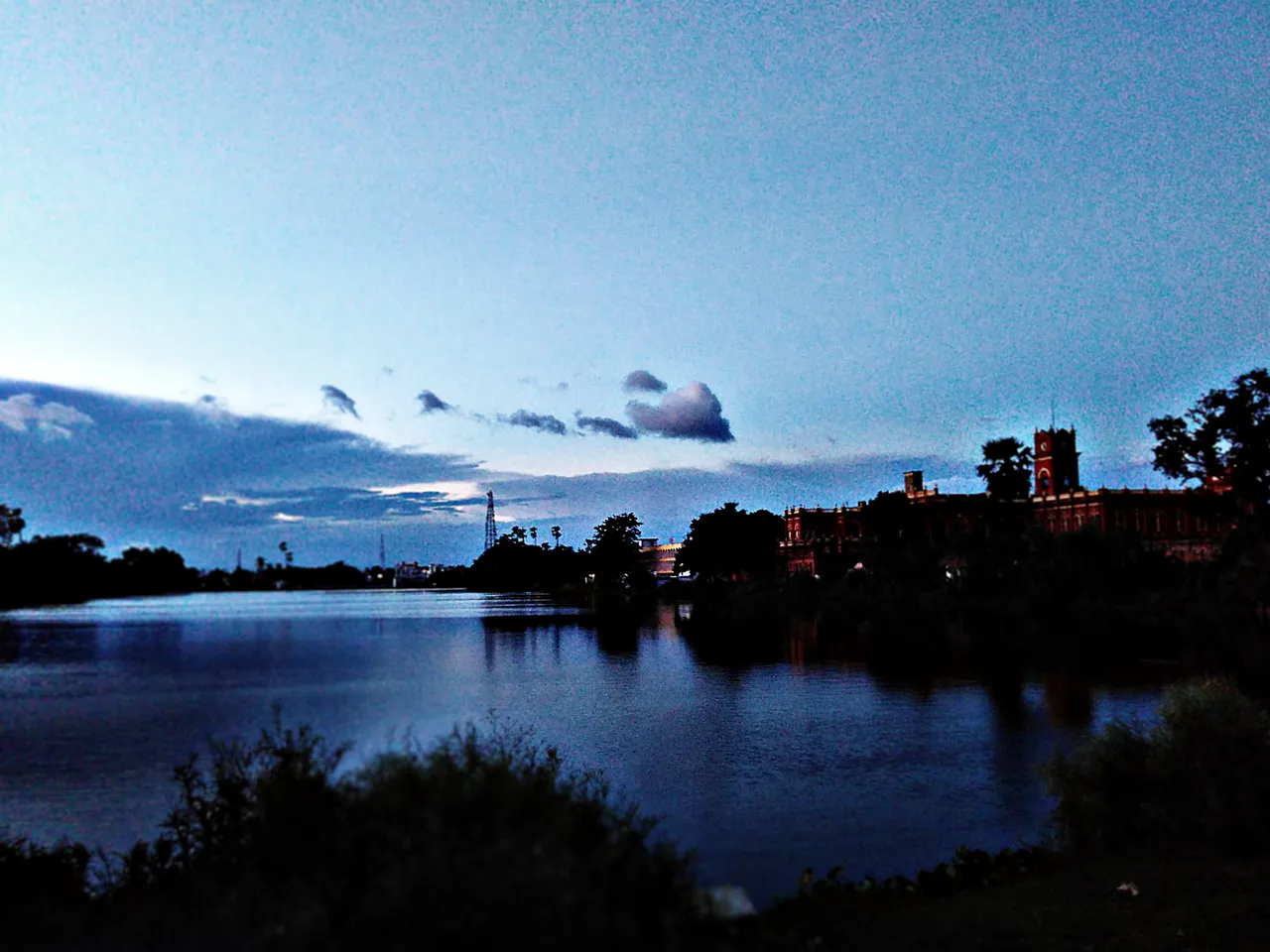
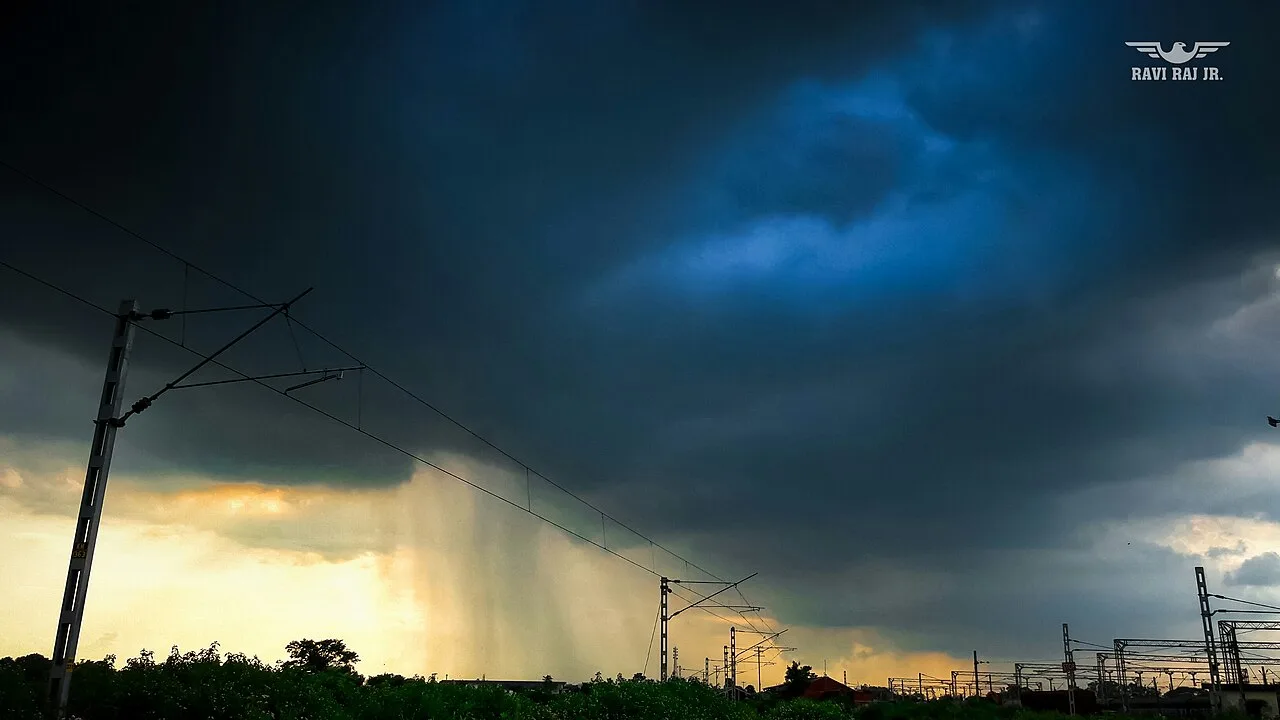
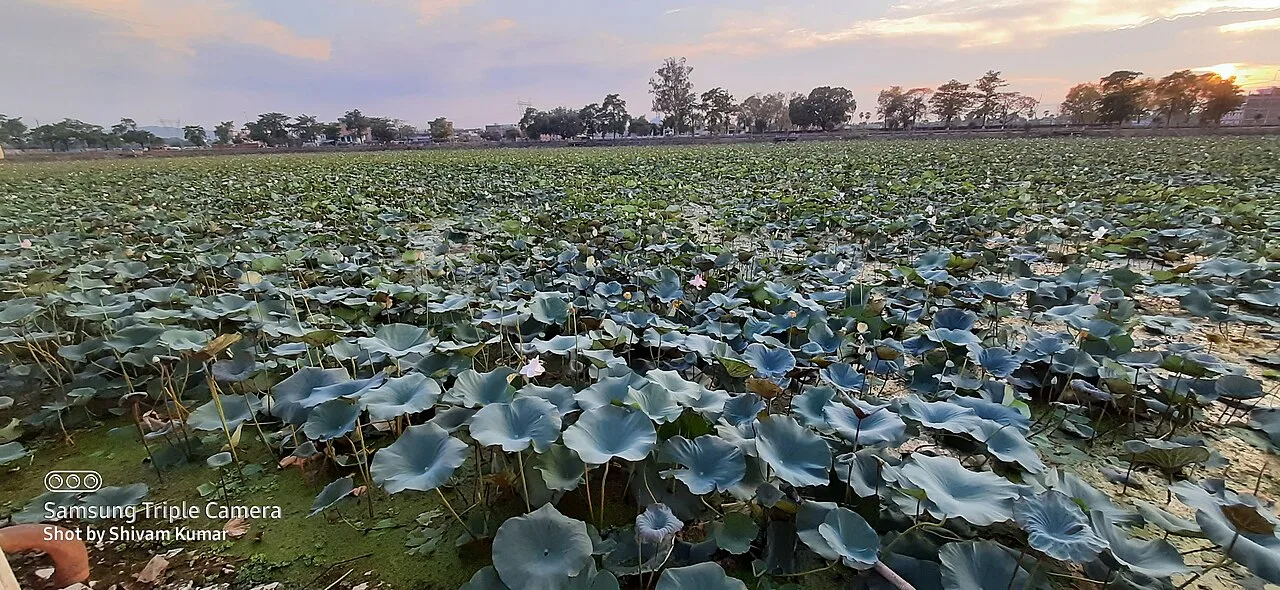
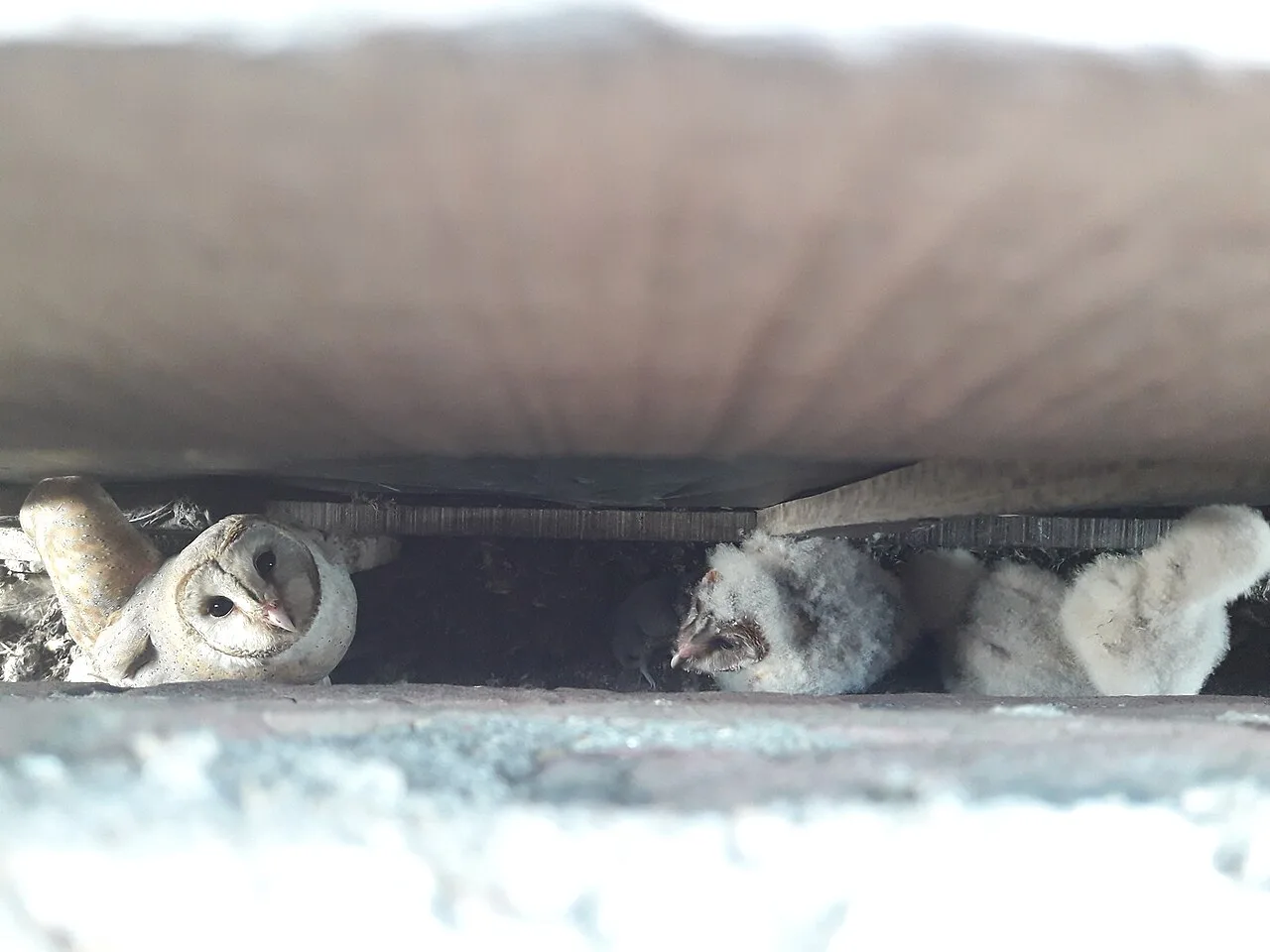
The climate is generally humid subtropical, with hot summers, a monsoon season and cooler winters. April to June can bring strong heat, especially in exposed plains and cities; rainfall usually arrives from around June and continues into September, though its timing and intensity vary. River flooding is a recurring concern in parts of the north, so local conditions matter for travel. October and November often bring clearer, more comfortable weather, while December and January can be cool, foggy mornings are possible, and nights may feel cold. The state has no coastline: its water landscapes are rivers, oxbow lakes, wetlands and reservoirs. Seasonal wetlands and riverine habitats are especially important for birds, while woodland and grassland in the northwest support wildlife.

History & heritage

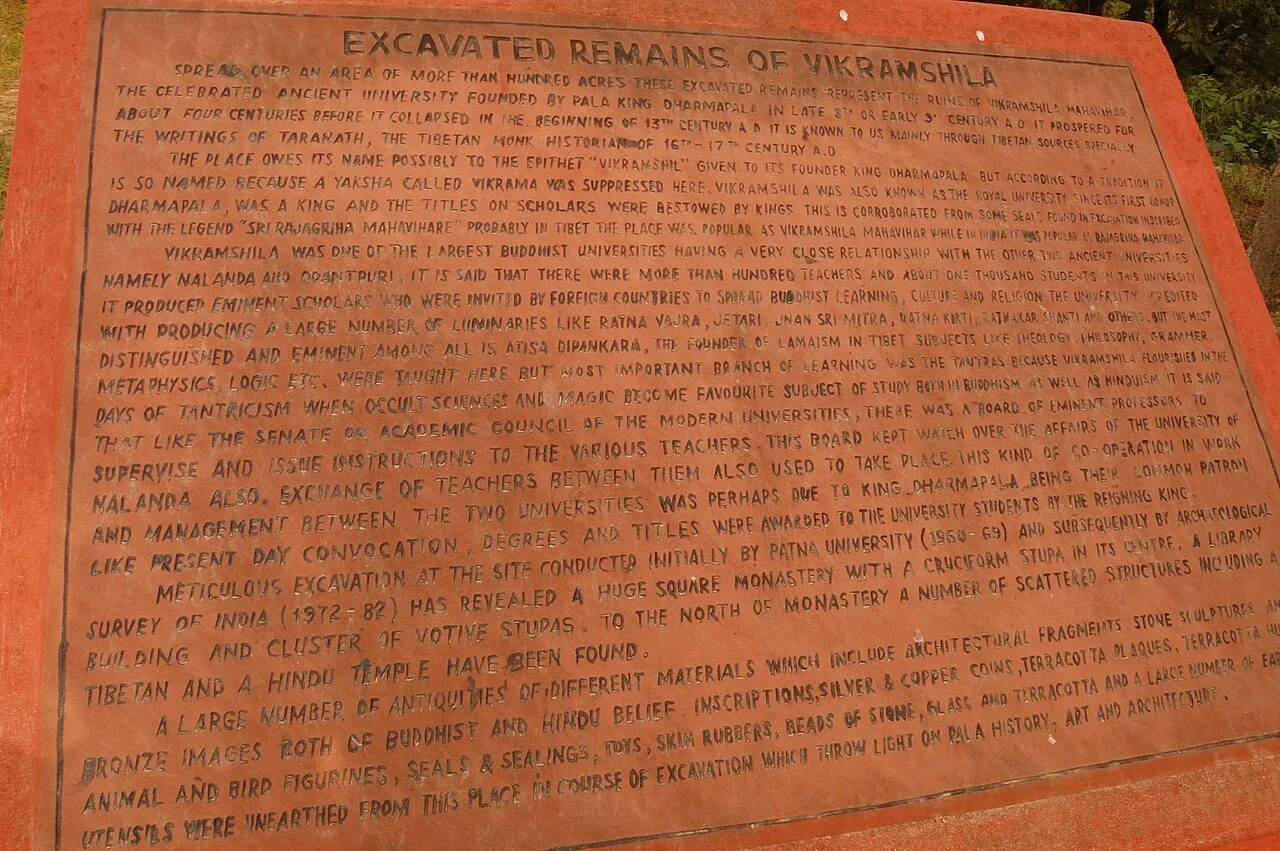
Bihar’s history reaches back to the ancient kingdoms of Magadha and the republics of the Ganga plain. The region became a centre of political power under the Mauryas, whose empire was founded by Chandragupta Maurya and later ruled by Ashoka. Pataliputra, identified with present-day Patna, was a major imperial capital. The Gupta period brought further political and intellectual influence, while Buddhist and Jain traditions took lasting root here: the Buddha’s enlightenment at Bodh Gaya and Mahavira’s association with the region remain central to its sacred geography. Nalanda became a renowned Buddhist monastic university, and Vikramshila later developed as another important centre of learning. The ruins at Vaishali, Rajgir, Barabar and elsewhere preserve traces of these long histories.

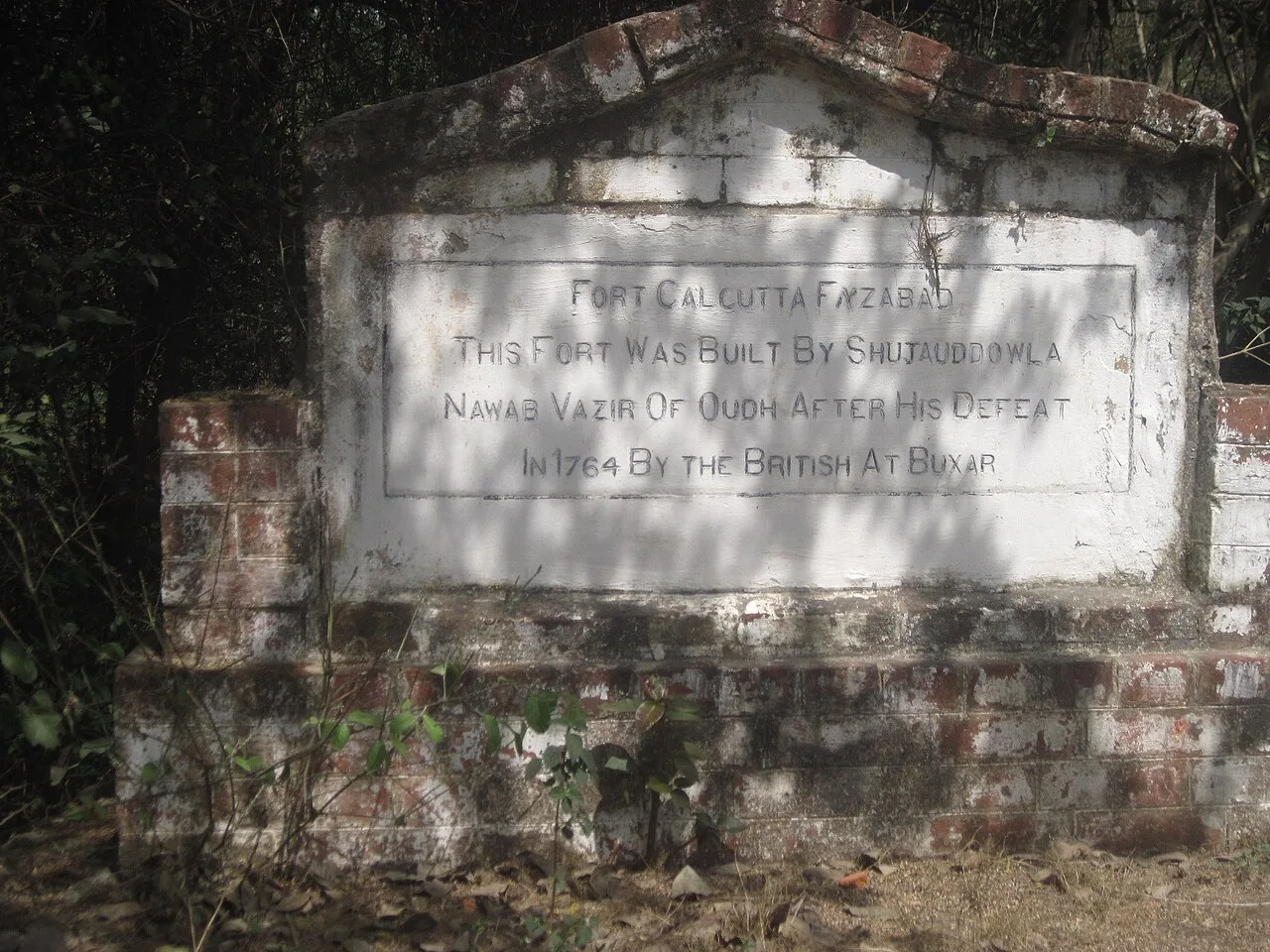
In the medieval period, Bihar came under a succession of regional and imperial powers. Sasaram is closely associated with Sher Shah Suri, whose tomb stands in a lake setting; his rule is also remembered for administrative and road-building reforms. Mughal authority and later regional powers shaped towns, forts and trade. Under British rule, the region became part of the Bengal Presidency before Bihar and Orissa were made a separate province in 1912; Orissa became a separate province in 1936. Bihar played an important role in the independence movement. In 1917, Gandhi’s Champaran Satyagraha challenged the treatment of indigo cultivators, and Kunwar Singh is remembered for his resistance during the uprising of 1857. After independence Bihar became a state of the Indian Union. In 2000, its southern districts were separated to form Jharkhand. Modern Bihar’s heritage is therefore layered: archaeological sites, pilgrimage centres, colonial-era landmarks and contemporary cities all tell part of the story.

Culture, people & festivals

Bihar is culturally diverse, with Hindi and Urdu used widely in public life and a rich range of regional languages spoken at home. These include Bhojpuri in the west, Maithili in Mithila, Magahi around the Magadh region, Angika in the east and varieties associated with the north-central plains. Communities have distinct local customs, while migration and city life bring traditions together. Maithili literature and the visual language of Madhubani painting are especially recognised beyond the state. Bhojpuri folk songs accompany weddings, seasonal celebrations and everyday performance; other traditions include Maithili songs, devotional singing, the energetic Jhijhiya dance and regional forms of theatre and storytelling. Hindu, Buddhist, Jain, Sikh and Muslim heritage is visible in pilgrimage sites, shrines and community festivals.

Chhath Puja, observed especially in October or November and also in a spring form around March or April, is among Bihar’s most widely observed festivals. Devotees offer prayers to the setting and rising sun at riverbanks and ponds, often after days of preparation. The Sonepur Mela, held around the Hindu month of Kartik, traditionally brings a large fair to the Ganga-Gandak confluence near Sonpur. Holi, Diwali, Eid and other festivals are celebrated across the state, while Sama-Chakeva, usually in November, is associated with Mithila. Local calendars differ by region and lunar observance, so festival dates shift from year to year. Visitors are welcome to observe respectfully, keeping riverbanks and worship areas clear and asking before photographing people or ceremonies.

Food & flavours

Bihari cooking is grounded in grains, pulses, seasonal vegetables and dairy, with recipes that vary between the plains and cultural regions. Litti chokha is the best-known meal: wheat dough balls filled with roasted gram flour are baked or roasted and served with mashed, often fire-roasted, vegetables such as aubergine, tomato and potato. Sattu, made from roasted gram, is used in fillings and drinks, while dal pitha—rice-flour dumplings with a savoury lentil filling—is a familiar home-style dish. Mustard oil, garlic, green chilli and pickles give many preparations their character. Meals may be simple and hearty, though recipes and spice levels differ from household to household.

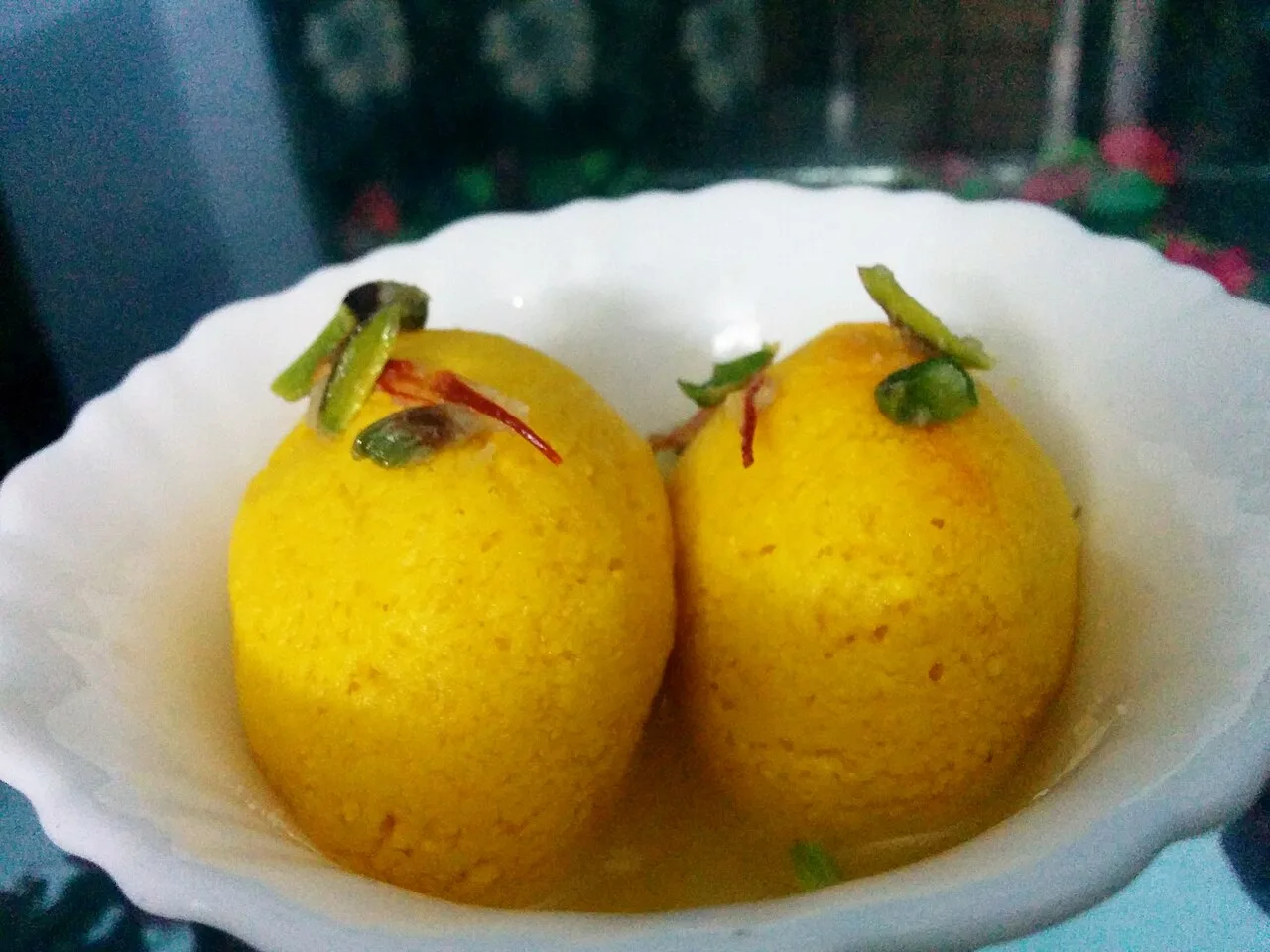
Sweet-making is a point of pride. Khaja, a crisp, layered sweet associated with Silao in Nalanda district, is a popular treat; Gaya is known for tilkut, made with sesame and jaggery or sugar. Thekua, a fried wheat-and-jaggery sweet, is prepared especially for Chhath Puja. Other regional favourites include malpua and laung-latika, while Mithila’s food traditions feature fish, rice and seasonal greens. Bihar’s GI-recognised produce includes Mithila Makhana, cultivated in wetlands, and Shahi litchi from the Muzaffarpur region; Bhagalpur and nearby areas are associated with Katarni rice and Jardalu mango. When travelling, look for seasonal produce and locally made sweets, and ask about ingredients if you have dietary restrictions.

Crafts, textiles & what to buy

Madhubani painting, also called Mithila painting, is Bihar’s best-known visual art. Traditionally made by women in the Mithila region, it uses bold outlines and densely patterned scenes drawn from nature, daily life and religious stories. Today it appears on paper, cloth and household objects, as well as in community murals. The craft has a geographical indication, and Madhubani district is a natural place to look for work made by local artists. Bhagalpur is known for silk weaving, particularly the textured fabric often called Bhagalpur silk. Shahi litchi, Mithila Makhana, Katarni rice, Jardalu mango and Silao Khaja are among Bihar’s GI-recognised products, making food gifts another way to explore regional identity.

Other crafts include Sujani embroidery, with its distinctive stitched motifs; Tikuli painting, associated with Patna and traditionally made on small decorative surfaces; and Manjusha art, linked to Bhagalpur and the Bihula-Bishari legend. Sikki grass work, found particularly in the Mithila region, turns golden local grass into baskets and decorative objects. Availability and production methods vary, so ask sellers about the maker and place of origin. Buying directly from artisan groups or reputable cooperatives can help support craftspeople. For fragile paintings or textiles, request protective packaging, and remember that handmade pieces may show small variations that are part of their character.

Getting there & getting around

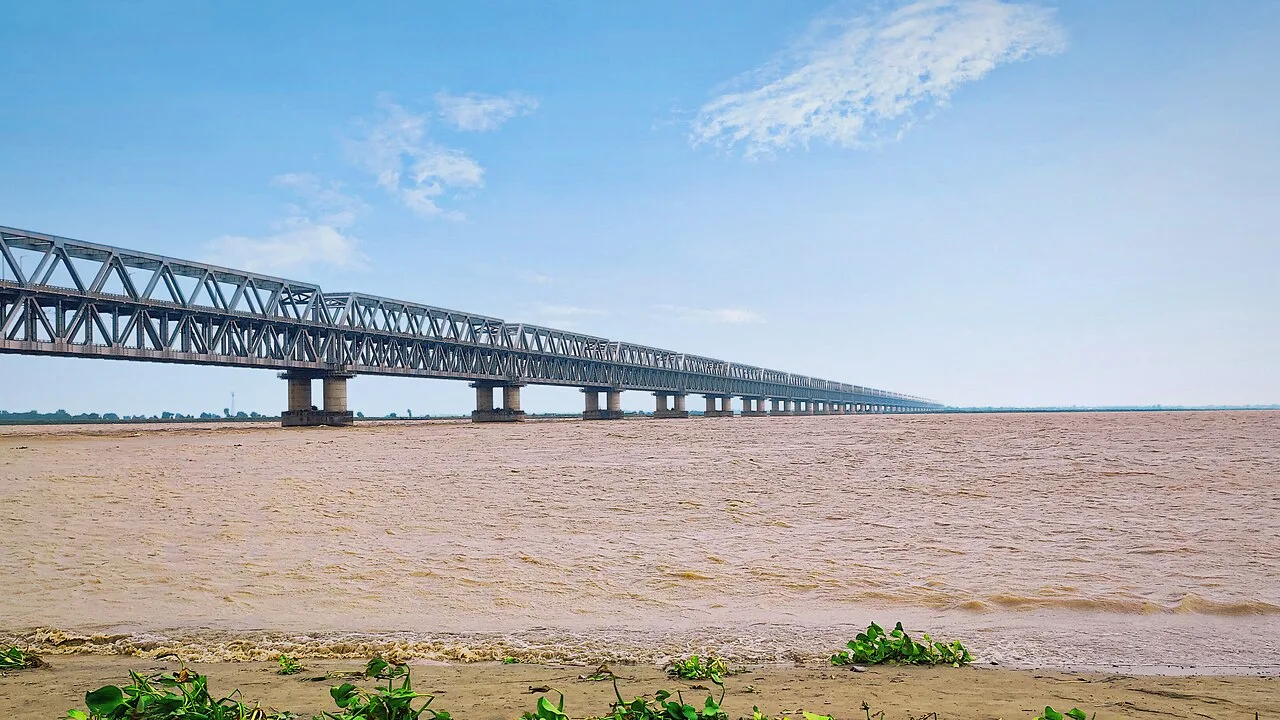
Patna’s Jay Prakash Narayan International Airport is the main air gateway, with Gaya Airport and Darbhanga Airport also serving parts of the state; routes and service levels can change, so check current airline information before planning. Bihar is well connected by rail. Patna Junction is the principal hub, while Gaya, Muzaffarpur, Darbhanga, Bhagalpur, Barauni, Samastipur and Katihar are useful junctions for regional itineraries. Rail is practical for longer journeys between major towns, but a destination may still require a road transfer. The road network includes national highways such as NH 19, NH 20, NH 27 and NH 31, linking Bihar with neighbouring states and connecting its cities. The Mahatma Gandhi Setu crosses the Ganga between Patna and Hajipur.

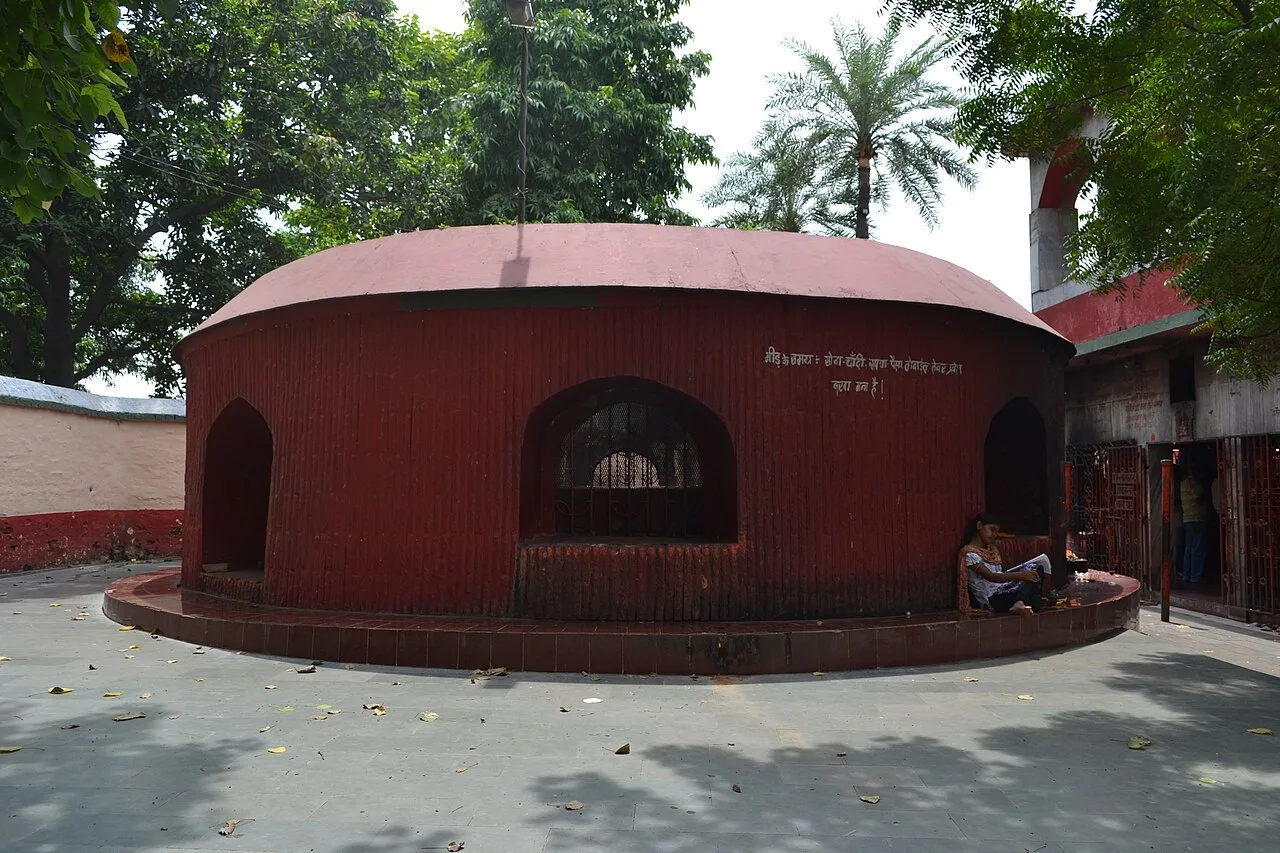
Within cities, auto-rickshaws, cycle-rickshaws, app-based cabs where available and local buses can help with short journeys. For places outside main transport corridors, travellers commonly arrange a car with a driver or use local buses and shared vehicles where services operate. Road conditions, traffic and journey times vary, and crossings over major rivers can become bottlenecks. Patna makes a useful base for nearby sites such as Maner, Kumhrar and Agam Kuan; Gaya connects naturally with Bodh Gaya, Vishnupad Temple and Dungeshwari Cave. Rajgir and Nalanda can be combined by road or rail, while reaching Valmiki National Park or Vikramshila usually takes more advance planning. Confirm the latest connections and local access before setting out.

When to go & travel tips

For most of Bihar, October to March is the most comfortable period for sightseeing, with cooler days and less rain; winter mornings may be foggy. Spring can suit visits to Mithila and the southern heritage circuit before summer heat builds. For Valmiki National Park, check seasonal access and wildlife-tour arrangements locally, as conditions can vary. The monsoon brings greener scenery but also heavy rain and possible flooding, particularly in northern river districts, so keep plans flexible and check local advisories. Festival trips are memorable, but Chhath and the Sonepur Mela draw large crowds; confirm the current dates and transport arrangements before booking.

Pack breathable clothing, sun protection and water for hot months, plus a light warm layer for winter mornings and evenings. Modest clothing is appreciated at temples, monasteries and other religious sites; remove footwear where requested and follow signs or guidance around worship. Ask permission before photographing people, ceremonies or restricted areas. Keep valuables secure in crowded stations and fairs, use reputable transport, and avoid entering rivers or unfamiliar water after heavy rain. If a site or wildlife area requires registration or special access, confirm requirements with the relevant official authority before travel rather than relying on informal advice.

Highlights

Where to begin

City by city

Cities & hubs of Bihar

Every sight is grouped under its city — places within about 12 km together, day trips within 40 km alongside — even across district lines. Open a city to see its attractions.

See every city, town and village of Bihar

Away from the cities — 10 more places by district

District discovery

Bihar: 20 districts covered

Open a district to see its destinations and neighbours. More districts are added as our team writes them.

20 of 20 districts have destination guides

Destinations

Every guide in this state

Open a district to see its cities and towns, villages and places to see.

Aurangabad1 place

Places to see

Bhagalpur2 places
Buxar1 place

Places to see

Darbhanga1 place

Cities & towns

East Champaran2 places
Gaya10 places
Jamui1 place

Villages

Jehanabad1 place

Places to see

Kaimur1 place

Places to see

Madhubani3 places

Cities & towns

Munger2 places
Nalanda3 places
Nawada1 place

Places to see

Patna10 places
Purnia1 place

Cities & towns

Rohtas3 places
Saran1 place

Cities & towns

Sitamarhi1 place

Cities & towns

Vaishali1 place

Places to see

West Champaran1 place

Festivals & fairs

The calendar here

Full calendar

22 Nov 2026 – 23 Dec 2026

Sonepur Mela

Harihar Kshetra, Sonepur · Fair & Mela

One of Asia's oldest cattle fairs, at the Gandak–Ganga confluence.

ConfirmedBihar

Festivals of Bihar through the year

Usual season and where each is best known. Exact dates follow local calendars — linked festivals have dated guides.

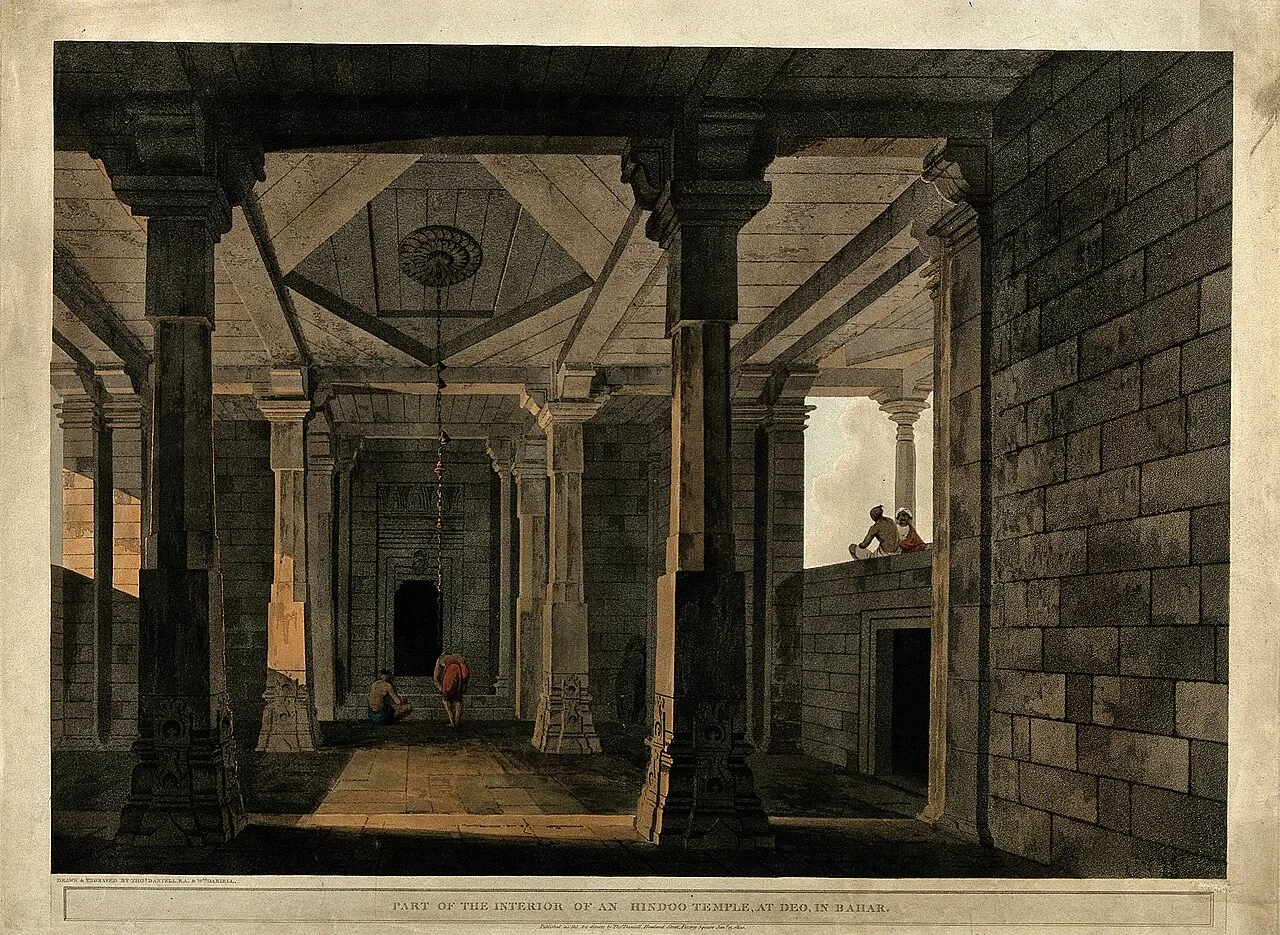
  • Chhath PujaOctober–NovemberStatewide; Patna's ghats and the Deo Sun Temple, Aurangabad district, are famed.
  • Sonepur FairNovember–DecemberSaran district, Asia's large cattle fair.
  • Pitrapaksha MelaSeptemberGaya district.
  • Buddha PurnimaBodh Gaya.
  • Sama-Chakeva (November) and Madhushravani (July–August): Mithila region (Madhubani, Darbhanga)
  • Rajgir MahotsavwinterNalanda district.
  • Vaishali Mahotsav (Mahavir Jayanti)Vaishali district.
  • Shravani MelaJuly–AugustSultanganj, Bhagalpur district.

Connected circuits

Journeys through this state

Bihar · Madhya Pradesh

The Buddhist Circuit

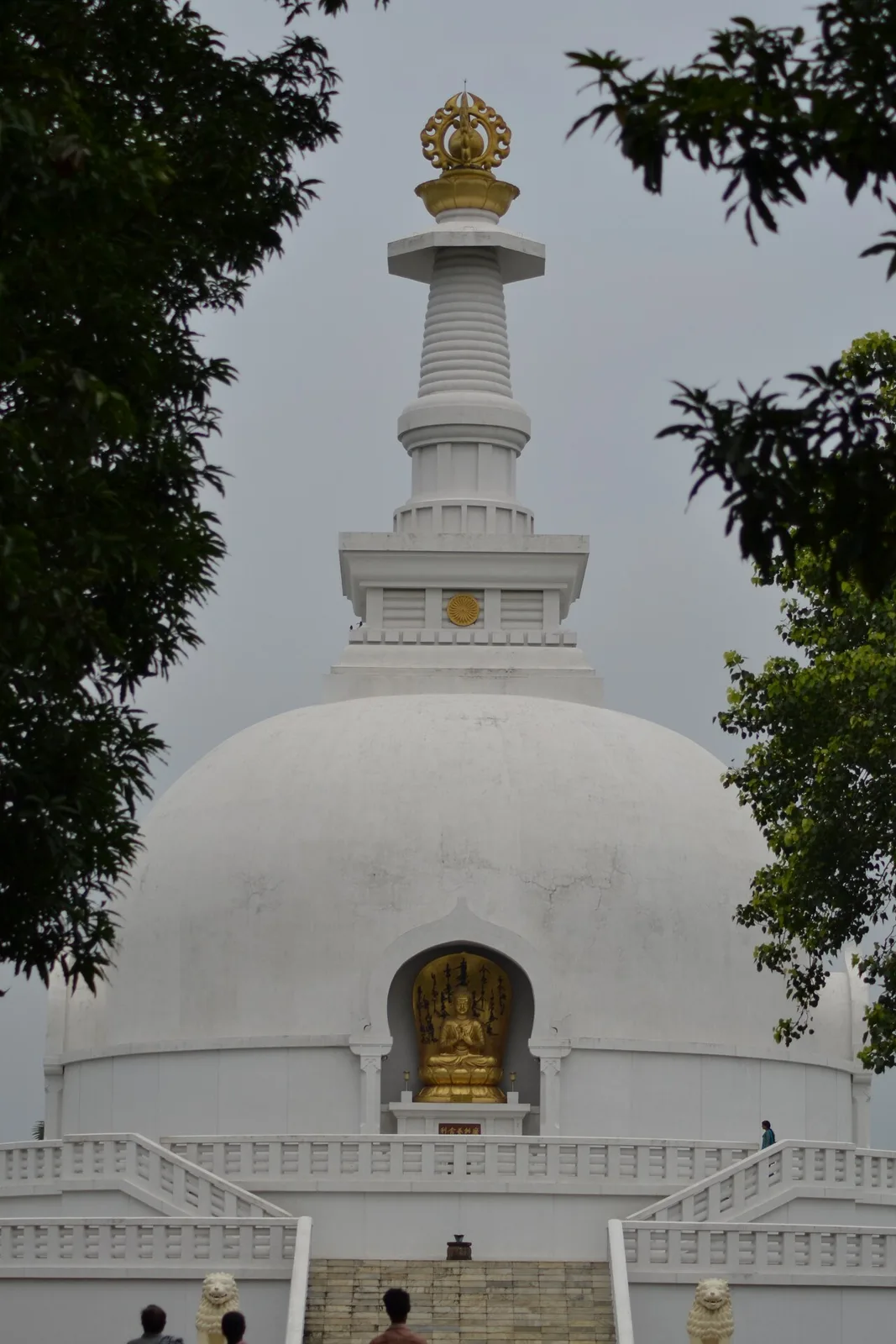
Follow the Buddha's path from enlightenment to the stupas of Ashoka.

  1. Bodh Gaya
  2. Sanchi
From travellers and locals

Be the first to share photos, stories, advice or a helpful contact for Bihar.

Loading…