Ghumoopedia — Explore, Discover, Experience
Sign in
Katihar, near Banmankhi Bazar

City guide · Bihar

Banmankhi Bazar

Banmankhi Bazar is a municipality and sub-divisional headquarters in Purnia district, serving as an administrative and commercial centre for nearby communities. Around 32 kilometres from Purnia, it connects village markets and services with the district’s larger urban hub.

Famous for

  • Annual Holika Dahan
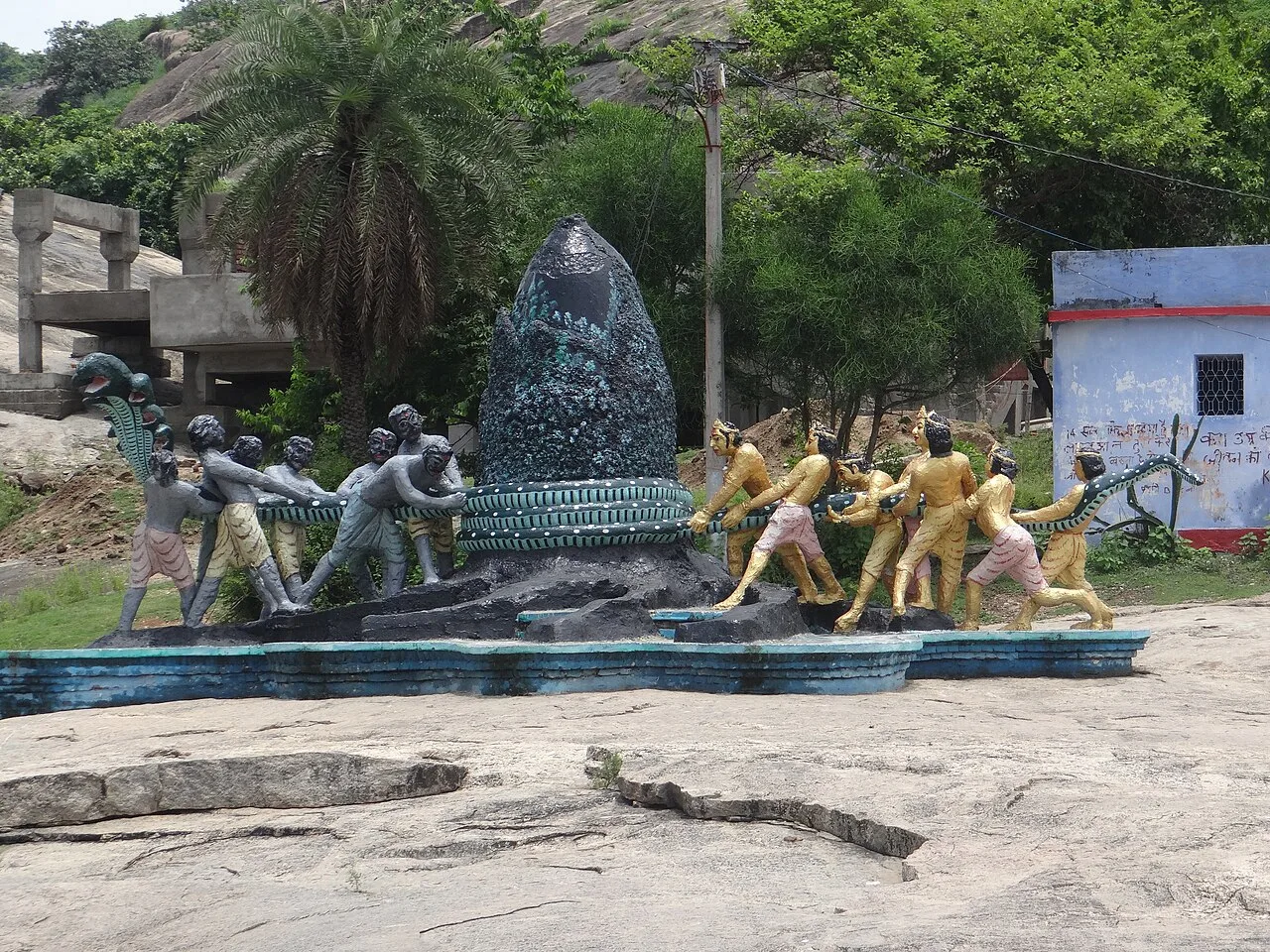
  • Narasimha incarnation site
  • Closed sugar mill
  • Sub-divisional headquarters
  • Local town bazaar

Why Banmankhi Bazar matters

Banmankhi Bazar is a municipality and sub-divisional headquarters in Purnia district, serving as an administrative and commercial centre for nearby communities. Around 32 kilometres from Purnia, it connects village markets and services with the district’s larger urban hub. Its importance is regional rather than metropolitan: residents come here for local trade, transport links and civic administration.

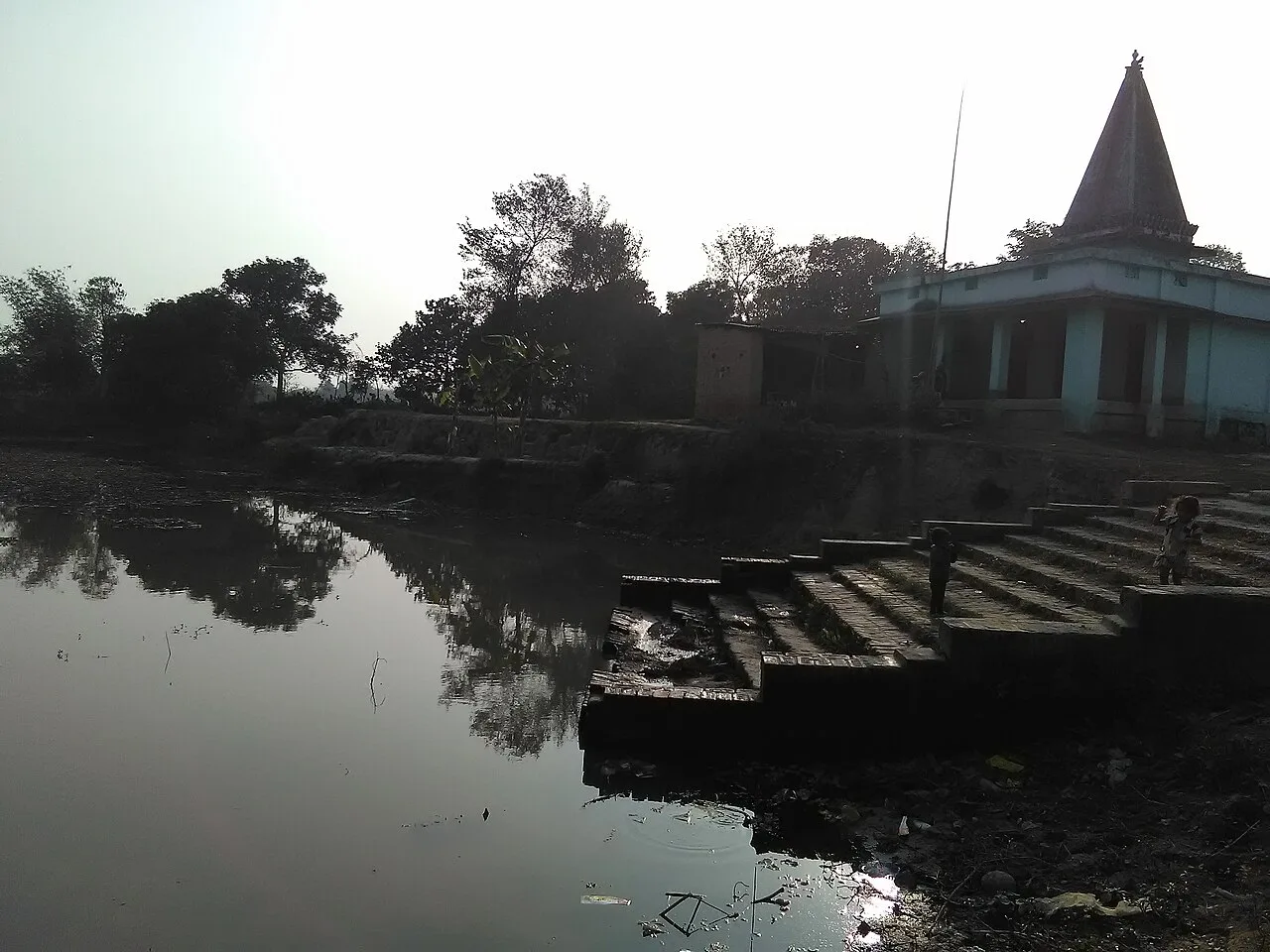
Visitors are drawn chiefly by its religious associations and annual Holika Dahan celebration. A site locally identified with the incarnation of Lord Narasimha is an important point of worship, while the town’s Holika Dahan observance is especially well known in Bihar. Banmankhi is also remembered for its sugar mill, now closed, which reflects an industrial chapter in the town’s story. The bazaar and railway station give the town an everyday bustle, while its position on routes through Purnia district makes it a practical stop for travellers exploring the surrounding region. It offers a view of small-town life in northeastern Bihar, shaped by faith, local commerce and public services.
Famous for: crafts, trade & products

Banmankhi is not widely identified with a particular textile, handicraft, GI-tagged product or specialist manufacturing tradition. Its best-known industrial association is its sugar mill, which is closed. The mill remains part of local memory, but it should not be mistaken for a working factory or a visitor attraction with regular public access.

The town’s bazaar is the most useful place to see its role in everyday commerce. Shops and market stalls serve local residents with household goods, groceries, clothing and seasonal supplies; visitors can look here for ordinary regional products rather than a distinct Banmankhi craft or branded speciality. The market is also a place to observe the flow of trade between the town and surrounding villages. Banmankhi’s other notable institutions are civic and religious: it functions as a sub-divisional headquarters, and its Narasimha-associated worship site draws devotees. For specialised shopping, travellers may find a wider choice in Purnia, the district town. There is no widely established local crafts district or dedicated souvenir market, so it is sensible to ask locally about current shops and access to places of worship.

History

Banmankhi’s development is closely tied to its role as a service centre for settlements in Purnia district. Its present municipal and sub-divisional functions make it a hub for administration and everyday trade. The name Banmankhi Bazar also reflects the importance of its market in linking the town with the surrounding countryside.

There is no widely established account that identifies Banmankhi as the capital of a particular dynasty or assigns its origins to a specific ruler. The broader Purnia region has a long history of changing political and cultural influences, but claims about individual rulers or events in Banmankhi itself should be treated cautiously. In the modern period, the sugar mill marked an industrial dimension to local life; it is now closed. The town’s continuing importance rests more on its administrative role, railway connection, market and religious associations than on large-scale industry. Its growth as a local centre has therefore been practical and regional, serving residents and travellers across its part of the district.

Food, festivals & culture

The town’s most distinctive public celebration is Holika Dahan, held on the eve of Holi, usually in February or March. Its observance is especially prominent locally and is associated with the religious traditions surrounding Prahlad and Lord Narasimha. Holi itself brings colour and visits among families. Chhath, celebrated after Diwali in autumn and again in spring, is an important festival across Bihar; Durga Puja and Eid are also observed by local communities. The Narasimha-associated site gives the town an additional focus for worship.

Everyday food reflects the broader cuisine of Bihar and the eastern Gangetic region: rice, lentils, vegetables, seasonal produce and snacks are common, with sweets available through local shops. Banmankhi is not especially known for a signature dish or confection. Hindi is widely used, alongside regional speech varieties of northeastern Bihar; Maithili and Angika are among the languages heard in the wider region. Festivals, family gatherings and religious observances are central to community life. There is no single performance tradition for which the town is especially known, though music and devotional singing form part of festival and worship settings.

Visiting the city

The cooler months, roughly October to March, are generally more comfortable for exploring; summer can be hot and the monsoon brings rain. Banmankhi Junction is the town’s main railway station. Purnia Airport at Chunapur is the nearest airport, though passenger services may be limited, so check current connections before planning a flight. Purnia is about 32 kilometres away and offers a broader range of onward services.

Within town, local auto-rickshaws and cycle-rickshaws can be useful for short journeys; confirm availability locally. The bazaar area is a good place to experience everyday commerce, while the Narasimha-associated worship site is the principal religious stop. The railway station and central market make practical starting points for a short visit. Ask locally about access and any observances at religious sites.

Trips from the city

Nearest places to visit from Banmankhi Bazar

Our closest destination guides, by straight-line distance.

Katihar

55 km away · Purnia district

Katihar

Katihar is a major city in Bihar, known for its regional commercial, educational and administrative roles. Travellers also use it as a railway hub linking routes towards North Bengal and the north-east.

Vikramshila University Ruins

63 km away · Bhagalpur district

Vikramshila University Ruins

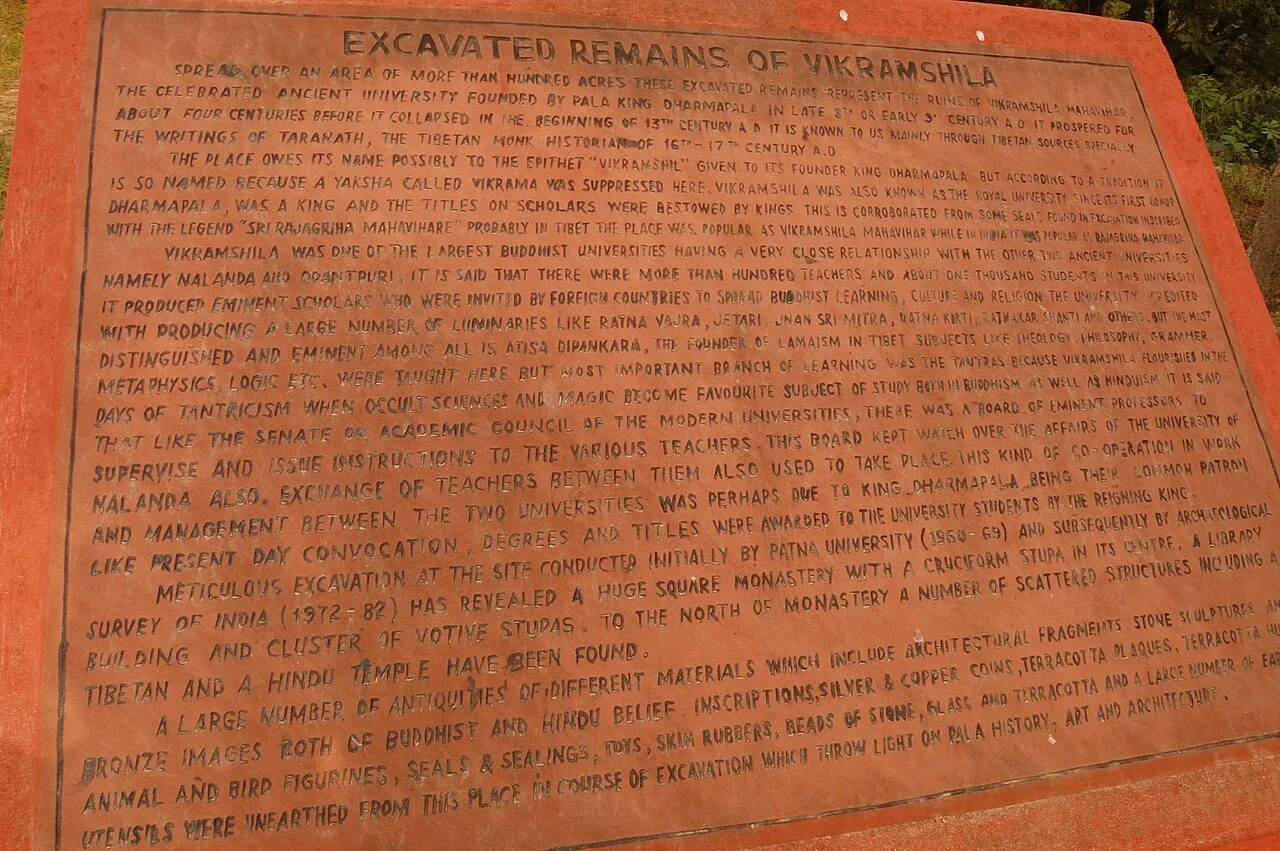
Vikramshila University Ruins mark a major Buddhist centre of learning in Bihar. Visitors come to explore the site and learn about its scholars and place in Buddhist education.

Munger Fort

92 km away · Munger district

Munger Fort

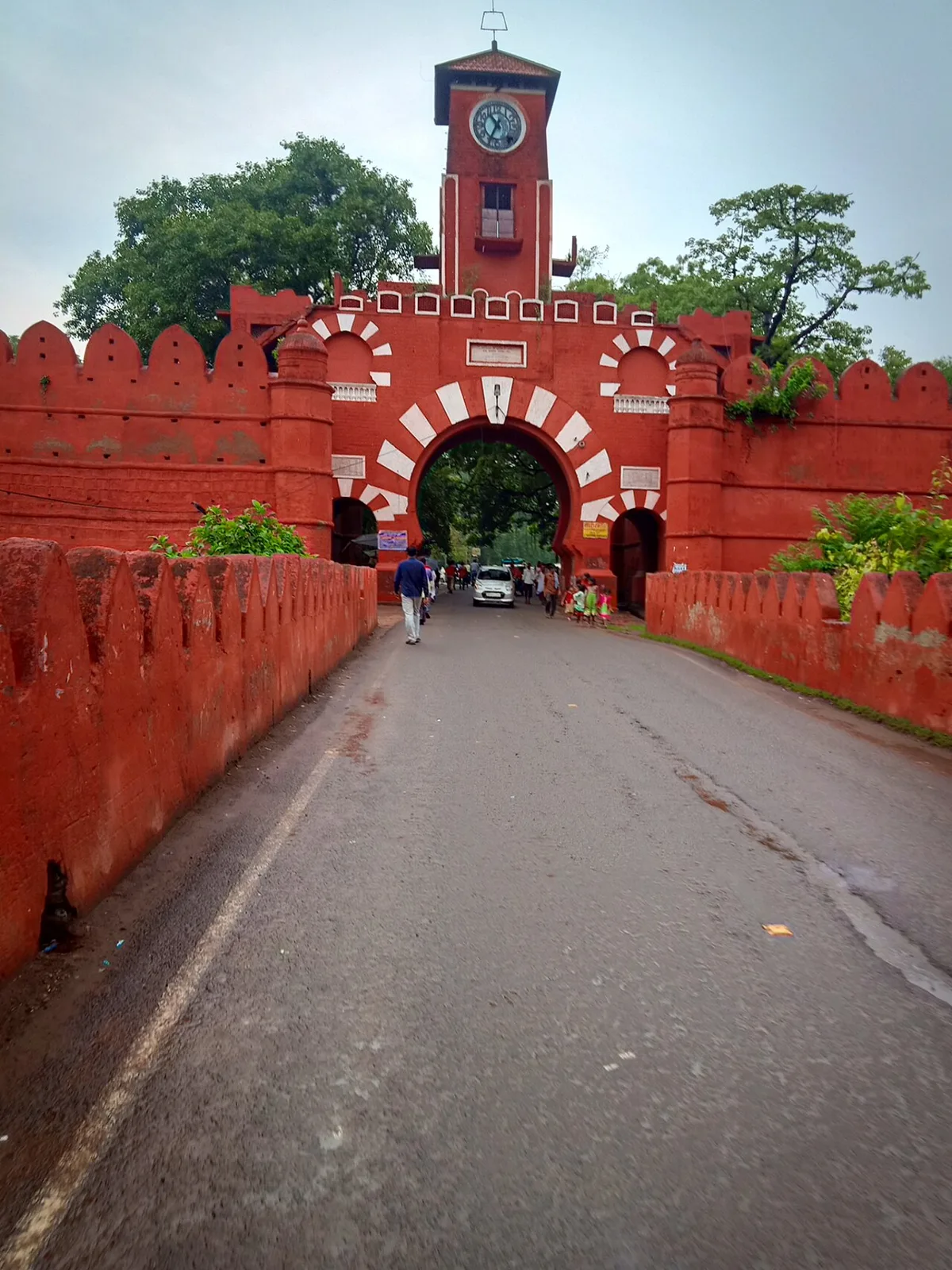
Munger Fort is a historic stronghold in Bihar, set on a rocky rise beside the Ganges. Visitors come to see its tombs, palace, temple, riverside ghat and British-era cemetery.

Bhimbandh Wildlife Sanctuary

117 km away · Munger district

Bhimbandh Wildlife Sanctuary

In Bihar’s Munger district, Bhimbandh Wildlife Sanctuary is a sanctuary devoted to wildlife. Visitors come to spend time in this wildlife-focused place in the district’s south-west.

Mandar Hill

117 km away · Bhagalpur district

Mandar Hill

Mandar Hill, also called Mandar Parvat, is a roughly 700-foot hill at Bounsi in Bihar’s Banka district. Hindus and Jains visit it as a place of pilgrimage.

Madhubani

123 km away · Madhubani district

Madhubani

Madhubani is a city in Bihar’s Mithila region and the headquarters of its district. Visitors may be drawn by its regional identity and administrative importance.

Darbhanga

133 km away · Darbhanga district

Darbhanga

Darbhanga is a major city and municipal corporation in Bihar, serving as the administrative centre of its district and division. Visitors encounter a longstanding centre of Mithila’s cultural, literary and musical traditions.

Vishwa Shanti Stupa

175 km away · Gaya district

Vishwa Shanti Stupa

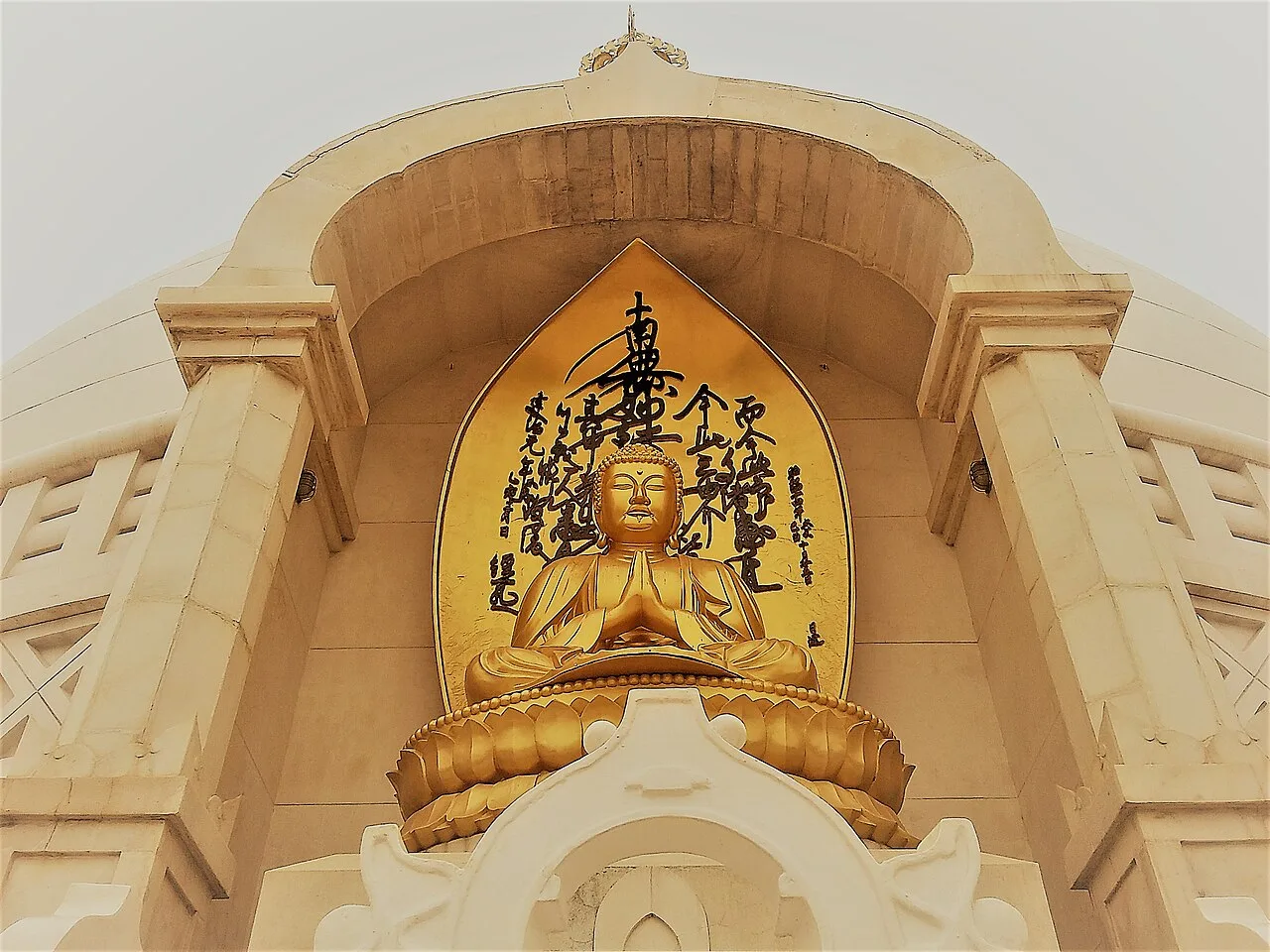
Vishwa Shanti Stupa is a white Buddhist pagoda in Rajgir, visited for its Buddha statues, nearby Japanese temple and park, and prayers for peace.

Map

Banmankhi Bazar on the map

  1. 1Katihar
  2. 2Vikramshila University Ruins
  3. 3Munger Fort
  4. 4Bhimbandh Wildlife Sanctuary
  5. 5Mandar Hill
  6. 6Madhubani
  7. 7Darbhanga
  8. 8Vishwa Shanti Stupa

Bihar

Other cities to explore