
Ghumoopedia — Explore, Discover, Experience
Sign in
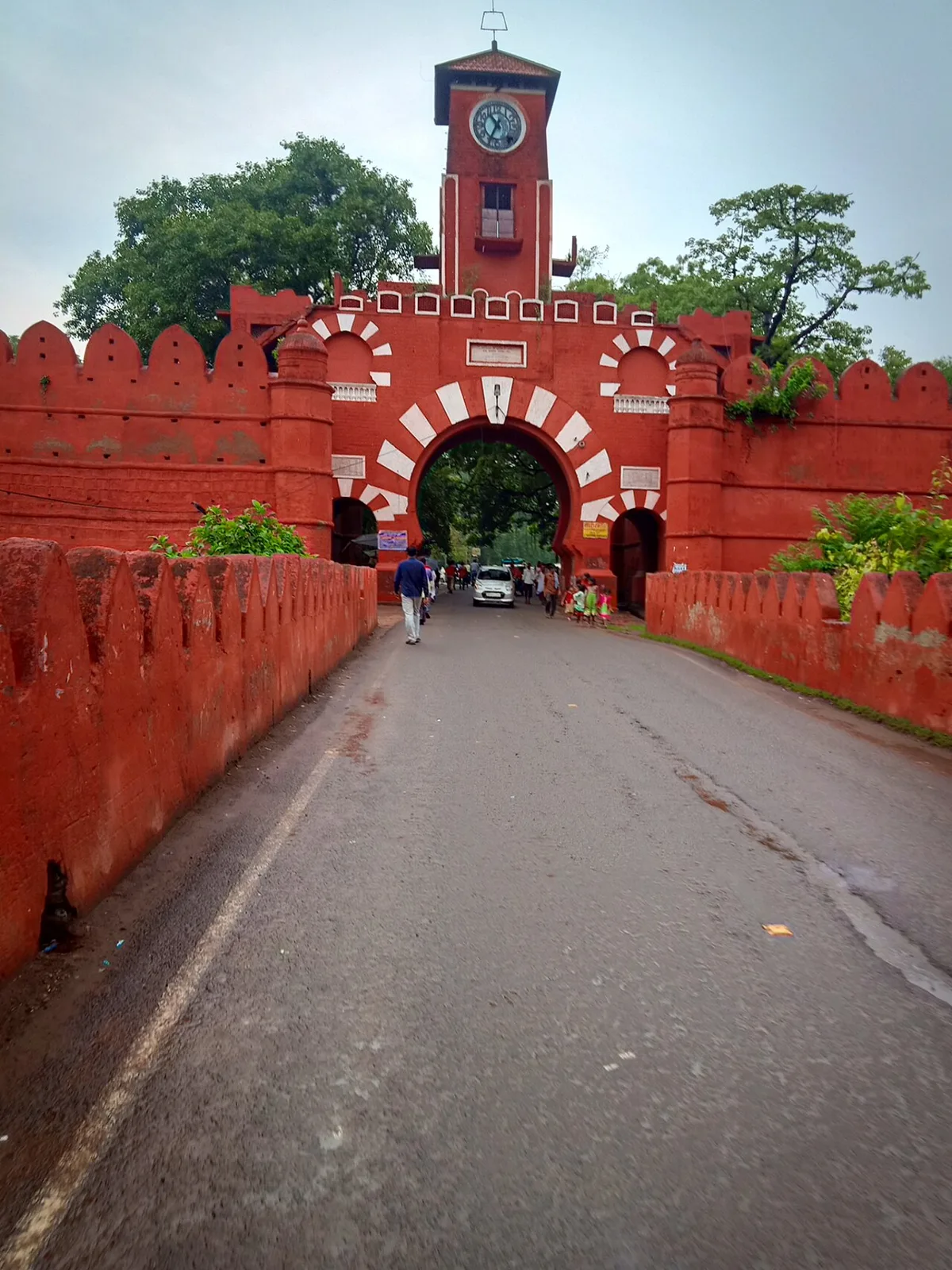
Munger Fort, near Munger

City guide · Bihar

Munger

Munger is a historic riverside city in eastern Bihar, set on the southern bank of the Ganga. It serves as the administrative centre of Munger district and division, and forms a twin urban centre with neighbouring Jamalpur.

Famous for

  • Munger Fort and Ganga ghats
  • Bihar School of Yoga
  • Jamalpur Railway Workshop
  • Traditional firearms manufacture
  • Chandika Sthan temple
In the city
1
District
Munger

Why Munger matters

Munger is a historic riverside city in eastern Bihar, set on the southern bank of the Ganga. It serves as the administrative centre of Munger district and division, and forms a twin urban centre with neighbouring Jamalpur. Its riverfront, fort and religious sites give the city a strong appeal for travellers interested in history and pilgrimage, while the Bihar School of Yoga draws visitors from across India and abroad for its work in yoga and meditation.

Munger is also a working industrial and railway town. Its long association with firearms manufacture and Jamalpur’s major railway workshop are part of the region’s modern identity. Visitors can explore the old fort area, visit Kastaharni Ghat and Chandika Sthan, or use Munger as a base for discovering nearby places along the Ganga. The city is about 180 kilometres east of Patna and is connected to the wider region by rail and road. Its mix of historic layers, spiritual institutions and everyday commercial life makes it more than a stopover.

Famous for: crafts, trade & products

Munger is best known for its historic firearms industry, though manufacture is regulated and is not a visitor-facing craft market. Jamalpur, its neighbouring twin city, is associated with the Indian Railways’ long-established railway workshop. The Bihar School of Yoga is another prominent institution, bringing an international profile to a city whose economy also serves as a regional centre for trade and administration.

Munger is not widely identified with a signature saree, textile tradition or GI-tagged craft. Visitors looking for everyday clothing, household goods and local provisions can browse the central market streets, including Bara Bazaar and nearby shopping areas. These are practical places to see the city’s retail life and buy common goods, rather than specialist artisan products. Local shops and eateries also offer regional snacks and sweets. The fort and yoga institution are notable landmarks, but they are not shopping venues; access to working industrial facilities, including the railway workshop, may be restricted. For distinctive handloom shopping, travellers may need to look to other established textile centres in Bihar.

History

Munger’s strategic position between the Ganga and the hills made it an important route into Bengal. Early records associate the settlement with the Gupta-era name Guptagadh; in the early medieval period it was known as Mudgagiri and served as a royal residence of the Pala rulers. The town later passed through the hands of regional and imperial powers, including the Khaljis, the Delhi Sultanate and the Mughals.

In 1763, Nawab Mir Qasim made Munger his capital and developed an arsenal and palaces within the fort. British control followed during the conflicts of the 1760s, and Munger became a municipality in 1864. Nearby Jamalpur took on a major railway role with the establishment of its railway workshop in 1862. In modern times Munger has remained a district and divisional headquarters, while its industrial, educational and spiritual institutions have shaped the wider twin-city region.

Food, festivals & culture

Everyday food reflects the wider cuisine of Bihar. Litti chokha, sattu-based dishes, ghugni and seasonal snacks are common, while thekua is especially associated with festival offerings. Sweet shops sell familiar regional treats, though particular menus vary between neighbourhoods. Hindi and Urdu are widely used; Angika is also spoken in the surrounding region, alongside other local varieties.

Chhath Puja, observed in autumn, is a major occasion, with worshippers gathering at riverbanks and ghats for prayers to the Sun. Durga Puja and Diwali are also celebrated in autumn, while Holi brings springtime festivities. Folk and devotional songs are part of community celebrations, including the songs sung during Chhath. The city’s religious landscape includes Chandika Sthan, a much-visited Hindu temple, and Kastaharni Ghat on the Ganga; mosques and other places of worship serve the city’s diverse communities. Yoga and spiritual practice are particularly visible through the presence of the Bihar School of Yoga.

Visiting the city

October to March is generally the most comfortable period to visit, with cooler weather than the hot summer months; monsoon travel can bring rain and humidity. The nearest airport is Deoghar Airport, while Patna’s Jay Prakash Narayan Airport offers a broader range of connections. Munger Junction serves the city by rail, and Jamalpur Junction is an important nearby railway hub.

Auto-rickshaws and e-rickshaws are useful for local trips, with taxis available for longer journeys. Explore the fort and nearby riverfront, including Kastaharni Ghat, and visit Chandika Sthan. Bara Bazaar offers a look at central market life. In neighbouring Jamalpur, the railway workshop is a major landmark, though access to working facilities may be restricted. Check locally before planning visits to institutions or religious sites.

Attractions

Places to visit in Munger

Sights within about 12 km of each other, even when they fall in different districts.

Map

Munger on the map

  1. 1Munger Fort

Bihar

Other cities to explore