Ghumoopedia — Explore, Discover, Experience
Sign in
Barabar Caves, near Arwal

City guide · Bihar

Arwal

Arwal is a small town in central Bihar whose importance comes chiefly from its role as the administrative headquarters of Arwal district. It lies near the Son River, a major tributary of the Ganges, and serves as a service centre for the surrounding rural communities.

Famous for

  • Son River setting
  • Arwal district headquarters
  • Paddy and wheat farming
  • Magahi-speaking culture

Why Arwal matters

Arwal is a small town in central Bihar whose importance comes chiefly from its role as the administrative headquarters of Arwal district. It lies near the Son River, a major tributary of the Ganges, and serves as a service centre for the surrounding rural communities. Government offices, local shops and markets make it a practical stop for people travelling within the district rather than a large commercial or industrial destination.

Visitors are most likely to come for district business, to explore the river-side setting and to experience everyday life in a predominantly agricultural part of Bihar. The surrounding countryside is shaped by farming and irrigation, with paddy, wheat and maize among the principal crops. Arwal is also a useful base for understanding the region’s Magahi-speaking culture and its connections with neighbouring districts. It is not widely known for major tourist attractions, so a visit is best approached as a chance to see a quieter, locally focused side of Bihar rather than as a conventional sightseeing trip.
Famous for: crafts, trade & products

Arwal is not established as a major textile centre or handicraft destination, and no widely recognized GI-tagged product or large manufacturing industry is associated with the town. The district economy is strongly agricultural, with paddy, wheat and maize among the main crops. Irrigation canals support cultivation across much of the area, though conditions vary between parts of the district. These agricultural products and everyday goods are more characteristic of local commerce than specialist exports or branded souvenirs.

For visitors, the town’s central market area is the most practical place to look for groceries, household goods and seasonal produce. Small shops serve local needs, and market activity reflects the surrounding farming communities. There is no prominent craft quarter or dedicated visitor market to seek out; availability of locally made items may vary. Travellers looking for Bihar textiles, handicrafts or regional products with a wider reputation will generally need to explore larger commercial centres elsewhere in the state. In Arwal, the town’s significance lies more in administration and agricultural trade than in a distinct shopping or craft scene.

History

Arwal’s modern history is closely tied to changes in district administration. The town was formerly part of Jehanabad district and later became the headquarters of a separate district formed from areas associated with Jehanabad and Aurangabad. The new administrative unit was established in a region where the government sought to strengthen local administration amid concerns about Naxalism. Arwal’s role as a district centre brought government services and official functions closer to residents of the surrounding countryside.

The town’s growth has remained modest and closely connected to agriculture. Unlike historic urban centres with well-documented royal courts, monumental architecture or major colonial-era commercial development, Arwal is not chiefly known for a particular ruling dynasty or landmark from those periods. Its regional importance rests on its location near the Son River and its administrative relationship with nearby districts. In recent decades, public infrastructure has included plans for improved river crossings linking the area with Bhojpur district, reflecting the importance of road connections for local movement and trade.

Food, festivals & culture

Daily life in Arwal reflects the agricultural rhythms and food traditions of central Bihar. Rice, wheat and maize are staples, while familiar regional foods such as litti chokha and sattu preparations are common choices in the wider area. Seasonal vegetables and simple home-style meals are central to local cooking. Visitors may find sweets and snacks at ordinary town shops, though Arwal is not especially known for a signature confection or a distinct food market.

Hindi and Urdu are official languages, while Magahi is widely spoken regionally. Chhath Puja, observed mainly in autumn and again in spring, is an important Bihar tradition, with worship and offerings associated with rivers and other water bodies. Holi, Diwali and Eid are also observed. Folk songs, including seasonal and devotional singing, are part of community celebrations; cultural life is more local and family-centred than organized around major performance venues. Hindu temples and Muslim places of worship serve residents across the town, but Arwal is not known for a single landmark shrine that draws large numbers of visitors.

Visiting the city

The cooler, drier months from October to March are generally the most comfortable time to visit. Summers can be very hot, while monsoon rain may affect road journeys. The nearest major air gateway is Jay Prakash Narayan International Airport in Patna. For rail travel, Jehanabad railway station is a practical nearby access point; onward travel to Arwal is by road. Confirm local connections before setting out, as services and road conditions can change.

Within town, auto-rickshaws and other local road transport are useful for short journeys, while hired vehicles offer more flexibility for the surrounding district. The central market and district-office area give a sense of everyday town life. Visitors can also explore accessible stretches near the Son River, taking local advice about safe public access. Arwal is a compact administrative and agricultural centre, so it is best visited at an unhurried pace rather than planned around a large circuit of attractions.

Trips from the city

Nearest places to visit from Arwal

Our closest destination guides, by straight-line distance.

Barabar Caves

48 km away · Jehanabad district

Barabar Caves

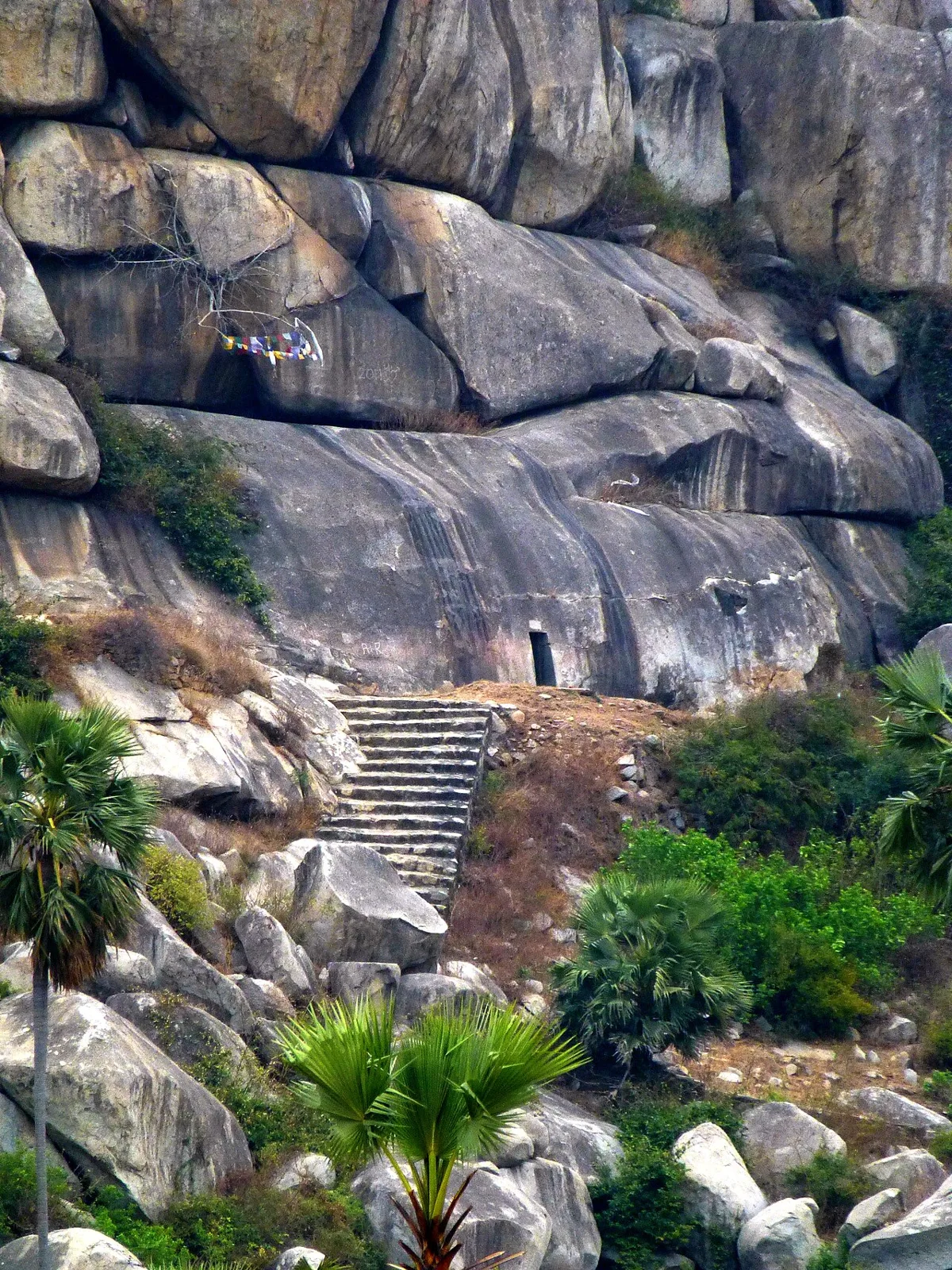
This Mauryan-era cave complex in Bihar extends across Barabar and Nagarjuni hills. Visitors come to see its inscriptions, polished granite chambers and early examples of Indian rock-cut architecture.

Maner

50 km away · Patna district

Maner

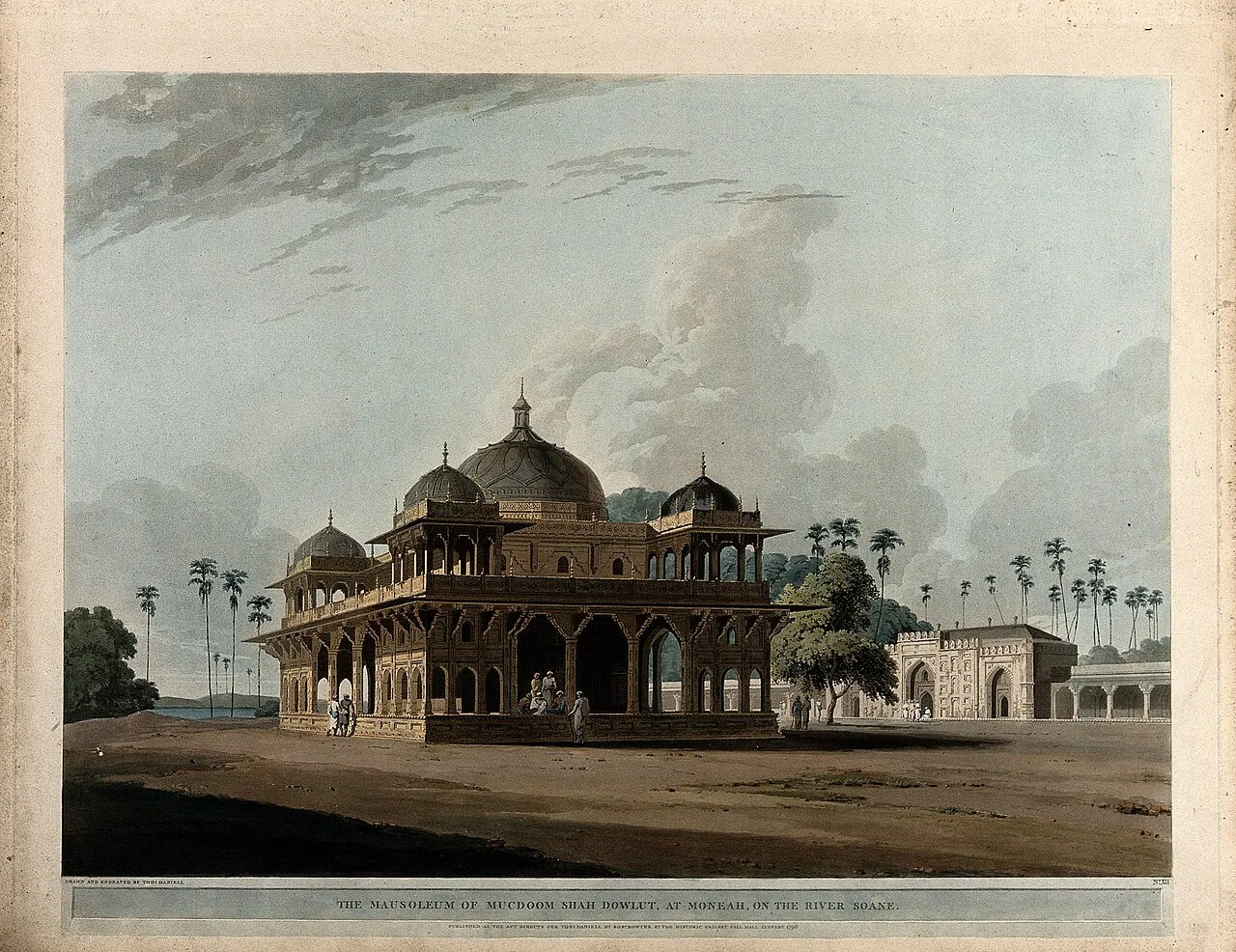
Maner, also called Maner Sharif, is a historic town and administrative block in Bihar’s Patna district. Visitors are drawn by its Mughal-era dargahs and its importance as a Sufi pilgrimage destination.

Patna Zoo

59 km away · Patna district

Patna Zoo

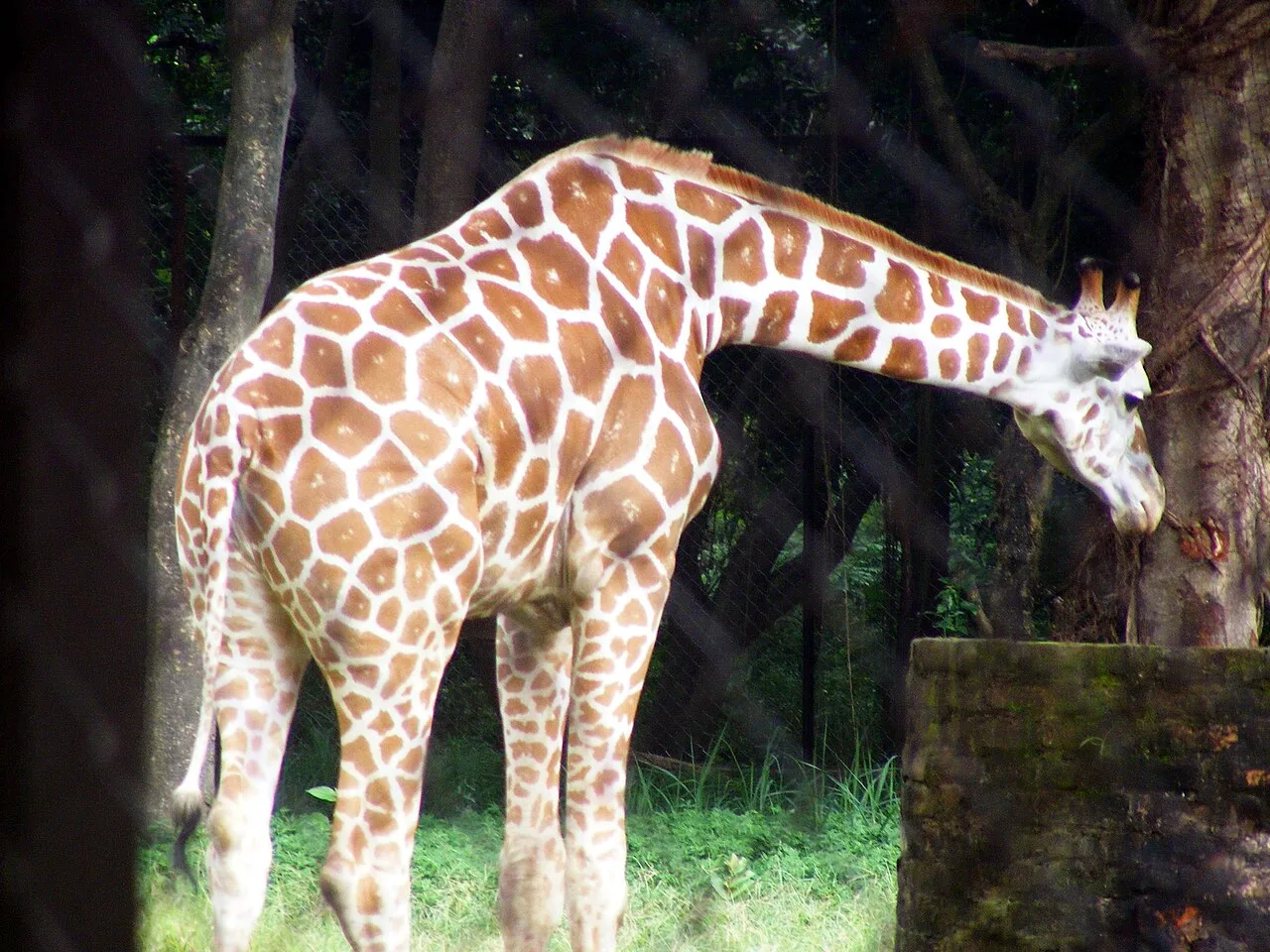
Patna Zoo is a zoological park in Bihar’s Patna district, near Bailey Road. People visit for picnics, with particularly large crowds on New Year’s Day.

Bihar Museum

61 km away · Patna district

Bihar Museum

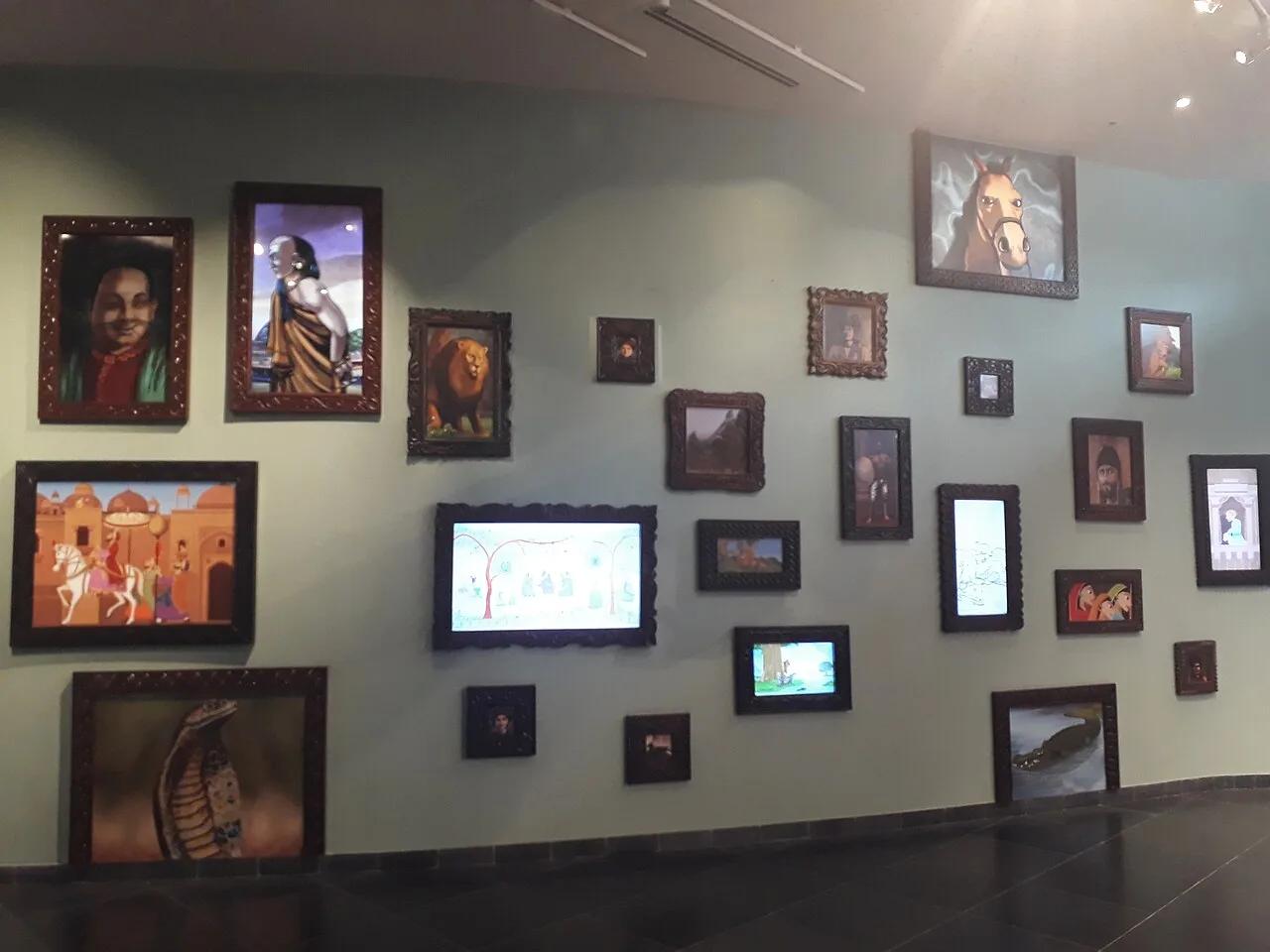
Bihar Museum is Patna’s state museum, with displays on Bihar’s history. Visitors can explore its galleries, children’s museum and distinctive arrangement of buildings and courtyards.

Mahavir Mandir

62 km away · Patna district

Mahavir Mandir

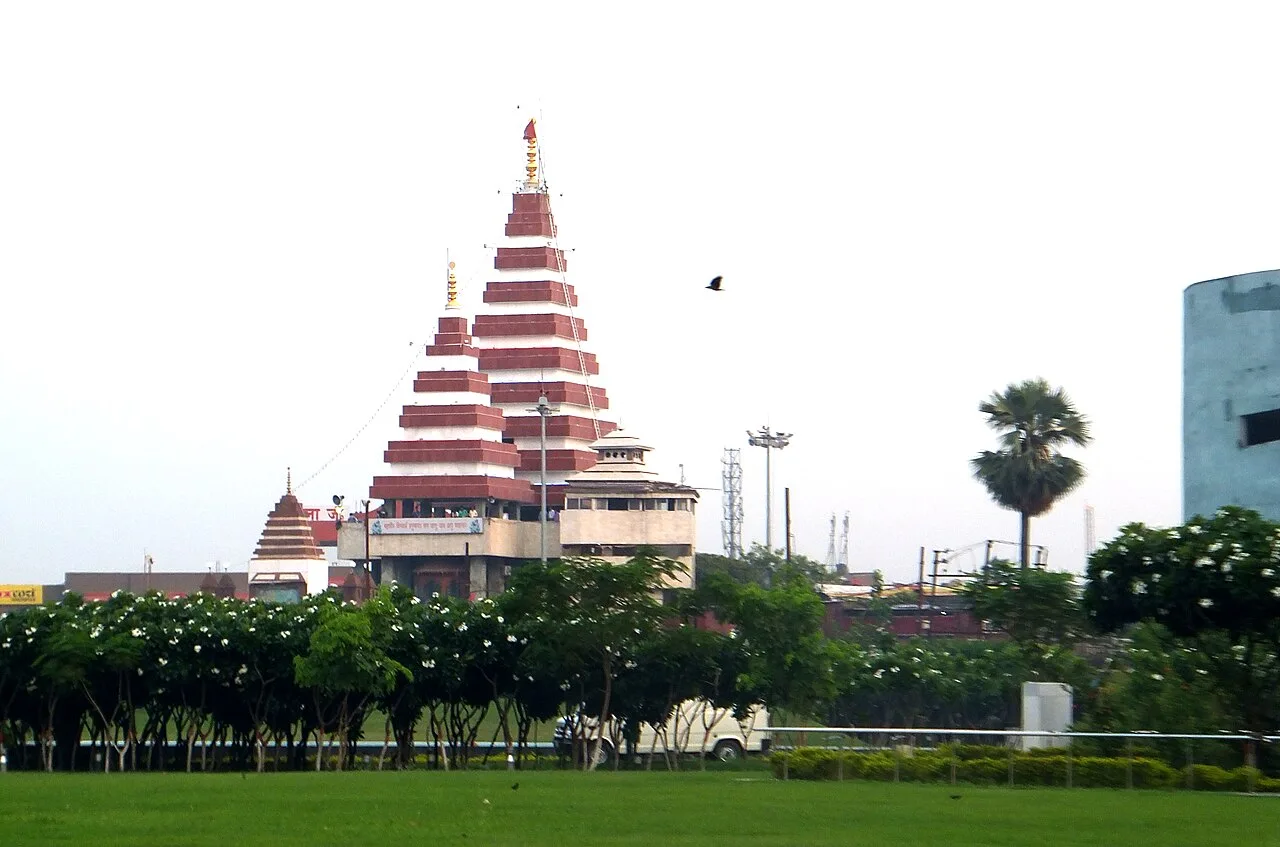
Mahavir Mandir is a Hanuman shrine in Patna, Bihar, visited by millions of pilgrims each year. Devotees also gather in large numbers for religious occasions, particularly Rama Navami.

Golghar

63 km away · Patna district

Golghar

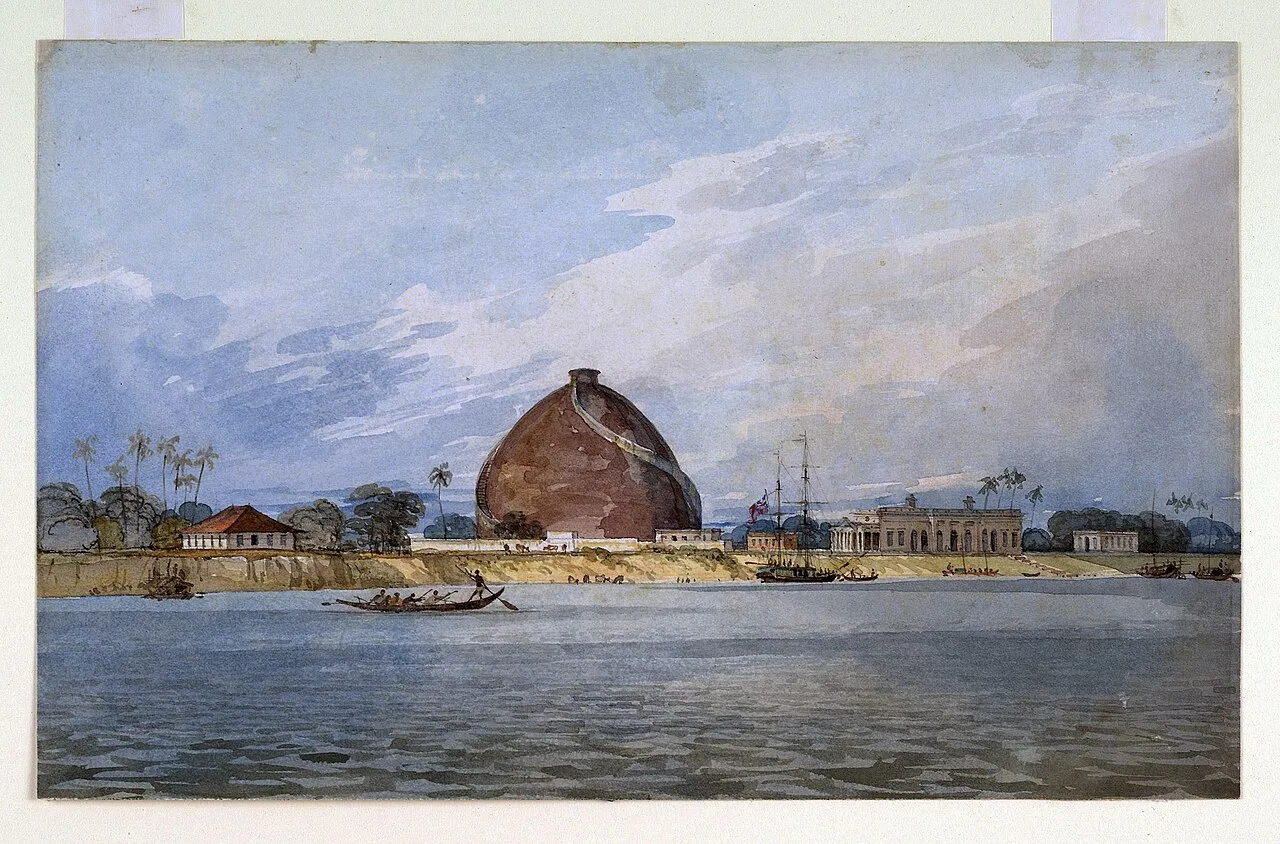
Golghar, also called Gol Ghar, is a substantial grain store in Patna, Bihar. Visitors come to see the granary west of Gandhi Maidan.

Patna Museum

63 km away · Patna district

Patna Museum

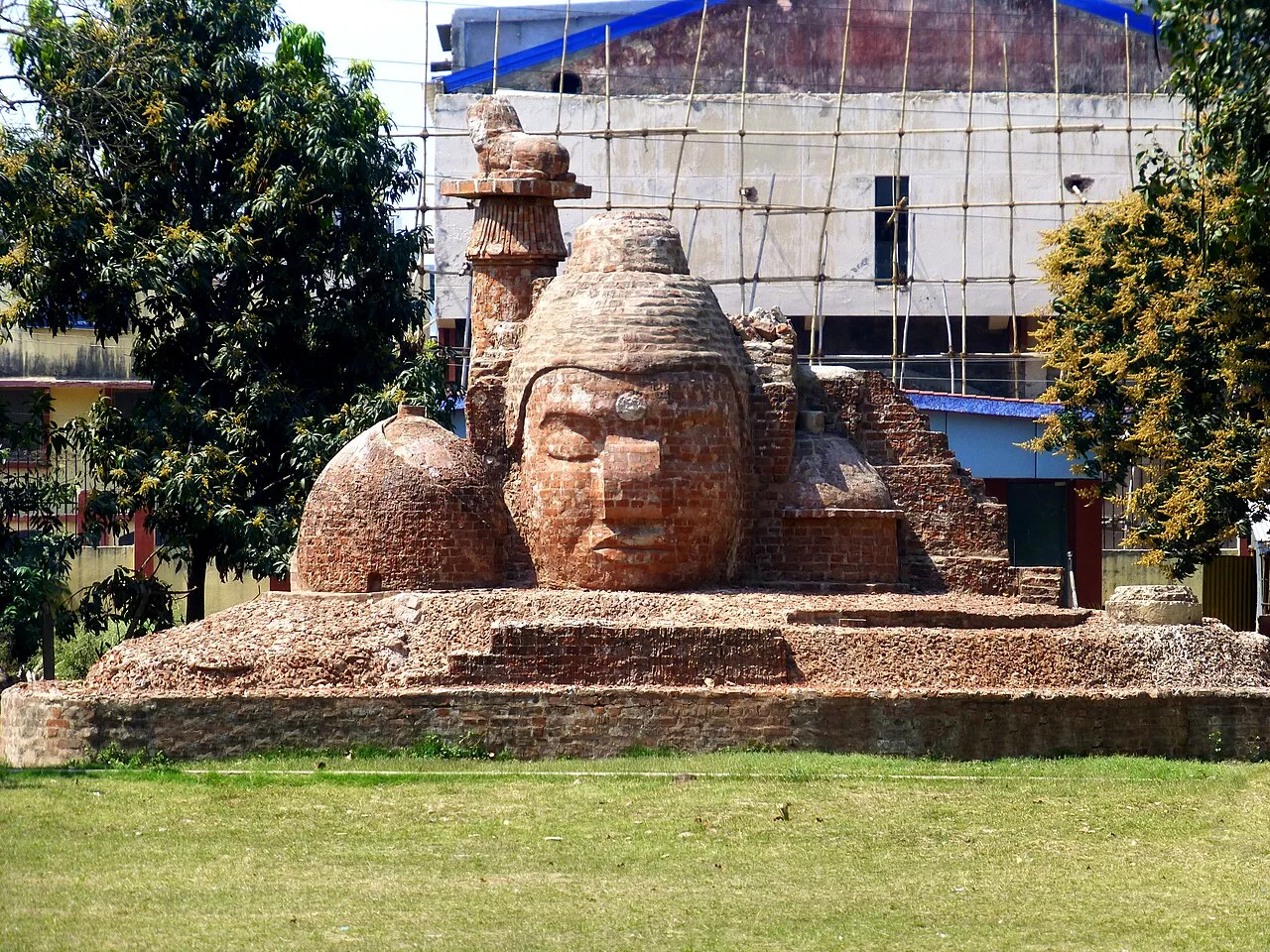
Patna Museum is Bihar’s state museum in Patna district. Visitors come to see its historical collections and learn about the institute’s work in history and archaeology.

Gandhi Maidan

65 km away · Patna district

Gandhi Maidan

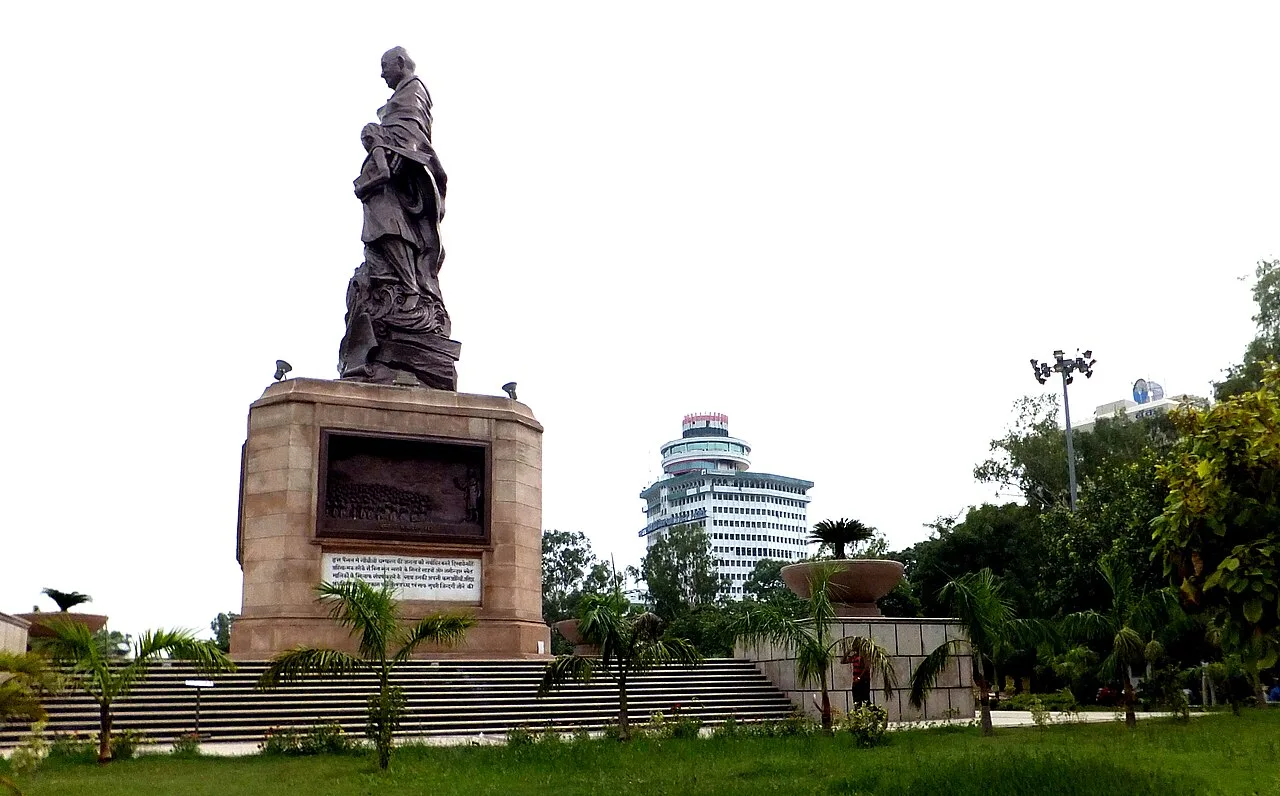
Gandhi Maidan is a historic open space in Patna, Bihar, near the Ganges. People visit a site linked to the freedom movement and significant political gatherings.

Map

Arwal on the map

  1. 1Barabar Caves
  2. 2Maner
  3. 3Patna Zoo
  4. 4Bihar Museum
  5. 5Mahavir Mandir
  6. 6Golghar
  7. 7Patna Museum
  8. 8Gandhi Maidan

Bihar

Other cities to explore