
Ghumoopedia — Explore, Discover, Experience
Sign in
Sitamarhi, near Sitamarhi

City guide · Bihar

Sitamarhi

Sitamarhi is a city in Bihar’s Tirhut Division and the administrative centre of its district. Visitors are drawn by the Hindu tradition linking it to Sītā’s birth.

Famous for

  • Punaura Dham
  • Janaki Sthan temple
  • Sita-Ram legends
  • Vivah Panchami celebrations
  • Sama Chakeva festival
In the city
1
District
Sitamarhi

Why Sitamarhi matters

Sitamarhi is a district headquarters in northern Bihar and an important service and market centre for the Mithila region, close to the Nepal border. Its name and identity are closely connected with Sita: Hindu tradition places her birth here, and the city’s temples and pilgrimage events draw devotees throughout the year. The principal places of worship include Janaki Sthan in town and Punaura Dham, a major Sita shrine on its outskirts.

Visitors come for these sacred sites, seasonal celebrations and the distinctive cultural life of Mithila. The annual Ram-Sita marriage observance at Janaki Sthan and the city’s Janaki Navami circumambulation are especially associated with local pilgrimage. Sitamarhi also serves residents and travellers moving between northern Bihar and southern Nepal, with road links to nearby towns and regional markets. The district’s administrative headquarters is at Dumra, south of the main temple area. For many visitors, Sitamarhi is both a practical regional hub and a place to explore the living traditions surrounding Sita and Mithila.

Famous for: crafts, trade & products

Sitamarhi is best known for religious pilgrimage and its association with Sita, rather than for a large, distinctive textile or manufacturing industry. The city has no widely recognised local GI-tagged craft or signature saree tradition. Its shops and markets mainly serve everyday needs and the surrounding rural area, so visitors looking for a particular specialist craft should check availability locally rather than assume it is made here.

Markets in the central town and around the temple areas are convenient places to browse for पूजा supplies, household goods, seasonal produce and Mithila-region foods. Makhana and other regional staples may be sold in local shops, though they are not exclusive to Sitamarhi. Mithila painting and other crafts are strongly associated with the wider region, but production and retail are spread across different towns; Sitamarhi is not the principal centre for them. Small vendors near pilgrimage sites also sell devotional items and offerings. The district’s most visible draw remains its temples and religious events, which support a local trade in flowers, sweets, prasad and travel essentials.

History

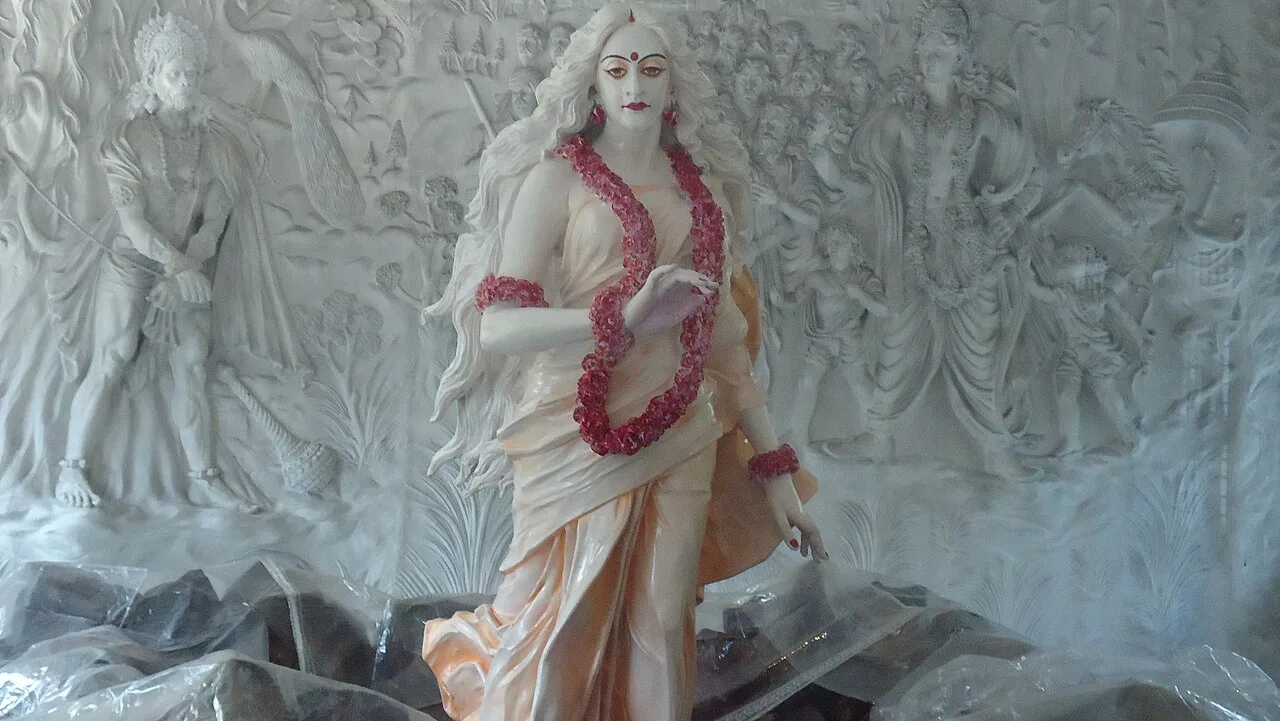
Sitamarhi’s history is closely bound to the older cultural region of Mithila. In Hindu epic tradition, King Janaka of Videha found Sita here, a story that continues to shape the city’s religious identity. The legend is part of local sacred memory; it should be distinguished from the city’s documented administrative history.

Under British rule, Sitamarhi became a subdivision of Muzaffarpur district in 1875. It remained linked administratively to Muzaffarpur until it was constituted as a separate district on 11 December 1972. The district headquarters was established at Dumra, about five kilometres south of the main temple area, while Sitamarhi town continued as the principal urban and pilgrimage centre. Its later growth has been shaped by district administration, local commerce, religious travel and road connections across northern Bihar and toward Nepal. The surrounding alluvial plains have also supported settlement and agriculture.

Food, festivals & culture

Maithili and Hindi are widely used in Sitamarhi, with other languages heard in this border-region town. Everyday food reflects Bihar and Mithila: rice, dal, seasonal vegetables, fish in many households, and snacks such as litti-chokha. Makhana, curd, flattened rice and local sweets may feature in meals or festival offerings, though menus vary between homes and eateries. Food stalls and shops around the town centre and pilgrimage sites are practical places to sample everyday fare.

Religious observances are central to the calendar. Ram Navami brings spring festivities in Dumra, while Janaki Sthan holds an annual ceremony commemorating the marriage of Ram and Sita, associated with Vivah Panchami. Janaki Navami is marked by the Antar Griha Parikrama, a devotional circuit through the city connected with the larger Sitamarhi Dham pilgrimage. In winter, Sama Chakeva celebrates the bond between brothers and sisters. Janaki Sthan and Punaura Dham are the main places of worship for visitors. Maithili folk songs and seasonal devotional music are part of community celebrations; traditions and performances are often local and event-based.

Visiting the city

October to March is generally the most comfortable period to visit, with cooler weather than the hot summer and monsoon months. Darbhanga Airport is the nearest commercial airport; Sitamarhi Junction is the town’s main railway station. Auto-rickshaws and e-rickshaws are useful for getting around, while local taxis or hired vehicles can help with visits beyond the centre.

Start in the central town at Janaki Sthan, then explore the nearby bazaar streets and food stalls. Punaura Dham is a key pilgrimage stop outside the main town, and Dumra is worth including for its district-headquarters setting and Ram Navami festivities. Travel conditions can be affected by monsoon rain, so allow flexibility for road journeys. During major religious events, expect busier temple surroundings and allow extra time.

Attractions

Places to visit in Sitamarhi

Sights within about 12 km of each other, even when they fall in different districts.

Map

Sitamarhi on the map

  1. 1Sitamarhi

Bihar

Other cities to explore