
Ghumoopedia — Explore, Discover, Experience
Sign in
Mandar Hill, near Banka

City guide · Bihar

Banka

Banka is a town in southeastern Bihar and the administrative headquarters of Banka district. It serves as a centre for government services, education, trade and transport for surrounding communities.

Famous for

  • Mandar Hill pilgrimage
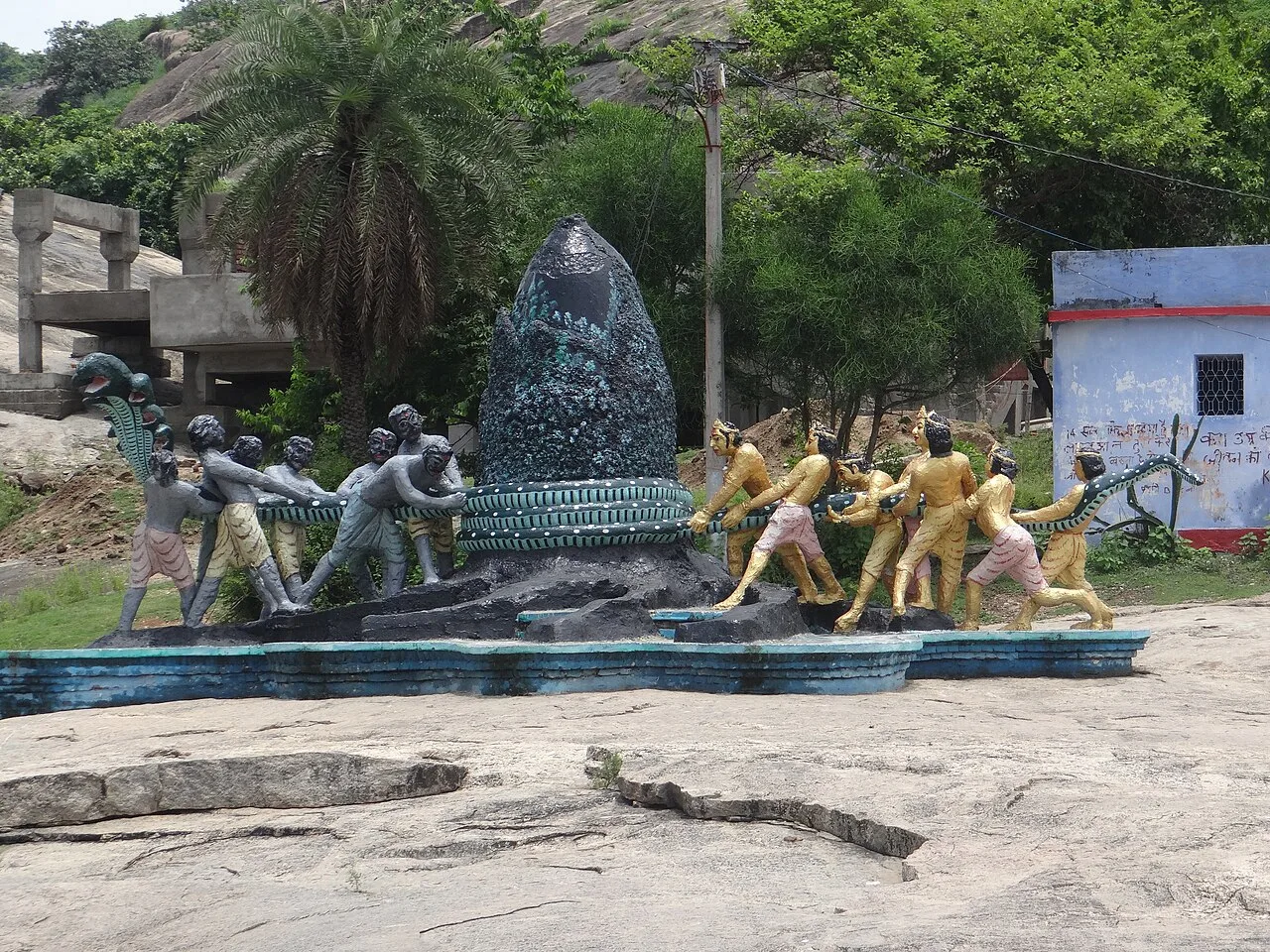
  • Samudra Manthan tradition
  • Anga-region heritage
  • Bounsi Makar Sankranti fair
  • Banka district headquarters
In the city
0
Nearby
1
District
Bhagalpur
Plan a trip

Why Banka matters

Banka is a town in southeastern Bihar and the administrative headquarters of Banka district. It serves as a centre for government services, education, trade and transport for surrounding communities. The district belongs to the historic Anga region, a name that connects the area with eastern Bihar’s older cultural landscape.

The best-known draw nearby is Mandar Hill, associated in Hindu tradition with the Samudra Manthan, or churning of the ocean. Pilgrims and visitors come to the hill and its places of worship, often combining a visit with Bounsi, a nearby town known for its seasonal fair. Banka itself is a practical base for local travel, with markets and everyday services rather than a large concentration of tourist attractions. Its importance today rests on this district-centre role and its links to the region’s religious and cultural landmarks. Visitors interested in local life can explore the town’s bazaar, while those seeking a pilgrimage or a landscape outing can travel onward to Mandar Hill.

Famous for: crafts, trade & products

Banka is not especially associated with a nationally recognised textile, handicraft tradition or GI-tagged product. Its shops mainly serve everyday needs, with clothing, household goods, groceries and locally traded produce available in the town’s market areas. Visitors looking for these can browse the central bazaar and ask locally about current seasonal produce; the range and availability vary.

Bounsi, near Mandar Hill, has additional shops and stalls, particularly during its Makar Sankranti fair, when visitors come for pilgrimage and local trading. The fair is a useful place to experience the area’s temporary market culture, but individual goods and stall offerings change from year to year. Banka’s role is primarily administrative and commercial for its surrounding region rather than as a specialised manufacturing centre. There is no single product or craft that defines the town, so travellers should treat claims of a distinctive local textile or souvenir tradition with care. For a more dependable shopping experience, the town’s regular shops are the place to look for daily essentials and familiar Bihar-made goods.

History

Banka lies within the cultural region known as Anga, associated with the ancient history of eastern Bihar. Mandar Hill, in the district, has a major place in Hindu tradition: it is linked to the Samudra Manthan story. This religious association is an important part of the area’s heritage, though mythology and documented political history are different kinds of evidence.

In the colonial period, the area was administered as part of the wider Bhagalpur region. Banka later developed as an important local administrative centre. The district of Banka was formed on 21 February 1991, separating it from Bhagalpur district, and the town became its headquarters. Since then, its government offices and associated services have strengthened its role as a hub for residents of the surrounding countryside. Modern growth has centred on administration, local commerce, education and transport connections rather than on a single major industrial identity.

Food, festivals & culture

Everyday food in Banka reflects the wider cuisine of Bihar. Rice, lentils, seasonal vegetables and breads are common parts of meals, while sweets and savoury snacks can be found in local shops. These are regional favourites rather than products unique to the town. Hindi is widely used, and Angika is part of the area’s linguistic heritage; people may also speak other languages of Bihar.

Hindu festivals shape the public calendar. Chhath, observed in autumn and spring, is marked by prayers and offerings near water; Durga Puja comes in autumn, while Holi is celebrated in spring. Makar Sankranti, in midwinter, is especially associated with the fair at nearby Bounsi and visits to Mandar Hill. Shravan brings added pilgrimage activity at local religious sites. Temples and shrines around Mandar Hill are important places of worship. Community celebrations, devotional singing and regional folk performance are part of festival life, though particular programmes vary by year.

Visiting the city

The cooler months, roughly from October to March, are generally the most comfortable time to visit. Makar Sankranti is a lively period around Bounsi and Mandar Hill, but expect a busier pilgrimage setting. Summers can be hot, while monsoon rain may affect outdoor plans.

The nearest airport commonly used for the area is Deoghar Airport; Patna is another option with broader connections but is much farther away. Banka railway station is the main station serving the town. Local auto-rickshaws and hired vehicles are practical for getting around; arrange onward transport locally, especially for Mandar Hill and Bounsi. In town, explore the bazaar and central streets for everyday shops and food. For a cultural excursion, head to Bounsi and Mandar Hill, allowing time for the hill’s religious sites and the surrounding landscape.

Short trips

Around Banka

Within about 40 km — easy half-day or day trips from the city.

Map

Banka on the map

  1. 1Mandar Hill

Bihar

Other cities to explore