Ghumoopedia — Explore, Discover, Experience
Sign in
Madhubani, near Bairo

City guide · Bihar

Bairo

Bairo is a small settlement in Bihar whose importance is rooted in everyday rural life rather than a major urban or tourist role. Its surroundings connect homes, farmland and local service points, while nearby market centres provide access to shops, transport and public services.

Famous for

  • Rural Bihar landscape
  • Local agricultural trade
  • Chhath observances
  • Bihari home cooking

Why Bairo matters

Bairo is a small settlement in Bihar whose importance is rooted in everyday rural life rather than a major urban or tourist role. Its surroundings connect homes, farmland and local service points, while nearby market centres provide access to shops, transport and public services. The wider region’s agricultural rhythms shape the working year and the movement of people and goods.

Visitors are most likely to encounter Bairo as part of a journey through the surrounding countryside, or as a base for visiting family and exploring nearby towns. Its appeal lies in the ordinary details of village life: seasonal fields, neighbourhood gatherings, local places of worship and the activity of the bazaar. Bihar’s larger cultural and historical landscape provides context for a visit, with regional food traditions and festivals such as Chhath observed across the state. Bairo is best approached as a lived-in community, not as a destination built around a single landmark or visitor attraction.
Famous for: crafts, trade & products

Bairo’s local economy is characteristic of rural Bihar, where farming and small-scale trade support daily life. Seasonal crops move through village-level buying and selling networks before reaching larger markets in nearby towns. Small shops and market areas serve everyday needs, including groceries, household goods, farm supplies and prepared snacks. For a broader selection of goods, residents and visitors generally look to the market centres serving the surrounding area.

There is no single textile, handicraft or manufactured product that defines Bairo as a destination. Bihar’s well-known regional traditions—including handloom weaving, Madhubani painting and foods such as sattu—belong to a much wider state context and should not be mistaken for products unique to the settlement. Visitors can explore local shops for practical goods and seasonal produce, while larger town markets are the more useful places to seek specialist crafts and regional products. Shopping is informal and closely connected to the rhythms of the agricultural calendar and weekly market activity.

History

Bairo’s story is best understood within the long history of Bihar, a region shaped by ancient kingdoms, religious movements and changing trade routes. Across Bihar, settlements grew around cultivable land, water access and local exchange; many remained closely tied to agriculture even as nearby towns developed administrative and commercial roles. The history of Bairo itself is local in scale, reflecting the continuity of community life and its links with surrounding centres rather than a record of major dynastic capitals or monumental urban expansion.

During British rule, administrative boundaries, revenue systems and transport networks reshaped life across Bihar. After independence, roads, schools, public services and local markets strengthened connections between villages and towns. Today, residents rely on these links for education, healthcare, employment and trade. The wider region’s historical layers offer context for understanding Bairo, while its own character remains grounded in everyday rural settlement and changing patterns of mobility.

Food, festivals & culture

Daily life in Bairo reflects the foodways and social customs of rural Bihar. Meals commonly draw on rice or wheat, lentils, seasonal vegetables and locally familiar preparations; sattu, litti-chokha and simple sweets are part of the wider state’s food culture. What appears on the table varies with household tradition, season and access to local markets. Hindi and the regional speech used by residents shape everyday conversation, with language varying across communities and family connections.

Chhath Puja, observed in autumn after Diwali, is one of Bihar’s most important festivals, marked by fasting, family preparations and prayers offered near water. Holi in spring and Diwali in autumn are also widely celebrated, alongside local religious occasions. Community worship may take place at neighbourhood shrines and temples, while larger religious centres are found in nearby towns. Folk songs, devotional music and seasonal performances bring people together at festivals and family events; customs are generally shared through households and community gatherings rather than formal visitor performances.

Visiting the city

The cooler months, roughly October to March, are generally the most comfortable for exploring Bairo and the surrounding countryside. Summer can be very hot, while the monsoon brings rain that may affect rural roads. Travel is easiest with a local contact or a vehicle arranged from a nearby town; short journeys are commonly made by road, with local shared transport varying by area.

Patna’s Jay Prakash Narayan International Airport and Patna Junction are major gateways for travel into Bihar. From there, visitors can continue by rail or road toward the district serving Bairo, then use local transport for the final leg. Explore the settlement’s market area, nearby fields and places of worship respectfully, and use surrounding town centres for broader services and connections. Check the onward route locally before setting out, as the most convenient approach depends on the point of arrival.

Trips from the city

Nearest places to visit from Bairo

Our closest destination guides, by straight-line distance.

Madhubani

58 km away · Madhubani district

Madhubani

Madhubani is a city in Bihar’s Mithila region and the headquarters of its district. Visitors may be drawn by its regional identity and administrative importance.

Darbhanga

63 km away · Darbhanga district

Darbhanga

Darbhanga is a major city and municipal corporation in Bihar, serving as the administrative centre of its district and division. Visitors encounter a longstanding centre of Mithila’s cultural, literary and musical traditions.

Munger Fort

71 km away · Munger district

Munger Fort

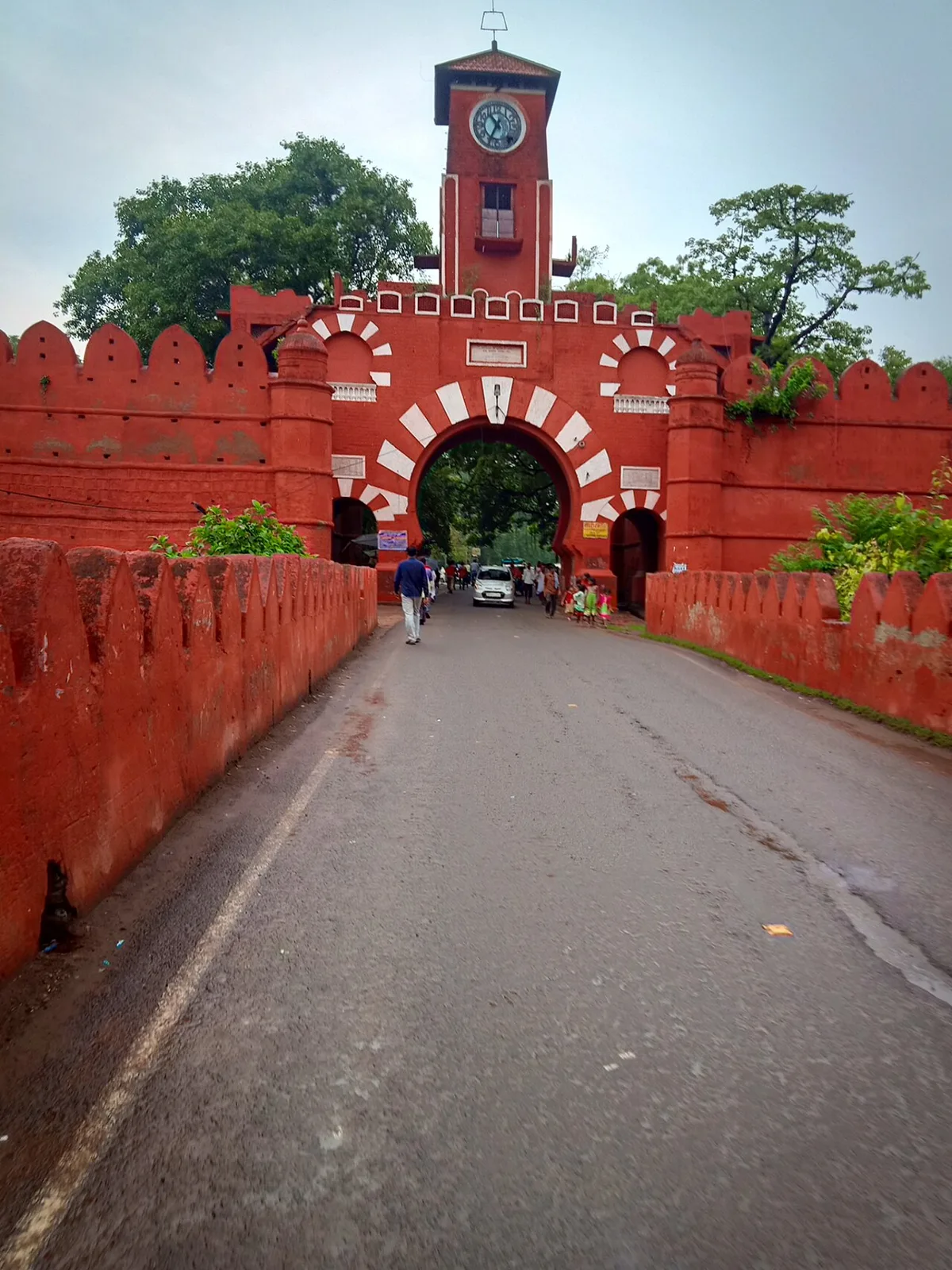
Munger Fort is a historic stronghold in Bihar, set on a rocky rise beside the Ganges. Visitors come to see its tombs, palace, temple, riverside ghat and British-era cemetery.

Bhimbandh Wildlife Sanctuary

90 km away · Munger district

Bhimbandh Wildlife Sanctuary

In Bihar’s Munger district, Bhimbandh Wildlife Sanctuary is a sanctuary devoted to wildlife. Visitors come to spend time in this wildlife-focused place in the district’s south-west.

Vikramshila University Ruins

109 km away · Bhagalpur district

Vikramshila University Ruins

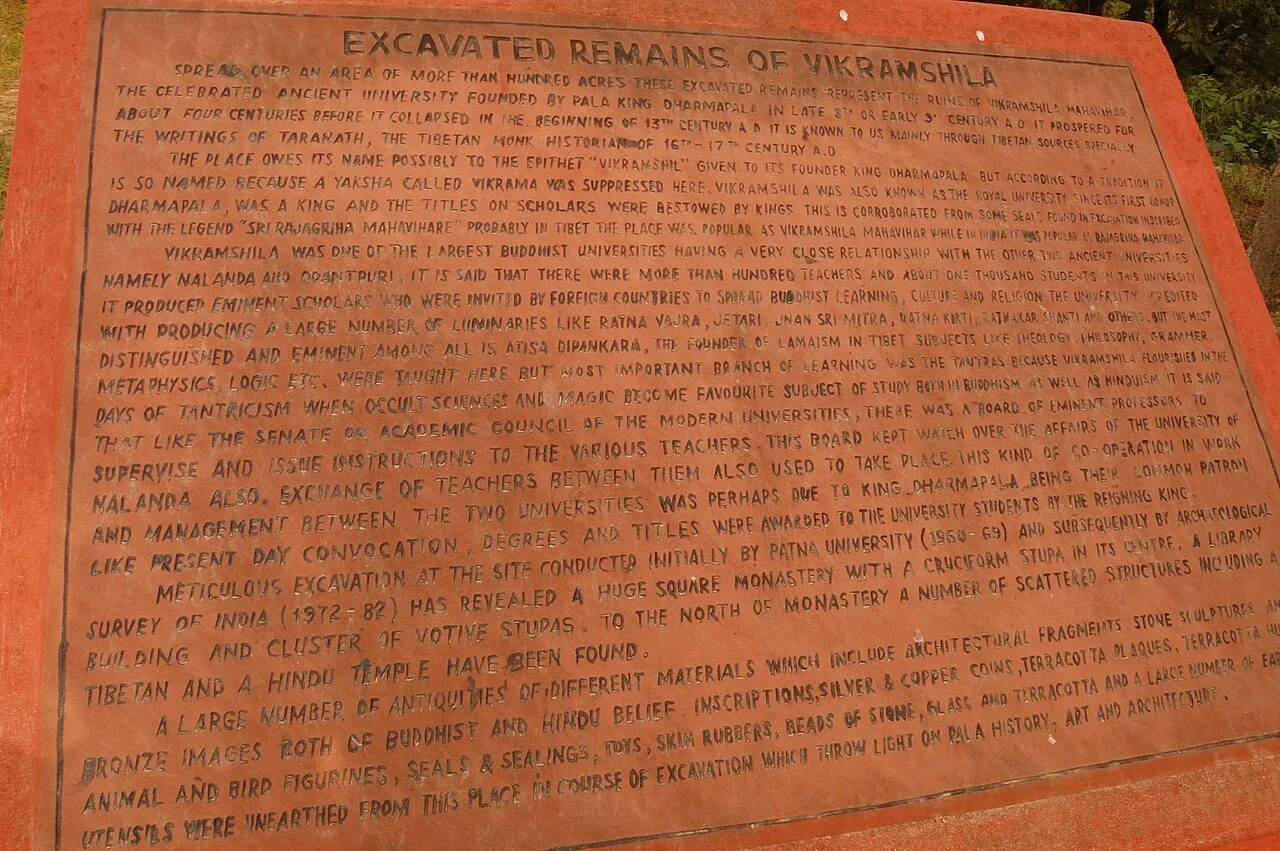
Vikramshila University Ruins mark a major Buddhist centre of learning in Bihar. Visitors come to explore the site and learn about its scholars and place in Buddhist education.

Katihar

120 km away · Purnia district

Katihar

Katihar is a major city in Bihar, known for its regional commercial, educational and administrative roles. Travellers also use it as a railway hub linking routes towards North Bengal and the north-east.

Sitamarhi

120 km away · Sitamarhi district

Sitamarhi

Sitamarhi is a city in Bihar’s Tirhut Division and the administrative centre of its district. Visitors are drawn by the Hindu tradition linking it to Sītā’s birth.

Vishwa Shanti Stupa

135 km away · Gaya district

Vishwa Shanti Stupa

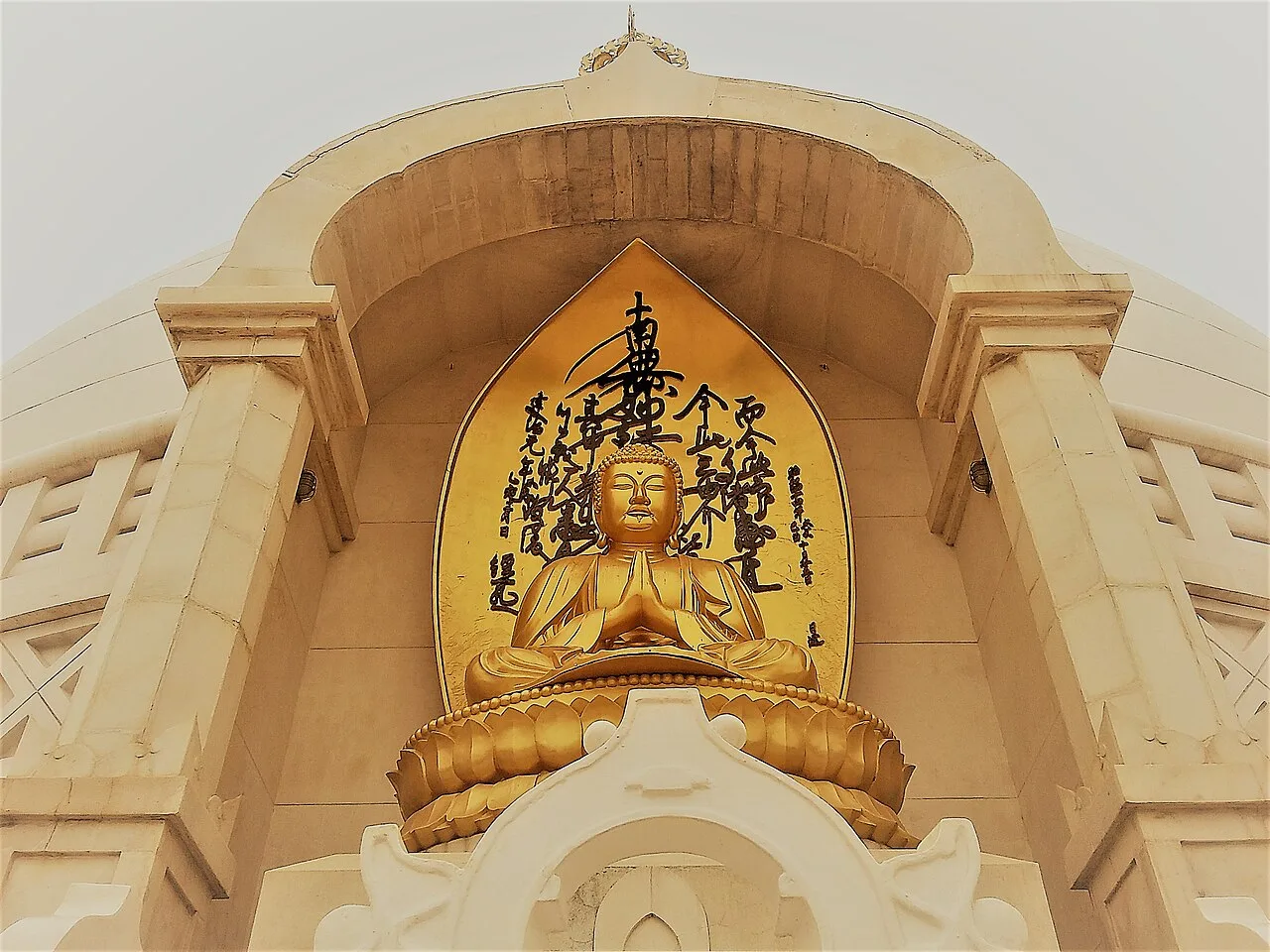
Vishwa Shanti Stupa is a white Buddhist pagoda in Rajgir, visited for its Buddha statues, nearby Japanese temple and park, and prayers for peace.

Map

Bairo on the map

  1. 1Madhubani
  2. 2Darbhanga
  3. 3Munger Fort
  4. 4Bhimbandh Wildlife Sanctuary
  5. 5Vikramshila University Ruins
  6. 6Katihar
  7. 7Sitamarhi
  8. 8Vishwa Shanti Stupa

Bihar

Other cities to explore