
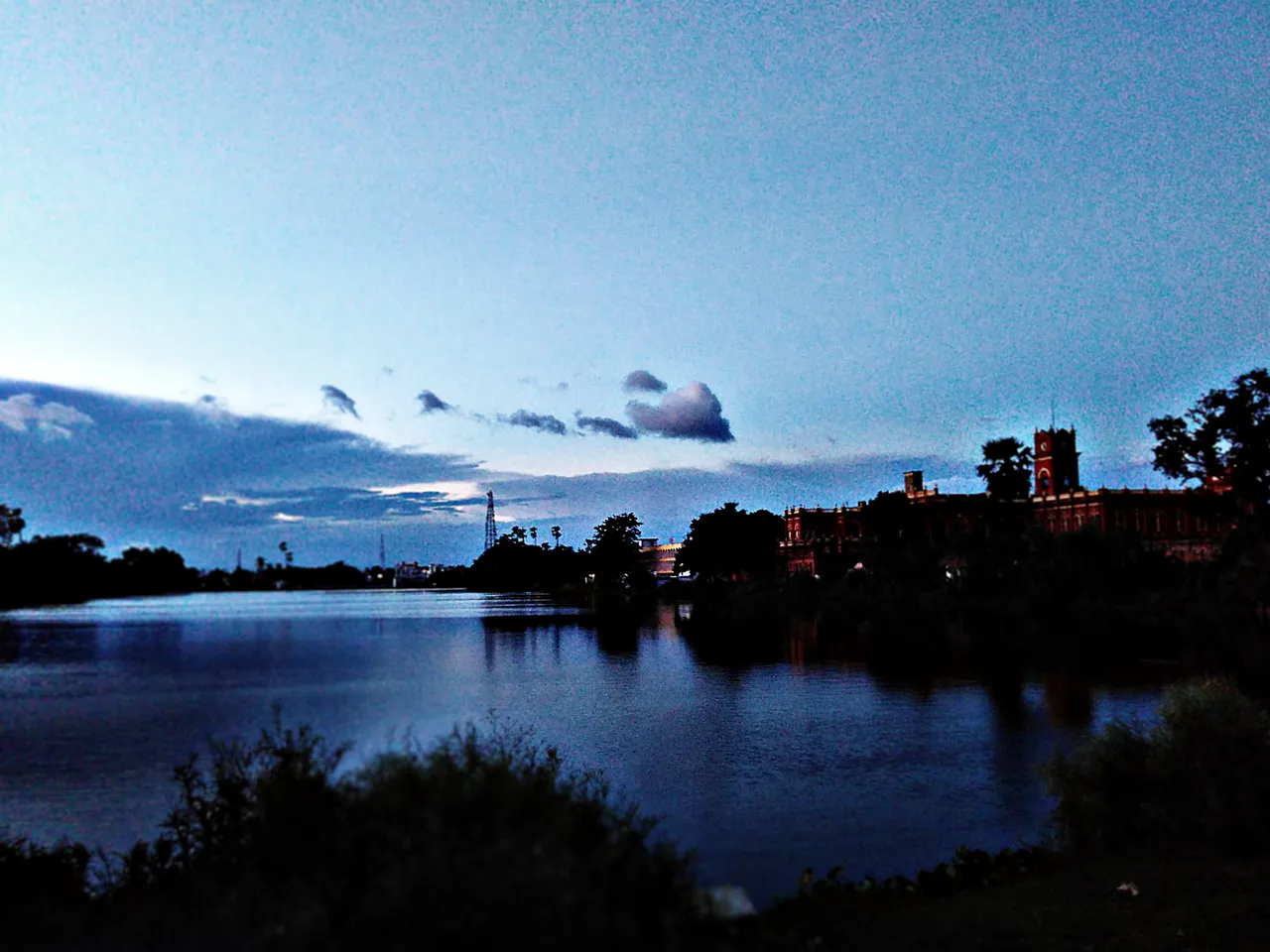
Darbhanga
Darbhanga is a major city and municipal corporation in Bihar, serving as the administrative centre of its district and division. Visitors encounter a longstanding centre of Mithila’s cultural, literary and musical traditions.
Key facts · verified by Ghumoopedia editors
- Type of place
- Destination
- Best time to visit
- October to March
- Nearest railway station
- Darbhanga Junction · about 5 km (straight line)
- Nearest airport
- Darbhanga Airport · about 5 km (straight line)
- Verified
- 21 Nov 2026
Plan a trip from Darbhanga — a day-by-day route through places nearby.
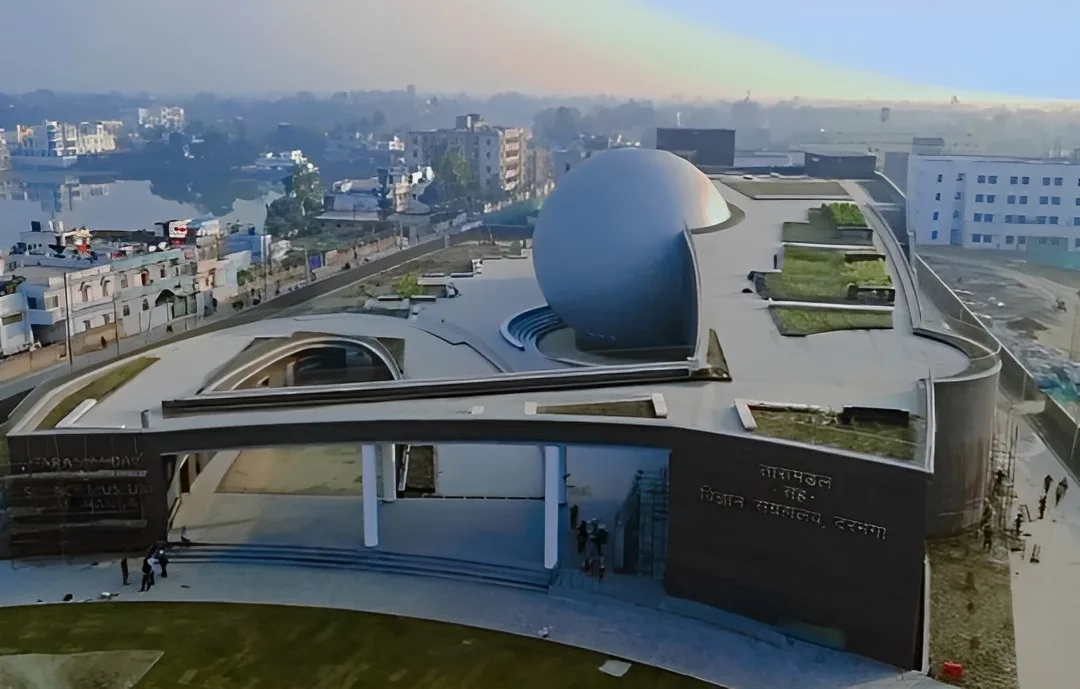
Located in Bihar’s Darbhanga district, the city is among the state’s largest urban centres and has municipal corporation status. It is the administrative headquarters for both the district and the Darbhanga division, and holds an important place in North Bihar. The description gateway to Bengal is linked to a proposed origin of its name: Dwār Banga or Dari-Banga, understood as door to Bengal. Darbhanga was formerly governed by the Khandwala zamindar dynasty during the Mughal period and British rule. The city is a significant medical hub for North Bihar. Darbhanga Medical College and Hospital is based here, while AIIMS Darbhanga, planned as Bihar’s second AIIMS, is to be built in the city. It is also the state’s second city to have a Software Technology Park of India (STPI) centre. Metro services are expected by the close of 2029: the proposed Darbhanga Metro plan comprises an 18.8-kilometre route and 18 stations. Darbhanga is regarded as one of India’s oldest cities and is closely associated with Mithila. Its cultural life draws on traditions in Maithili, Sanskrit, Urdu and Hindi, including music, folk arts and literature, sustained across generations. The city is widely identified with the cultural heritage of Bihar and as a central place within Mithila. On 29 October 2025, Union Home Minister Amit Shah announced plans for a large Mithila Cultural Museum in Darbhanga, intended to safeguard the region’s cultural inheritance. Bihar is the heart of ancient Magadha — the land of the Buddha's enlightenment, the Mahavihara of Nalanda, the Mauryan capital Pataliputra, Jain tirthankara Mahavira and the Maithili and Bhojpuri cultures. Bihar has very hot summers from April to June, a monsoon from June to September that can flood low-lying areas, and cool, pleasant winters from November to February with foggy mornings in December and January. The usual best time to visit is October to March. Timings, fees and access arrangements must be confirmed locally. For official information, see Bihar Tourism at https://tourism.bihar.gov.in.
Why it matters
Darbhanga is an important city in North Bihar and the headquarters of Darbhanga district and division. It is widely associated with Mithila, a cultural region known for Maithili language, literature and artistic traditions; the city is often called the cultural capital of Bihar, though this is an informal description rather than an official title. The city also serves as a medical, educational and transport centre for surrounding districts. Darbhanga Medical College and Hospital is a major regional institution. The Darbhanga Raj, the former local zamindari estate, left a lasting mark on the city’s history and built environment. No UNESCO World Heritage designation or general ASI protection for the city as a whole is established; check individual sites for their status.
The name Darbhanga is traditionally explained as coming from “Dwar Banga” or “Dari-Banga,” meaning a gateway to Bengal, although the derivation is not certain. The city’s history is closely connected with the Khandwala family, whose estate became known as the Darbhanga Raj. Mahesh Thakur is traditionally credited with founding the dynasty after receiving authority over Mithila from Mughal emperor Akbar in the late sixteenth century; accounts of the grant and early history vary. Under the Mughals and later the British, the family’s zamindari estate made Darbhanga an important administrative and cultural centre. Raj-era residences and institutions shaped the town, although buildings have since had varied uses and states of upkeep. The British-era district administration further consolidated the city’s regional role. After Indian independence and the abolition of zamindari, the estate’s political and economic position changed, while Darbhanga continued as a district and divisional headquarters. The city’s medical and educational institutions expanded its importance in North Bihar. There is no single restoration history for Darbhanga’s heritage buildings; check the condition and access arrangements of individual sites locally.
Use Darbhanga as a base to understand local life: walk through the market, look for local crafts and ask your host about nearby viewpoints and short excursions. Always ask before photographing people, homes or ceremonies. A comfortable itinerary is one main visit in the morning, a local meal at midday and a short nearby stop before an afternoon return. Use the district list on this site to find other places in Darbhanga, but check the route and its condition before combining stops. If a festival or fair is on — such as Chhath or the Sonepur fair — roads and stays can be busy, and the experience can be unforgettable. Leave no litter: many sites are protected by the communities around them.
Suggested itineraries
Half day: Morning visit to Shyama Mai Temple (allow 1–2 hours), a relaxed market walk and tea or a local meal (1–2 hours); check access before visiting a museum or heritage property. Full day: Begin at Chandradhari Museum if open (1–2 hours), visit Shyama Mai Temple and a Raj-era area from public routes (2–3 hours), pause for a Maithil meal, then take a short market walk (1–2 hours); allow time for local travel. Gentler option: Choose one accessible stop, such as a nearby temple or museum after checking entry arrangements, use a taxi between locations and take breaks indoors.
Darbhanga is part of the Mithila cultural region, and Maithili is widely spoken alongside Hindi and Urdu. Sanskrit has a long scholarly association with the area. Maithili songs, oral storytelling and literary traditions remain part of community and family life; folk forms and classical music are also associated with the city. Mithila painting is a well-known regional art, though production and styles vary across the region. Traditional Maithil clothing and ceremonial customs are especially visible at weddings and religious occasions. Visitors may encounter local practices around household shrines, markets and festivals. Ask before photographing people, homes, performances or ceremonies, and follow local guidance on respectful dress and conduct at places of worship.
Festivals & events
Chhath, observed in autumn and again in spring, is an important festival in the region; worshippers gather at water bodies, and access nearby can become crowded. Durga Puja and Diwali bring public celebrations and busy markets. Maithili traditions include Sama-Chakeva in the post-monsoon season and Madhushravani during the monsoon, with customs varying between communities. Holi is also widely observed. Religious gatherings and local fairs may affect traffic, accommodation and access to central streets or temple areas. Dates follow local calendars and change from year to year, so check with residents or local authorities before planning around a particular celebration.
Local food in Bihar includes litti chokha, sattu paratha, khaja (a layered sweet from Silao), tilkut and anarsa from Gaya, makhana (fox nuts) from the Mithila region, chana ghugni, malpua and thekua. Ask what is fresh that day; many small eateries cook a limited daily menu. Vegetarian travellers eat very well across this region, and most towns also have non-vegetarian options. Remote sites may have no restaurant at all. Carry water and snacks, eat a proper breakfast before long drives, and ask your accommodation for a packed lunch if you are heading out early. Try a home-cooked or dhaba meal when you can — it is often the best food on the route. Choose busy, clean places, drink sealed or filtered water, and carry your packaging back with you.
Shopping & local experiences
Explore city markets for everyday Maithil goods, textiles, festival items and regional food products. Makhana, a local speciality of the wider Mithila region, is commonly sold in different forms; look for sealed, clearly labelled products for travel. Mithila paintings and sikki-grass craft are regional arts, but their source and production vary, so ask sellers about the maker and materials. A paag, the traditional Maithil headgear, may be found through local sellers. Try Maithil dishes such as fish preparations, tarua or makhana-based sweets where available. Bargain politely and ask before photographing artisans or stalls.
October to March
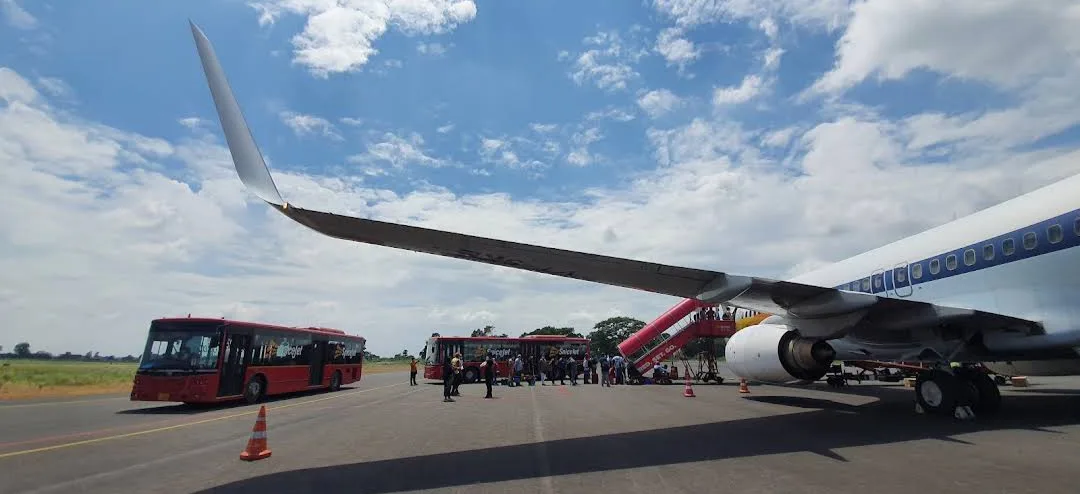
The nearest principal railway station by straight-line distance is Darbhanga Junction, roughly 5 km away. The nearest operating airport by straight-line distance is Darbhanga Airport, roughly 5 km away. These figures are calculated from map coordinates — actual road distance is longer. Patna Junction, Rajendra Nagar Terminal and Gaya Junction are the main rail gateways, and Patna and Gaya have airports; Varanasi airport serves the west of the state. For the final leg, Bihar State Road Transport Corporation (BSRTC) buses, private coaches and shared jeeps and autos link district towns; shared jeeps usually leave early in the morning. A private taxi gives more flexibility for remote sites. When comparing train, bus and flight, count the complete door-to-door time: a flight saves the most time only if the onward road transfer is short, while an overnight train can save a hotel night. Book your return before you leave, because seats fill quickly on weekends, festivals and holidays. Current train numbers, timings, return services and fares are not listed here; check IRCTC and NTES for trains and the airline's own schedule for flights. No permit is needed to visit Bihar. Buddhist circuit sites such as Bodh Gaya, Rajgir, Nalanda and Vaishali welcome visitors of all backgrounds; dress modestly at temples, monasteries and dargahs. The Sonepur fair, Chhath Puja and the Rajgir Mahotsav draw very large crowds, so book transport and stays well ahead.
Confirm onward and return timings on IRCTC / NTES, the state bus operator or your airline before travel. A dash means current timings or fares have not been verified.
Getting around
Autos and cycle-rickshaws are practical for many short trips around the city; taxis or hired cars suit longer journeys and visits outside the centre. Local buses and shared vehicles may serve common routes, but coverage and availability can vary, so check locally. Darbhanga Junction and Darbhanga Airport are arrival points for rail and air travellers; arrange onward transport on arrival rather than assuming a particular service is available. Walking can work for a short market or neighbourhood visit, but pavements may be uneven or obstructed. Ask about parking before driving to busy temples or market areas.
Hours, tickets & permissions
Darbhanga is a working city rather than a single ticketed attraction. Public streets and markets have no shared entry system, while temples, museums and heritage properties may set their own visiting rules. Some sites may require tickets, permission, identity details, or restrictions on bags and photography; rules can differ by venue and occasion. Dress respectfully at religious sites and follow instructions around ceremonies. Confirm current opening arrangements, entry requirements and any fees directly with the managing authority before setting out, as access can change for maintenance or events.
Facilities
Darbhanga has accommodation, restaurants, shops, banks and medical services, with more options around busy commercial areas and transport hubs. Toilets and drinking water are usually easier to find in larger institutions, hotels and some public venues than on heritage streets; check locally and carry water. ATMs are available in the city, but it is sensible to keep a backup payment method. Parking may be limited near markets and places of worship. Guided visits are not guaranteed at every attraction, so ask the site or a local host in advance. Facilities at smaller sites outside the city can be basic.
Accessibility
The city includes busy roads, uneven pavements, open drains and crowded market lanes, which can make walking difficult. Conditions vary by neighbourhood and individual attraction. Temples and older buildings may have steps, narrow entrances or uneven floors; do not assume ramps, lifts or accessible toilets are available. A wheelchair or stroller may be manageable at some modern venues, but access should be checked directly before visiting. Elderly visitors may prefer a taxi between stops, a companion on uneven ground and frequent rest breaks. Shade is inconsistent on streets, so plan pauses away from the midday heat.
No permit is needed to visit Bihar. Buddhist circuit sites such as Bodh Gaya, Rajgir, Nalanda and Vaishali welcome visitors of all backgrounds; dress modestly at temples, monasteries and dargahs. The Sonepur fair, Chhath Puja and the Rajgir Mahotsav draw very large crowds, so book transport and stays well ahead. Carry a photo ID at all times and save the emergency number 112 and your accommodation's contact offline. Heat in summer and fog in winter are the main weather risks; carry water and allow extra travel time on foggy December–January mornings. Respect community rules, private property and posted instructions. Follow local guidance if access changes.
Photography
Soft morning or late-afternoon light is generally comfortable for photographing streets and exterior architecture; public viewpoints may be limited, so avoid blocking entrances or traffic. Photography rules vary inside museums, temples and private or former estate properties, and some venues may restrict cameras or flash. Ask permission before photographing people, homes, children, religious ceremonies or performers. Drone use may be restricted by aviation rules or local authorities, particularly near airports and crowded sites; check current permissions before bringing or flying one. Be discreet and do not interrupt worship or community activities for a photograph.
Choose a stay by the full journey to Darbhanga, not just the district name. Patna, Gaya and Bodh Gaya offer the widest choice, from pilgrim dharamshalas to international hotels; monastery guesthouses in Bodh Gaya are good value. In summer, check air-conditioning or coolers; in December and January, check hot water. Book in advance for weekends, festivals and the peak season (October to March). Confirm the exact location, meals included, check-in time and cancellation terms in writing. Avoid sending money to unverified contacts or touts at stations. Carry some cash, as card and digital payments can be unreliable in remote areas.
Within the city, Shyama Mai Temple and Chandradhari Museum are established places to consider, subject to current access. Darbhanga Raj-era buildings and grounds can be seen in parts of the city, but ownership and public entry vary; do not assume interiors are open. Ahilya Asthan, a temple-associated site in the district, may suit a separate excursion. Kusheshwar Asthan Bird Sanctuary is another district destination, especially for visitors interested in wetlands and birds; seasonal conditions affect what can be seen. Madhubani town is a nearby regional excursion associated with Mithila painting. Check road conditions, access and travel time locally before combining stops.
For couples, Darbhanga rewards a slow pace: arrive early for soft light and fewer crowds, share a local meal and keep the evening free. Sunset on the Ganga at a Patna ghat or an evening under the Bodhi tree's descendant at Bodh Gaya is quietly memorable. Public displays of affection can be frowned upon in conservative communities and at religious sites, so be discreet. Keep a buffer in your itinerary, because weather and road conditions can delay plans.
Q: How much time should I allow for Darbhanga? A: Half a day can cover a city visit; allow a full day if you want to include a museum, market and a nearby excursion. Q: When is a comfortable season to visit? A: October to March is generally more comfortable. Summers can be very hot, while monsoon rain may affect low-lying areas and travel. Q: Do I need tickets or permits? A: The city itself has no general entry ticket. Individual museums, temples or heritage properties may have their own rules; confirm with the managing authority. Q: Is Darbhanga suitable for children and older visitors? A: It can be, but crowds, uneven pavements and steps may be tiring. Use transport between stops, take breaks and check site access in advance. Q: Can I find accommodation nearby? A: The city has accommodation options, but availability and facilities vary. Check location, access and current arrangements before booking, especially during festivals.
Be the first to share photos, stories, advice or a helpful contact for Darbhanga.
Loading…