
District · Bihar
Darbhanga
Darbhanga is a useful base for exploring the Mithila region of north Bihar and offers a view of a district where urban life, village landscapes and Maithili culture meet.
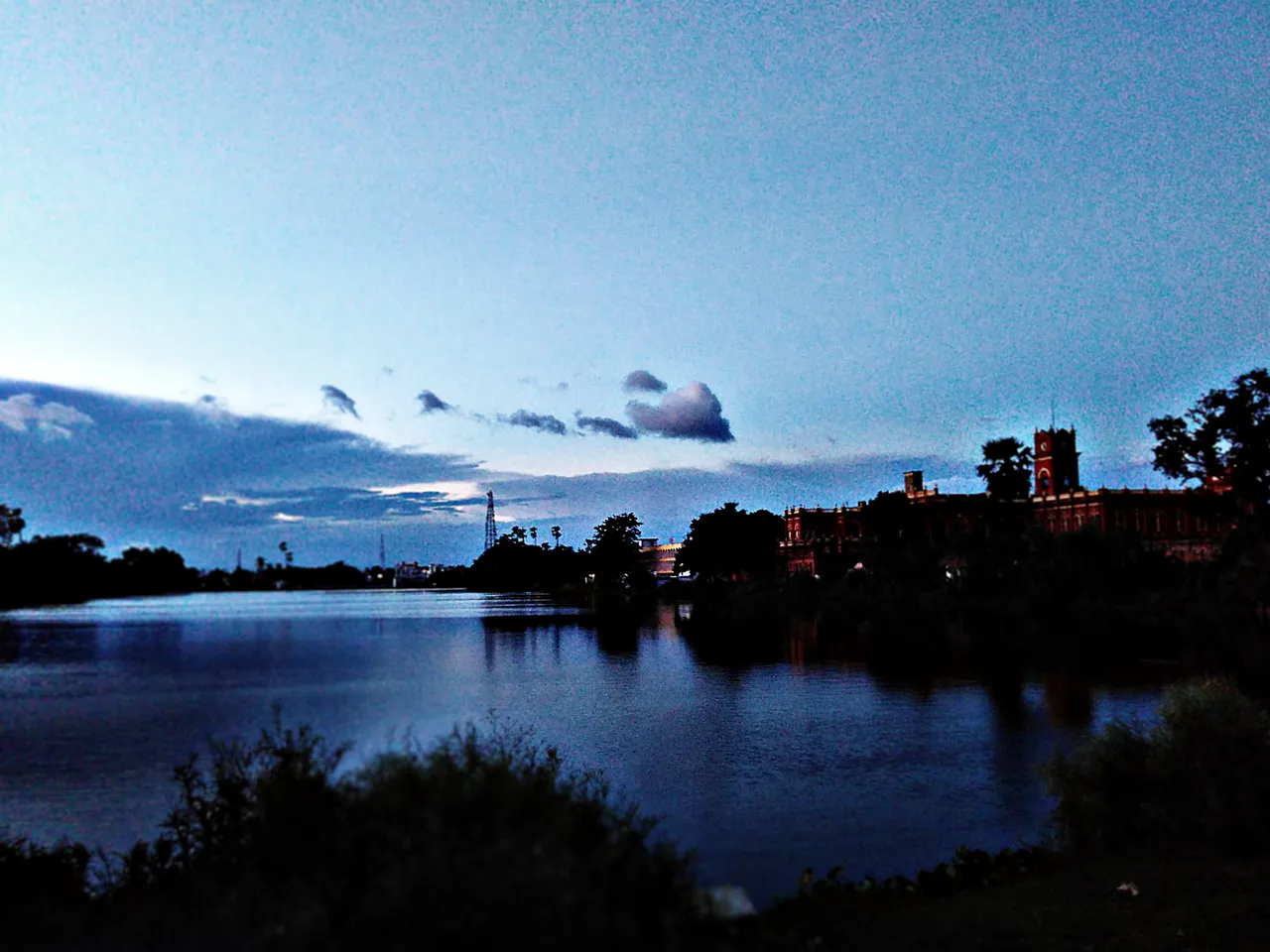
Darbhanga district lies in the fertile plains of north Bihar, within the cultural region of Mithila. Its landscape combines cultivated fields, village settlements, ponds and river channels, with monsoon flooding shaping life in many rural areas. Darbhanga city is an important urban centre, known for its association with the Darbhanga Raj, whose patronage supported education, music and religious institutions. Surviving palace buildings and temple complexes recall this aristocratic past. Maithili language and literary traditions remain central to the district’s identity, alongside a strong culture of festivals and family rituals. For visitors, Darbhanga offers an introduction to Mithila through its historic urban spaces, everyday markets and surrounding countryside.
Darbhanga is a useful base for exploring the Mithila region of north Bihar and offers a view of a district where urban life, village landscapes and Maithili culture meet. The city is particularly associated with the Darbhanga Raj, whose legacy can be seen in palace buildings and religious institutions, and with patronage of education and the arts. Maithili language, literature and family traditions remain important across the district. Visitors can combine historic places and busy markets in Darbhanga with a sense of the surrounding alluvial countryside. It is best known as a cultural and administrative centre rather than as a hill, forest or resort destination.
Darbhanga lies within the historic region of Mithila, associated in ancient traditions with the kingdom of Videha. The region’s recorded history includes periods of rule by different eastern Indian powers, though political boundaries and authority changed over time. In the early modern period, the Khandavala family established the Darbhanga Raj, which became a major landed estate under British rule. Its rulers supported educational, musical and religious institutions, and the city developed as an important centre in north Bihar. The British colonial administration incorporated the area into its district system; Darbhanga district was formed in 1875. After independence and the abolition of zamindari, the Raj’s political and landholding role ended, although its built legacy remains visible. In 1972, Madhubani and Samastipur were separated from the former Darbhanga district, leaving the present district with Darbhanga city as its principal urban centre. Mithila’s language and cultural practices have continued across these administrative changes.
Food in Darbhanga reflects the cooking traditions of Mithila and the wider Bihari region. Rice, dal, seasonal vegetables and fish feature in many households, while vegetarian travellers will also find plenty of choices. Makhana, or fox nuts, is closely associated with Mithila and is eaten roasted or used in dishes such as kheer. Litti chokha, sattu preparations and chana ghugni belong to the broader Bihari food repertoire. Thekua is especially associated with Chhath observances, while malpua appears among festive sweets. Ask small eateries what has been freshly prepared, and carry drinking water and snacks when visiting rural sites.
Darbhanga belongs to the wider Mithila cultural landscape, best known artistically for Mithila or Madhubani painting. This regional tradition draws on ritual wall and floor decoration, with subjects including deities, marriage imagery, plants and animals; contemporary artists also work on paper and cloth. Aripan, decorative floor designs traditionally made with rice paste, remains an important expression of Mithila’s ceremonial art. Sikki grass work, including baskets and decorative objects, is another craft associated with the wider region. When buying, ask about the maker and place of production rather than assuming every item sold locally was made in Darbhanga.
Chhath, observed mainly in autumn and again in spring, is among the most prominent festivals in the region; ponds and other water edges become important places of worship, and local travel can be busy. Durga Puja, Diwali and Holi are also widely observed. Sama-Chakeva, a Maithili festival usually held in the post-monsoon season, reflects local family and folk traditions. Weddings and other family ceremonies can add to demand for transport and accommodation, especially in the city. Visitors should arrange rooms ahead during major festivals and expect crowded markets and altered routines around celebrations.
Elsewhere in Bihar
Darbhanga is part of the flat, fertile alluvial plains of north Bihar. Cultivated fields, villages, ponds and river channels shape the rural landscape; rivers including the Bagmati and Kamla-Balan systems influence drainage and seasonal water levels. There are no major hills or extensive forests in the district. Monsoon rain can bring flooding or waterlogging, affecting road access and lengthening journeys, especially in rural areas. In drier months, travel across the plains is generally more straightforward, though village roads may still be uneven.
The district has hot summers, a rainy monsoon season and cooler, comparatively dry winters. Summer heat can make midday sightseeing tiring, while monsoon conditions may bring heavy rain, flooding and disrupted road journeys. Winter is usually the most comfortable season for exploring the city and countryside. The months after the monsoon and through winter are generally the best time to visit, while checking local conditions remains important. Pack light, breathable clothing for warm weather, a rain layer and footwear suited to wet or uneven streets. In winter, bring a light warm layer, particularly for mornings and evenings.
Darbhanga Airport is the main local air gateway, while Darbhanga Junction is the principal railway station for reaching the city. Road connections link Darbhanga with Muzaffarpur, Madhubani, Samastipur and Patna, with buses and hired cars providing onward travel. Within the city, auto-rickshaws, e-rickshaws and taxis are practical options; reaching villages or scattered rural sights may require a hired vehicle and advance planning. Allow extra time during the monsoon, when waterlogging or flooding can affect road journeys. Check current services locally.
Darbhanga city is the district’s main transport hub, with auto-rickshaws, e-rickshaws and taxis useful for moving between urban sights. Local buses and shared vehicles connect the city with towns and larger villages, but services and onward connections may vary. A hired car is practical for visiting scattered rural places or travelling on a flexible schedule. Roads link Darbhanga with nearby district centres and major towns in north Bihar. Boats are not a routine sightseeing option, though local crossings may be affected by high water during floods. Confirm conditions locally before setting out.
2 days: Darbhanga on both days; sleep in Darbhanga after day 1. 3 days: Darbhanga on all three days, allowing more time for the city and nearby countryside; sleep in Darbhanga after nights 1 and 2.
Darbhanga city is the most practical base for both short visits and longer district explorations, with the widest choice of ordinary hotels and access to local transport. Homestays may be available in the wider region but should be arranged in advance. Government accommodation or dharamshalas can be options where locally available, though facilities and booking arrangements vary. For village visits, staying in the city and travelling out by hired vehicle is generally simpler than relying on finding accommodation in smaller settlements.
Check weather and local flood advisories during the monsoon, as waterlogging and damaged or submerged roads can disrupt journeys. Use safe drinking water and take ordinary precautions with food and heat. Rural roads may be uneven, and travel after dark can be less convenient because of road conditions and limited services. Crowds increase around festivals, so keep personal belongings secure and allow extra time. Mobile connectivity is generally more reliable in towns than in some rural areas. There is no routine permit requirement for ordinary sightseeing in the district; confirm officially if a particular restricted site or event has separate rules.
- Madhubaniabout 27 km
- Sitamarhiabout 62 km
- Vaishaliabout 81 km
- Saranabout 89 km
- Patnaabout 98 km
- Mungerabout 107 km
- Nalandaabout 124 km
- East Champaranabout 138 km
Straight-line distance between the centres of each district's destinations; road distance is longer.
Q: How many days should I spend in Darbhanga district? A: Two days can introduce the city; allow three if you want a slower visit or time for nearby countryside. Q: When is the best time to visit? A: The post-monsoon months and winter are generally the most comfortable; check flood and road conditions during the rainy season. Q: What is the best base for exploring the district? A: Darbhanga city is the most practical base, with transport links and the broadest choice of accommodation. Q: How do I get to Darbhanga? A: Darbhanga Airport and Darbhanga Junction serve the city; road links and onward services connect it with other centres in Bihar. Check current services before travelling. Q: Is Darbhanga suitable for families or elderly travellers? A: Yes, particularly with a city-based stay and planned transport. Choose accessible accommodation and allow extra time in heat, crowds or monsoon conditions.
This page draws on our 1 destination guides for Darbhanga and is updated as our team checks it.
Be the first to share photos, stories, advice or a helpful contact for Darbhanga.
Loading…