
District · Bihar
Jehanabad
Jehanabad offers a compact view of south-central Bihar, where farming villages and cultivated plains meet the rocky Barabar Hills.
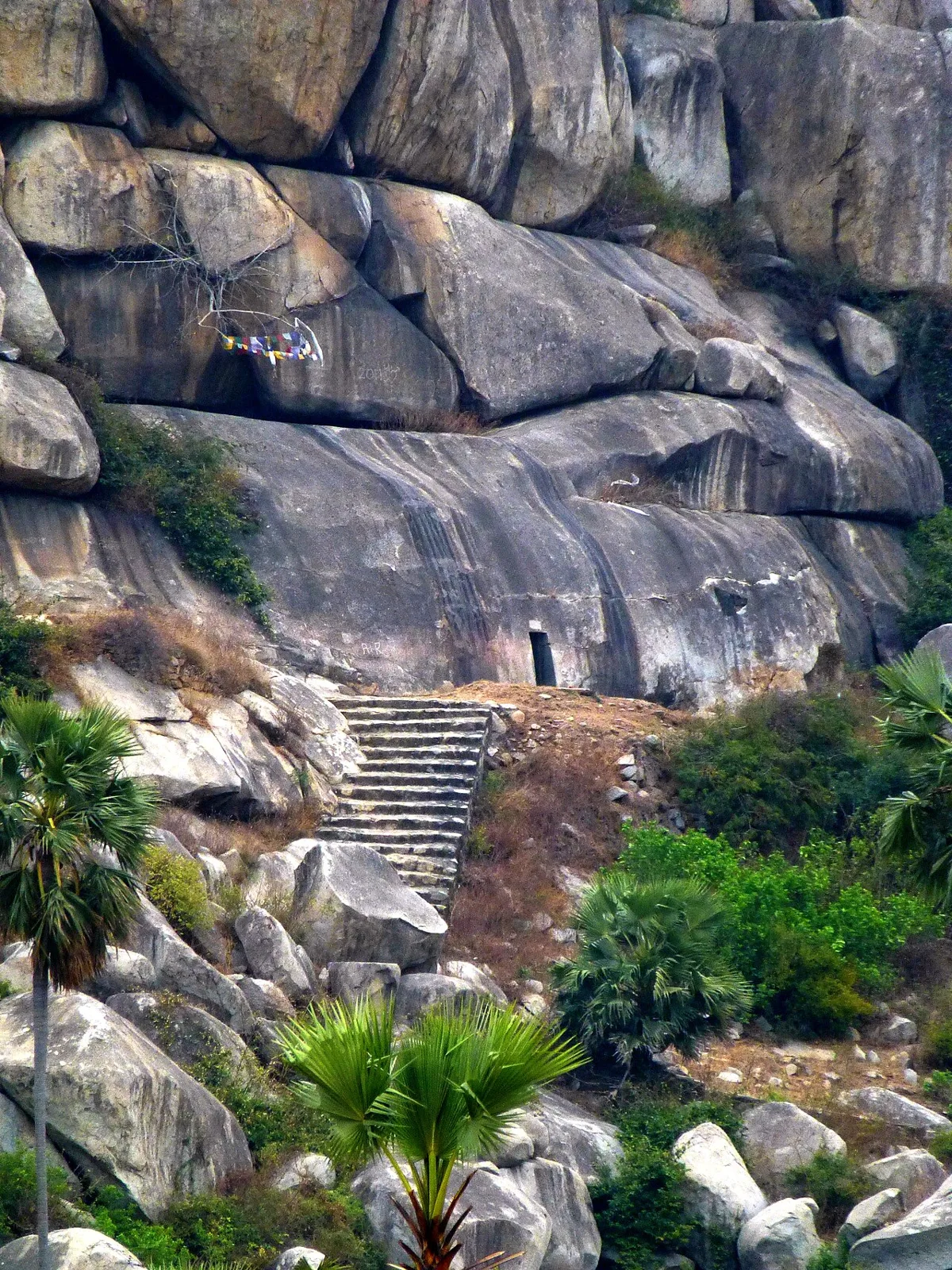
Jehanabad lies in south-central Bihar, where cultivated plains and closely spaced villages give way to rocky outcrops around the Barabar Hills. Agriculture shapes much of the district’s everyday character, while its most celebrated heritage reaches back to the Mauryan period. The Barabar Caves, in the Makhdumpur area, are the oldest surviving rock-cut caves in India; some carry inscriptions of Emperor Ashoka. Their carefully finished interiors offer a striking contrast to the rugged granite outside. Jehanabad town is the district’s administrative and commercial centre. For travellers, the district offers a quieter encounter with Bihar’s rural landscape and early architectural history, within reach of Gaya and Patna.
Jehanabad offers a compact view of south-central Bihar, where farming villages and cultivated plains meet the rocky Barabar Hills. Its best-known attraction is the Barabar Hill Caves near Makhdumpur, among India’s oldest surviving rock-cut caves. Dating to the Mauryan period, they include caves with Ashokan inscriptions and finely polished interiors that reward a visit for their history and craftsmanship. Jehanabad town is the district’s administrative and commercial centre, and the district lies on the Patna–Gaya corridor, making it a possible side trip for travellers exploring the region. The appeal is a quieter combination of early historic heritage and everyday rural landscapes rather than a large circuit of monuments.
The area now known as Jehanabad forms part of the wider Magadha region, whose successive early kingdoms included the Haryanka, Shishunaga and Nanda dynasties before the rise of the Mauryan Empire. The Barabar Hills preserve especially direct evidence of this period: several caves were excavated in the third century BCE, and inscriptions associate some with Emperor Ashoka and the Ajivika community. Other caves in the hills are linked by inscriptions to Dasharatha, Ashoka’s successor. In later centuries, the region passed through the political changes that shaped Bihar, including medieval and Mughal-era rule; local history is also tied to the agrarian society of the central Gangetic plain. Under British rule, the area was administered within the Gaya district. Jehanabad became a separate district in 1986, carved out of Gaya district. Its modern identity combines its administrative role and agricultural hinterland with the much older archaeological landscape of Barabar.
Food in Jehanabad shares the hearty traditions of the wider Bihar region. Litti chokha, combining roasted dough balls filled with seasoned sattu and mashed vegetables, is a familiar choice, alongside sattu paratha and chana ghugni. Everyday meals commonly centre on rice or roti, dal and seasonal vegetables. Thekua and malpua belong to Bihar’s broader sweet-making traditions, while nearby Gaya is known for tilkut and anarsa. Availability varies, especially at small eateries with limited daily menus. Ask what has been freshly prepared, and carry drinking water and snacks when visiting the Barabar Hills, where food facilities may be limited.
Jehanabad’s best-known artistic heritage is ancient stone craftsmanship, visible in the Barabar Caves’ precise excavation and highly polished interiors. This is an archaeological legacy rather than evidence of a present-day souvenir industry. For living craft traditions, look to Bihar more broadly: Madhubani painting is associated with Mithila, while Bhagalpur is known for silk weaving. Neither should be presented as a Jehanabad speciality. If buying regional textiles or paintings, ask where they were made and whether the seller can identify the artisan or production centre.
Chhath is widely observed in Bihar, including Jehanabad, in autumn and again in spring; families gather at water bodies for prayers, and popular sites can be busy. Holi in spring and Diwali in autumn bring community celebrations and some local travel. Eid is observed by Muslim communities, with prayer gatherings and family visits. Village fairs and religious gatherings may take place around local shrines, though their scale and timing vary. During major festivals, transport can be crowded and accommodation in town may be more in demand, so visitors should check locally and plan ahead.
Elsewhere in Bihar
Most of Jehanabad is gently rolling to level agricultural country, with closely spaced settlements and fields crossed by local roads and waterways. The Dardha and other river channels shape parts of the district; water levels and road conditions can change during the monsoon. The Barabar Hills rise distinctly from the plains, with exposed granite around the caves and uneven paths on the hill. Tree cover is more noticeable around settlements and hill slopes than across the open farmland. Travelling between the town and the caves is generally a road journey, but the final approach and hill visit call for time and sturdy footwear.
Jehanabad has hot summers, a monsoon season and cooler winters. Summer heat can make outdoor visits tiring, especially around the exposed Barabar Hills, so carry water, sun protection and light clothing. Monsoon rains bring greener fields but can make rural roads, tracks and hill paths slippery or slower to travel. Winter is usually the most comfortable season for sightseeing. October to March is generally a good period to visit, while checking local conditions before departure is sensible. Pack a hat and sunscreen for the caves, comfortable walking shoes, and a light warm layer for winter mornings and evenings.
Jehanabad is accessible by road and rail along the Patna–Gaya corridor. Jehanabad railway station serves the district headquarters, while Gaya Junction is a useful gateway for the Barabar Caves. Gaya Airport is convenient for the district’s southern attractions; Patna Airport is another option, depending on available flights and your wider itinerary. Buses and shared vehicles connect towns along the main roads, with auto-rickshaws useful for shorter journeys. For Barabar, a hired car or locally arranged vehicle can simplify the final approach and return trip. Check current services locally.
Jehanabad town is the main local transport hub, with road connections along the Patna–Gaya corridor and routes towards Makhdumpur and the Barabar Hills. Local buses and shared vehicles serve towns and larger villages, but services may be less convenient for reaching the caves and returning on the same outing. Auto-rickshaws are useful for shorter trips within town. A hired car or locally arranged vehicle is often the simplest option for the Barabar visit, particularly for groups or travellers with limited time. Confirm the return arrangement locally, as rural services may be less frequent later in the day.
2 days: Jehanabad town → Barabar Caves; sleep in Jehanabad both nights. 3 days: Jehanabad town → Barabar Caves; sleep in Jehanabad each night, allowing an unhurried visit and time for local travel.
Jehanabad town is the most practical base for a short district visit, with general-purpose hotels and guest accommodation. It suits travellers arriving by rail or road and those arranging a vehicle to Barabar. Makhdumpur may be convenient for a visit focused on the caves, but the range of visitor accommodation can be limited; check availability before relying on it as a base. Homestays, government lodges and dharamshalas may be available in the wider area, but provision varies and should be confirmed locally. Gaya is an alternative base for a broader regional itinerary, though it is outside the district.
The Barabar approach includes exposed, uneven rock and steps or paths that may be slippery after rain; wear secure footwear and avoid climbing beyond established routes. Carry drinking water and sun protection, and use safe, treated or sealed water. Monsoon conditions can slow rural road travel, so check the route locally and avoid rushing the return. Wildlife is not generally a principal visitor concern, but avoid disturbing animals or entering scrub. Mobile connectivity can vary outside town. Keep valuables secure in crowded festival settings. No special visitor permit is generally associated with the caves, but confirm current access rules with official local sources before travelling.
- Gayaabout 35 km
- Nalandaabout 41 km
- Nawadaabout 66 km
- Patnaabout 67 km
- Aurangabadabout 75 km
- Saranabout 78 km
- Chatra · Jharkhandabout 79 km
- Koderma · Jharkhandabout 89 km
Straight-line distance between the centres of each district's destinations; road distance is longer.
Q: How many days should I spend in Jehanabad? A: One or two days can cover Barabar Caves at a relaxed pace; allow longer if using Jehanabad as part of a wider regional trip. Q: When is the best time to visit? A: October to March is generally the most comfortable period, with cooler conditions for the hill visit. Q: What is the best base for visiting Barabar Caves? A: Jehanabad town is the most practical base within the district; Gaya can work for a wider itinerary. Q: How do I get to Jehanabad and the caves? A: Jehanabad is served by rail and road on the Patna–Gaya corridor. From town, arrange a local vehicle or check available shared transport to Barabar. Q: Are Jehanabad and Barabar Caves suitable for families or elderly travellers? A: Families can visit, but the uneven hill paths may be challenging for some elderly travellers or anyone with limited mobility. Plan for rests and assess the route on arrival.
This page draws on our 1 destination guides for Jehanabad and is updated as our team checks it.
Be the first to share photos, stories, advice or a helpful contact for Jehanabad.
Loading…