Ghumoopedia — Explore, Discover, Experience
Sign in

Fair & Mela · Bihar

Sonepur Mela

Harihar Kshetra, Sonepur

Dates

Last verified 17 November 2026. Confirmed: announced by organisers or government. Provisional: from a published almanac, not yet announced. Seasonal: no date announced.

Significance

The month-long fair begins around Kartik Purnima, when devotees bathe at the confluence and pray at the Harihar Nath temple. Livestock trading, craft stalls and cultural programmes follow.

Ghumoopedia editorial summary.

Visitor guidance

  • The Kartik Purnima bathing day is extremely crowded; river safety teams are deployed.
  • Patna is the nearest large city and the usual base.

The complete guide

Sonepur Mela: everything to know before you go

Origins & legends

Sonepur Mela brings together sacred stories, pilgrimage and a long-established tradition of rural exchange. Its spiritual centre is Hariharnath Temple, where Hari (Vishnu) and Har (Shiva) are worshipped together. Local tradition links the region to the story of Gajendra Moksha: an elephant king caught by a crocodile calls to Vishnu, who comes to his aid. The story is associated with the waters around Harihar Kshetra, although its setting is a matter of religious tradition rather than a claim that can be established as historical fact. For devotees, this connection gives the river bathing and temple visit a meaning beyond the fair itself.

The gathering is widely described as one of Asia’s oldest cattle fairs, but its precise beginnings are difficult to date. Over generations, pilgrims arriving for Kartik Purnima and traders meeting to buy and sell livestock helped shape a large seasonal market. The fair became known for animals, including elephants in accounts of its past; modern wildlife and animal-protection laws have changed what may be traded or displayed, so visitors should not assume that historic practices continue. Alongside livestock commerce, stalls, crafts, entertainment and public gatherings developed into an expansive fairground. Today, Sonepur Mela reflects both continuity and change: a religious observance rooted in the Kartik calendar and a busy regional fair shaped by livelihoods, regulation and contemporary travel.
What happens: rituals & highlights

The most important observance centres on Kartik Purnima, the full-moon day in the Hindu month of Kartik. Before and around sunrise, pilgrims make their way to the river confluence for a ritual bath, believed by devotees to be spiritually auspicious. The banks become exceptionally crowded, and local authorities and river-safety teams manage movement and assist visitors. Conditions at the water can change, so bathing should be limited to areas directed by officials. Many worshippers then visit Hariharnath Temple to offer prayers, flowers or other customary offerings. The order and timing of a visit can vary with the crowd and the day’s arrangements.

The fair extends beyond this peak pilgrimage day. Its grounds host livestock-related activity, market stalls, food sellers and cultural programmes, with the exact offerings and schedules varying from one edition to another. Visitors can browse local goods, watch public performances where they are taking place, and observe the bustle of a major rural market. The temple and riverfront are the key places for understanding the fair’s devotional character; the wider grounds show its commercial and social life. Allow time to walk rather than trying to cover everything quickly, and follow current local directions for access. Animals have a historic place in the fair’s identity, but their presence and any associated activity are subject to current laws and arrangements; do not expect a particular species or sale.

Where it is celebrated

The fair is held at Sonepur, in Bihar’s Saran district, at Harihar Kshetra near the meeting of the Gandak and Ganga rivers. The riverfront and bathing areas are the focal points of Kartik Purnima observances, while Hariharnath Temple is the principal pilgrimage site. The wider fairground spreads around the temple and approach roads, with market activity and attractions arranged across a larger area. Exact layouts can change, so ask locally or follow signs and official directions rather than relying on an old map.

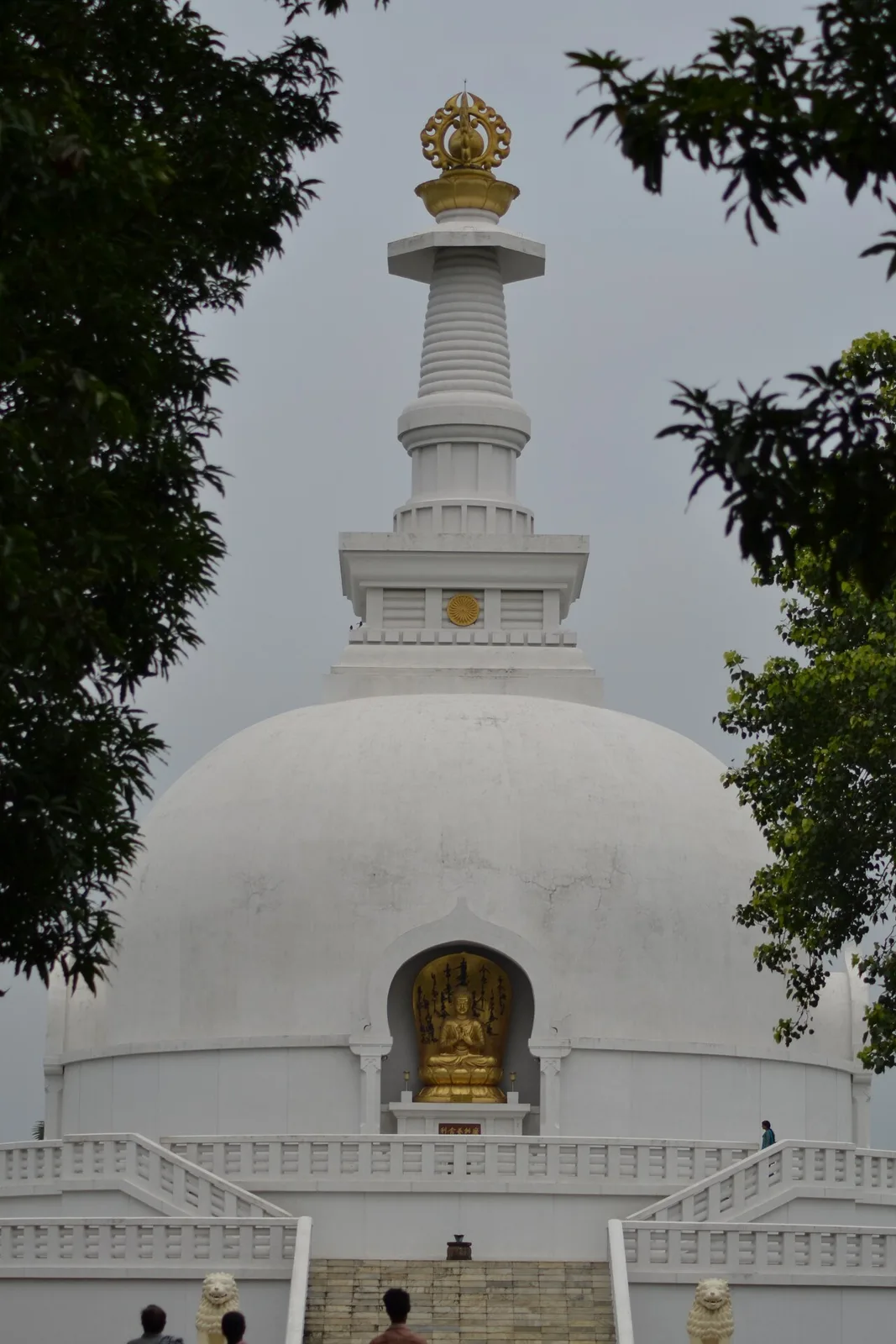
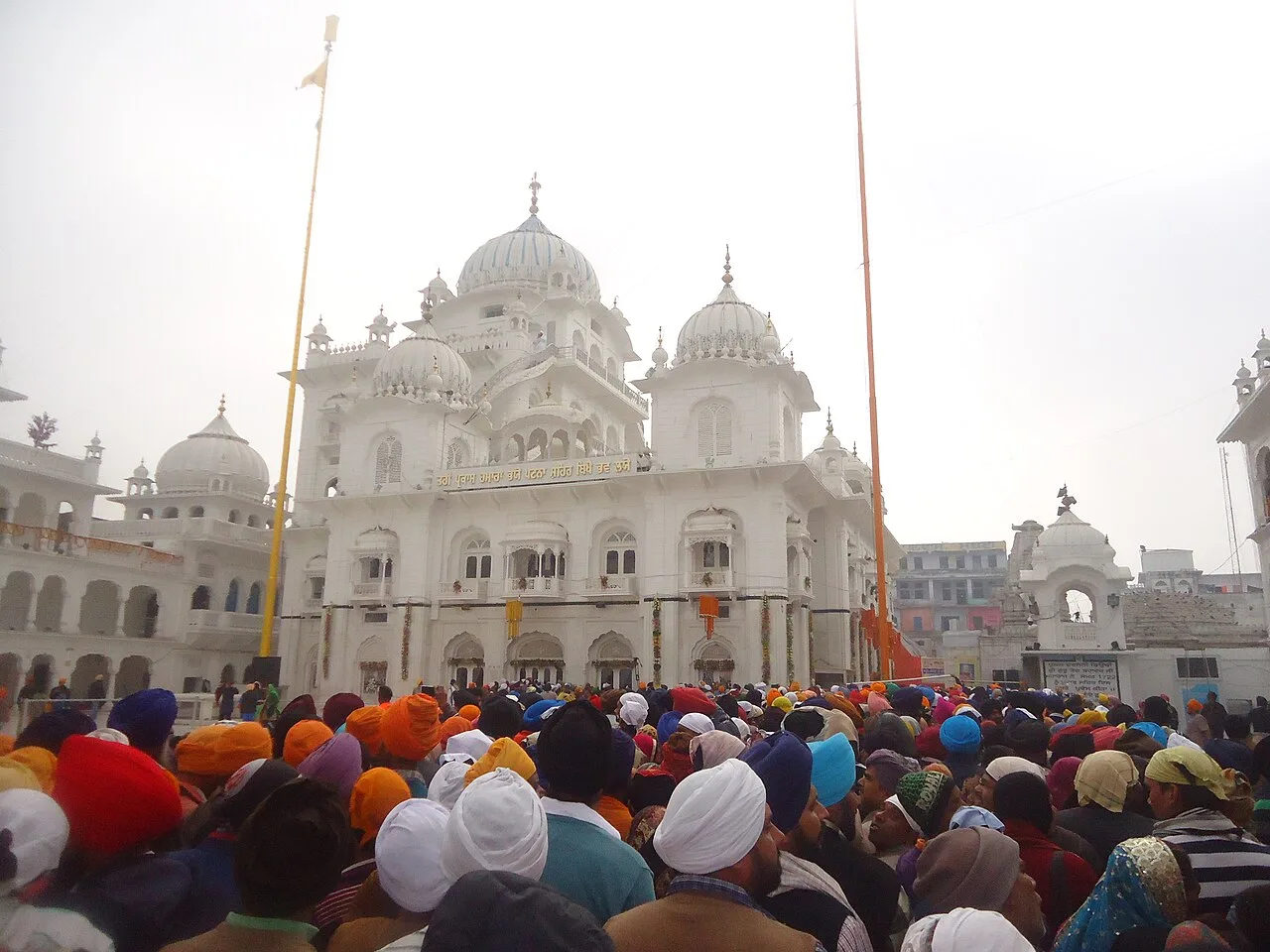
Sonepur is commonly approached from Patna, the nearest large city and a practical base for transport and other services. Patna’s Takht Sri Patna Sahib and Patna Museum are separate city visits, not venues within the fair; they can be included in a broader Bihar itinerary. Vaishali, another important historical and religious destination in the region, is also a separate excursion rather than part of the Sonepur grounds. The contrast is useful for planning: Sonepur is centred on a seasonal river pilgrimage and fair, while Patna offers urban heritage and museum visits. Travel times between these places depend on route and traffic, especially during the mela.

When it falls

Sonepur Mela is traditionally associated with Kartik Purnima, the full moon in the Hindu lunar month of Kartik. The bathing observance falls on that lunar date, which shifts from year to year against the Gregorian calendar and usually lands in November or December. The mela begins around the full-moon observance and may continue for roughly a month, though the length and programme can vary. Check current local announcements before planning around particular events.

The date is set by the Hindu lunar calendar, not by a fixed Gregorian day or a harvest timetable. Its seasonal setting also reflects the post-monsoon period, when travel and large outdoor gatherings are practicable in much of the region, but weather and river conditions can still affect the experience. The most intense crowds gather on Kartik Purnima itself. Visitors seeking a less compressed visit can consider other days during the fair, while recognising that some religious observances and activities are specific to the full-moon period.

Experiencing it as a visitor

For the central pilgrimage atmosphere, head towards the riverfront and Hariharnath Temple, but expect dense crowds on Kartik Purnima. Arrive well before the busiest morning movement if you want to approach the bathing area, and keep a meeting point in mind in case your group is separated. Use designated routes and observe barriers and instructions from officials. For a calmer first impression, visit the fairground on a non-peak day, then explore the temple and market without trying to enter the most crowded riverbank areas. A local guide or clearly agreed meeting arrangement can help when paths are busy.

A practical day might begin with a temple visit or a riverfront walk, followed by time in the market and a meal from a busy, visibly clean stall. Leave room for unplanned stops: the fair is as much about watching everyday exchange and gathering as ticking off attractions. Ask permission before photographing people, worshippers or vendors, and avoid photographing anyone in a vulnerable moment. Keep cameras and phones secure in dense crowds, and do not push forward for a better view of a ritual. If conditions feel unsafe, step back and follow staff directions. The fairground can be dusty, noisy and tiring, so plan breaks and carry water; keep river bathing to locations currently designated as safe.

Food, dress & crafts of the festival

Food is part of the fair’s lively market atmosphere. Visitors will find seasonal snacks, sweets, tea and simple meals from temporary stalls, though menus and vendors vary. Local Bihari preparations may be available, but no single dish defines the mela, and availability should not be assumed. Choose stalls where food is handled cleanly and freshly cooked, drink safe water, and be cautious with food that has been left uncovered. Carrying a small snack can be helpful during peak crowds, when moving between stalls may take longer than expected.

The market atmosphere includes stalls selling practical goods, household items, toys, religious offerings and locally made crafts; the mix changes from year to year. Browse respectfully and ask before handling goods or photographing a maker at work. Dress for walking and changing weather: comfortable, modest clothing and sturdy footwear are useful on uneven, crowded ground. During a temple visit, clothing that covers shoulders and knees is a considerate choice. A light layer can help in the cooler mornings and evenings, while a scarf or hat may be useful in the daytime. Avoid treating animal displays or people’s customary dress as props.

Stay, transport & crowds

Patna is the usual base for visitors who want a wider choice of accommodation and transport connections. Sonepur has local accommodation options that may be limited or fill quickly during the mela, so reserve ahead if staying nearby and confirm arrangements directly before travel. Do not assume that temporary facilities or a particular standard of service will be available. A day visit from Patna is possible for some travellers, but traffic, crowd-control measures and the peak bathing day can make the journey slower and the visit more demanding than expected.

Rail and road access can be used to reach the region, but choose current routes and services through reliable transport sources; schedules and arrangements can change. From Patna, local road transport may include taxis and other locally available vehicles, with availability and journey time affected by traffic. Near the fair, expect diversions, walking and restricted vehicle access at busy times. Follow police and event staff instructions, use agreed pickup points, and avoid trying to drive into crowded approach areas. Book transport and rooms early for Kartik Purnima, allow generous time for return travel, and keep essential medicines, identification and a charged phone with you. Check current guidance on river access and crowd management before setting out.

Etiquette & responsible travel

Treat the riverfront and Hariharnath Temple as places of worship, not merely as attractions. Dress modestly, follow any local instructions about offerings or entry, and give worshippers room to pray. Ask permission before photographing people, especially during bathing, prayer or other private moments; respect a refusal immediately. Do not obstruct paths or press into a crowd to get a photograph. If you are unsure where visitors may stand, ask an official or local organiser.

Keep the river and fairground clean by using bins where provided and carrying rubbish until you find one. Do not feed, touch or crowd animals, and report concerns to appropriate staff rather than intervening. Bathe only where officials indicate it is safe, and heed river-safety teams even if conditions appear calm. Buy thoughtfully, avoid encouraging unlawful wildlife trade, and be patient with residents, vendors and other visitors. The fair is a working market as well as a pilgrimage, so make space for local activity.

Frequently asked questions

What is the best place to watch the fair?

For the religious focus, visit the Hariharnath Temple area and riverfront, following current crowd-control directions. The wider fairground is better for browsing stalls and observing market life. There is no single guaranteed viewing point, and access may change on Kartik Purnima.

How many days should I plan?

A full day allows time for the temple, riverfront and some market browsing, but travel from Patna and peak-day crowds can make it tiring. Two days gives more flexibility and lets you visit on a less crowded day as well as seeing the main fairground.

Is Sonepur Mela suitable for families or elderly visitors?

It can be, but the Kartik Purnima bathing day is extremely crowded and may be difficult for young children, older visitors or anyone with mobility needs. Consider a quieter day, agree on a meeting point, avoid the water’s edge unless directed, and take breaks.

How should I arrange accommodation?

Patna is the usual base and generally offers more choice; staying closer to Sonepur may reduce local travel but options can be limited. Reserve early for the peak period, confirm your booking directly, and check transport plans before committing to a day trip.

What should I wear to the mela?

Choose comfortable, modest clothing and sturdy shoes for walking on uneven, crowded ground. A light layer is useful during cooler mornings and evenings. For temple visits, clothing that covers shoulders and knees is considerate; a hat or scarf can help during daytime sun.

Nearby

Places to see around the festival