
District · Bihar
Buxar
Buxar offers a glimpse of western Bihar, where a fertile Ganga-side farming region meets the Uttar Pradesh border.
Buxar district lies in western Bihar, along the Ganga and near the Uttar Pradesh border. Its landscape is mostly fertile alluvial plain, shaped by river channels and suited to farming; towns and villages are linked by roads, rail and river crossings. Buxar town is the district’s historic centre. The Battle of Buxar, fought in 1764, was a major turning point in the expansion of British East India Company power in India. The district’s older cultural associations also include local traditions connected with the Ramayana and the sage Vishwamitra, though these are best understood as religious lore. Today, Buxar combines a busy market-town character with a largely agricultural hinterland.
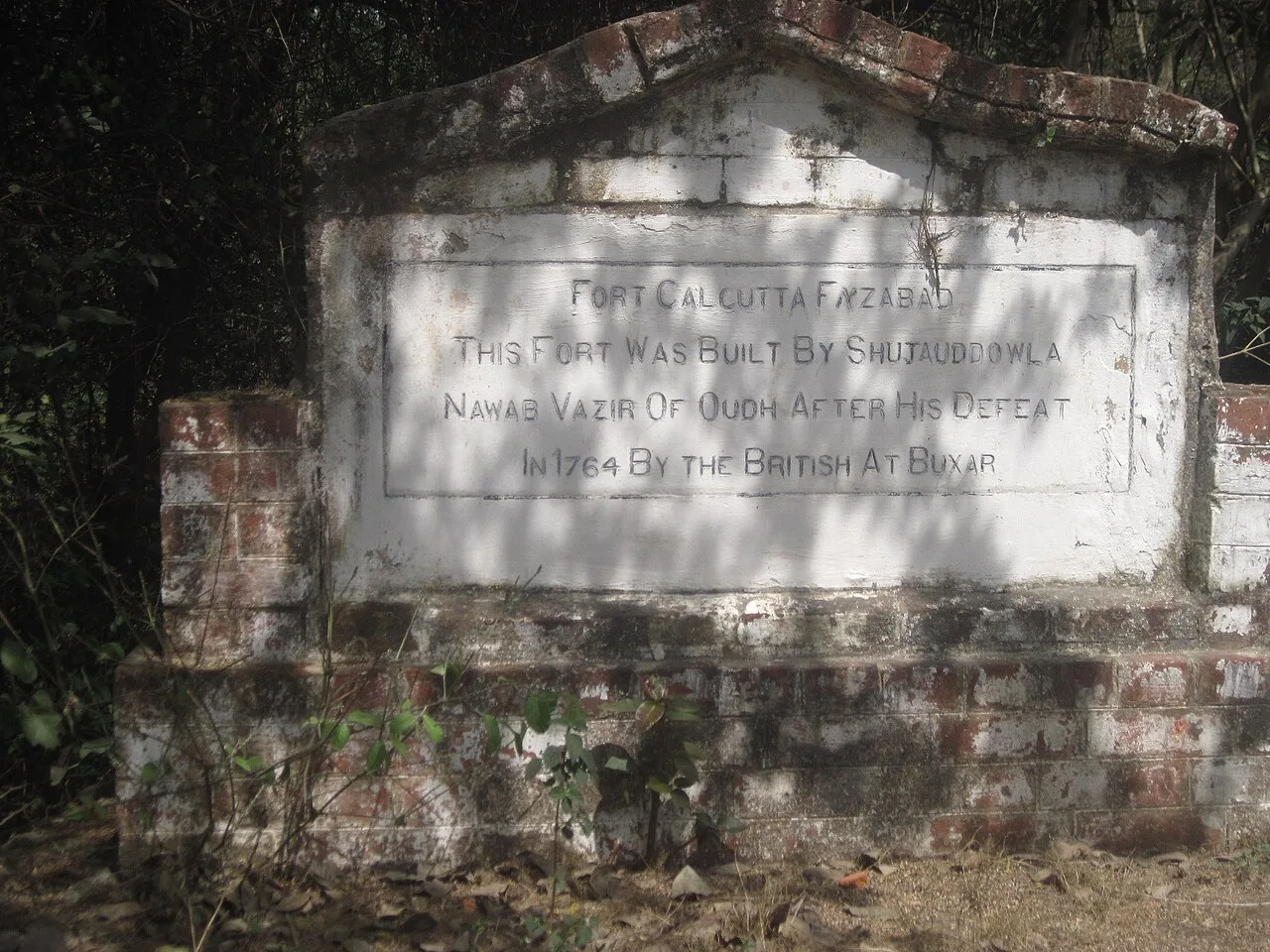
Buxar offers a glimpse of western Bihar, where a fertile Ganga-side farming region meets the Uttar Pradesh border. It is best known for the Battle of Buxar, fought in 1764, which helped establish the East India Company’s influence in northern India. Buxar town remains the district’s historic and commercial centre, and Buxar Fort is a reminder of that past. The area also has religious traditions associated with the Ramayana and the sage Vishwamitra; these are local beliefs and lore rather than independently established historical accounts. Travellers can combine a short heritage visit with a sense of everyday life in a market town and its agricultural hinterland.
Buxar’s location on the Ganga has long connected settlements in the region with river routes and the fertile plains of the middle Ganga valley. Local religious traditions associate the area with the sage Vishwamitra and episodes from the Ramayana, though these belong to religious lore rather than verifiable political history. In the eighteenth century, the region became a focal point in the contest for power in northern India. The Battle of Buxar in 1764 pitted the East India Company against an alliance that included Mir Qasim, the Nawab of Bengal, Shuja-ud-Daula, the Nawab of Awadh, and Mughal emperor Shah Alam II. The Company’s victory strengthened its position, followed by its acquisition of revenue-collection rights in Bengal, Bihar and Orissa in 1765. Buxar subsequently remained part of the wider administrative region of Bihar under British rule and after independence. Buxar district was created in 1991 when it was separated from Bhojpur district. Buxar town continues to serve as its principal historic and commercial centre.
Buxar’s food reflects the wider cooking traditions of western Bihar. Litti chokha—roasted wheat balls with mashed vegetables—and sattu paratha are familiar, filling choices; sattu is roasted gram flour used in both savoury dishes and drinks. Small eateries may serve chana ghugni, seasonal vegetables, rice and dal, with menus that vary through the day. Sweets such as khaja, tilkut, anarsa, malpua and thekua are known across parts of Bihar, though some are more closely associated with other towns or regions. Ask what has been freshly prepared, as many modest kitchens offer a limited daily selection.
Buxar is not widely identified with a single signature craft, and craft traditions vary between its towns and villages. Pottery, bamboo and cane work, basketry and everyday weaving are found in parts of Bihar, but availability in Buxar should not be assumed. The state’s better-known craft traditions include Madhubani painting and Sikki grass work, especially associated with north Bihar rather than this district. Visitors interested in local making can ask in markets or villages about working artisans and locally produced household goods, while checking where an item was actually made.
Chhath is widely observed in Bihar, including Buxar, with worship and offerings at riverbanks, especially along the Ganga; the main observances fall in autumn and again in spring. The local Panchkoshi Mela, associated with religious traditions around Buxar, is held in the cooler part of the year and can draw pilgrims and visitors. Holi, Diwali and Ram Navami are also celebrated. During major observances, riverfront areas and markets can be busier, and accommodation in town may be more sought after. Check locally for the timing of fairs and plan stays ahead during festival periods.
Elsewhere in Bihar
The district is predominantly a flat, fertile alluvial plain beside the Ganga, with agricultural fields, settlements and river channels shaping the countryside. The river forms an important regional boundary and influences local land use and travel, while seasonal water levels can affect some low-lying areas and riverbank access. There are no major hill or forest landscapes within the district. Buxar town is the main urban centre, and roads connect it with smaller settlements across the plain. Outside built-up areas, journeys are mainly through open farming country, where conditions can vary after heavy monsoon rain.
Buxar has hot summers, a rainy monsoon season and cooler winters. Summer, broadly from late spring into early monsoon, can make sightseeing outdoors tiring during the middle of the day. Monsoon rains bring greener fields but may cause waterlogging or slow some rural road journeys. The cooler months, generally from October to March, are the most comfortable period for a visit, although winter mornings and evenings can be chilly or foggy. Pack light, breathable clothing for warm weather, a rain layer or umbrella during the monsoon, and warm layers for winter. Comfortable walking shoes, sun protection and drinking water are useful year-round.
Buxar railway station is the nearest principal rail station for Buxar town, with rail connections serving the wider region. Jay Prakash Narayan International Airport in Patna is the nearest major operating airport. By road, Buxar is linked to Patna and Ara via National Highway 922, as well as to towns in neighbouring Uttar Pradesh. Buses and shared vehicles serve regional routes; within town, auto-rickshaws and cycle-rickshaws are useful for shorter journeys, while taxis can be arranged for longer trips. Services and onward connections can change, so check current services locally.
Buxar town is the district’s main transport hub, with road links towards Ara, Patna and towns across the Uttar Pradesh border. Local buses and shared vehicles serve regional routes, though availability and frequency vary. Within town, auto-rickshaws and cycle-rickshaws are practical for short journeys; taxis can be arranged for longer trips or a flexible day out. Rural connections may require a change of vehicle, so confirm the return journey locally. The Ganga is important to the landscape, but do not assume boats provide a regular or dependable way to reach sights; check conditions and local arrangements before considering river travel.
2 days: Buxar Fort; sleep in Buxar town. 3 days: Buxar Fort; sleep in Buxar town on both nights.
Buxar town is the most practical base for a short visit, with access to the district’s main rail and road connections and the listed destination. Accommodation is generally concentrated in town and includes hotels and guesthouses; dharamshalas may also be available, especially around religious gatherings. Homestay choices and government-run lodging should not be assumed to be readily available, so confirm options before travelling. For festival periods, arrange a room in advance. Travellers making a longer regional journey can consider an overnight stop in another well-connected town, but Buxar remains the straightforward base for this itinerary.
The district is mostly flat, but summer heat, monsoon waterlogging and winter fog can affect comfort and road travel. Use care near the Ganga, especially where banks are slippery or currents are strong, and follow local advice about river conditions. Drink sealed or properly treated water and take sensible precautions with food. Rural roads may be uneven, and night travel can be less convenient; confirm routes and return transport locally. Mobile connectivity is generally more dependable in towns than in some rural areas. Crowds increase during religious gatherings. No special permit requirement is known for the listed visit, but confirm officially if plans involve restricted areas or organised river access.
- Chandauli · Uttar Pradeshabout 73 km
- Kaimurabout 77 km
- Rohtasabout 87 km
- Varanasi · Uttar Pradeshabout 102 km
- Aurangabadabout 110 km
- Patnaabout 117 km
- Saranabout 121 km
- Vaishaliabout 124 km
Straight-line distance between the centres of each district's destinations; road distance is longer.
Q: How many days should I spend in Buxar? A: One or two days can suit a short visit centred on Buxar town; allow longer if you want a slower regional trip. Q: When is the best time to visit? A: October to March is generally the most comfortable season, though winter mornings can be foggy. Q: Where is the best base for visiting? A: Buxar town is the most practical base for the listed destination and local transport connections. Q: How do I get to Buxar? A: Buxar railway station serves the town, while road links connect it with Patna, Ara and neighbouring Uttar Pradesh; the nearest major operating airport is in Patna. Q: Is Buxar suitable for families or elderly travellers? A: A short town-based visit can work for many families and older travellers, but check walking conditions, vehicle access and heat or fog, and plan breaks as needed.
This page draws on our 1 destination guides for Buxar and is updated as our team checks it.
Be the first to share photos, stories, advice or a helpful contact for Buxar.
Loading…