
District · Bihar
Jamui
Jamui offers a quieter view of southern Bihar, where farming settlements and market towns meet wooded uplands and rocky hills.
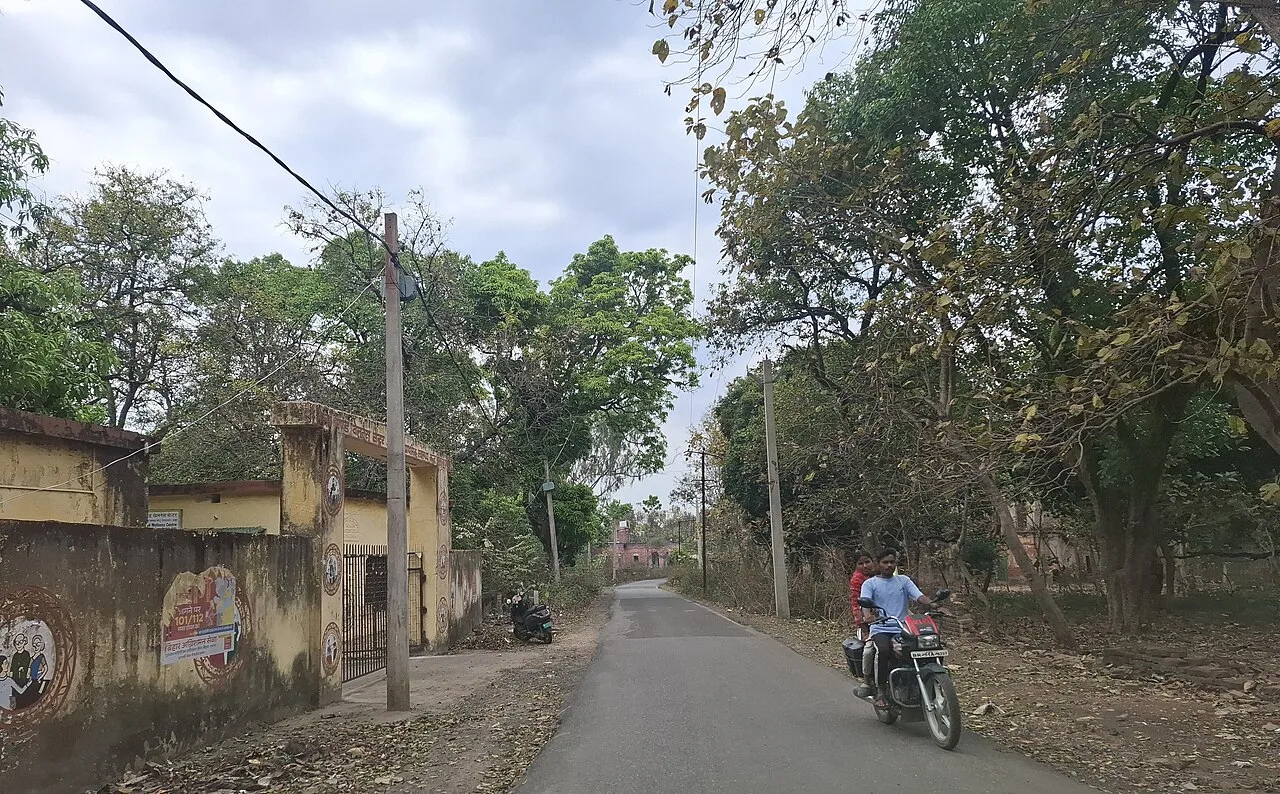
Jamui occupies a varied landscape in southern Bihar, where cultivated plains give way to wooded uplands and rocky hills. Its quieter rural character is especially apparent around Simultala, a village known as a hill retreat, while the district’s towns and market villages serve surrounding farming communities. The area has deep religious associations: Kshatriya Kund near Lachhuar is traditionally regarded as the birthplace of Mahavira, the Jain teacher, and attracts pilgrims. Jamui became a separate district in 1991, having previously been part of Munger district. Visitors will find a destination better suited to exploring local religious sites, countryside and smaller settlements than to a tightly scheduled sightseeing circuit; facilities can be limited away from the main towns.
Jamui offers a quieter view of southern Bihar, where farming settlements and market towns meet wooded uplands and rocky hills. It is best known to travellers for its Jain associations: Kshatriya Kund near Lachhuar is traditionally regarded as the birthplace of Mahavira, and draws pilgrims. Simultala is another point of interest, a village known as a hill retreat and a base for experiencing the district’s rural landscape. Jamui became a separate district in 1991 after being part of Munger district. Come for religious heritage, countryside and a slower pace rather than a packed sightseeing itinerary; services can be sparse outside the main towns.
Jamui’s history is tied to the wider southern Bihar region, whose shifting political boundaries connected areas associated with ancient Anga and Magadha. The Maurya, Gupta and Pala dynasties held power across parts of Bihar over different periods, though the history of individual Jamui settlements is less fully documented. The district also has an important place in Jain tradition: Kshatriya Kund near Lachhuar is traditionally identified as Mahavira’s birthplace, a claim that has made the area a pilgrimage destination. In medieval times, the region was affected by the changing authorities that governed Bihar, including Sultanate and Mughal powers. Under British rule, it remained part of the wider Munger administrative area. After independence, Jamui continued as part of Munger district until it was established as a separate district in 1991. Its present identity therefore reflects both its local religious associations and its more recent administrative history.
Jamui’s food reflects the wider cuisine of Bihar, with everyday meals often built around rice or wheat, pulses and seasonal vegetables. Litti chokha, sattu paratha and chana ghugni are familiar regional choices; sweets and snacks such as thekua and malpua are also found across the state. Khaja is associated with Silao, while tilkut and anarsa are especially linked with Gaya, rather than being specific to Jamui. Small eateries may prepare only a limited selection each day, so ask what is fresh. Vegetarian travellers generally have plenty of options, and larger towns also offer non-vegetarian food.
No single craft is widely documented as distinctive to Jamui. In the district and across rural Bihar, practical traditions such as pottery, basketry and handloom weaving form part of everyday village life, though availability varies by locality. Bihar is also known for craft traditions found mainly elsewhere in the state, including Madhubani painting and Sujani embroidery; these should not be mistaken for Jamui specialities. Travellers interested in local work can ask at town markets or village gatherings about makers and products available nearby, bearing in mind that small-scale crafts may not be sold through formal shops.
Chhath, Holi, Diwali and Durga Puja are observed in Jamui as they are across much of Bihar, with community gatherings and local celebrations especially visible in towns and larger villages. Jain observances are significant around Kshatriya Kund and Lachhuar; Mahavir Jayanti, usually in spring, can bring pilgrims, while other dates in the Jain calendar may also see visits. Crowds and demand for basic rooms can rise around these observances, though facilities are limited outside town centres. Check locally for event arrangements and accommodation before travelling during major festival periods.
Elsewhere in Bihar
Jamui’s terrain ranges from cultivated plains and settled valleys to wooded uplands and rocky hills, particularly around Simultala. The Kiul river and smaller seasonal watercourses form part of the district’s drainage, while fields and villages occupy much of the more level land. The change from open farmland to wooded slopes makes the district better suited to unhurried road journeys and short walks than to a tightly scheduled circuit.
Jamui has hot summers, a monsoon season and cooler, generally more comfortable winters. Summer travel can feel tiring on exposed roads, so carry water, sun protection and light clothing. Monsoon rains bring greener countryside but may make rural roads and tracks muddy or slower; check local conditions before travelling into hill areas. The cooler months, broadly from late autumn through winter and into early spring, are usually the most comfortable time to explore. Pack a light layer for winter mornings and evenings, along with sturdy footwear for uneven ground. Conditions vary, so check a current forecast before departure.
Jamui railway station serves the district, while Simultala station may be useful for travellers heading to that part of the area; check which station best fits your destination. Patna and Gaya have airports, but the most convenient airport depends on your route and onward connections. Roads connect Jamui with other towns in southern Bihar, and buses, private coaches and shared jeeps or autos can help with the final leg. Local transport is less frequent in remote areas, so arrange onward travel before setting out and carry water and snacks on longer journeys. Check current services locally before travelling.
Roads link Jamui town with surrounding market centres and villages, while buses and private coaches serve some routes. Shared jeeps and autos may be useful for shorter journeys, but services can be irregular outside busy corridors. Jamui and Simultala have railway stations; choose the one that best fits your route and confirm onward transport before arrival. Taxis or a locally arranged vehicle can make visits to rural sites easier, particularly when travelling with limited time. There is no need to plan around boat transport for the district’s usual visitor routes.
2 days: Simultala at an unhurried pace; sleep in Simultala for the night. 3 days: Simultala, with time for local walks and a relaxed village stay; sleep in Simultala on both nights.
Simultala is the most practical base for travellers focused on the district’s hill-retreat setting; Jamui town is more useful for transport connections and everyday services. Basic hotels and guesthouses are the likeliest options in the main towns, while simpler lodging may be available in smaller settlements. Homestays, government lodges and dharamshalas should not be assumed to be available without checking locally, particularly outside pilgrimage periods. Arrange accommodation ahead for festival travel and confirm facilities directly, as choices can be limited.
Carry drinking water, sun protection and any regular medicines, especially on longer rural journeys where shops and services may be limited. Wear sturdy footwear on uneven paths and take care on wet or poorly maintained roads during the monsoon. Check local advice before walking in wooded or remote areas, and do not approach wildlife. Mobile coverage and access to medical care can be less dependable away from towns; keep a charged phone and share your route. Crowds may gather at pilgrimage sites during religious observances. No special permit is generally expected for ordinary visits, but confirm officially before entering any restricted site or forest area.
Q: How many days should I spend in Jamui? A: Two days can suit a visit focused on Simultala; allow longer if you want a slower rural stay or are visiting for a pilgrimage. Q: When is the best time to visit? A: The cooler months from late autumn through winter and early spring are generally most comfortable. Monsoon travel can be affected by wet roads. Q: Where is the best base? A: Stay in Simultala for its hill-retreat setting, or in Jamui town for transport links and everyday services. Q: How do I get to Jamui? A: Jamui railway station serves the district, and Simultala station may suit that area. Patna and Gaya have airports; arrange onward road travel and check current connections. Q: Is Jamui suitable for families or elderly travellers? A: It can be, especially with a relaxed plan and private transport, but uneven paths and limited facilities outside towns may make some outings less suitable for people with reduced mobility.
This page draws on our 1 destination guides for Jamui and is updated as our team checks it.
Be the first to share photos, stories, advice or a helpful contact for Jamui.
Loading…