
District · Bihar
Madhubani
Madhubani offers a close look at the Mithila region of northern Bihar, near the Nepal border.
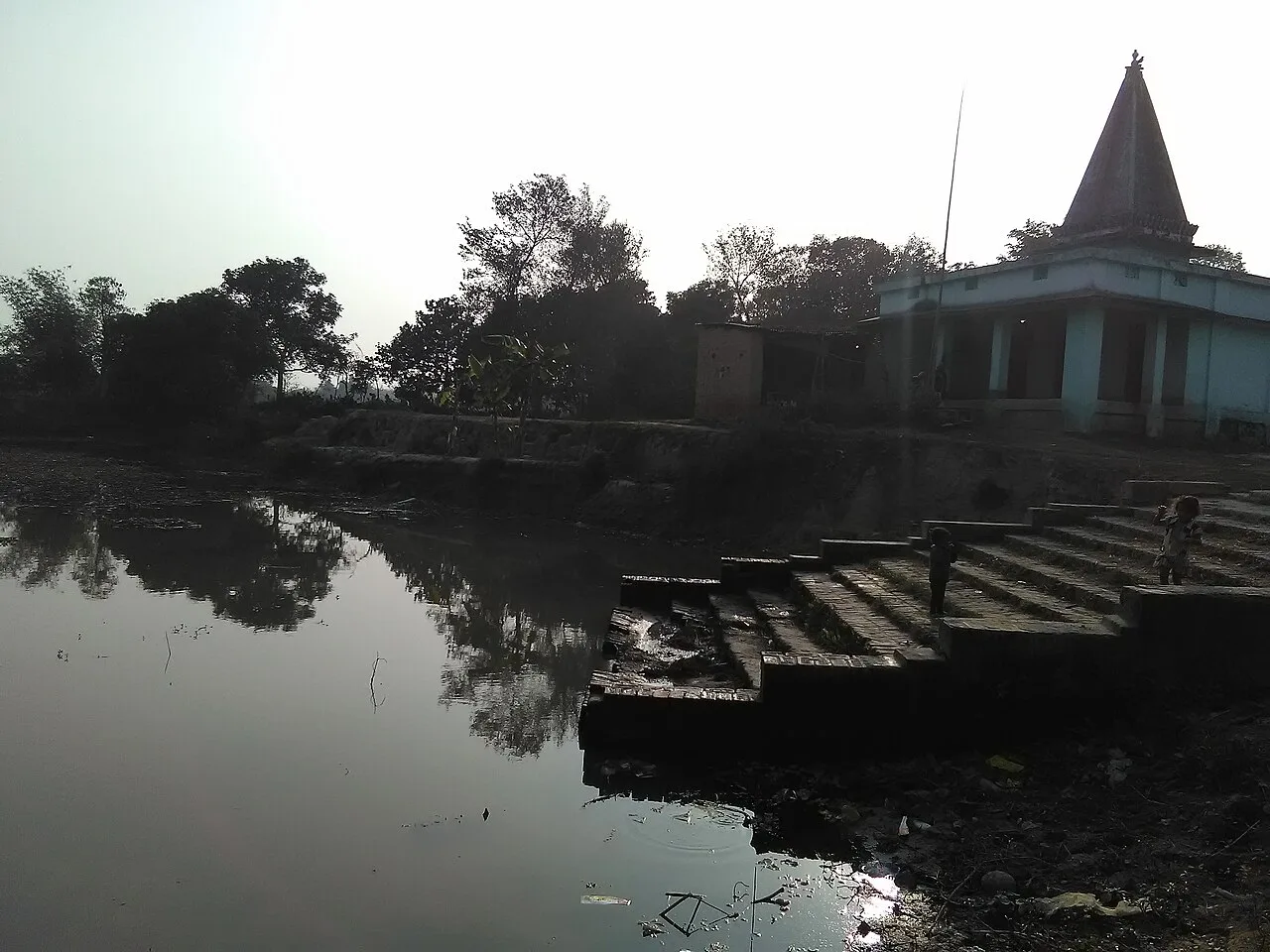
Madhubani district lies in northern Bihar’s Mithila region, along the border with Nepal. Its flat alluvial countryside is shaped by rivers, ponds, cultivated fields and the seasonal monsoon; flooding can affect travel during the rains. Madhubani town is the district headquarters and a practical base for exploring surrounding settlements. The district belongs to the historic cultural world of Mithila, with strong Maithili-language traditions, ritual arts and a longstanding association with learning. The palace ruins at Rajnagar offer a glimpse of its more recent royal heritage. Beyond individual monuments, Madhubani’s character emerges through village life, painted homes, local markets and the continuing relationship between art and everyday customs.
Madhubani offers a close look at the Mithila region of northern Bihar, near the Nepal border. It is best known for Madhubani painting, a tradition associated with Mithila homes, rituals and artists, as well as for the Maithili language and a strong culture of learning and storytelling. Travellers can use Madhubani town as a base for seeing the district’s markets, village life and painted houses, and for visiting the palace ruins at Rajnagar. The setting is rural and largely flat, with ponds, fields and river channels shaping daily life. This is a place to explore living cultural traditions as well as the remains of more recent royal heritage.
Madhubani belongs to the historic cultural region of Mithila. Traditions link ancient Mithila with the kingdom of Videha and King Janaka, though these accounts are not the same as securely documented local political history. In the medieval period, Mithila was ruled at different times by regional dynasties, including the Karnat and Oinwar houses, before coming under wider sultanate and Mughal influence. Under British rule, the area was administered within the larger Darbhanga district and the Bengal Presidency’s provincial system. Darbhanga became part of Bihar when the province was separated from Bengal in 1912. Madhubani district was formed in 1972, when it was separated from Darbhanga district. The region’s cultural history is also visible in Maithili literature and in household painting practices that became widely recognised as Madhubani art, particularly from the mid-20th century onward. Rajnagar’s palace complex reflects the district’s later princely heritage, though much of it now survives as ruins.
3 destination guides · 1 on the map
Jitwarpur
In Bihar’s Mithila region, Jitwarpur is a historic village in Madhubani district, known for its Madhubani painting craft and recognised as the state’s first Shilpgram.
Madhubani
Madhubani is a city in Bihar’s Mithila region and the headquarters of its district. Visitors may be drawn by its regional identity and administrative importance.
Ranti
A historic settlement in Bihar’s Mithila region, Ranti is known for traditional Madhubani painting and arts, and for its association with three Padma Shri awardees.
Food in Madhubani draws on the wider traditions of Mithila and Bihar. Rice, dal, seasonal vegetables and fish feature in Maithil cooking, while vegetarian travellers also have plenty of choices. Makhana, or fox nuts, is closely associated with the Mithila region and appears roasted as a snack or cooked in sweet and savoury dishes. Litti chokha, sattu paratha and chana ghugni are familiar Bihari options rather than district-specific specialities. Malpua and thekua reflect the region’s sweet-making and festive traditions. Small eateries may serve a limited daily menu, so ask what is freshly prepared and carry water and snacks when visiting villages.
Madhubani painting, also called Mithila painting, is the district’s best-known art tradition and is practised across the wider Mithila region. Historically associated especially with women decorating domestic walls and floors for rituals and celebrations, it now also appears on paper, cloth and other surfaces. Fine lines, patterned borders, deities, wedding imagery, animals and plants are recurring features. Villages such as Jitwarpur and Ranti are associated with practising artists. When buying, ask who made the work and about its materials and technique; purchasing directly from artists can offer a clearer understanding of the tradition.
Chhath, observed especially in autumn and again in spring, is an important festival across Bihar, including Madhubani; ponds and riverbanks become gathering places. Sama-Chakeva, a distinctive Mithila tradition celebrated in autumn, brings songs and rituals associated with the region. Holi, Diwali, Durga Puja and Jitiya are also observed. Festival periods can make local markets and roads busier, while accommodation may be more difficult to arrange around major celebrations and family gatherings. The scale of events varies between towns and villages, so visitors should check locally before planning around a particular observance.
Elsewhere in Bihar
Madhubani is a flat, fertile alluvial district with cultivated fields, ponds and settlements linked by rural roads. Rivers and seasonal streams, including the Kamla Balan and channels of the Adhwara river system, shape the countryside. There are no major hills or extensive forests to plan around. The monsoon can swell waterways and bring waterlogging or flooding, sometimes interrupting road journeys and access to villages. In drier months, the open landscape is easier to cross, though travel between scattered settlements can still take time.
Summer, from spring into early monsoon, is generally hot and can feel humid. The monsoon usually brings heavy rain and the possibility of flooding or waterlogged roads. Winter is cooler and often more comfortable for exploring towns and villages. The most pleasant period is generally from late autumn through winter, with spring also workable before the hotter weather sets in. Pack light, breathable clothing for warm weather, a rain jacket or umbrella during the monsoon, and a light layer for winter evenings. Comfortable walking shoes, sun protection and drinking-water provisions are useful in every season. Check local weather and road conditions before travelling during the rains.
Darbhanga Airport is the nearest practical airport for reaching Madhubani town. Madhubani railway station provides direct rail access to the district headquarters; Darbhanga Junction is another useful rail gateway. Road connections link the district with Darbhanga, neighbouring towns and Patna, with buses, shared vehicles and hired cars covering different legs of the journey. Within Madhubani town, auto-rickshaws and cycle-rickshaws are common options, while a hired vehicle can be useful for visiting scattered villages and Rajnagar. Allow extra travel time during the monsoon, when waterlogging or flooding may disrupt routes. Check current services locally.
Madhubani town is the main local base, with auto-rickshaws and cycle-rickshaws useful for short journeys. Buses and shared vehicles connect the town with other settlements, though services and road conditions vary. A hired car or local taxi can make visits to scattered villages and Rajnagar more convenient, particularly when travelling with limited time. Rural roads may be narrow or affected by rain, so allow flexibility in plans. Boats are not a regular sightseeing option; river conditions and access change seasonally. Ask locally about the current state of routes before setting out.
2 days: Madhubani; use Madhubani as a base for town and nearby village visits; sleep both nights in Madhubani. 3 days: Madhubani; use Madhubani as a base for a slower exploration of town, surrounding settlements and Rajnagar; sleep all nights in Madhubani.
Madhubani town is the most practical base for both short visits and longer explorations, with hotels and guesthouses generally the main options. Staying in town keeps access to transport and everyday services convenient. For trips into surrounding villages, arrange any homestay directly with hosts or through reliable local contacts; availability and facilities can be limited. Government accommodation or dharamshalas may be available in some places, but visitors should confirm current access and arrangements before relying on them. Overnight options outside the district headquarters are less predictable.
Check weather and road conditions before travelling in the monsoon, when flooding and waterlogging can disrupt routes. Use caution near rivers and ponds, especially after rain, and avoid entering floodwater. Carry drinking water and use safe, treated or sealed water where its source is uncertain. Rural roads may be uneven, and night travel can be less convenient; allow extra time and use a reliable driver. Mobile connectivity may vary outside towns. Keep valuables secure in busy markets and festival crowds. Ordinary sightseeing in the district does not generally require a protected-area permit; confirm requirements officially if plans involve restricted areas or crossing the international border.
- Darbhangaabout 27 km
- Sitamarhiabout 63 km
- Vaishaliabout 103 km
- Saranabout 115 km
- Mungerabout 120 km
- Patnaabout 125 km
- East Champaranabout 148 km
- Nalandaabout 149 km
Straight-line distance between the centres of each district's destinations; road distance is longer.
Q: How many days should I spend in Madhubani district? A: Two days allow a brief visit based in Madhubani town; three days give more time for villages and Rajnagar. Q: When is the best time to visit? A: Late autumn and winter are generally the most comfortable seasons; monsoon travel can be disrupted by flooding. Q: What is the best base for exploring the district? A: Madhubani town is the most practical base, with local services and transport connections. Q: How do I get to Madhubani? A: Darbhanga Airport is the nearest practical airport, and Madhubani railway station serves the district headquarters. Road links connect it with Darbhanga and other towns. Q: Is Madhubani suitable for families or elderly travellers? A: Yes, with a flexible itinerary and suitable transport. Choose accommodation in town and account for uneven roads, weather and limited facilities in some villages.
This page draws on our 3 destination guides for Madhubani and is updated as our team checks it.
Be the first to share photos, stories, advice or a helpful contact for Madhubani.
Loading…