
District · Bihar
Saran
Saran offers a view of everyday life in Bihar’s river plains, where agriculture, market towns and religious traditions are closely connected.
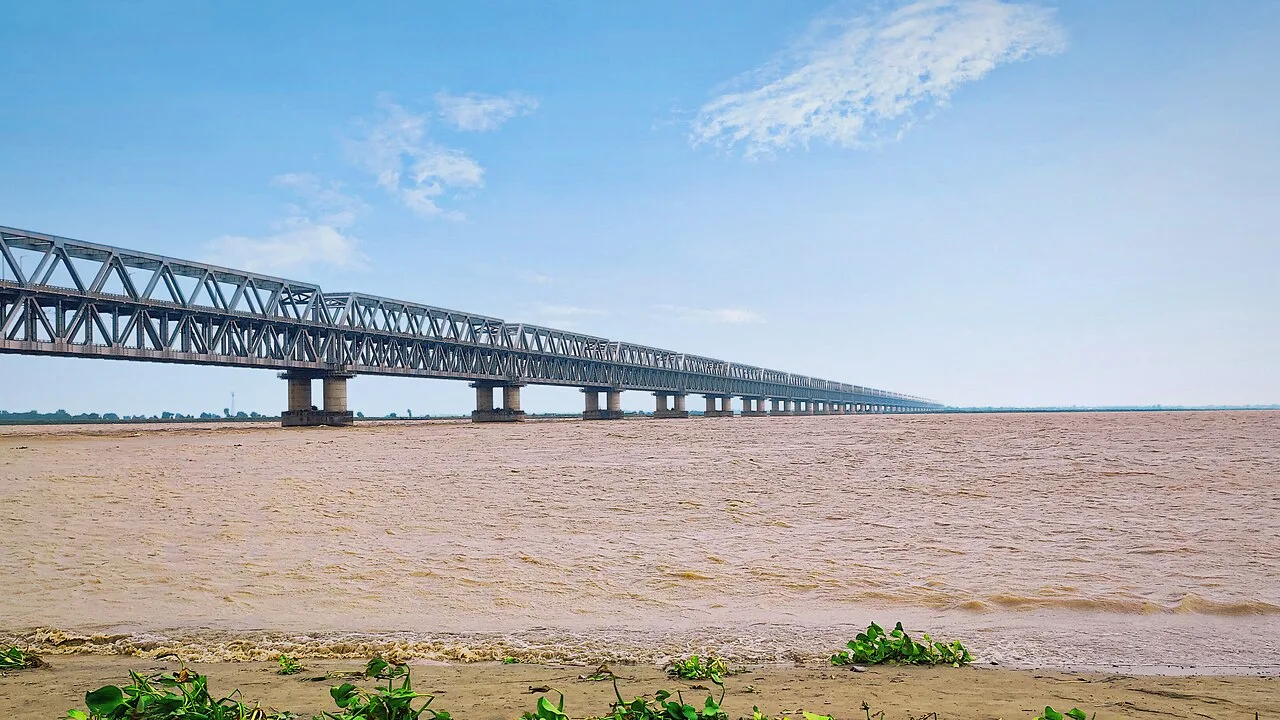
Saran lies in the fertile river plains of northern Bihar, with Chhapra as its administrative headquarters. The Ganges, Gandak and Ghaghara shape the district’s landscape, supporting agriculture while also bringing seasonal flooding to low-lying areas. Its character combines busy market towns, closely settled villages and riverside religious sites. Sonpur, officially Sonepur, stands near the meeting of the Gandak and Ganges and is known for the Harihar Nath temple and the historic Sonpur fair, long associated with livestock trading and pilgrimage. Bhojpuri language and culture are prominent across Saran. For travellers, the district offers an introduction to Bihar’s riverine life, village markets and living religious traditions rather than a circuit of monumental attractions.
Saran offers a view of everyday life in Bihar’s river plains, where agriculture, market towns and religious traditions are closely connected. Chhapra is the district headquarters and a useful entry point, while Sonpur—officially Sonepur—is best known for the Harihar Nath temple and its historic fair, associated with pilgrimage and livestock trading. The Ganges, Gandak and Ghaghara have shaped settlement and livelihoods, as well as the seasonal challenges of travel. Bhojpuri language and culture are prominent. Saran suits travellers interested in riverside worship, village markets and regional life more than those seeking a concentrated itinerary of major monuments.
Saran lies in the middle Gangetic plain, a region shaped over many centuries by the rise and fall of powers across Bihar and northern India. The wider area came under the influence of major dynasties and states, including the Mauryas, Guptas and Palas, followed by the Delhi Sultanate and Mughal Empire; local administration and control changed over time. Under British rule, Bihar formed part of the Bengal Presidency, and Saran developed as an administrative district during the colonial period. Chhapra became its headquarters. Bihar became a separate province in 1912, and its administrative boundaries continued to change after independence. The former, larger Saran district was later divided as Siwan and Gopalganj became separate districts in the 1970s. Sonpur’s temple and fair reflect a different strand of regional history: the town’s religious importance and its role as a gathering place for traders and pilgrims have endured through changing political eras. The district’s history is therefore best understood through both its changing administration and its continuing river-based settlements and traditions.
Food in Saran shares much with the wider Bhojpuri-speaking belt and Bihar. Litti chokha, with roasted dough balls filled with seasoned sattu and served with mashed vegetables, is a familiar choice. Sattu paratha, chana ghugni and everyday meals of rice, dal and seasonal vegetables also reflect regional eating habits. Thekua is closely associated with Chhath observances, while malpua appears in festive cooking. Khaja and tilkut may be available in sweet shops, though their best-known associations are with Silao and Gaya respectively, not Saran. Ask small eateries what has been freshly prepared, and carry drinking water for village excursions.
In Saran’s village markets, look for everyday craft traditions shared across rural Bihar, including bamboo basketry and earthenware made for household and ritual use. Availability varies by market and season; the Sonpur fair can also bring together sellers from beyond the district. Bihar’s better-known art traditions include Madhubani painting from Mithila and sujani embroidery, but these should not be presented as distinctively Saran crafts. When buying, ask where an item was made and whether the seller is its maker, especially at large fairs.
Chhath, observed especially in the autumn and again in spring, is an important regional festival, with worship and offerings at riverbanks and ponds. Diwali, Holi and other Hindu festivals are also widely observed. Sonpur’s fair, usually held in the cooler months around the Kartik period, draws pilgrims, traders and visitors and can make accommodation and local transport busier than usual. Crowds also gather at riverside worship sites during major observances. Travellers planning around the fair or festival periods should arrange a room ahead where possible and allow extra time for road journeys.
Elsewhere in Bihar
Saran is predominantly low-lying, fertile alluvial plain, with no major hill country or extensive forest areas. The Ganges, Gandak and Ghaghara, along with smaller channels and wetlands, shape farming, settlement and routes through the district. Sonpur stands near the meeting of the Gandak and Ganges. Rivers and floodplains make the landscape appealing for its open rural character, but water levels and local conditions can change seasonally. Monsoon flooding may affect low-lying roads and villages, so journeys between towns can take longer or require route changes.
Saran has hot summers, a monsoon season and cooler, generally more comfortable winters. Summer heat can make midday sightseeing tiring, while monsoon rain may bring waterlogging, flooding and slower road travel. Winter, broadly from late autumn into early spring, is usually the most comfortable period for exploring towns and attending outdoor events; the Sonpur fair also takes place in the cooler season. Pack light, breathable clothing for warm weather, a rain layer and footwear that can handle wet ground during the monsoon, and a light warm layer for winter mornings and evenings. Check local conditions before travelling in heavy rain.
Jay Prakash Narayan Airport in Patna is the main nearby air gateway for Saran. Chhapra Junction is a major railway access point for the district headquarters, while Sonpur Junction is convenient for Sonpur and the eastern part of the district. Road connections link Saran with Patna, Hajipur, Siwan and other towns in northern Bihar, using bridges across the region’s rivers. Buses, hired cars and taxis cover longer journeys; auto-rickshaws and shared vehicles serve many local routes. Allow extra time during the Sonpur fair and periods of heavy monsoon rain. Check current services locally.
Chhapra and Sonpur are the main useful road and rail centres for getting around the district. Roads connect them with nearby towns and villages, though conditions and journey times can be affected by congestion, roadworks and monsoon flooding. Local buses, shared vehicles and auto-rickshaws serve many routes; availability may be more limited outside town centres. Taxis or hired cars can provide more flexibility for rural visits. The rivers are central to local life, but do not assume a boat service is available or suitable for a particular journey; confirm locally and use only safe, authorised crossings.
2 days: Sonpur; sleep in Sonpur. 3 days: Sonpur, Sonpur; sleep in Sonpur on both nights.
Chhapra is the most practical base for rail access and a wider choice of everyday services. Sonpur is convenient for visiting the temple and exploring the town, particularly during the fair, when rooms may be in greater demand. Accommodation is generally concentrated in towns and includes hotels and guesthouses; simple dharamshalas may be available around pilgrimage areas. Homestays and government lodges should not be assumed to be available. Check current facilities and book ahead for busy festival periods, especially if travelling with specific accessibility or medical needs.
Take care near riverbanks: currents, slippery steps and changing water levels can be hazardous, especially during and after the monsoon. Avoid entering floodwater and follow local advice if roads are submerged or damaged. Use safe drinking water and practise usual food hygiene. Roads may be congested around markets and crowded during the Sonpur fair; keep belongings secure and take extra care around livestock and dense crowds. Mobile connectivity and services can be less reliable in rural areas than in towns. No special visitor permit is generally required for the listed destination; confirm any local restrictions officially before travel.
- Patnaabout 11 km
- Vaishaliabout 36 km
- Nalandaabout 68 km
- Jehanabadabout 78 km
- Darbhangaabout 89 km
- Sitamarhiabout 104 km
- Gayaabout 113 km
- Madhubaniabout 115 km
Straight-line distance between the centres of each district's destinations; road distance is longer.
Q: How many days should I spend in Saran? A: Two days can cover Sonpur at a relaxed pace; allow longer if you want unhurried local exploration or are travelling during a busy festival. Q: When is the best time to visit? A: The cooler months are generally most comfortable. Monsoon travel can be affected by heavy rain and flooding. Q: What is the best base? A: Chhapra is practical for transport and services; Sonpur is convenient for the temple and fair. Q: How do I get to Saran? A: Patna airport is the main nearby air gateway. Chhapra Junction and Sonpur Junction are useful rail stations, with road links from nearby towns. Q: Is Saran suitable for families or elderly travellers? A: Yes, with planning. Choose a town-based stay, allow extra time on roads, and avoid crowded riverbanks or fair areas if mobility, heat or crowds are a concern.
This page draws on our 1 destination guides for Saran and is updated as our team checks it.
Be the first to share photos, stories, advice or a helpful contact for Saran.
Loading…