
District · Bihar
Gaya
Gaya is a major pilgrimage district in southern Bihar, where Hindu traditions centred on rites for ancestors meet the Buddhist heritage of nearby Bodh Gaya.
Gaya district lies in southern Bihar, where the broad plains of the Ganges basin give way to rocky hills and uplands. The Phalgu River runs past Gaya city, the district headquarters and an important Hindu pilgrimage centre associated with rites for ancestors. Nearby Bodh Gaya is one of Buddhism’s most significant sacred places: tradition holds that the Buddha attained enlightenment there, and the Mahabodhi Temple complex is a UNESCO World Heritage Site. The district’s character is shaped by these distinct pilgrimage traditions, as well as by busy town life and rural settlements. Visitors will find major religious sites alongside the everyday markets and landscapes of a working district.
Gaya is a major pilgrimage district in southern Bihar, where Hindu traditions centred on rites for ancestors meet the Buddhist heritage of nearby Bodh Gaya. Gaya city, on the Phalgu River, draws pilgrims to Vishnupad Temple and the rituals performed along the river. In Bodh Gaya, the Mahabodhi Temple complex marks the place where the Buddha is said to have attained enlightenment and is recognised as a UNESCO World Heritage Site. Visitors can explore these distinct sacred landscapes alongside the markets and everyday life of a working district. Nearby Rajgir and Pawapuri are important regional sights, but lie in Nalanda district.
Gaya belongs to the wider Magadha region, which was a centre of ancient states and empires in the eastern Gangetic plain. The Haryanka, Nanda and Maurya dynasties are among the powers associated with Magadha; the Mauryan emperor Ashoka is also linked to the early development of Buddhist pilgrimage at Bodh Gaya. Buddhist tradition places the Buddha’s enlightenment at the Bodhi tree, while Gaya became an important Hindu pilgrimage centre for ancestral rites. The area’s religious importance continued through later centuries, despite changes in political control and patterns of settlement. Under British rule, Gaya became a district in 1865, within the administration of the Bengal Presidency and later Bihar. Bihar became a separate province in 1912. In the modern period, Gaya has remained an important pilgrimage and regional urban centre, while Bodh Gaya’s international Buddhist connections have brought visitors from many countries. Rajgir and Pawapuri are part of the wider Magadha pilgrimage region, but are now in neighbouring Nalanda district.
10 destination guides · 6 on the map
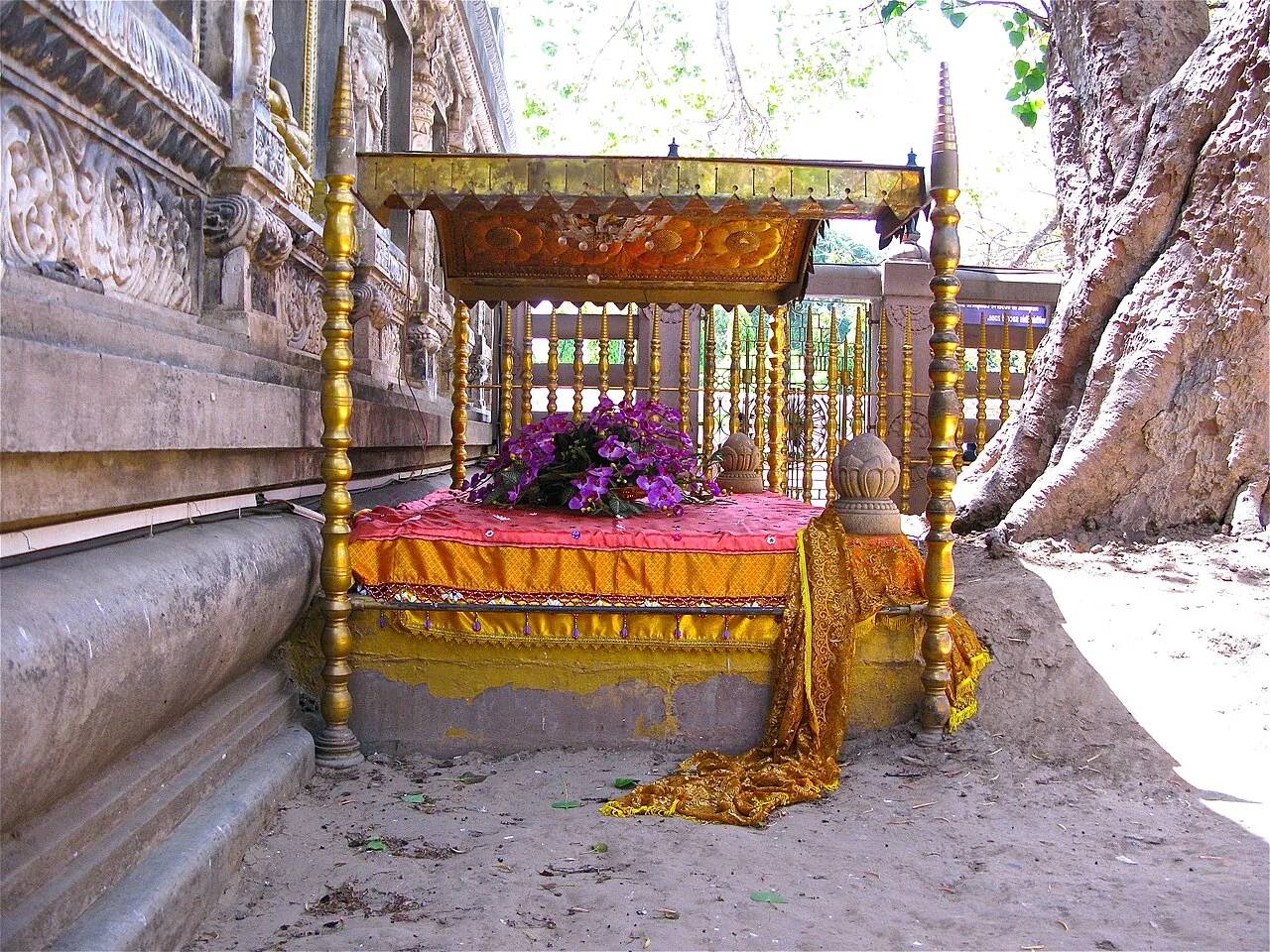
Bodhi tree
The Bodhi tree is a sacred fig at the Mahabodhi Temple in Bodh Gaya, Bihar. Buddhists visit this revered site because tradition links it to the Buddha’s enlightenment.
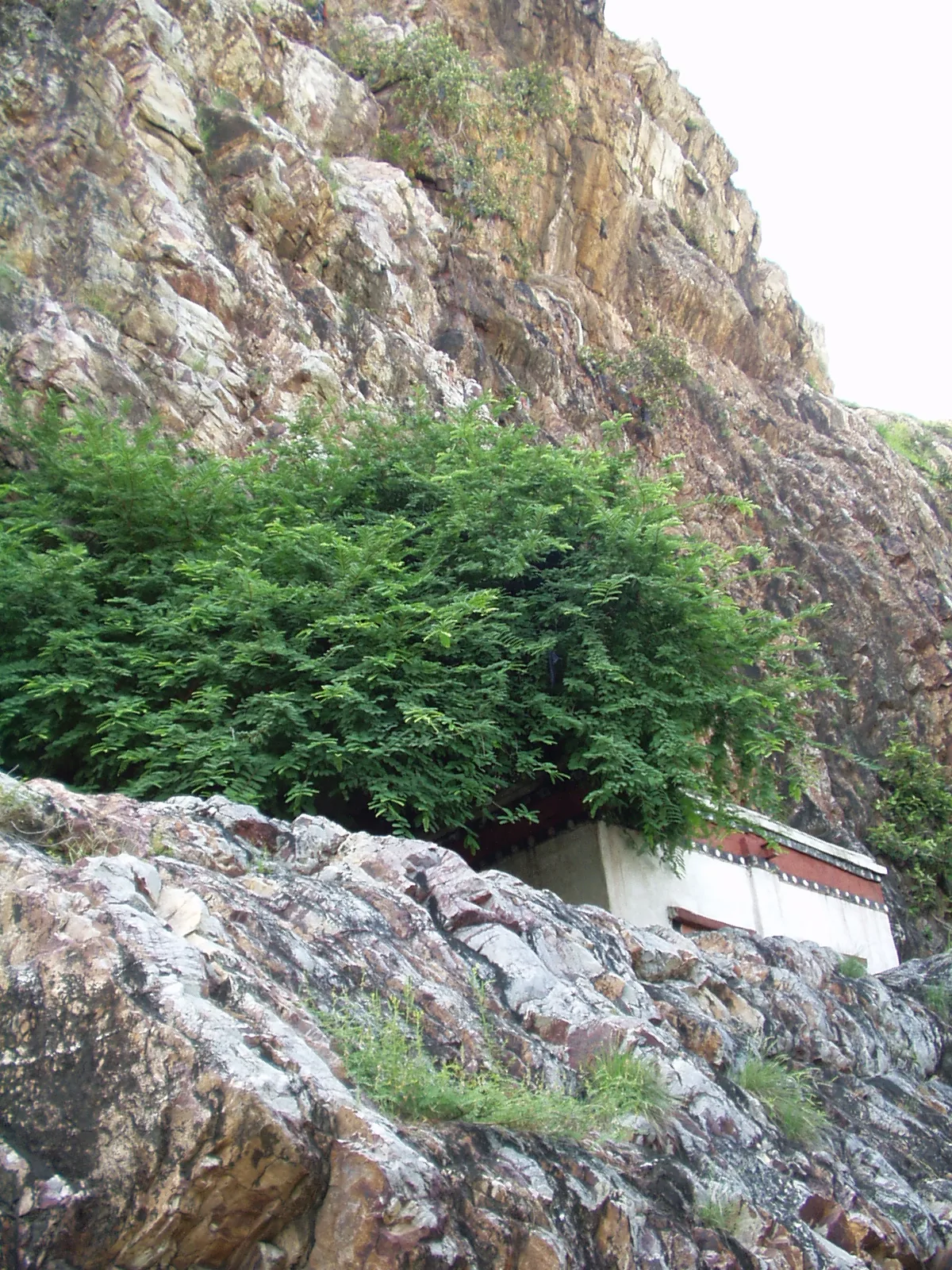
Dungeshwari Cave
Dungeshwari Cave is a cave in Bihar’s Gaya district. Visitors come to see this named site and to visit a cave within the district.
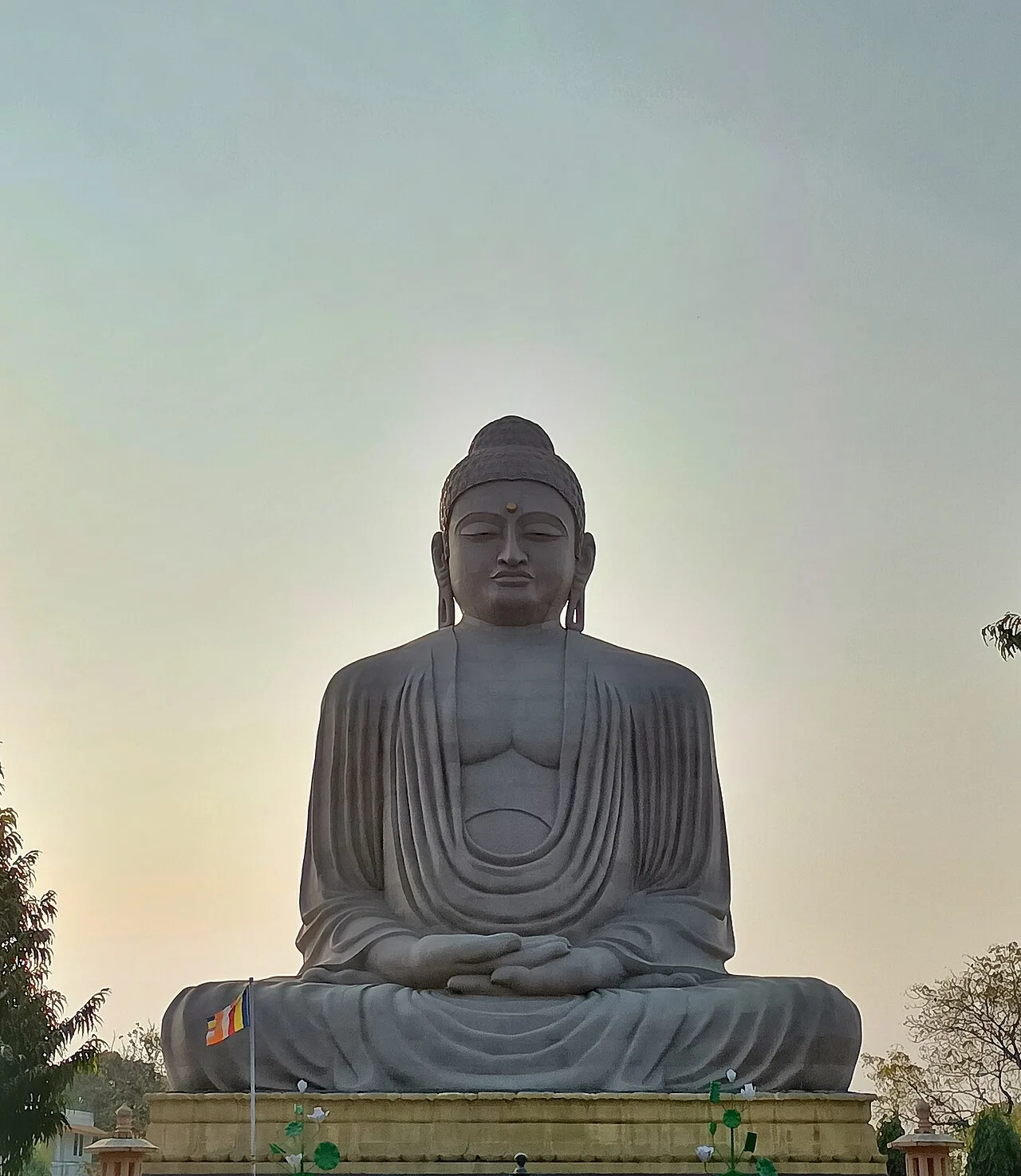
Great Buddha Statue
The Great Buddha Statue at Bodh Gaya is a major Buddhist monument in Bihar. Pilgrims and other visitors come to see its large seated figure, distinctive construction and surrounding sculptures.
Griddhakuta
Griddhakuta is a hill or peak in Bihar’s Gaya district. Visitors interested in identifying the district’s landforms may visit it, though no particular visitor activity is specified.
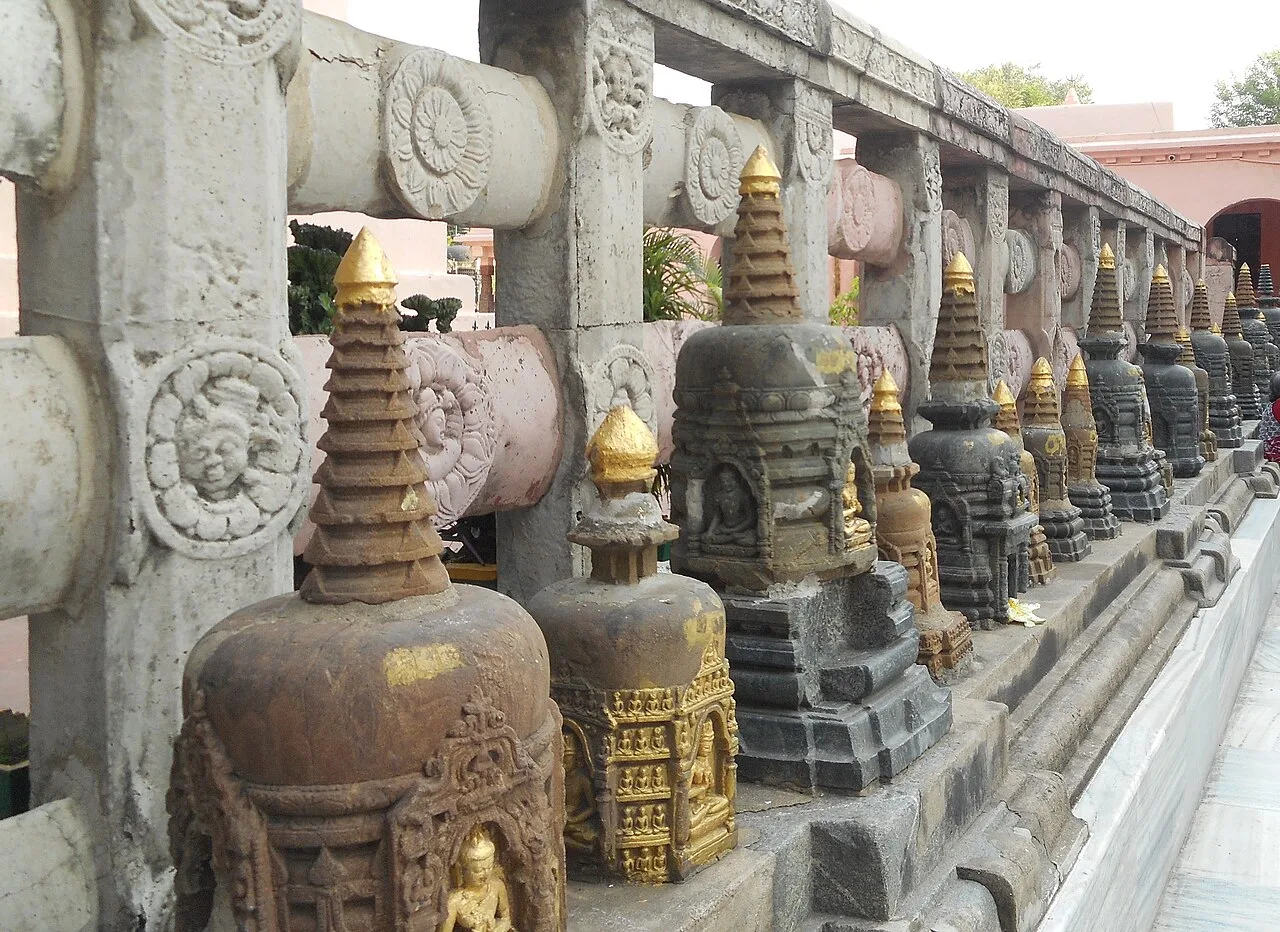
Mahabodhi Temple
The Mahabodhi Temple is a Buddhist sanctuary in Bodh Gaya, Bihar, associated with the Buddha’s enlightenment. Pilgrims visit its sacred tree and Vajrasana, while the complex is recognised as a UNESCO World Heritage Site.
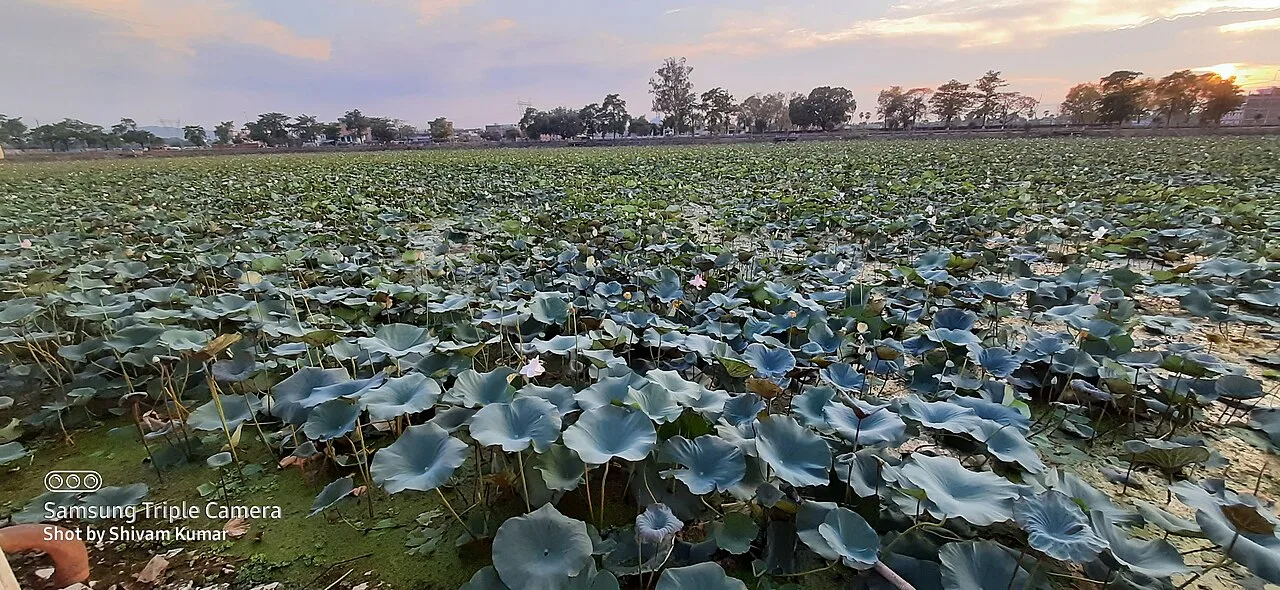
Pawapuri
Pawapuri, also called Pavapuri, is a Jain sacred site in Bihar’s Nalanda district. People travel there on pilgrimage because it is associated with Mahavira’s nirvana.
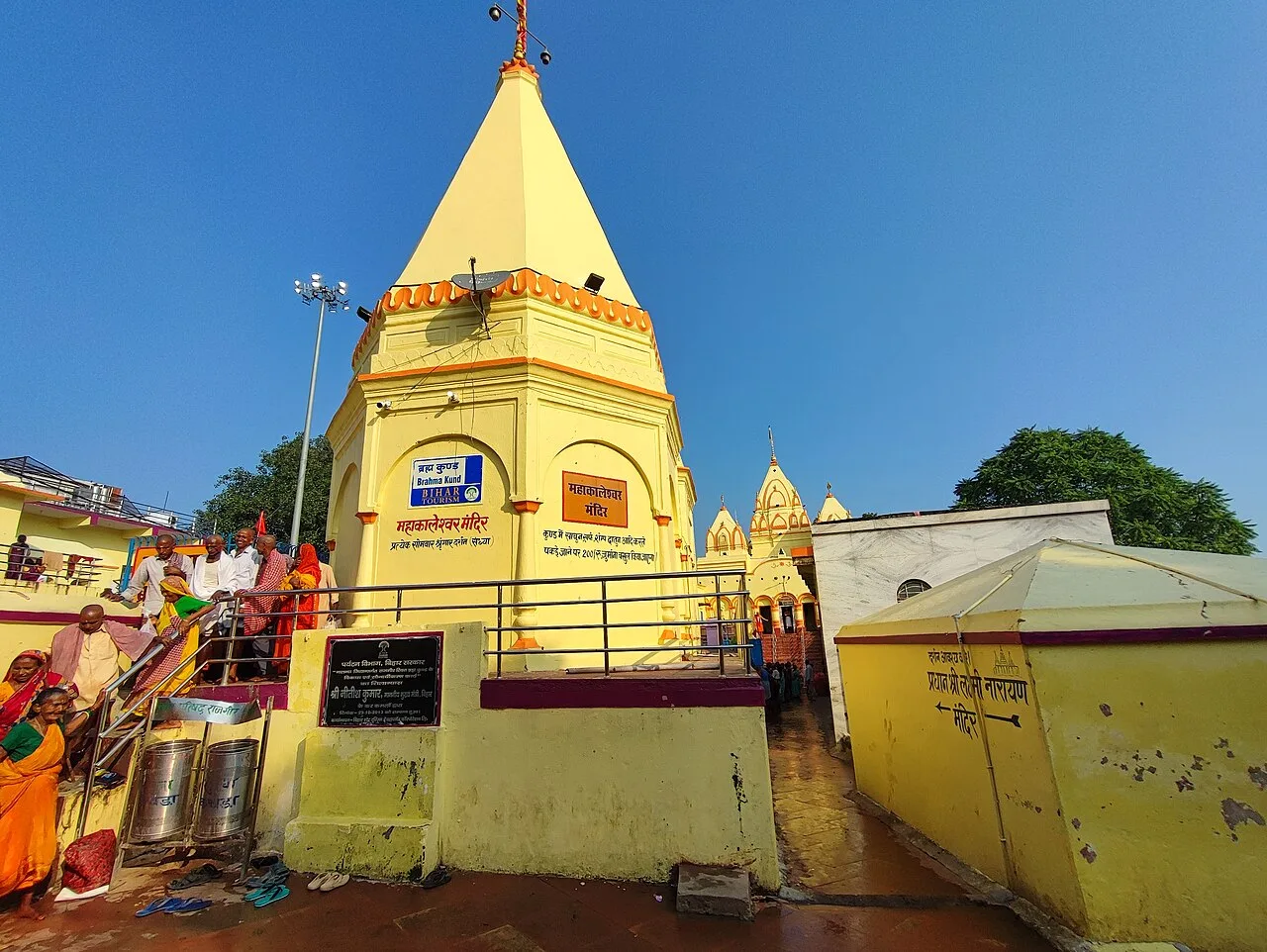
Rajgir Hot Springs
Rajgir Hot Springs is a heritage site in Bihar’s Gaya district. Visitors are drawn to the hot springs, which give the place its name.
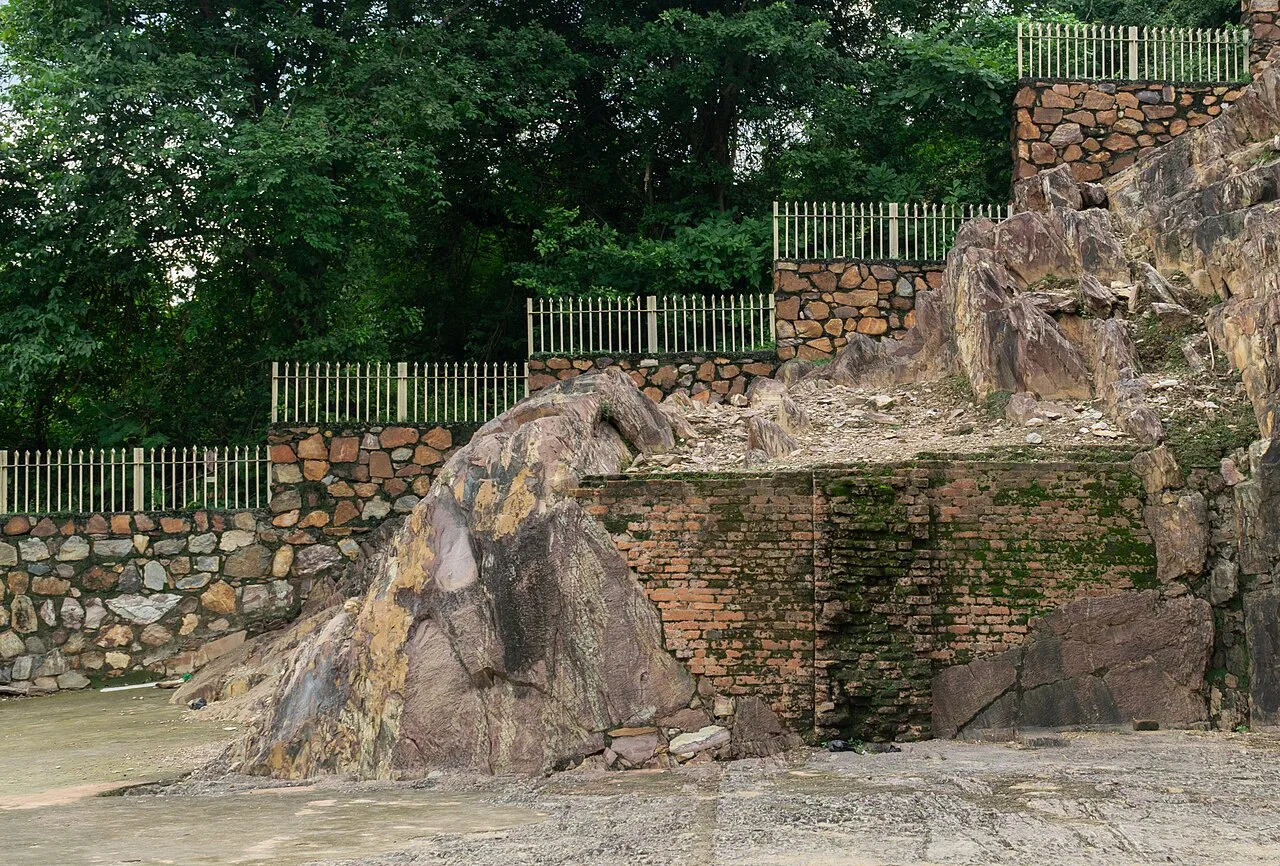
Son Bhandar
Located in Gaya district, Bihar, Son Bhandar is a heritage site that visitors may seek out for its place in the region’s heritage.
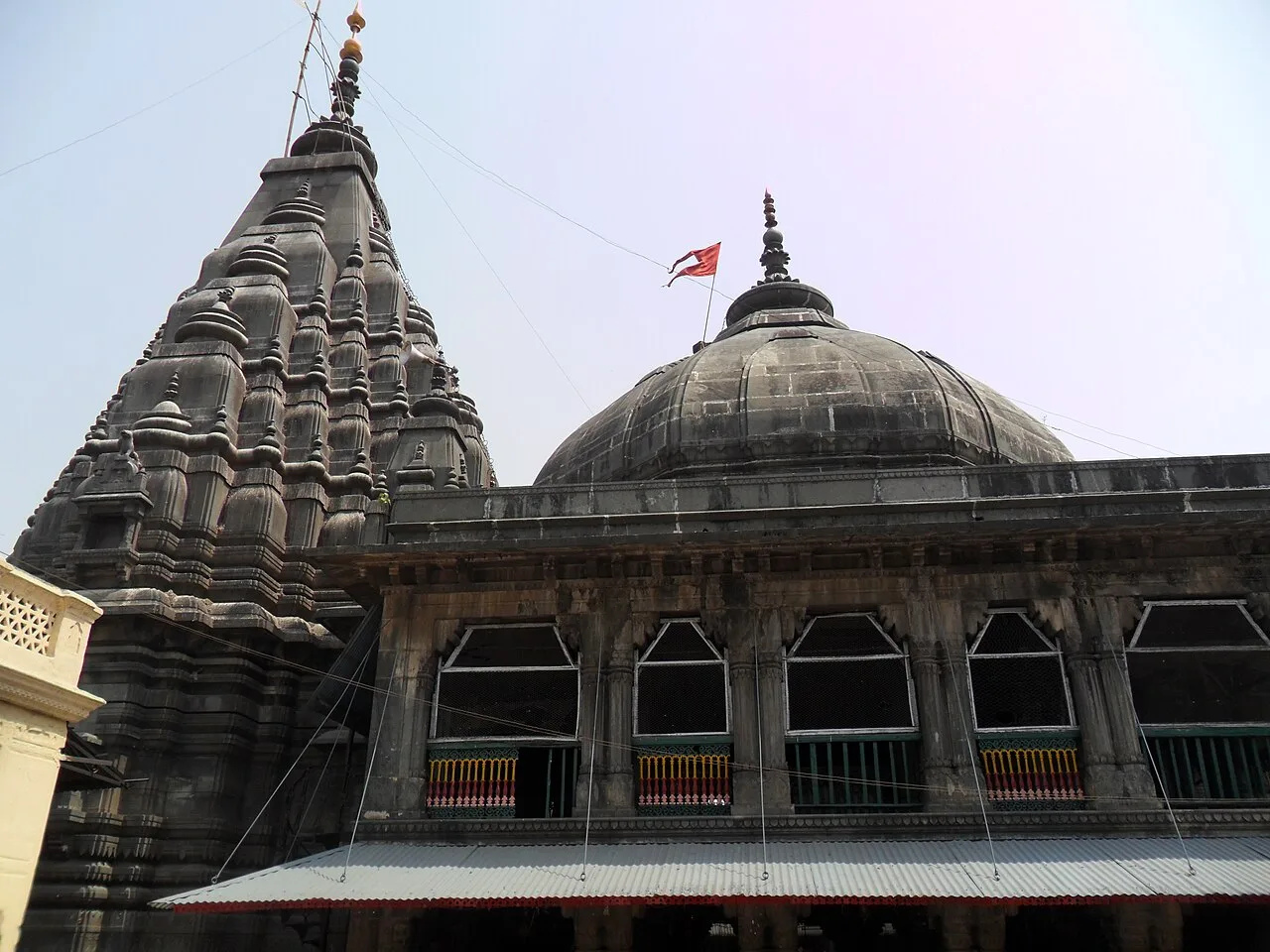
Vishnupad Temple
Vishnupad is a Hindu shrine to Vishnu in Gaya, Bihar, associated with the legend of Gayasura and visited by pilgrims for Shraddha observances.
Gaya is known for tilkut, a sesame sweet especially associated with the winter season, and anarsa, a rice-based sweet. Across Bihar, everyday favourites include litti chokha, sattu paratha and chana ghugni; khaja is associated with Silao in neighbouring Nalanda, rather than specifically with Gaya. Bodh Gaya has a range of eateries serving Indian and international food, reflecting its international Buddhist visitors, while smaller places may have a limited daily menu. Ask what is freshly prepared, and carry water and snacks when travelling to remote sites.
Patharkatti, in Gaya district, is associated with stone carving. Artisans there work stone into religious images and other carved objects, a tradition connected to the region’s long-standing pilgrimage culture. Craft items may also be sold in Gaya city and Bodh Gaya, but their place of manufacture can vary, so ask sellers about their origin. Bihar has other notable craft traditions, including sujni embroidery and sikki-grass work; these are regional arts and should not be assumed to be specific to Gaya.
The Pitrapaksha Mela, usually held around September or October, is Gaya’s most prominent pilgrimage gathering. Many Hindu visitors come to perform rites for ancestors, particularly at sites by the Phalgu River, so the city can become crowded and accommodation demand rises. Buddha Purnima, usually in April or May, is observed in Bodh Gaya and draws Buddhist pilgrims and visitors. Chhath, celebrated in Bihar in spring and autumn, brings families to riverbanks and other water edges for worship. During major religious periods, allow extra time for road journeys and arrange a room ahead.
Elsewhere in Bihar
Gaya lies where the plains of the Ganges basin meet the rocky uplands of southern Bihar. The Phalgu River passes Gaya city; its flow can vary by season, and the broad riverbed is a distinctive part of the pilgrimage landscape. Around Bodh Gaya, settled agricultural land is interspersed with low rocky hills, including the area around Dungeshwari Cave. Roads connect the main towns and sacred sites, but hill approaches and rural stretches can be uneven or slower to travel. The landscape is largely open and settled rather than a remote wilderness.
Gaya has hot summers, a monsoon season and cooler, generally drier winters. Summer heat can make sightseeing tiring, especially around exposed temple grounds and riverbanks. Monsoon rain can affect road conditions and make walking surfaces slippery, while humidity may be high. The more comfortable period for many visitors is from about October to March, though popular pilgrimage periods can be busy. Carry sun protection and light clothing in warmer months, and a light layer for cool winter mornings and evenings. During the monsoon, pack rain protection and footwear with a good grip.
Gaya Junction is the district’s principal railway station, and Gaya Airport serves the area, though flight options may vary. Patna is another major rail and air gateway for Bihar. Gaya is connected by road with Patna and other regional towns; buses and private vehicles are common ways to travel between them. Taxis, shared vehicles and autos can help with local journeys, including travel between Gaya city and Bodh Gaya. Services to smaller or remote sites may be limited, so arrange transport in advance where needed. Check current services locally before travelling.
Gaya city and Bodh Gaya are linked by road, with autos, taxis and shared vehicles commonly used for local journeys. Local buses and shared transport serve some routes, but service and convenience can vary, particularly outside the main towns. A taxi or arranged vehicle can be useful for visiting Dungeshwari Cave and for combining sites in one day. Roads around busy pilgrimage places may be congested during festivals, and rural or hill approaches can be rough in places. There are no boat journeys needed for the main visitor circuit; confirm local transport options before setting out.
2 days: Vishnupad Temple; Mahabodhi Temple; Bodhi tree; Great Buddha Statue; sleep in Gaya on night 1. 3 days: Vishnupad Temple; Mahabodhi Temple; Bodhi tree; Great Buddha Statue; Dungeshwari Cave; sleep in Gaya on night 1 and Bodh Gaya on night 2.
Gaya city is a practical base for Vishnupad Temple, the railway station and onward journeys. Bodh Gaya is better for visitors focusing on the Mahabodhi Temple complex and nearby Buddhist sites, with accommodation ranging from hotels and guesthouses to dharamshalas; homestays may also be available. Some visitors split their stay between the two towns to reduce daily road travel. Options can fill during Pitrapaksha and major Buddhist observances, so booking ahead is sensible. Check accessibility and facilities directly, especially for longer stays.
Pilgrimage sites can be crowded during festivals; keep valuables secure and agree on a meeting point if travelling in a group. Drink sealed or treated water and take care with food hygiene. Summer heat calls for shade, water and breaks, while monsoon rain can make roads and steps slippery. Dungeshwari’s rocky approach may require steady footwear and may not suit everyone with limited mobility. Traffic can be busy, and road conditions may vary outside towns; use a reputable local driver where needed. Mobile connectivity is generally more dependable in towns than in rural areas. Wildlife encounters are not typical on the main pilgrimage circuit; do not approach animals. No special visitor permit is generally required for these listed sites, but confirm any current access rules with official local sources.
- Jehanabadabout 35 km
- Chatra · Jharkhandabout 47 km
- Aurangabadabout 59 km
- Nawadaabout 63 km
- Nalandaabout 66 km
- Koderma · Jharkhandabout 67 km
- Hazaribagh · Jharkhandabout 92 km
- Patnaabout 102 km
Straight-line distance between the centres of each district's destinations; road distance is longer.
Q: How many days should I spend in Gaya district? A: Two days cover the main Gaya and Bodh Gaya pilgrimage sites; allow a third day if you want to visit Dungeshwari Cave at a relaxed pace. Q: When is the best time to visit? A: October to March is generally more comfortable for sightseeing, though major religious gatherings can make some periods crowded. Q: Where is the best base? A: Stay in Gaya city for Vishnupad Temple and rail connections, or in Bodh Gaya for the Mahabodhi Temple complex; splitting nights between them is another option. Q: How do I get to Gaya? A: Gaya Junction and Gaya Airport serve the area. Patna is another major gateway, with road and rail connections onward; check current services before travel. Q: Is Gaya suitable for families or elderly travellers? A: Yes, the main town and temple visits can suit families, but crowds, heat, steps and uneven ground may be challenging. Plan transport and walking breaks to match each traveller’s needs.
This page draws on our 10 destination guides for Gaya and is updated as our team checks it.
Be the first to share photos, stories, advice or a helpful contact for Gaya.
Loading…