
District · Bihar
Vaishali
Vaishali offers a compact introduction to north Bihar’s layered history and everyday life.
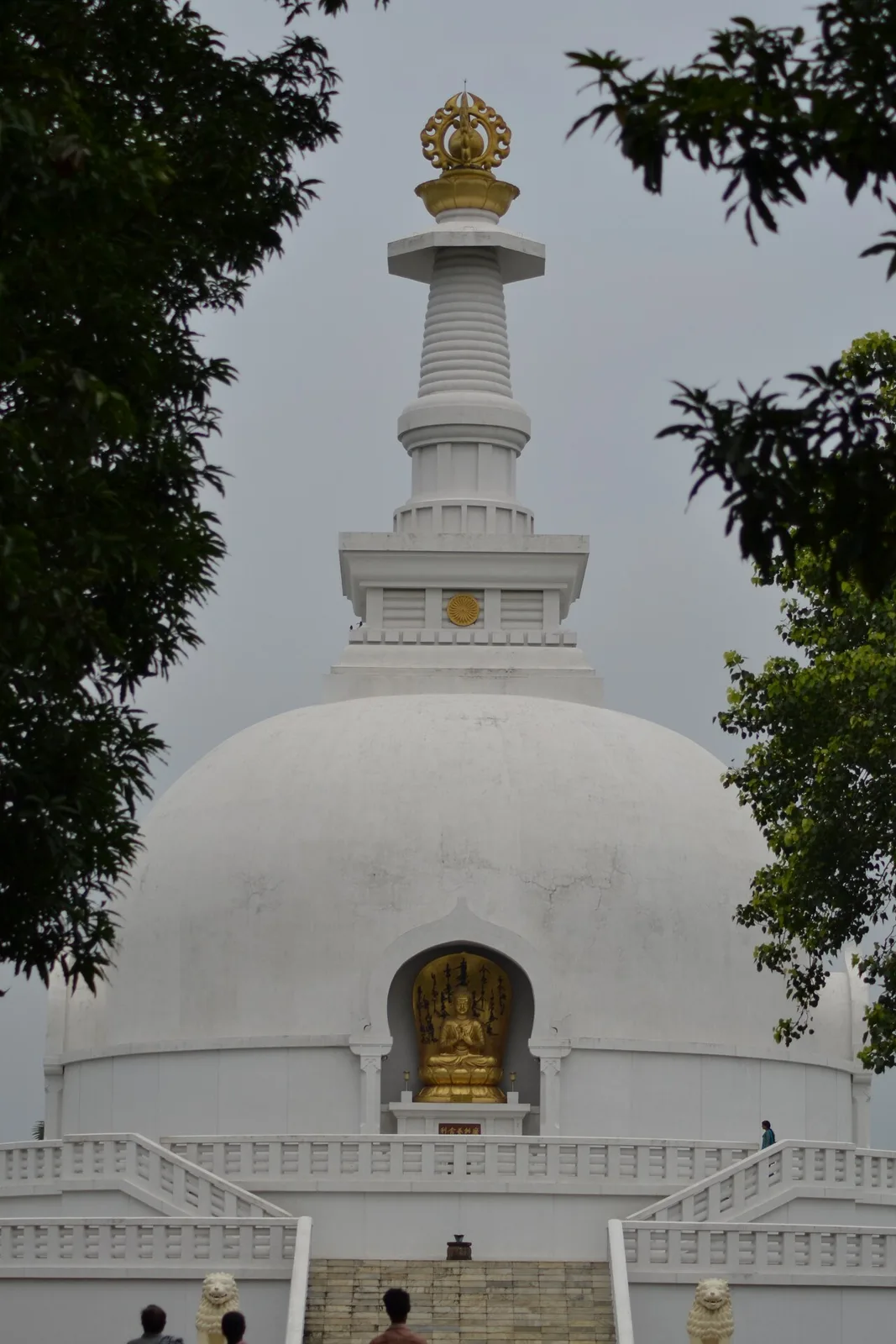
Vaishali district lies in the fertile plains of north Bihar, with the Ganga along its southern edge and the Gandak shaping its western landscape. Fields, villages and market towns surround Hajipur, the district headquarters and an important transport centre across the river from Patna. The ancient city of Vaishali, also known as Vesali, was associated with the Lichchhavis and the Vajji confederacy, often discussed among early republican political traditions. It holds deep significance for Buddhists through its connections with the Buddha, and for Jains through traditions surrounding Mahavira. Archaeological remains, stupas and the Ashokan pillar at Kolhua give the district its distinctive character: a working agricultural landscape layered with pilgrimage and ancient history.
Vaishali offers a compact introduction to north Bihar’s layered history and everyday life. The district lies in the fertile Gangetic plains, with Hajipur serving as a busy transport and market centre across the river from Patna. Its best-known draw is the archaeological area of ancient Vaishali, or Vesali, associated with the Lichchhavis and the Vajji confederacy. Buddhist traditions connect the area with the Buddha, while Jain traditions link it with Mahavira. The Ashokan pillar and nearby archaeological remains make Vaishali a meaningful pilgrimage and history stop, set amid villages, farms and working towns rather than a large, purpose-built tourist zone.
Ancient Vaishali, known in Pali as Vesali, was associated with the Lichchhavis, a prominent clan within the Vajji confederacy. The region is often discussed in accounts of early republican political traditions in South Asia. Buddhist texts record important visits by the Buddha, and Jain tradition identifies the area around Vaishali with Mahavira’s birth and early life. At Kolhua, an Ashokan pillar marks the Mauryan period, when the region was within the wider sphere of imperial rule. In later centuries, north Bihar passed through the influence of successive powers, including the Guptas, regional kingdoms and the Delhi Sultanate and Mughal administrations. After the East India Company expanded its control in the late eighteenth century, the area was governed within the colonial administrative landscape of Tirhut. Following independence, Hajipur and surrounding settlements remained part of Muzaffarpur district until Vaishali was established as a separate district in 1972. Its present identity brings together the ancient site and a predominantly agricultural, riverine region.
Food in Vaishali draws on the wider traditions of Bihar rather than a sharply separate district cuisine. Look for litti chokha, sattu paratha and chana ghugni, alongside everyday meals of rice, dal and seasonal vegetables. Thekua is closely associated with Chhath observances, while malpua is another familiar festive preparation. Makhana, associated especially with the wider Mithila region, appears in snacks and sweet dishes. Vegetarian travellers generally have plenty of choices, though availability varies between towns and small roadside eateries. Ask what has been freshly prepared, and carry drinking water and snacks when visiting archaeological sites away from larger settlements.
Craft traditions to explore here belong largely to the wider cultural landscape of Bihar and north Bihar. Madhubani painting is associated with Mithila, not specifically with Vaishali, while sujini embroidery is a recognised textile tradition of north Bihar, particularly neighbouring Muzaffarpur. Everyday craftwork across the region includes bamboo basketry, clay pottery and woven household items. Availability in Vaishali's markets can vary, so ask where an object was made rather than assuming it is locally produced. Buying directly from makers or established cooperatives, where possible, helps distinguish handmade work from mass-produced souvenirs.
Chhath, celebrated in autumn and again in spring, is especially significant across Bihar; riverbanks and water bodies can become crowded during observances. Diwali and Holi are widely celebrated, while Mahavir Jayanti and Buddha Purnima draw religious visitors to sites connected with Jain and Buddhist traditions. A Vaishali Mahotsav is associated with the district and is generally held around the season of Mahavir Jayanti, though programming can vary. These occasions may increase visitor numbers and put pressure on the limited accommodation near the archaeological area, so booking ahead and checking local arrangements is sensible.
In this district
Vaishali is a flat, fertile plain of cultivated fields, villages and market settlements. The Ganga marks the district’s southern edge, while the Gandak shapes its western landscape; canals and smaller watercourses also cross the agricultural countryside. There are no major hills or extensive forests on the usual visitor routes. Hajipur is the principal urban centre, while the archaeological area lies among smaller settlements north of it. The open terrain makes road travel straightforward in dry conditions, but low-lying stretches and river crossings can be affected by monsoon waterlogging or disruption.
Summer, broadly from March into June, is hot and can feel humid; plan outdoor visits for the cooler parts of the day and carry sun protection and water. The monsoon generally runs from June into September, bringing heavy showers, muddy approaches and possible road disruption. Winter, from around November to February, is usually the most comfortable season for exploring the archaeological area, though mornings and evenings can be cool or foggy. October and February are also useful shoulder-season months. Pack light breathable clothes for warmer weather, a light layer for winter, comfortable walking shoes, rain protection in monsoon, and mosquito repellent.
Jay Prakash Narayan Airport in Patna is the nearest practical airport for visiting Vaishali's archaeological area. Hajipur Junction is an important railway gateway within the district; Muzaffarpur Junction is another useful option for the ancient site. Roads connect Hajipur with Patna across the Ganga and with settlements farther north, including the Vaishali archaeological area. Buses and shared vehicles serve major routes, while auto-rickshaws and hired cars can help with local journeys. For scattered monuments, arranging a vehicle and agreeing on the return journey is sensible. Allow extra time for traffic and monsoon disruption, and check current services locally.
Hajipur is the district’s main transport hub, with road connections towards Patna, Muzaffarpur and settlements around the Vaishali archaeological area. Local buses and shared vehicles serve major routes, but services may be less convenient for reaching scattered monuments or returning later in the day. Auto-rickshaws are useful for shorter journeys, while a hired car or local taxi offers more flexibility for a site visit. Agree on the return arrangement before setting out, especially outside town centres. Boats are not a dependable visitor transport option; check current river and road conditions locally, particularly during the monsoon.
2 days: Vaishali; sleep in Hajipur both nights. 3 days: Vaishali, with a slower second day at the archaeological area; sleep in Hajipur each night.
Hajipur is the most practical base for railway connections, food and a wider choice of ordinary hotels, and it suits a short visit to Vaishali. Staying nearer the archaeological area can reduce local road travel, but accommodation choices are more limited and should be checked in advance. Simple guesthouses or dharamshalas may be available in the wider area; availability and facilities vary. Government lodges or homestays should not be assumed to be open or operating without confirmation. For festival periods, reserve early and verify the location and transport arrangements directly.
The main visitor routes are through towns and open farmland, but uneven ground, steps and exposed paths around archaeological remains call for sturdy footwear and care, especially for older visitors. Carry drinking water and use sealed or otherwise reliably treated water; take precautions against heat, mosquitoes and monsoon mud. Traffic can be busy near Hajipur and on inter-town roads, while rain, fog or flooding may slow journeys. Mobile coverage is generally available in populated areas but can vary on rural stretches. Crowds increase during religious festivals. Ordinary visits generally do not involve a special permit, but confirm any site-specific access rules or temporary restrictions with official sources.
- Saranabout 36 km
- Patnaabout 45 km
- Sitamarhiabout 75 km
- Darbhangaabout 81 km
- East Champaranabout 87 km
- Nalandaabout 103 km
- Madhubaniabout 103 km
- Jehanabadabout 112 km
Straight-line distance between the centres of each district's destinations; road distance is longer.
Q: How many days should I spend in Vaishali district? A: Two days are enough for a focused visit; three allow a slower archaeological-site visit and more flexibility for road conditions. Q: When is the best time to visit? A: Winter, from around November to February, is usually most comfortable. Shoulder-season months can also work well. Q: What is the best base for visiting the archaeological area? A: Hajipur is the most practical base for transport and services; staying closer to the site may reduce driving but offers fewer choices. Q: How do I get to Vaishali? A: Travel via Patna’s Jay Prakash Narayan Airport or by rail to Hajipur Junction, then continue by road. Muzaffarpur can also be a useful rail gateway. Q: Is Vaishali suitable for families or elderly travellers? A: Yes, with planning. Arrange road transport, carry water and allow for uneven paths, heat, crowds and limited facilities at the archaeological area.
This page draws on our 1 destination guides for Vaishali and is updated as our team checks it.
Be the first to share photos, stories, advice or a helpful contact for Vaishali.
Loading…