
District · Bihar
East Champaran
East Champaran lies in north Bihar, close to the Nepal border, and offers a way to explore the region’s Buddhist heritage and modern history.
East Champaran lies in the fertile plains of northern Bihar, where rivers, ponds and cultivated fields shape a largely rural landscape. Its district headquarters, Motihari, is a regional centre for surrounding towns and villages. The area is closely associated with the Champaran Satyagraha of 1917, when Gandhi’s campaign against indigo planters became an important episode in India’s independence movement. Kesariya Stupa, a major Buddhist archaeological site, adds a much older layer of history and draws visitors to the district. East Champaran’s character reflects this mix of farming communities, historic places and busy routes linking inland Bihar with the Nepal border.
East Champaran lies in north Bihar, close to the Nepal border, and offers a way to explore the region’s Buddhist heritage and modern history. It is best known among visitors for the Kesaria Stupa, a large Buddhist monument associated with the Buddha’s final journey, and for Motihari’s connection with the Champaran Satyagraha of 1917. The district’s towns and rural landscapes also reflect the history of the wider Champaran region, including colonial-era indigo cultivation. East Champaran can be visited as a focused heritage trip or combined with neighbouring districts. Lauria Nandangarh, sometimes grouped with Champaran itineraries, is in West Champaran, not East Champaran.
Champaran’s history reaches back to ancient and early medieval north India. The region lay within territories influenced by major powers including the Mauryas and Guptas, though the surviving record varies by site. Kesaria’s Buddhist stupa reflects the area’s long religious significance; local Buddhist tradition associates the place with the Buddha’s final journey. In the colonial period, European planters established indigo cultivation in Champaran, and the system imposed hardship on many cultivators. In 1917, Gandhi’s investigation of peasant grievances and the resulting Champaran Satyagraha became an important episode in India’s freedom movement. Motihari is closely associated with this history and today serves as East Champaran’s administrative headquarters. The larger Champaran district was divided into East and West Champaran in 1972, creating the present district. The distinction matters for travel: Kesaria is in East Champaran, while Lauria Nandangarh is in neighbouring West Champaran.
2 destination guides
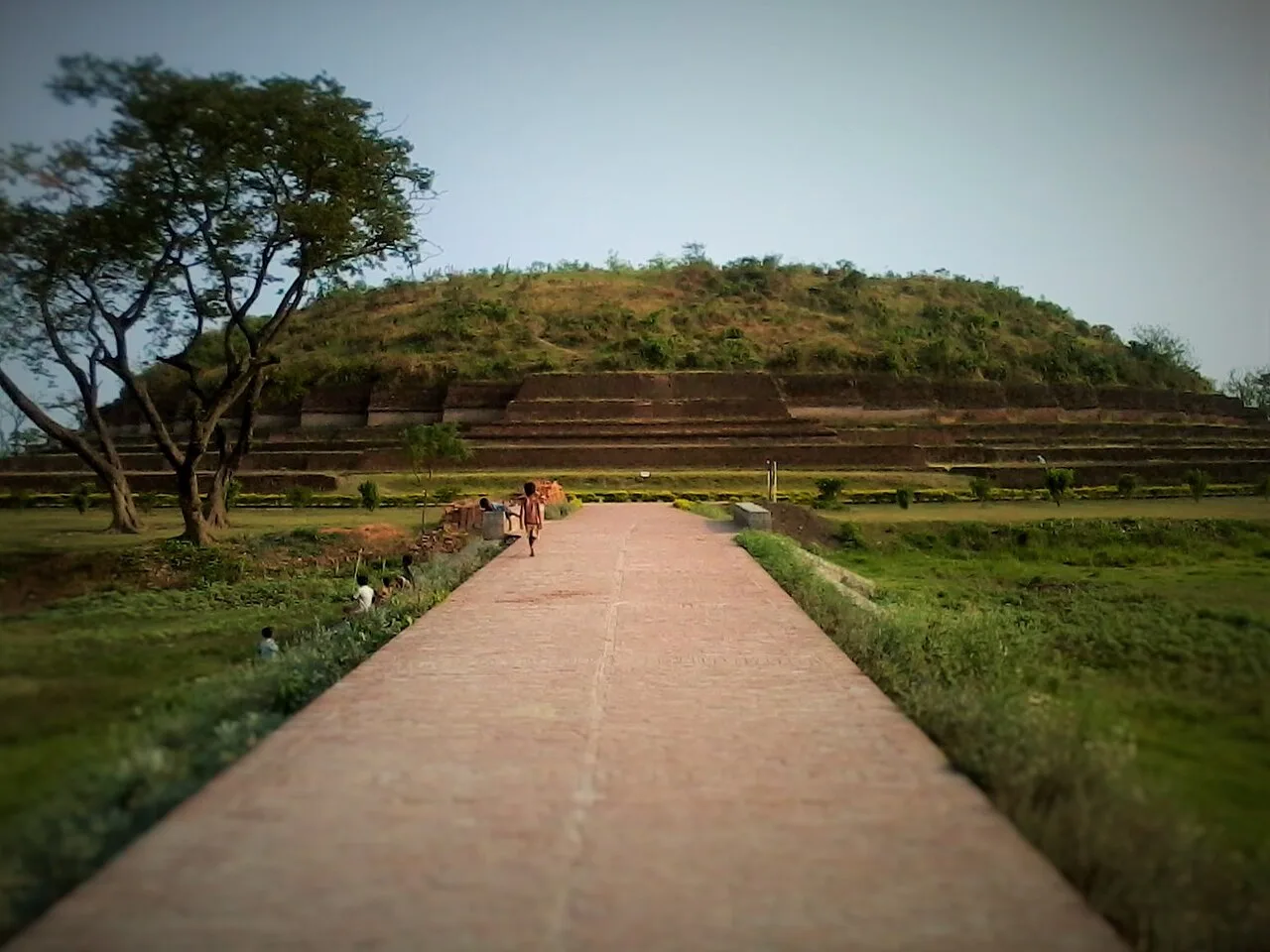
Kesaria stupa
Kesariya Stupa is a Buddhist monument in Bihar’s East Champaran district, at Kesariya near Mehsi. Visitors come to see the structure, whose construction began in the third century BCE.
Lauria Nandangarh
Lauria Nandangarh is a historic settlement in Bihar’s West Champaran district, known for an Ashokan pillar and a nearby mound, with Mauryan-period remains found in the area.
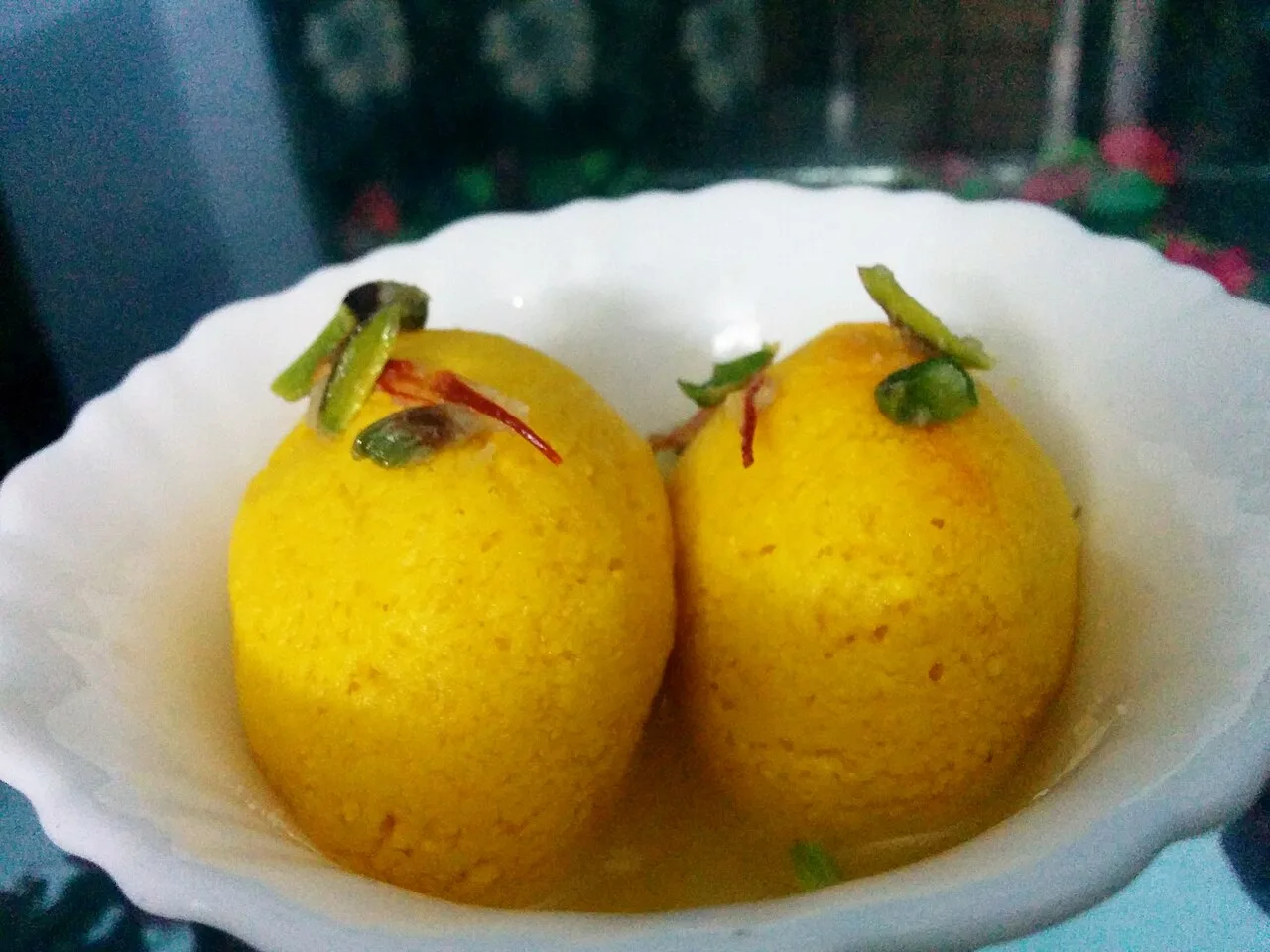
Food in East Champaran belongs to the broader north Bihar and Bihari culinary tradition. Litti chokha, sattu paratha, chana ghugni and seasonal vegetable dishes are common regional choices; thekua is a familiar sweet and travel snack. Champaran-style meat, often slow-cooked in a sealed pot, is associated with the wider Champaran region, though recipes and availability vary. Small eateries may prepare a limited menu each day, so ask what is fresh. Vegetarian food is widely available, and larger towns generally offer non-vegetarian options. At remote sites, carry drinking water and snacks rather than relying on finding a restaurant.
East Champaran is not widely identified with one signature craft, and visitors should distinguish local work from better-known traditions elsewhere in Bihar. In the district and the wider region, practical village crafts can include pottery, bamboo and cane basketry, and household goods made for local use. These are often small-scale activities rather than formal visitor attractions, and availability varies between markets and villages. Bihar also has prominent painting and textile traditions, but these are associated with particular areas of the state and should not automatically be attributed to East Champaran.
Chhath is widely observed in Bihar, usually in autumn and again in spring, with worship and gatherings near water bodies. Holi in spring and Diwali in autumn are also celebrated across the district, alongside Eid and other religious observances. These are regional traditions rather than tourist events unique to East Champaran. Local fairs and religious gatherings may take place around festival periods, but schedules vary by town and year. Travel can be busier then, and accommodation in larger towns may be in greater demand, so visitors should check availability ahead of travel.
Elsewhere in Bihar
East Champaran is largely a flat, fertile plain of the northern Gangetic region. The Gandak and Burhi Gandak river systems, along with smaller channels and ponds, shape agriculture and settlement; some low-lying areas can be affected by monsoon flooding or waterlogged roads. There are no coastal or hill landscapes in the district. Towns and heritage sites are connected across open rural terrain, but the condition of smaller roads can vary, especially after heavy rain. Visitors heading to Kesaria should allow for a rural road journey beyond the main towns.
The district has hot summers, a monsoon season generally spanning the middle part of the year, and cooler, drier winters. Summer travel can feel tiring in the heat, while monsoon rain may disrupt road journeys and leave rural routes muddy or waterlogged. The cooler months, broadly from late autumn through winter, are usually the most comfortable for sightseeing. Spring can also be pleasant, though temperatures rise as summer approaches. Pack light clothing and sun protection for warm weather, a light layer for winter evenings, and rain protection if travelling during the monsoon. Check local conditions before setting out to rural sites.
Bapudham Motihari is the district’s principal railway station and a useful rail gateway. Jay Prakash Narayan International Airport in Patna is a major air gateway; the onward journey to East Champaran is by road. National and state highways connect Motihari with other Bihar towns and with settlements towards the Nepal border. Buses and shared vehicles serve larger towns, while autos or hired cars are useful for reaching smaller sites such as Kesariya Stupa; transport can be less frequent outside town centres. Plan the final leg ahead, especially for rural destinations, and check current services locally.
Motihari is the district’s main town and a practical point for arranging onward road travel. Roads link it with towns such as Mehsi and Kesaria, while buses and shared vehicles serve many town-to-town routes; service and frequency can vary. The final stretch to a heritage site may require a local auto-rickshaw, hired taxi or other locally arranged vehicle. Confirm return transport before travelling to rural areas, particularly later in the day. Lauria Nandangarh is in West Champaran and requires a separate inter-district journey. Boats are not a usual sightseeing transport option for these destinations.
2 days: Kesaria stupa; night 1 in Motihari. 3 days: Kesaria stupa, Lauria Nandangarh (West Champaran extension); night 1 in Motihari, night 2 in Bettiah.
Motihari is the most practical base for a short East Champaran visit, with hotels and guesthouses and access to local transport. For a Kesaria visit, Mehsi or nearby towns may be convenient, though accommodation choices can be more limited than in Motihari. Travellers adding Lauria Nandangarh should plan to stay in Bettiah, in West Champaran, rather than treating it as an East Champaran stop. Dharamshalas and other basic lodgings may be available in some towns; homestays and government accommodation should not be assumed, so confirm availability before travel.
Most visits involve ordinary town and rural-road travel rather than difficult terrain. Heat, monsoon downpours, flooding and rough or waterlogged rural roads can affect journeys, so check conditions locally and avoid rushing after dark. Use safe drinking water and take usual food and insect precautions. Crowds can build around festivals and religious gatherings; keep valuables secure. Mobile connectivity is generally more dependable in towns than in some rural stretches, so arrange return transport in advance. No special visitor permit is generally associated with these listed sites, but confirm current access requirements with local or official sources before setting out.
- Kushinagar · Uttar Pradeshabout 74 km
- Sitamarhiabout 87 km
- West Champaranabout 87 km
- Vaishaliabout 87 km
- Saranabout 121 km
- Gorakhpur · Uttar Pradeshabout 127 km
- Patnaabout 128 km
- Darbhangaabout 138 km
Straight-line distance between the centres of each district's destinations; road distance is longer.
Q: How many days should I spend in East Champaran? A: Two days can cover a focused visit to Kesaria and Motihari. Allow three days if adding Lauria Nandangarh in West Champaran. Q: When is the best time to visit? A: The cooler months from late autumn through winter are generally most comfortable. Monsoon travel can be affected by rain and road conditions. Q: Where is the best base? A: Motihari is the most practical base for East Champaran. Mehsi may suit a Kesaria visit, while Bettiah is useful for Lauria Nandangarh in West Champaran. Q: How do I get to the district and its sights? A: Reach a major town such as Motihari by road or rail, then use local buses, shared vehicles, autos or a hired taxi for onward travel. Check connections for the final rural stretches. Q: Is East Champaran suitable for families or elderly travellers? A: Yes, with planning. Choose comfortable road transport, allow time for rural journeys, and consider heat, uneven site surfaces and limited facilities outside larger towns.
This page draws on our 2 destination guides for East Champaran and is updated as our team checks it.
Be the first to share photos, stories, advice or a helpful contact for East Champaran.
Loading…