
District · Uttar Pradesh
Gorakhpur
Gorakhpur is a major urban and transport centre in eastern Uttar Pradesh, serving the wider Purvanchal region and the countryside around it.
Gorakhpur district lies in the fertile plains of eastern Uttar Pradesh, where rivers, cultivated fields and wetlands shape the landscape. The Rapti River is an important geographical presence, while Ramgarh Tal gives Gorakhpur city a distinctive lakeside setting. The district’s religious identity is closely associated with Gorakhnath Math, a major institution of the Nath tradition named for the revered yogi Gorakhnath. Around this spiritual centre, Gorakhpur has developed into a busy commercial and transport hub for the surrounding countryside. Its character combines pilgrimage, urban markets and the agricultural rhythms of the wider Purvanchal region. Monsoon rain brings lush scenery, but waterlogging and flooding can affect travel in vulnerable areas.
Gorakhpur is a major urban and transport centre in eastern Uttar Pradesh, serving the wider Purvanchal region and the countryside around it. Travellers come for Gorakhnath Math, an important centre of the Nath tradition, and for the lakeside setting of Ramgarh Tal. The city’s markets, religious life and busy railway junction offer a sense of how regional travel and commerce come together in this part of the state. Beyond the city, the district’s fertile plains and wetlands reflect its agricultural setting. Gorakhpur can suit visitors seeking a pilgrimage, a short city break or a base for exploring eastern Uttar Pradesh.
The Gorakhpur region lies in the eastern Gangetic plain, an area shaped over many centuries by changing kingdoms and religious traditions. The wider region was associated in ancient times with the Kosala and Malla polities, though their boundaries do not map neatly onto the modern district. Later, successive north Indian powers held influence here, while the Nath tradition became closely associated with Gorakhnath and the religious institution that bears his name. In the early modern period, the area formed part of the territories governed by the Nawabs of Awadh. In 1801, Awadh ceded Gorakhpur and surrounding territory to the East India Company, and Gorakhpur became a British administrative centre. The district also figured in the upheavals of 1857. In 1922, the Chauri Chaura incident in the Gorakhpur area became a significant episode in India’s freedom movement; it led Mahatma Gandhi to call off the Non-Cooperation Movement. After independence, administrative boundaries in eastern Uttar Pradesh changed as new districts were formed, so the present district is not identical to the historical region.
2 destination guides · 1 on the map
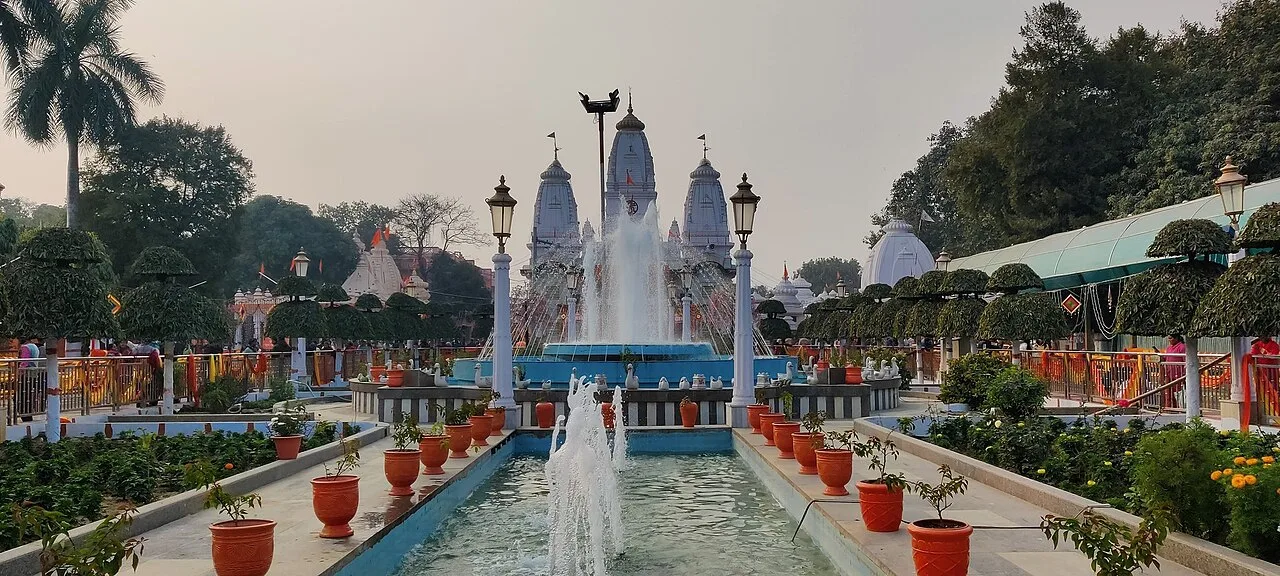
Gorakhnath Math
Gorakhnath Math is a Hindu temple and Nath monastic centre in Gorakhpur, Uttar Pradesh. People visit for its religious role and the cultural and social activities held on its premises.
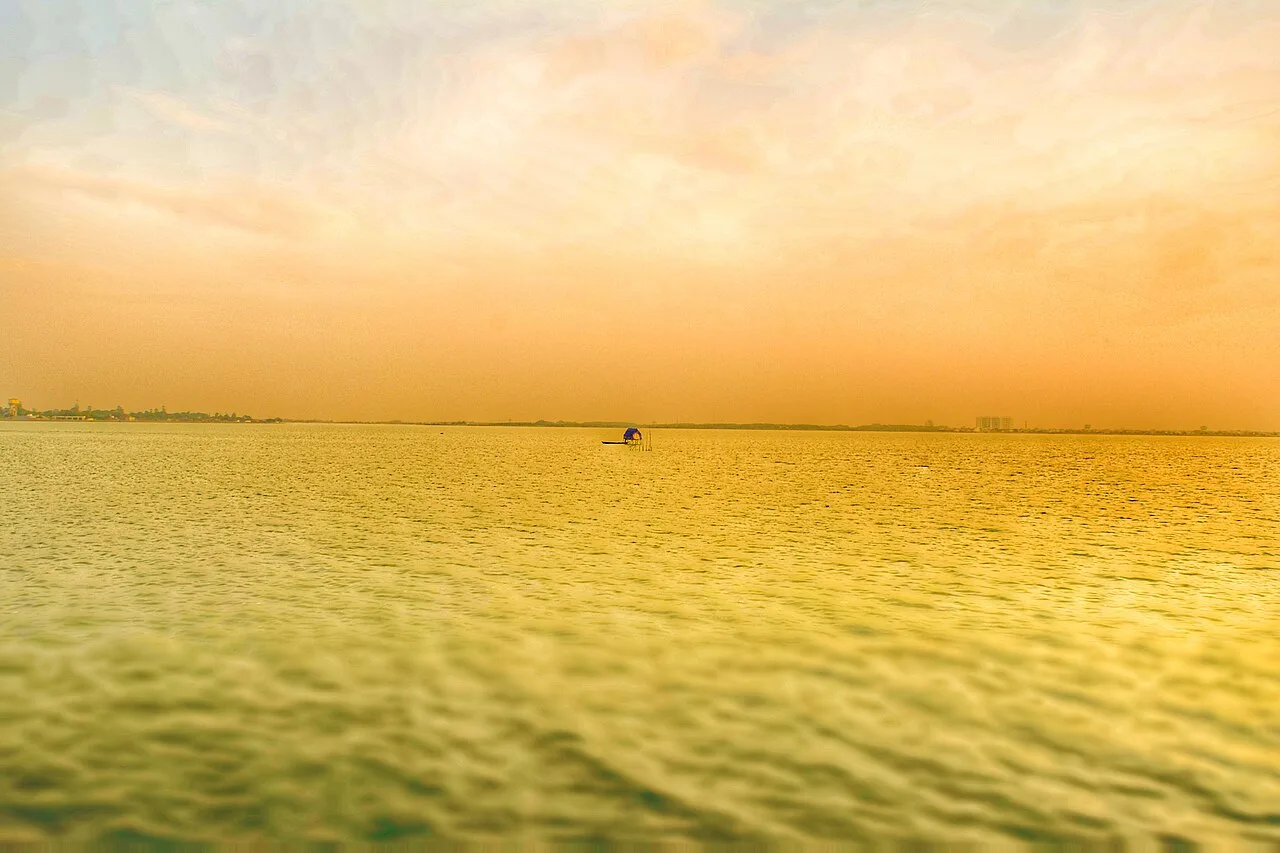
Ramgarh Tal
Ramgarh Tal is a lake in Gorakhpur district, Uttar Pradesh. People visiting the area can include it in their plans to see this local body of water.
Food in Gorakhpur belongs broadly to the eastern Uttar Pradesh, or Purvanchal, kitchen, with everyday meals built around rice, roti, dal and seasonal vegetables. Litti-chokha and sattu-based preparations reflect food traditions shared with neighbouring Bihar rather than dishes exclusive to the district. Kachori-sabzi, samosas and jalebi are familiar breakfast and snack options, while sweet shops offer milk-based sweets. Around religious sites, vegetarian meals are generally easy to find. Ask small eateries what has been freshly prepared, and favour busy stalls cooking food to order. Specialities from Lucknow, Agra or Mathura should not be assumed to be Gorakhpur’s own traditions.
Gorakhpur is particularly associated with terracotta work, a longstanding pottery tradition recognised with a Geographical Indication tag. Artisans in villages around the city shape clay into decorative horses, elephants, figures, lamps and household objects. The characteristic reddish terracotta surface is often enriched with carefully modelled details and pierced or incised decoration. These pieces connect everyday pottery skills with ornamental and devotional uses. When buying, ask where an object was made and whether it is locally handcrafted. Delicate projections and hollow forms need careful packing for the journey home.
Makar Sankranti, usually in January, is especially prominent at Gorakhnath Math, where the Khichdi Mela draws pilgrims and visitors. The surrounding temple area can become very crowded, and accommodation may be in greater demand during the fair. Holi, Diwali and Navratri are observed across the district, while Chhath, usually in autumn, is an important regional festival in eastern Uttar Pradesh and brings families to water edges for rituals. Eid is also celebrated by local Muslim communities. For major festival periods, reserve a room ahead and allow extra time for movement around busy areas.
Elsewhere in Uttar Pradesh
Gorakhpur district is largely level, with fertile alluvial plains, cultivated fields and wetlands; it has no hill country or coast. The Rapti and other regional rivers are important features, while Ramgarh Tal gives the city a notable lake landscape. Seasonal water levels shape rural roads and access to low-lying areas. During the monsoon, fields and wetlands become greener, but heavy rain can bring waterlogging or flooding and slow journeys. In drier months, travel across the plains is generally more straightforward, though traffic within Gorakhpur city can still be busy.
Gorakhpur has hot summers, a summer monsoon and cooler winters. The monsoon generally brings the heaviest rain and can make low-lying roads difficult, so check conditions before travelling outside the city. October to March is usually the most comfortable period for sightseeing, with cooler weather in winter; mornings and evenings can feel chilly. Summer visits are possible, but plan outdoor walks for the cooler parts of the day and carry sun protection. Pack light, breathable clothing for warm weather, a rain jacket or umbrella during the monsoon, and a warm layer for winter mornings and evenings.
Gorakhpur Junction is the district’s principal railway gateway, with connections to major cities across northern India and beyond. Gorakhpur Airport provides air access; confirm available routes before planning around a flight. Road links connect the city with Lucknow, Varanasi, Kushinagar and other centres in eastern Uttar Pradesh, using state transport buses, private buses and taxis. Within Gorakhpur, auto-rickshaws, e-rickshaws and taxis are practical for reaching Gorakhnath Math, Ramgarh Tal and transport terminals. Allow extra time for traffic and monsoon disruption, especially when continuing into rural parts of the district. Check current services locally.
Gorakhpur city is the district’s main transport hub, with road connections toward neighbouring towns and other centres in eastern Uttar Pradesh. Local buses serve some routes, while shared vehicles may be available for shorter journeys; services and availability vary. Within the city, auto-rickshaws and e-rickshaws are useful for reaching Gorakhnath Math, Ramgarh Tal and the railway station, and taxis can be arranged for more direct trips. Traffic can be slow near busy markets and religious sites. For rural travel, confirm the return journey locally and allow extra time in the monsoon.
2 days: Gorakhnath Math → Ramgarh Tal; sleep night 1 in Gorakhpur city. 3 days: Ramgarh Tal → Gorakhnath Math; sleep nights 1 and 2 in Gorakhpur city.
Gorakhpur city is the practical base for both listed destinations and for onward rail or road travel. It offers a range of hotels, along with simpler guesthouses and religious accommodation such as dharamshalas; availability and facilities vary, so check suitability before booking. Staying in the city keeps local transport options close at hand, while a quieter location near Ramgarh Tal may suit visitors prioritising the lakeside setting. During the Khichdi Mela and other busy festival periods, arrange accommodation in advance.
Check local weather and road conditions during the monsoon, when waterlogging or flooding can affect low-lying routes. City traffic is busy, so take care when crossing roads and use a reliable local driver for unfamiliar journeys. At Ramgarh Tal, follow local guidance near the water and supervise children closely. Use safe drinking water and take usual precautions against mosquitoes, particularly after rain. Crowds can be dense around Gorakhnath Math during festivals; keep valuables secure and agree on a meeting point if travelling in a group. Mobile connectivity is generally available in the city but may be less dependable in rural areas. No special visitor permit is generally required for these listed sights; confirm any local restrictions officially.
- Kushinagarabout 53 km
- West Champaran · Biharabout 101 km
- Ayodhyaabout 115 km
- Chandauliabout 120 km
- East Champaran · Biharabout 127 km
- Jaunpurabout 132 km
- Buxar · Biharabout 149 km
- Shravastiabout 154 km
Straight-line distance between the centres of each district's destinations; road distance is longer.
Q: How many days should I spend in Gorakhpur? A: Two days are enough to visit Gorakhnath Math and Ramgarh Tal at an unhurried pace. Add a day if you want a slower schedule or onward travel. Q: When is the best time to visit? A: October to March is generally the most comfortable season. Monsoon travel can be affected by rain and waterlogging. Q: Where is the best base for visiting the district’s listed sights? A: Gorakhpur city is the most practical base, with access to both destinations and the main transport hub. Q: How do I get to Gorakhpur? A: Gorakhpur Junction is the principal rail gateway, and Gorakhpur Airport provides air access; confirm current flight routes. Road buses and taxis also connect the city with regional centres. Q: Is Gorakhpur suitable for families or elderly travellers? A: Yes, a city-based visit can work well, especially with taxis and a flexible pace. Festival crowds, traffic, uneven surfaces and monsoon conditions may require extra care.
This page draws on our 2 destination guides for Gorakhpur and is updated as our team checks it.
Be the first to share photos, stories, advice or a helpful contact for Gorakhpur.
Loading…