
District · Uttar Pradesh
Banda
Banda offers a way to explore Bundelkhand’s history and landscape in southern Uttar Pradesh, where cultivated country, rocky ground and river valleys meet the northern edge of the Vindhyan region.
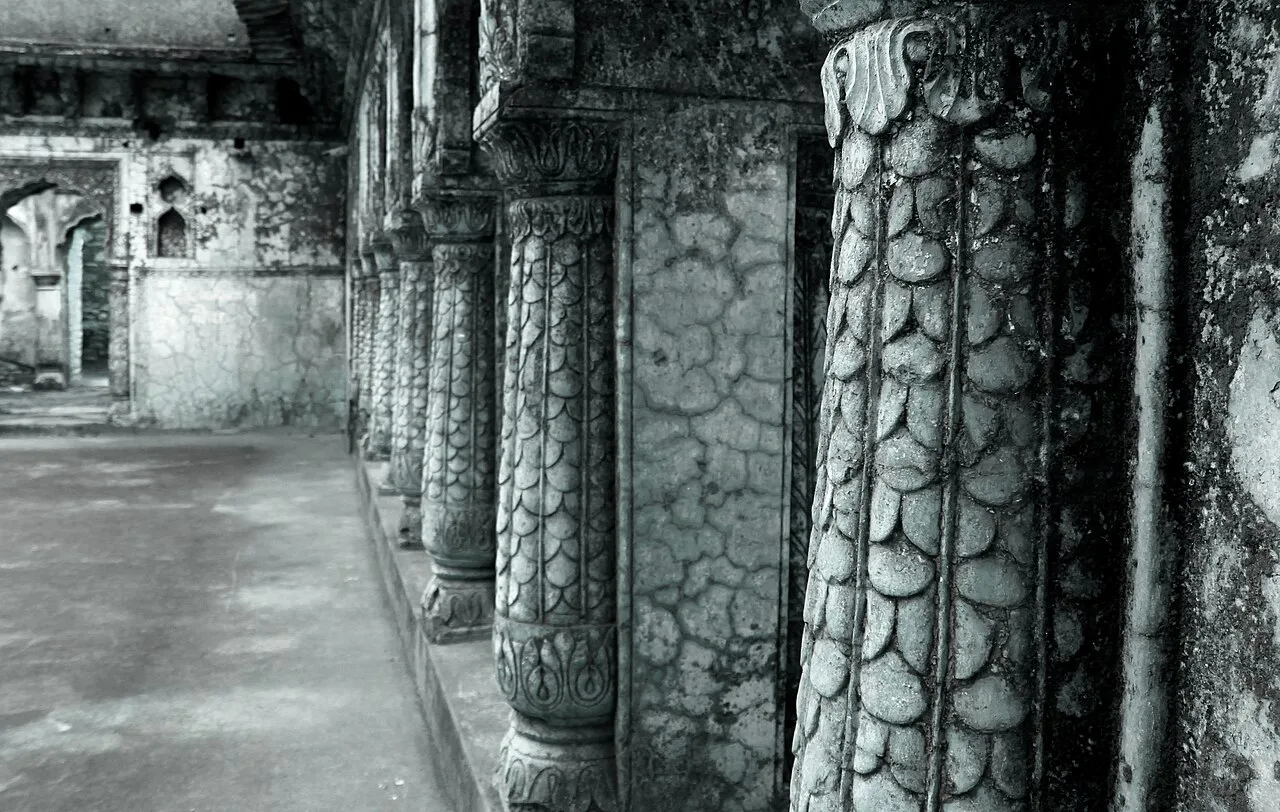
Banda lies in southern Uttar Pradesh’s Bundelkhand region, where cultivated plains meet rocky outcrops and the northern fringes of the Vindhyan landscape. The Ken and Baghein rivers shape a countryside marked by strongly seasonal rainfall and hot summers. Its outstanding historic landmark is Kalinjar Fort, a vast hilltop fortified settlement closely associated with the Chandela rulers and later struggles for control of central India. Gateways, reservoirs, temples and surviving defensive works reveal its military and sacred importance; the Neelkanth temple is a notable part of this heritage. Beyond Kalinjar, Banda’s character is that of a working Bundelkhand district, with agricultural villages, market towns and a cultural identity shared across the Uttar Pradesh–Madhya Pradesh border.
Banda offers a way to explore Bundelkhand’s history and landscape in southern Uttar Pradesh, where cultivated country, rocky ground and river valleys meet the northern edge of the Vindhyan region. The district is best known to travellers for Kalinjar Fort, a large hilltop stronghold associated with the Chandela rulers and later contests for control of the region. Its gateways, reservoirs, temples and defensive remains reward a visit, while the Neelkanth temple reflects the site’s sacred importance. Banda town and its surrounding market centres also provide a glimpse of everyday life in an agricultural district whose cultural ties extend across the Uttar Pradesh–Madhya Pradesh border.
Kalinjar was an important stronghold in Bundelkhand and is especially associated with the Chandela rulers, whose power flourished in the region during the medieval period. The fort changed hands during later struggles among regional powers and the Delhi Sultanate. In 1545, the Mughal ruler Sher Shah Suri died during the siege of Kalinjar, a well-recorded episode in the fort’s history. Mughal authority, local Bundela rulers and Maratha influence all formed part of the wider region’s changing political landscape. Banda town later became associated with a branch of the Maratha-linked Nawabs of Banda, whose authority ended as British power expanded in the early nineteenth century. The British incorporated the area into their administration and developed Banda as a district centre. After Indian independence, Banda remained part of Uttar Pradesh. Chitrakoot district was separated from Banda in 1997, establishing the present district boundaries. These successive histories are visible most clearly at Kalinjar, while the district’s towns and villages reflect a more continuous agricultural and regional culture.
Food in Banda belongs broadly to the Bundelkhand tradition rather than the better-known culinary worlds of Lucknow or Varanasi. Everyday meals commonly centre on wheat rotis, dal, rice and seasonal vegetables, with gram and millet also part of the wider region’s food culture. Simple preparations such as saag, vegetable bharta and chutneys suit the locally grounded, home-style cooking found across Bundelkhand. In town markets, look for freshly prepared samosas, kachori and jalebi, without assuming these are Banda specialities. Small eateries may offer only a limited daily menu, so ask what has just been cooked and favour busy places serving food hot.
Banda is particularly associated with shazar stone, a patterned agate valued for natural markings that can resemble branches, foliage or miniature landscapes. Local lapidary work turns selected stones into polished pieces for jewellery and decorative objects. The appeal lies in the natural pattern as much as in the cutting and finishing, so compare workmanship and ask sellers about the stone’s origin. Pottery, basketry and other everyday handmade goods also belong to the wider Bundelkhand region’s village craft traditions, though their availability varies and should not be treated as a guaranteed visitor attraction.
Diwali, Holi and Navratri are observed across Banda, as in much of Bundelkhand and Uttar Pradesh. Religious gatherings and fairs may take place at temples and local shrines, with activity varying by place and year. Kalinjar’s Neelkanth temple can draw pilgrims, especially during major Hindu observances, though visitors should check locally for current event arrangements. Larger festivals can make market areas and roads busier, and accommodation in Banda town may be more in demand. Smaller settlements may have limited rooms, so planning ahead is sensible during prominent festival periods.
Elsewhere in Uttar Pradesh
Banda lies in Bundelkhand, where cultivated plains meet rocky outcrops and the northern fringes of the Vindhyan landscape. The Ken and Baghein rivers and their seasonal tributaries shape the countryside, while Kalinjar rises as a prominent fortified hill. The terrain is generally open, but rocky tracks and uneven surfaces are common around the fort and rural sites. Monsoon conditions can affect minor roads and access, while dry-season travel is often easier. The district’s broad distances between town, villages and hill sites make road transport the practical way to explore.
Banda has hot, often very dry summers, a monsoon season that brings most of the year’s rain, and cooler winters. The most comfortable general period for visiting Kalinjar and travelling around the district is usually from late autumn through winter, when days are less oppressive. The hotter months call for early starts, shade and frequent water breaks; monsoon travel can involve slippery paths and changing road conditions. Pack sun protection and light clothing for warm weather, plus a warm layer for winter mornings and evenings. Sturdy footwear is useful on the fort’s uneven stone paths.
Banda Junction is the main railway station for Banda town. For Kalinjar Fort, Chitrakoot Dham Karwi is another useful rail gateway, with onward travel by road. Khajuraho Airport in neighbouring Madhya Pradesh is the nearest airport identified for Kalinjar, though flight availability should guide your choice of gateway. Road connections link Banda with Chitrakoot, Mahoba, Hamirpur and onward routes towards Kanpur and Prayagraj. Buses and shared vehicles serve regional journeys, while auto-rickshaws handle shorter trips in town. A hired car can simplify visiting Kalinjar and arranging the return journey; allow time for walking within the fort. Check current services locally.
Banda town is the district’s main transport hub, with road links towards Chitrakoot, Mahoba and Hamirpur and onward connections towards larger cities. Local buses and shared vehicles serve some regional routes, but frequency and availability can vary, particularly for reaching Kalinjar. Auto-rickshaws are useful for shorter journeys within town. For the fort, a hired car or locally arranged vehicle offers more flexibility, especially for planning the return trip and allowing time to walk around the site. Confirm the day’s transport options locally; do not assume a shared ride will be available late in the day.
2 days: Banda → Kalinjar Fort → Banda; sleep both nights in Banda. 3 days: Banda → Kalinjar Fort → Banda, allowing a slower visit and a return day; sleep each night in Banda.
Banda town is the most practical base for visiting Kalinjar, with the district’s broadest choice of ordinary hotels and services. Staying near the fort may reduce road travel, but lodging options can be limited and should be checked before setting out. Smaller towns and villages may have basic guest accommodation or dharamshalas, though facilities and availability vary. Homestays and government lodges should not be assumed to be available at every stop. For a short district visit, arranging nights in Banda and making a planned road excursion to Kalinjar is generally the simplest approach.
Kalinjar involves walking on uneven stone paths and slopes; wear firm footwear, take water and avoid rushing in heat or rain. Summer sun can be severe, while monsoon showers may make rocks and minor roads slippery. Carry drinking water and use sealed or reliably treated supplies. Rural roads can be narrow or rough, and mobile connectivity may be inconsistent away from towns, so arrange return transport in advance. Keep a respectful distance from any animals encountered and do not feed them. Check current access and road conditions with local authorities or tourism sources; no special permit requirement is assumed here, so confirm officially if rules change.
- Chitrakoot · Madhya Pradeshabout 35 km
- Chhatarpur · Madhya Pradeshabout 51 km
- Khajuraho · Madhya Pradeshabout 59 km
- Satna · Madhya Pradeshabout 79 km
- Kaushambiabout 99 km
- Rewa · Madhya Pradeshabout 100 km
- Damoh · Madhya Pradeshabout 137 km
- Raebareliabout 143 km
Straight-line distance between the centres of each district's destinations; road distance is longer.
Q: How many days should I spend in Banda district? A: Two days can cover a planned visit to Kalinjar Fort from Banda; allow three days for a less hurried schedule or to accommodate road conditions. Q: When is the best time to visit? A: Late autumn and winter are generally the most comfortable seasons for walking around the fort and travelling locally. Q: What is the best base for visiting Kalinjar Fort? A: Banda town is the most practical base for accommodation and onward transport; check locally before relying on lodging near the fort. Q: How do I get to Banda and Kalinjar? A: Banda Junction serves Banda town. Reach Kalinjar by road from Banda or consider Chitrakoot Dham Karwi as a rail gateway, arranging onward transport in advance. Q: Is the district suitable for families or elderly travellers? A: Banda town is manageable for many visitors, but Kalinjar’s steep, uneven paths may be challenging. Families and older travellers should judge mobility needs and take the fort at a comfortable pace.
This page draws on our 1 destination guides for Banda and is updated as our team checks it.
Be the first to share photos, stories, advice or a helpful contact for Banda.
Loading…