
District · Uttar Pradesh
Kaushambi
Kaushambi offers a chance to explore an important ancient city amid the agricultural plains of southern Uttar Pradesh.
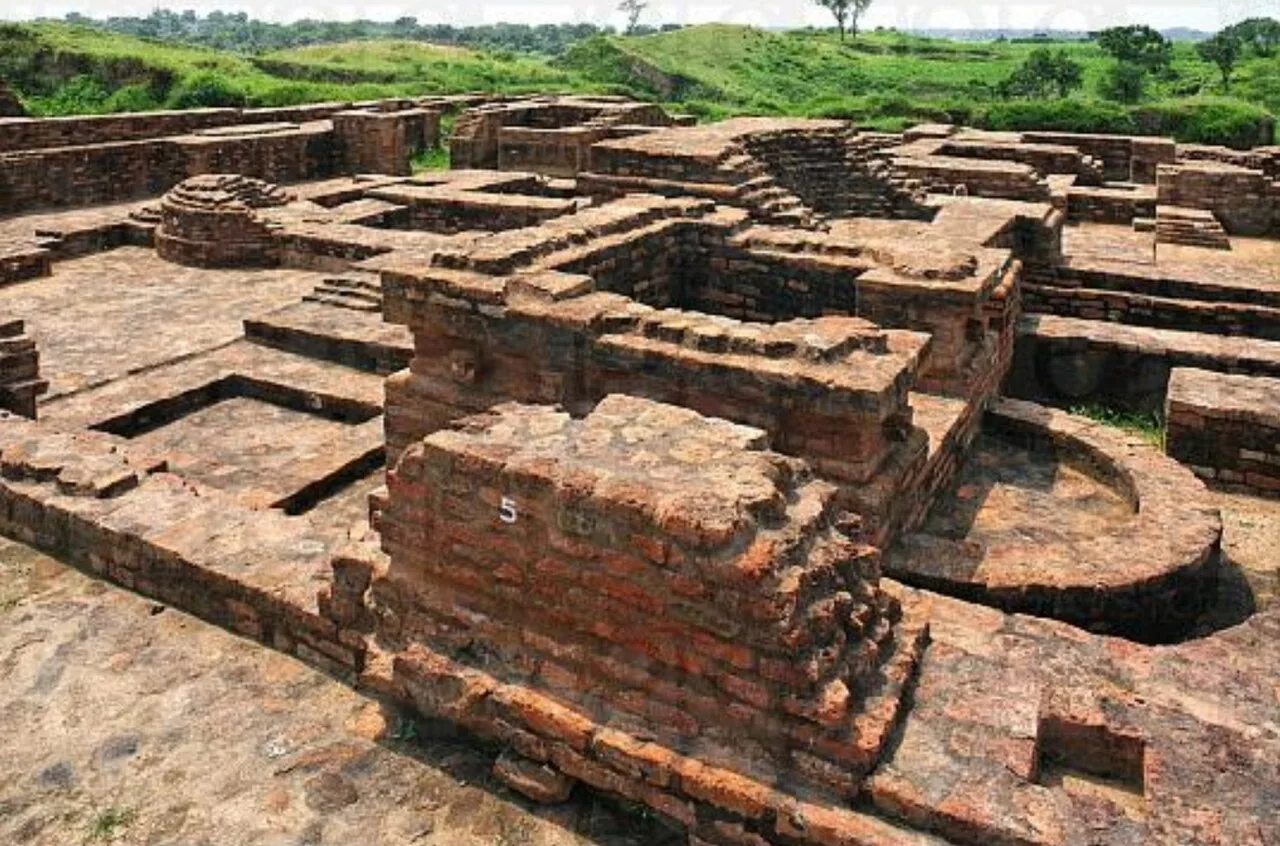
Kaushambi lies in the fertile alluvial plains of southern Uttar Pradesh, west of Prayagraj, with the Yamuna shaping its southern landscape. Fields, villages and small market towns give much of the district a rural character. Its historical importance centres on ancient Kaushambi, also known as Kosambi, the capital of the Vatsa kingdom, one of the sixteen mahajanapadas. A significant trading centre of the Ganges Plain, the city was also closely associated with the Buddha and early Buddhist monastic life. The Kaushambi Archaeological Site preserves traces of this urban past through excavated remains. Visiting the district is primarily about understanding an ancient city within today's agricultural landscape, rather than expecting a densely developed sightseeing circuit.
Kaushambi offers a chance to explore an important ancient city amid the agricultural plains of southern Uttar Pradesh. Ancient Kaushambi, or Kosambi, was the capital of the Vatsa kingdom, one of the sixteen mahajanapadas, and a trading centre of the Ganges Plain. Its association with the Buddha and early Buddhist monastic life adds religious and historical significance. The district lies west of Prayagraj, with the Yamuna marking part of its southern landscape. The main draw is the Kaushambi Archaeological Site, where excavated remains help explain the city’s past. This is a destination for history-focused travel, not a dense circuit of developed attractions.
Ancient Kaushambi, also called Kosambi, was the capital of the Vatsa kingdom, one of the sixteen mahajanapadas that took shape in northern India in the first millennium BCE. Its position on routes across the Ganges Plain helped it become a significant centre of trade and urban life. The city is also closely associated with the Buddha and early Buddhist communities; archaeological remains document its long occupation and changing urban form. The wider region later came under successive north Indian powers, including the Mauryas and other dynasties, though the history of the archaeological city should not be taken as a complete account of every later ruling period in the district. In the colonial era, the area formed part of the Allahabad district of the United Provinces. Kaushambi became a separate district in 1997, when it was carved out of Allahabad district, now called Prayagraj. Its modern district identity is thus recent, while its best-known historical associations are much older.
Food in Kaushambi is best approached through the everyday cooking of the wider Prayagraj region and Uttar Pradesh, rather than a distinct district-specific cuisine. Roti, rice, dal and seasonal vegetable preparations form the basis of many meals. At local markets, look for freshly prepared kachori or puri with sabzi, samosas and jalebi; availability varies between shops. Chaat, milk-based sweets and lassi are familiar across the wider region, though not specialities exclusive to Kaushambi. Small eateries may prepare only a limited daily menu, so ask what has just been cooked. Choose busy stalls serving hot food and use safe drinking water.
Kaushambi's strongest documented cultural draw is its archaeological heritage, rather than a widely recognised district-specific handloom or souvenir tradition. Pottery, basketry and other practical handmade goods belong to the broader craft landscape of rural Uttar Pradesh; local markets may offer examples, but their place of manufacture should be checked. Better-known regional traditions include Varanasi's silk weaving and Lucknow's chikankari embroidery. These are associated with other districts, not Kaushambi, so ask sellers about provenance rather than assuming an item is locally made.
Holi, Diwali, Dussehra and Makar Sankranti are observed in Kaushambi and the wider region, following the usual seasonal calendar. Buddha Purnima is relevant to the district’s Buddhist heritage and may draw visitors to associated sites, though the scale of local observances can vary. Larger crowds and tighter room availability are more likely around major festivals and in nearby Prayagraj during prominent religious gatherings than at the archaeological site itself. Check local conditions before travel, especially if visiting during a regional festival period.
Elsewhere in Uttar Pradesh
Kaushambi lies in the level, fertile alluvial plains of southern Uttar Pradesh. The Yamuna shapes the district’s southern landscape, while fields, villages and market towns define much of the interior. There are no major hill ranges or extensive forest landscapes associated with the district’s main visitor experience. The open rural setting means that archaeological remains and other stops can be spread apart, so road travel and advance planning are useful. In the monsoon, wet fields and local road conditions may affect journeys; in dry seasons, dust can be noticeable on rural routes.
Kaushambi has hot summers, a monsoon season and cooler, generally drier winters. Summer heat can make exposed archaeological remains tiring to explore, while rain during the monsoon may affect rural roads and outdoor plans. The cooler months, broadly from November to February, are usually the most comfortable period for visiting the site and travelling between towns. Pack light, breathable clothing for warm weather, sun protection and drinking water; in winter, carry a light warm layer, particularly for mornings and evenings. During the monsoon, bring rain protection and allow flexibility for road conditions.
Prayagraj Airport, also known as Bamrauli Airport, is the nearest practical air gateway for the Kaushambi Archaeological Site. Prayagraj Junction is a principal railway gateway, with onward travel by road. These access points serve the archaeological destination; the most convenient route for other parts of the district may differ. Roads connect Kaushambi with Prayagraj and nearby towns, while buses and shared vehicles serve local routes. For the archaeological site and scattered stops, a hired car or taxi can simplify travel. Auto-rickshaw availability varies by location, so arrange the return journey in advance and check current services locally.
Roads link Kaushambi’s towns and villages with Prayagraj and neighbouring areas. Local buses and shared vehicles serve some routes, but frequency and availability can vary, particularly for reaching scattered rural stops. Auto-rickshaws may be available in town centres but should not be assumed for the entire journey to the archaeological site. A hired car or taxi is often the most convenient option for a site visit and return; arrange the onward and return legs in advance. Check current local transport and road conditions before setting out.
2 days: Kaushambi Archaeological Site; sleep night 1 in Manjhanpur or Prayagraj. 3 days: Kaushambi Archaeological Site, with an unhurried visit and time for local road travel; sleep nights 1–2 in Manjhanpur or Prayagraj.
Manjhanpur is a practical base within the district, while Prayagraj offers a broader choice of accommodation and transport connections for visitors combining the site with travel beyond Kaushambi. Near the archaeological area, lodging choices may be limited, so confirm availability before setting out. Expect ordinary hotels and guesthouses in larger towns; homestays, government lodges and dharamshalas may be available in some places but should not be assumed. For a short site-focused visit, staying in Prayagraj can simplify onward connections.
The archaeological remains are in an open, largely rural setting; wear suitable footwear and take care on uneven ground. Carry drinking water, sun protection and any personal medicines, and use safe, treated or sealed drinking water. Summer heat, monsoon rain, dust and changing rural road conditions can affect comfort and travel. Mobile connectivity may be weaker outside towns, so arrange transport and return plans beforehand. Do not assume frequent services near the site. Check current access conditions with local or official sources before visiting; no special permit requirement is established here.
- Prayagrajabout 47 km
- Chitrakoot · Madhya Pradeshabout 68 km
- Raebareliabout 73 km
- Rewa · Madhya Pradeshabout 83 km
- Bandaabout 99 km
- Satna · Madhya Pradeshabout 125 km
- Mirzapurabout 132 km
- Jaunpurabout 138 km
Straight-line distance between the centres of each district's destinations; road distance is longer.
Q: How many days should I spend in Kaushambi? A: One or two days can cover a focused visit to the archaeological site, with extra time useful for slower road travel or a wider regional itinerary. Q: When is the best time to visit? A: The cooler months, broadly November to February, are generally the most comfortable for outdoor sightseeing. Q: What is the best base for visiting the site? A: Manjhanpur is a practical district base; Prayagraj has a wider range of accommodation and transport connections. Q: How do I get to Kaushambi? A: Prayagraj Airport and Prayagraj Junction are useful gateways, followed by road travel. Arrange local transport to and from the archaeological site in advance. Q: Is Kaushambi suitable for families or elderly travellers? A: Yes, with planning. The site is outdoors and may involve uneven ground, heat and limited nearby services, so allow a comfortable pace and arrange suitable transport.
This page draws on our 1 destination guides for Kaushambi and is updated as our team checks it.
Be the first to share photos, stories, advice or a helpful contact for Kaushambi.
Loading…