
District · Uttar Pradesh
Shravasti
Shravasti lies in the Terai of northeastern Uttar Pradesh, near the Nepal border, and is one of the region’s most important destinations for Buddhist heritage.
Shravasti district lies in the Terai plains of northeastern Uttar Pradesh, close to the Nepal border. Its mostly rural landscape is shaped by cultivated fields, villages and waterways of the Rapti basin. The district is best known for the ancient city of Shravasti, associated with the kingdom of Kosala and with the life of the Buddha. The archaeological sites of Jetavana and Saheth-Maheth draw Buddhist pilgrims and visitors interested in early Indian history. Modern Shravasti is a small regional centre rather than a large city; agriculture and pilgrimage both influence its character. The combination of quiet countryside and internationally significant Buddhist heritage gives the district a distinctive place in Uttar Pradesh.
Shravasti lies in the Terai of northeastern Uttar Pradesh, near the Nepal border, and is one of the region’s most important destinations for Buddhist heritage. The ancient city was associated with the kingdom of Kosala and with the Buddha, who is traditionally said to have spent several rainy seasons at Jetavana. The archaeological remains at Jetavana and Saheth-Maheth are the district’s principal attractions, drawing pilgrims as well as visitors interested in early Indian history. Beyond these sites, Shravasti offers a glimpse of a rural landscape of farms and villages. It is a quieter regional destination than Uttar Pradesh’s larger pilgrimage cities, so allow time for road travel and local arrangements.
Ancient Shravasti was an important city of Kosala, a kingdom prominent in northern India during the first millennium BCE. Buddhist texts associate the city with the Buddha and with Jetavana, a monastery donated for the monastic community. The archaeological remains at Saheth-Maheth are generally identified with the monastery and ancient settlement. Shravasti’s importance as a Buddhist pilgrimage centre continued in later centuries, although the settlement and political boundaries of the region changed over time. In the medieval period, the area formed part of the shifting political landscape of northern India and later came under Awadh and British rule. The British annexed Awadh in the nineteenth century, and the region was administered within the colonial province that became the United Provinces. After independence it remained part of Uttar Pradesh. Shravasti became a separate district in 1997, formed from areas previously administered within neighbouring districts. Its modern identity reflects both rural administration and the international significance of its Buddhist archaeological sites.
2 destination guides
Jetavana
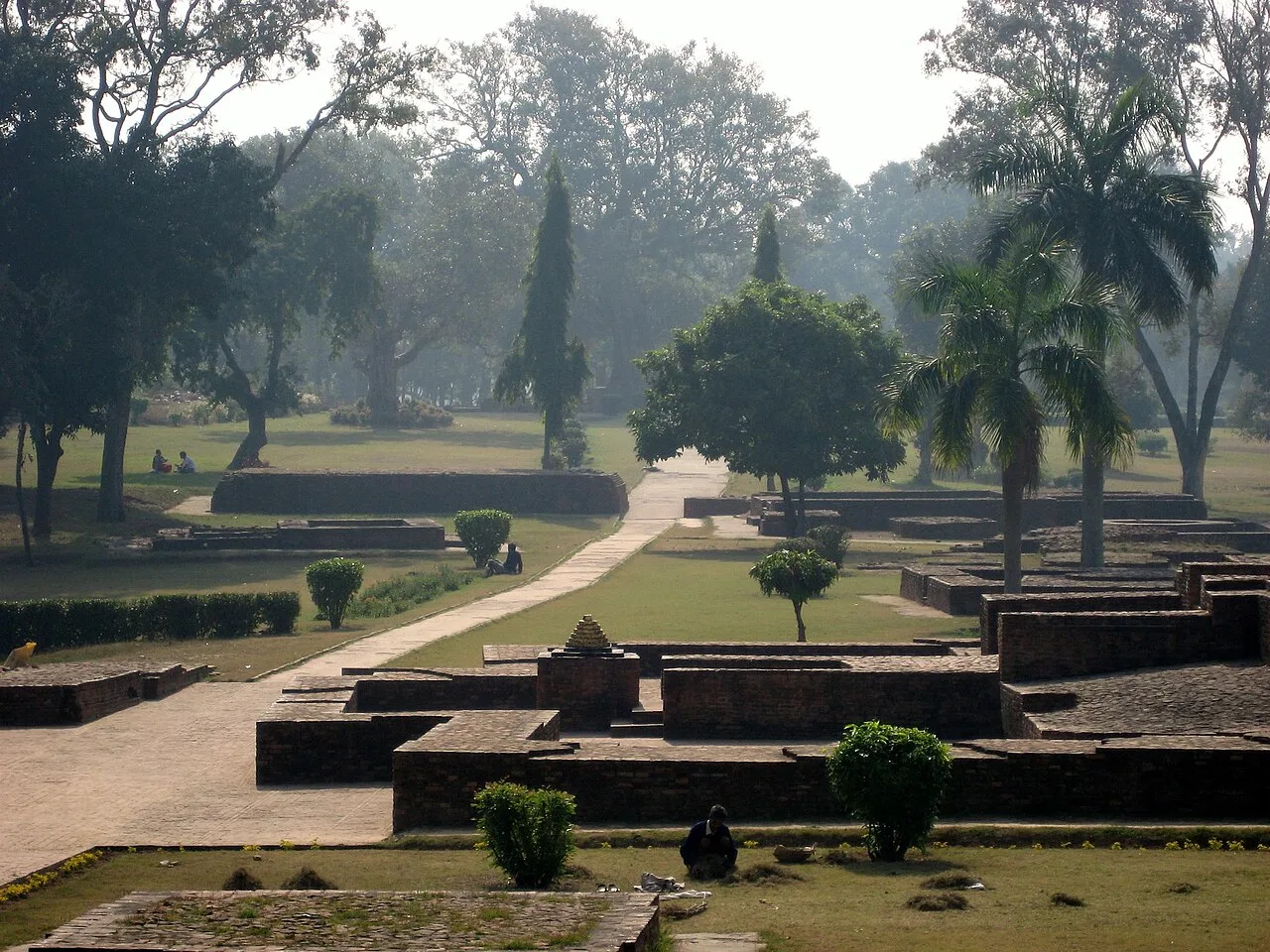
Jetavana is a Buddhist monastic site near ancient Savatthi, in Uttar Pradesh’s Shravasti district. Visitors explore its close association with the Buddha, who stayed there and delivered many teachings.
Shravasti Buddhist Site
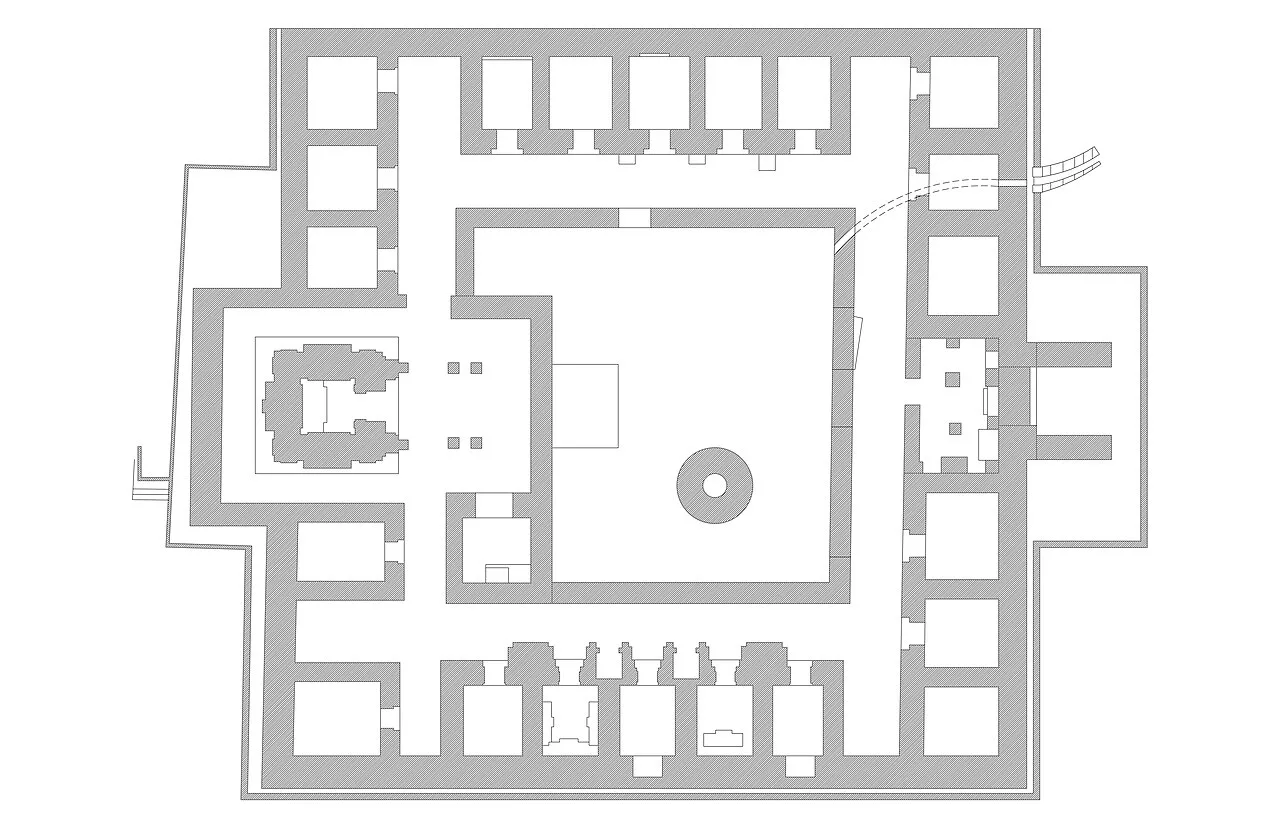
Shravasti is an ancient town and Buddhist archaeological site in Uttar Pradesh, known for its links to the Buddha’s teachings, disciples and miracles, as well as its importance to other religions.
Shravasti does not have a widely documented signature dish, so visitors will mostly encounter everyday eastern Uttar Pradesh cooking. Rice or wheat breads are served with lentils, seasonal vegetables and, in some places, meat dishes. Simple meals are often the most representative choice; ask what has been prepared fresh that day, since small eateries may have limited menus. Across the wider state, popular foods include kachori-sabzi, kebabs and biryani, though these are associated more strongly with other cities and regions than with Shravasti. At busy stalls, freshly cooked snacks are generally a sensible pick.
Shravasti is not widely known for a distinct, documented craft or handloom tradition. In villages across eastern Uttar Pradesh, pottery and the making of woven baskets or bamboo and cane household goods are practical crafts, though what is available varies locally. The wider state has better-known traditions such as Lucknow chikankari embroidery and zardozi work; these should not be mistaken for specialties of Shravasti. Visitors interested in local work can ask in markets about items made nearby, while keeping in mind that some goods may come from other parts of Uttar Pradesh.
Buddha Purnima, usually observed in spring, is an important occasion for Buddhist visitors, and religious observances also take place at the archaeological sites at other times of year. Hindu festivals such as Holi, Dussehra and Diwali, along with Eid, are celebrated in the district and wider region; the timing follows the lunar calendar. Local fairs and community events may vary from year to year. Pilgrimage periods and festival days can bring more visitors to the sites and increase demand for the limited accommodation nearby, so checking availability ahead is sensible.
Elsewhere in Uttar Pradesh
Shravasti is part of the flat, fertile Terai plains, with fields, villages and waterways associated with the Rapti basin. There are no major hills or coastal areas in the district. The rural landscape is greenest during and after the monsoon, while seasonal waterlogging can affect low-lying roads and make some journeys slower. The Buddhist sites are reached by road across this settled agricultural region. Distances on a map may not reflect actual journey times, particularly on smaller roads, so allow flexibility when planning visits between the sites and nearby towns.
The district has hot summers, a monsoon season and cooler, generally drier winters. Summer travel can be tiring in the heat, especially when visiting open archaeological grounds; carry water, sun protection and light clothing. Monsoon rains make the countryside lush but can leave rural roads wet or waterlogged. The cooler months, broadly from October to March, are usually the most comfortable for sightseeing and pilgrimage. Pack breathable clothes for warmer days and a light layer for cool winter mornings and evenings. During the rainy season, carry rain protection and allow extra time for road journeys.
Balrampur is the nearest principal railway station, while Maharishi Valmiki International Airport in Ayodhya is a nearby operating airport; road journeys from either take longer than map distances suggest. Shravasti is connected by road with Balrampur and other towns in the region, including Bahraich and Gonda. Buses and shared vehicles can serve regional routes, while taxis or hired cars offer more flexibility for reaching the Buddhist sites. Local transport frequency and availability may vary, particularly outside busy periods, so check current services locally.
Road travel is the main way to move between Shravasti’s sights and nearby towns. Shravasti is linked with Balrampur and regional centres such as Bahraich and Gonda. Local buses and shared vehicles may serve some routes, while autos or shared jeeps can be useful for shorter journeys where available. A taxi or hired car offers more flexibility for visiting the Buddhist sites, especially when services are infrequent. Transport availability can vary by season and time of day; confirm locally and keep spare time for travel. There are no regular visitor boat journeys needed to reach the listed sights.
2 days: Shravasti Buddhist Site → Jetavana; sleep in Shravasti for the night. 3 days: Jetavana → Shravasti Buddhist Site; sleep in Shravasti on both nights, allowing a slower visit to the sites.
For visiting both archaeological attractions, base yourself in or near Shravasti, where modest hotels, guesthouses and some pilgrimage-oriented accommodation may be available. Options can be limited, so check ahead, especially during busy pilgrimage periods. Balrampur is another practical base for travellers who want a larger nearby town and are willing to travel to the sites. Dharamshalas, government accommodation or homestays may be available in the wider area, but provision and booking arrangements vary; confirm directly before relying on them.
The archaeological grounds are largely open-air, so wear comfortable footwear and take care on uneven paths, particularly after rain. Summer heat calls for shade, sun protection and drinking water from a reliable source; use caution with untreated water. Monsoon weather can make village roads muddy or waterlogged, and road conditions and connectivity may be less reliable away from town centres. Crowds can increase during pilgrimage occasions, so keep personal belongings secure. The district’s listed Buddhist sites do not generally require a special visitor permit, but check with official site authorities for current access rules before travel.
- Ayodhyaabout 81 km
- Bahraichabout 127 km
- Lucknowabout 131 km
- Gorakhpurabout 154 km
- Unnaoabout 170 km
- Lakhimpur Kheriabout 174 km
Straight-line distance between the centres of each district's destinations; road distance is longer.
Q: How many days should I spend in Shravasti? A: Two days is usually enough to visit both listed Buddhist attractions at a relaxed pace; allow longer if you want a slower pilgrimage visit. Q: When is the best time to visit? A: The cooler months from October to March are generally most comfortable for sightseeing. Q: What is the best base for visiting the sites? A: Shravasti is the most convenient base for the Buddhist attractions; Balrampur can suit travellers seeking a larger nearby town. Q: How do I get to Shravasti? A: Balrampur is the nearest principal railway station, and Ayodhya has a nearby operating airport. Road travel from either can take longer than map distances suggest; check current connections locally. Q: Is Shravasti suitable for families or elderly travellers? A: Yes, with planning. The sites are open-air and may involve uneven walking, so allow rest breaks, carry water and consider private road transport for greater flexibility.
This page draws on our 2 destination guides for Shravasti and is updated as our team checks it.
Be the first to share photos, stories, advice or a helpful contact for Shravasti.
Loading…