
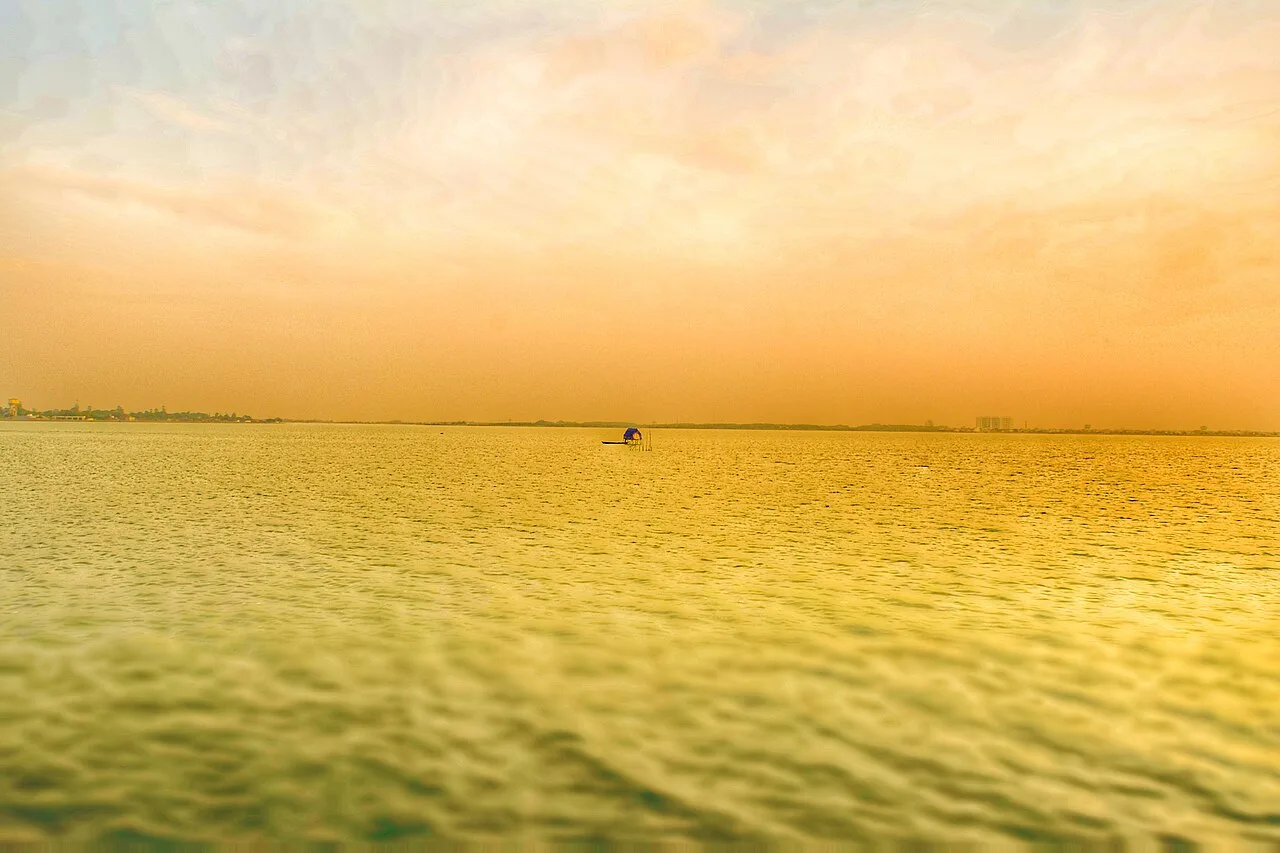
Ramgarh Tal
Ramgarh Tal is a lake in Gorakhpur district, Uttar Pradesh. People visiting the area can include it in their plans to see this local body of water.
Key facts · verified by Ghumoopedia editors
- Type of place
- Natural attraction
- Best time to visit
- October to March
- Verified
- 21 Nov 2026
In Uttar Pradesh, Ramgarh Tal is the name of a lake situated in Gorakhpur district. Its location places it among the district’s natural features. The lake is identified by its name, Ramgarh Tal, and by its position within Gorakhpur district. The district lies in the state of Uttar Pradesh. For visitors to Gorakhpur district, Ramgarh Tal is a local lake to see. It is also a water feature associated with Uttar Pradesh. Uttar Pradesh is India's great heritage heartland: the Taj Mahal, Agra Fort and Fatehpur Sikri of the Mughals; Varanasi's ghats on the Ganga; the Krishna towns of Mathura and Vrindavan; Ayodhya, Prayagraj's Triveni Sangam; the Buddhist circuit of Sarnath, Kushinagar and Shravasti; Lucknow's Nawabi monuments and food; and the terai forests of Dudhwa and Pilibhit. Summers from April to June are very hot (often 43–47°C), the monsoon from July to September is humid with heavy showers, and winter from December to January is cold, with dense morning fog that regularly delays trains and flights by hours. The usual best time to visit is October to March. For official information, see Uttar Pradesh Tourism at https://uptourism.gov.in.
Why it matters
Ramgarh Tal is identified in Ghumoopedia’s Uttar Pradesh index as a lake in Gorakhpur district. It is a local natural attraction and a potential place to pause by the water while exploring Gorakhpur. No UNESCO, Archaeological Survey of India or other protected-site recognition has been confirmed here. Visitors should treat the lake as a locally situated water body, follow any signs or access rules on arrival and avoid assuming that every shore or viewpoint is open to the public.
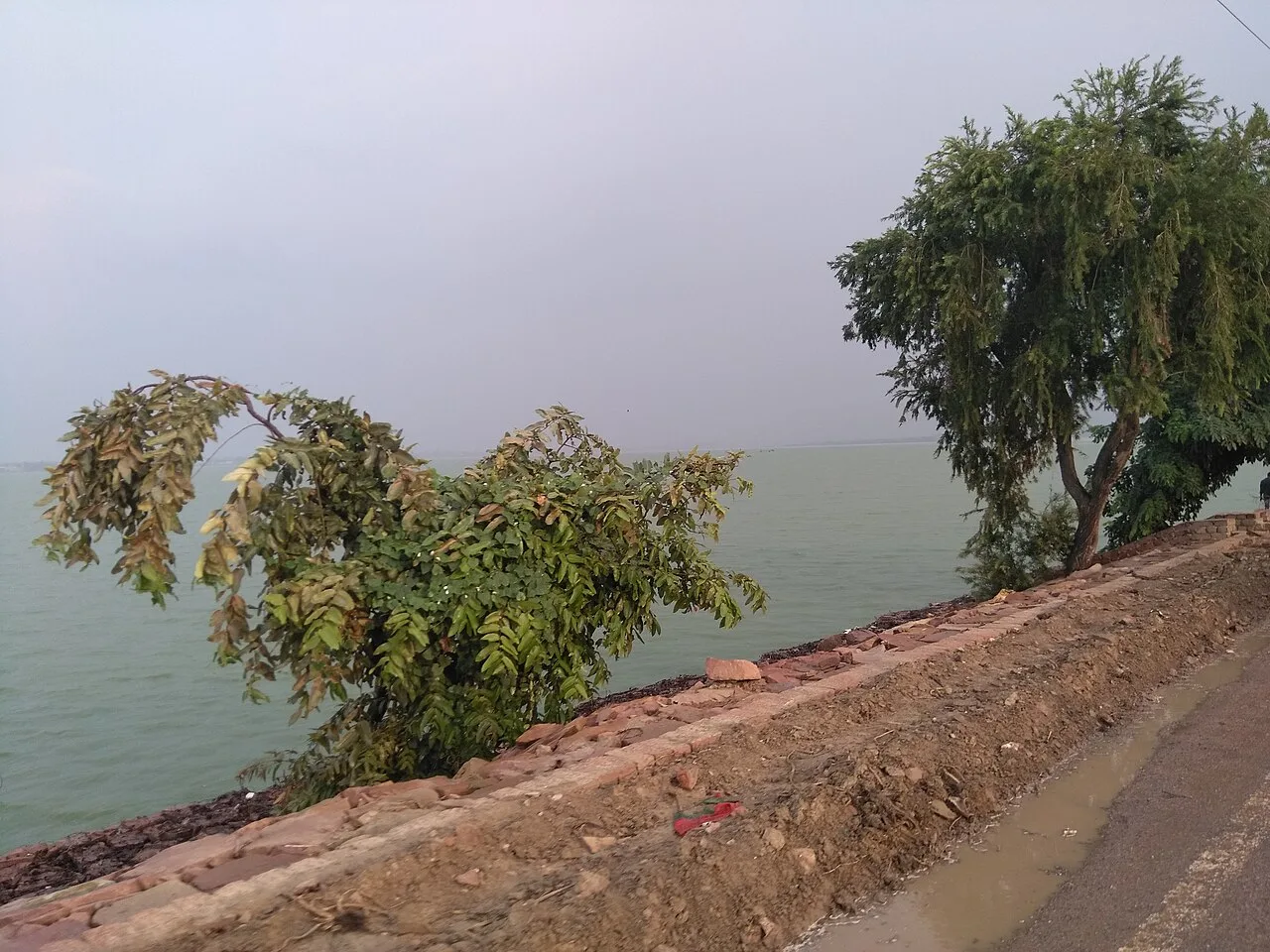
It is listed as a lake in Gorakhpur district, but that identification alone does not establish when it formed or whether its shape and water levels have changed through particular projects. The lake is associated with the modern urban setting of Gorakhpur, a city with a broader history that should not be confused with a documented history of the water body itself. No restoration date, heritage designation or named historical patron has been confirmed here. Visitors interested in its origins can ask local residents or the relevant district and tourism authorities, while treating oral accounts as local recollection unless supported by records. Before a visit, check whether access, public facilities or shoreline works have changed. This cautious account avoids assigning a century or origin story without dependable documentation.
Origin stories & folklore
Local residents may share stories or beliefs connected with the lake, but these should be understood as oral tradition rather than established history unless supported by reliable sources. The name alone is not enough to establish how the lake formed or what its earlier purpose may have been. If you hear a local account, ask respectfully whether it is a family story, a community tradition or a documented historical claim. Do not repeat sacred or private narratives without permission. For a visitor, the most reliable approach is to enjoy the lake as a local water landscape while keeping folklore distinct from verified information.
Spend unhurried time at Ramgarh Tal: walk the marked paths, use official viewpoints and ask locally whether a guide, entry ticket or forest permission is needed. Enjoy the water from safe, marked points; rocks near falls and dams are slippery and currents are dangerous, especially in the monsoon. A comfortable itinerary is one main visit in the morning, a local meal at midday and a short nearby stop before an afternoon return. Use the district list on this site to find other places in Gorakhpur, but check the route and its condition before combining stops. If a festival is on — such as Dev Deepawali on the Varanasi ghats, Holi in Mathura, Vrindavan and Barsana, the Magh Mela or Kumbh at Prayagraj, Deepotsav in Ayodhya or the Taj Mahotsav in Agra — roads and stays can be busy, and the experience can be unforgettable. Leave no litter: many sites are protected by the communities around them.
Suggested itineraries
Half day: Confirm the open access point locally; spend about 1–2 hours by the lake, walking only on safe, open paths; pause for a meal or tea in Gorakhpur before returning. Full day: Visit the lake for about 1–2 hours; allow time for a meal in the city; choose one confirmed nearby attraction, such as Gorakhnath Temple or Gita Press, and check its access arrangements before travelling. Gentler option: Ask a driver to take you to the nearest confirmed accessible viewing or stopping point; enjoy a short visit from there, avoiding uneven banks and longer walks.
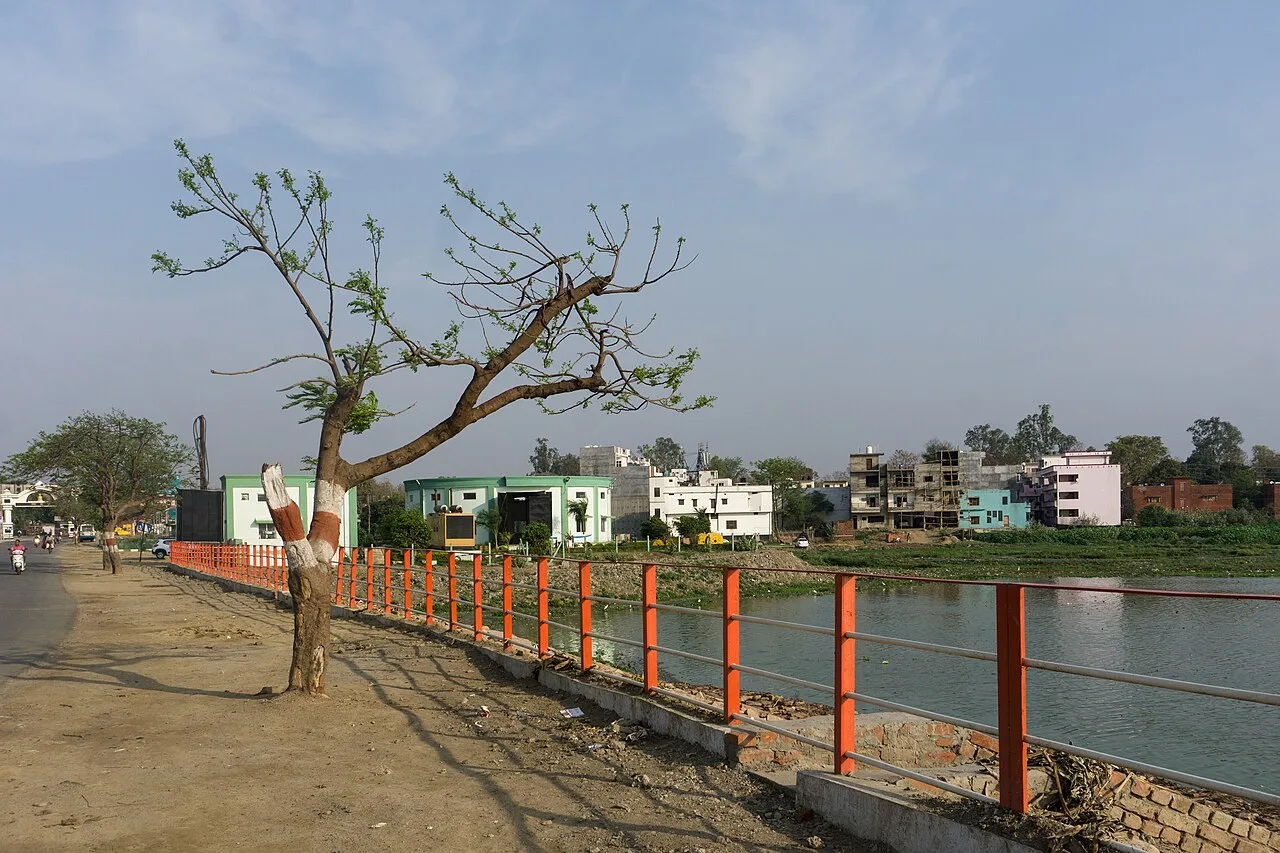
Ramgarh Tal sits within Gorakhpur’s wider cultural setting, where Hindi and Bhojpuri are commonly heard in everyday life. The lake-specific customs, performances or seasonal gatherings have not been independently verified, so visitors should not assume that it hosts a regular cultural programme. Around the city, religious observances, markets, family outings and regional food are part of public life. Dress is generally practical for the weather and respectful at places of worship; follow posted guidance if visiting a temple nearby. Ask before photographing people, vendors or any ceremony. Cultural activity at the lake may vary by day and season, and should be confirmed locally rather than treated as a guaranteed attraction.
Local communities
The lake is part of the wider Gorakhpur district, whose residents include urban households, workers, traders and people connected with nearby villages. Visitors should avoid assuming that people using the lake are performers or guides, and should ask before taking portraits. Keep public spaces clean, respect locally posted restrictions and use local businesses where practical. For information about stewardship, shoreline access or community groups, check with the district administration or a locally recognised tourism contact.
Festivals & events
In Gorakhpur, the Khichdi Mela associated with Gorakhnath Temple is a well-known winter-season gathering; it is a nearby city event, not a confirmed lake festival. Religious observances and local celebrations elsewhere in the district may also affect traffic and accommodation. During major events, expect busier roads and public spaces, and allow extra time for travel. Confirm the current programme locally before planning a visit around a festival, since dates and arrangements can vary from year to year.
Local food in Uttar Pradesh includes Lucknow's Awadhi kebabs (galouti and kakori), biryani and sheermal, Agra's petha and bedai-jalebi breakfasts, Mathura's peda and Vrindavan's rabri, Varanasi's kachori-sabzi, tamatar chaat, winter malaiyyo, thick kulhad lassi and Banarasi paan. Ask what is fresh that day; many small eateries cook a limited daily menu. Street food is excellent but rich; choose busy stalls where food is cooked fresh in front of you. In Mathura, Vrindavan and Ayodhya, meat and alcohol are not served near the temples. Remote sites may have no restaurant at all. Carry water and snacks, eat a proper breakfast before long drives, and ask your accommodation for a packed lunch if you are heading out early. Try a home-cooked or local thali meal when you can — it is often the best food on the route. Choose clean places, drink sealed or filtered water, and carry your packaging back with you.
Shopping & local experiences
In Gorakhpur, visitors can look for everyday market goods, regional snacks and locally made items, asking shopkeepers about origin rather than assuming a product is unique to the lake. Food options may be easier to find in the city than at the shoreline; check what is open locally. Carry reusable packaging where practical, avoid litter and buy only from legitimate sellers. Do not collect plants, stones or other material from the lake’s banks.
Water levels, exposed banks and the condition of access points can vary with weather and local management. Do not assume that the lake is suitable for swimming or boating; use only facilities and areas clearly authorised on site. Waterbirds or other wildlife may be present, but sightings are never guaranteed. Keep a respectful distance from animals, avoid feeding them and take litter away. Monsoon rain can make paths and banks slippery.
October to March
These figures are calculated from map coordinates — actual road distance is longer. Agra, Mathura, Lucknow, Kanpur, Prayagraj, Varanasi, Gorakhpur and Jhansi are the main rail hubs; Lucknow and Varanasi have the busiest airports, and western UP is also served from Delhi. For the final leg, UPSRTC buses (including air-conditioned Janrath and Volvo services), private coaches on the expressways, shared autos, e-rickshaws and cycle-rickshaws in the old cities link district towns. In the old cities of Varanasi, Mathura and Lucknow, lanes are too narrow for cars — the last stretch is on foot or by cycle-rickshaw. When comparing train, bus and flight, count the complete door-to-door time: a flight saves the most time only if the onward road transfer is short, while an overnight train can save a hotel night. In December and January, fog can delay trains and flights for hours — keep a buffer before onward connections. The Yamuna, Agra–Lucknow and Purvanchal expressways make road travel fast between the big cities. Book your return before you leave, because seats fill quickly on weekends, festivals and holidays. Current train numbers, timings, return services and fares are not listed here; check IRCTC and NTES for trains and the airline's own schedule for flights. No permit is needed to visit Uttar Pradesh. The Taj Mahal is closed to visitors every Friday, and monument tickets for the Taj, Agra Fort and Fatehpur Sikri are cheaper when bought online on the ASI portal. Jungle safaris in Dudhwa, Pilibhit and Katarniaghat must be booked through the UP forest department's official ecotourism booking, and the parks close for the monsoon, roughly mid-June to mid-November.
Getting around
Autos, e-rickshaws and taxis are common ways to move around the city; local buses may serve parts of the urban area. Walking is suitable only where the route and shoreline are clearly open and safe. Ask locally about a drop-off point, parking and any vehicle restrictions, as these can change. Do not assume that boats, a regular shuttle or a marked walking circuit is available.
Hours, tickets & permissions
Entry arrangements may depend on which part of the shoreline or facility you visit and who manages it. Tickets, permits, camera rules, identification requirements and restrictions on food or activities should not be assumed either way. Check for current notices at the site and ask Uttar Pradesh Tourism, the district administration or your local host about access, fees and rules before setting out. Follow barriers and staff instructions, and do not enter closed or unmarked areas.
Facilities
Toilets, drinking water, food stalls, seating, parking, guides and cash access may be available nearby or may vary by access point; check locally rather than relying on them. Carry drinking water and any personal essentials, and identify a suitable place to eat in Gorakhpur before arrival. Do not drink untreated lake water. If you need assistance, ask a host or local authority which facilities are open and suitable for your visit.
Accessibility
Shoreline terrain may be uneven or slippery, especially after rain, and shade or seating cannot be guaranteed. Wheelchair and stroller access should be checked at the specific entrance before travelling; do not assume ramps, smooth paths or accessible toilets are present. Older visitors and anyone with limited mobility may prefer a short visit from a locally confirmed drop-off or viewing point, with a companion if needed. Avoid steep, muddy or unmarked edges, and turn back if conditions feel unsafe.
No permit is needed to visit Uttar Pradesh. The Taj Mahal is closed to visitors every Friday, and monument tickets for the Taj, Agra Fort and Fatehpur Sikri are cheaper when bought online on the ASI portal. Jungle safaris in Dudhwa, Pilibhit and Katarniaghat must be booked through the UP forest department's official ecotourism booking, and the parks close for the monsoon, roughly mid-June to mid-November. Carry a photo ID at all times and save the emergency number 112 and your accommodation's contact offline. Summer heat is a serious risk — carry water, cover your head and avoid midday sightseeing. Crowds at ghats, temples and festivals can be overwhelming; agree a meeting point with your group. Waterfalls, dams and rivers are dangerous in the monsoon: keep behind barriers and leave if the water rises suddenly.
Photography
Soft morning or late-afternoon light can be pleasant for general landscape photographs; check local conditions and access first. Ask before photographing residents, workers or children, and be especially considerate around worship or private gatherings. Follow any posted camera restrictions at managed facilities. Drone use may require permissions under current rules and may be restricted locally; do not fly one without checking with the relevant authority. Avoid stepping into closed areas or onto unstable banks for a photograph.
Choose a stay by the full journey to Ramgarh Tal, not just the district name. Agra, Lucknow and Varanasi have the widest choice; in Varanasi, a riverside guesthouse puts you on the ghats but involves walking through narrow lanes with luggage, while pilgrim towns have dharamshalas and ashram stays. In summer, check air-conditioning and backup power; in the monsoon, check that the property is accessible if roads flood. Book in advance for weekends, festivals and the peak season (October to March). Confirm the exact location, meals included, check-in time and cancellation terms in writing. Avoid sending money to unverified contacts or touts at stations. Carry some cash, as card and digital payments can be unreliable in remote areas.
Within Gorakhpur, Gorakhnath Temple and Gita Press are established places visitors may consider combining with a lake visit. Shaheed Ashfaq Ullah Khan Zoological Park is another named city attraction. These are separate sites, not part of Ramgarh Tal, and their current access, opening arrangements and travel routes should be confirmed locally. Choose one nearby stop rather than assuming all can be comfortably combined in a short visit. Check traffic and event conditions, particularly during major religious gatherings in the city.
For couples, Ramgarh Tal rewards a slow pace: arrive early for soft light and fewer crowds, share a local meal and keep the evening free. Sunrise at the Taj Mahal, an evening boat during the Varanasi aarti or a Nawabi dinner in old Lucknow makes the trip memorable. Public displays of affection can be frowned upon in conservative communities and at religious sites, so be discreet. Keep a buffer in your itinerary, because weather and road conditions can delay plans.
Q: How much time should I allow for Ramgarh Tal? A: Allow a short visit of roughly one to two hours, then add travel time and any city stop. Confirm the accessible area locally. Q: When is the best season to visit? A: October to March is generally the more comfortable season in Uttar Pradesh. Summer can be very hot, while monsoon rain may affect paths and access. Q: Is there an entry fee or a set entry arrangement? A: Check notices on site or ask the relevant local authority before visiting. Q: Is the lake suitable for children and older visitors? A: It may suit a brief outing if a safe, open stopping point is available. Keep children away from the water’s edge and check path conditions for anyone with limited mobility.
Be the first to share photos, stories, advice or a helpful contact for Ramgarh Tal.
Loading…