
Ghumoopedia — Explore, Discover, Experience
Sign in
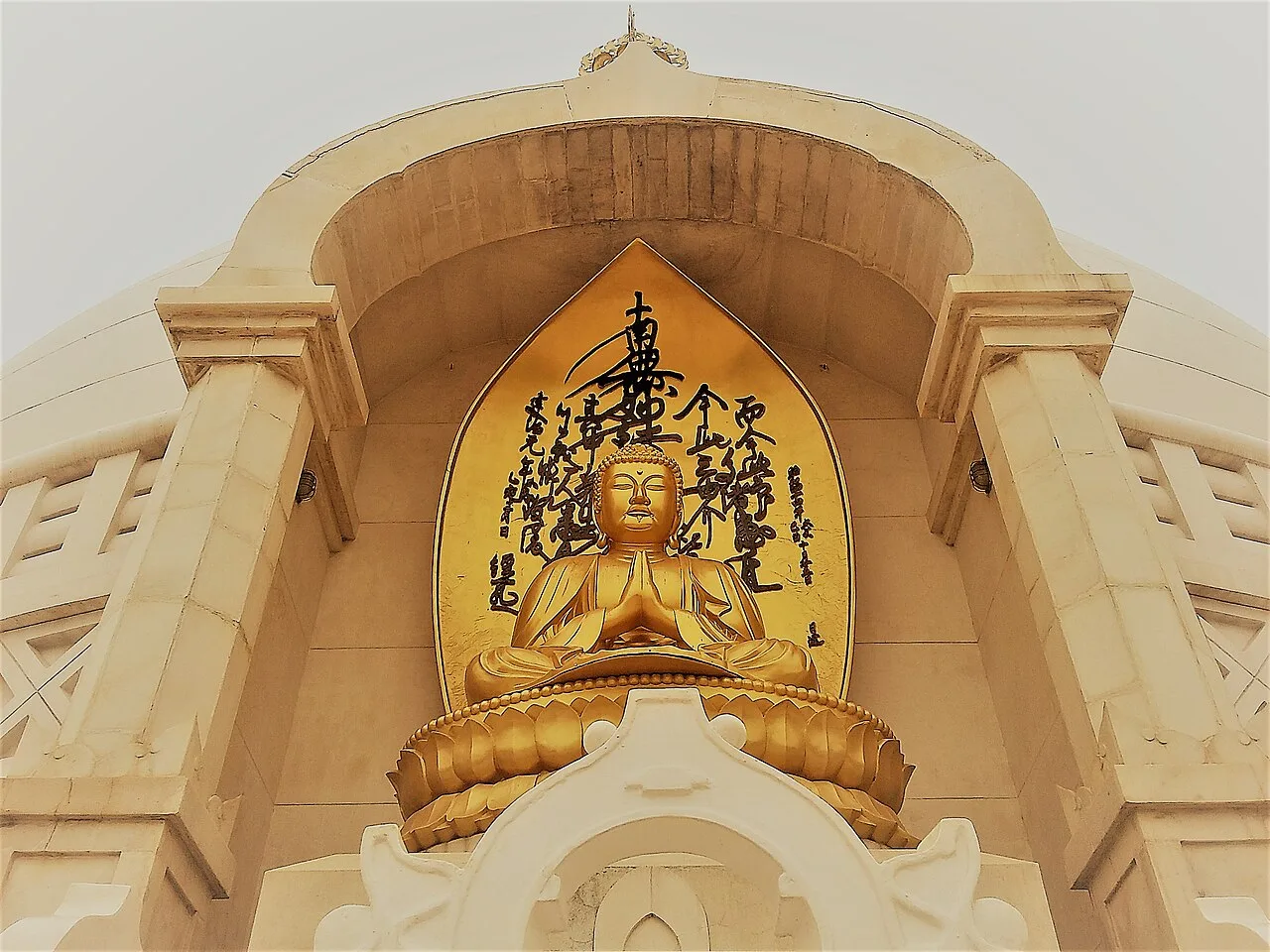
Vishwa Shanti Stupa, near Warisaliganj

City guide · Bihar

Warisaliganj

Warisaliganj is a small town in Nawada district, serving both as a Municipal Council and as the centre of a Community Development block. Its importance comes less from large tourist attractions than from its role in the everyday life of the surrounding countryside: residents come to town for local services, trade and transport, while nearby villages are closely linked to its markets and railway station.

Famous for

  • Sakri River canal irrigation
  • Fertile agricultural surroundings
  • Nawada district market town
  • Waris Ali Khan’s founding
  • Warisaliganj railway station
In the city
1
District
Gaya

Why Warisaliganj matters

Warisaliganj is a small town in Nawada district, serving both as a Municipal Council and as the centre of a Community Development block. Its importance comes less from large tourist attractions than from its role in the everyday life of the surrounding countryside: residents come to town for local services, trade and transport, while nearby villages are closely linked to its markets and railway station.

The town lies north of Nawada in a fertile part of Bihar. The Sakri River and its canal system help irrigate the surrounding agricultural landscape, shaping the area’s economy and rural character. Visitors may find Warisaliganj useful as a base for seeing this less-visited part of the district, or as a stop while travelling through Nawada. Its local history is associated with Waris Ali Khan, and its present-day identity combines a modest town centre with the farming settlements around it. The railway connection and block-level role make it a practical regional hub rather than a destination built around a single monument or celebrated craft.

Famous for: crafts, trade & products

Warisaliganj is best understood as a local market and service town in an agricultural belt. Farming in the surrounding area is supported by the Sakri River and its canals, and local commerce reflects the needs of nearby villages. The town’s shops and market area are the most practical places to look for everyday goods and locally traded produce; there is no widely established reputation for a signature textile, handicraft, GI-tagged product or specialist food product.

Visitors looking for crafts or regional products can ask local shopkeepers about seasonal produce and goods brought in from surrounding villages, but should not expect a dedicated tourist market or a recognised craft district. The town’s railway station and central market are useful reference points for finding everyday services. Warisaliganj’s broader significance lies in connecting the surrounding rural area with Nawada district’s transport and administrative network, rather than in a nationally known industry or landmark institution.

History

Local tradition connects Warisaliganj’s beginnings with Waris Ali Khan, identified as the brother of Kamgar Khan in the Mayi family. The town’s name preserves that association, though a detailed chronology of its early growth is not widely established. Its position north of Nawada and its links with nearby settlements helped it develop as a local centre for trade and services.

During the colonial period, the area formed part of the wider administrative landscape of Bihar, but specific milestones in Warisaliganj’s own development are not well documented. Rail and road links, along with the growth of regional administration, strengthened the town’s connections with surrounding villages. In modern Bihar, Warisaliganj serves as both a Municipal Council and the headquarters of a Community Development block in Nawada district. Its development remains closely tied to agriculture, local commerce and its role in providing services to the rural hinterland.

Food, festivals & culture

Daily life in Warisaliganj reflects the customs of rural Nawada district and the wider Magadh region. Hindi is widely used, while Magahi is common in informal conversation; Urdu is also spoken by some residents. There is no single food or performance tradition that defines the town, but familiar Bihar dishes such as litti-chokha, sattu preparations and thekua may be encountered in homes and local eateries.

Chhath is an important festival across Bihar, observed in autumn and again in spring, with prayers and offerings made to the Sun. Holi, Diwali, Eid and other religious occasions are also marked by local communities. Folk songs and devotional music are part of seasonal and religious gatherings, though performances are generally community-based rather than staged for visitors. Hindu temples and mosques serve as neighbourhood places of worship; visitors should ask locally for directions and observe customary etiquette.

Visiting the city

The cooler months, roughly October to March, are generally the most comfortable time to visit; summer can be very hot, while monsoon rain may affect road travel. Gaya International Airport is a nearby air gateway, though onward travel to Warisaliganj requires a road connection. The town’s main rail access is Warisaliganj railway station; check current connections before setting out.

Auto-rickshaws and local vehicles are useful for short trips around town, while taxis or hired cars offer more flexibility for visiting nearby villages. The central market and station surroundings are practical areas to explore for everyday town life and food. The agricultural outskirts and canal landscape offer a sense of the region, but are not formal visitor sites, so ask locally about access and conditions.

Attractions

Places to visit in Warisaliganj

Sights within about 12 km of each other, even when they fall in different districts.

Map

Warisaliganj on the map

  1. 1Vishwa Shanti Stupa

Bihar

Other cities to explore