
Ghumoopedia — Explore, Discover, Experience
Sign in
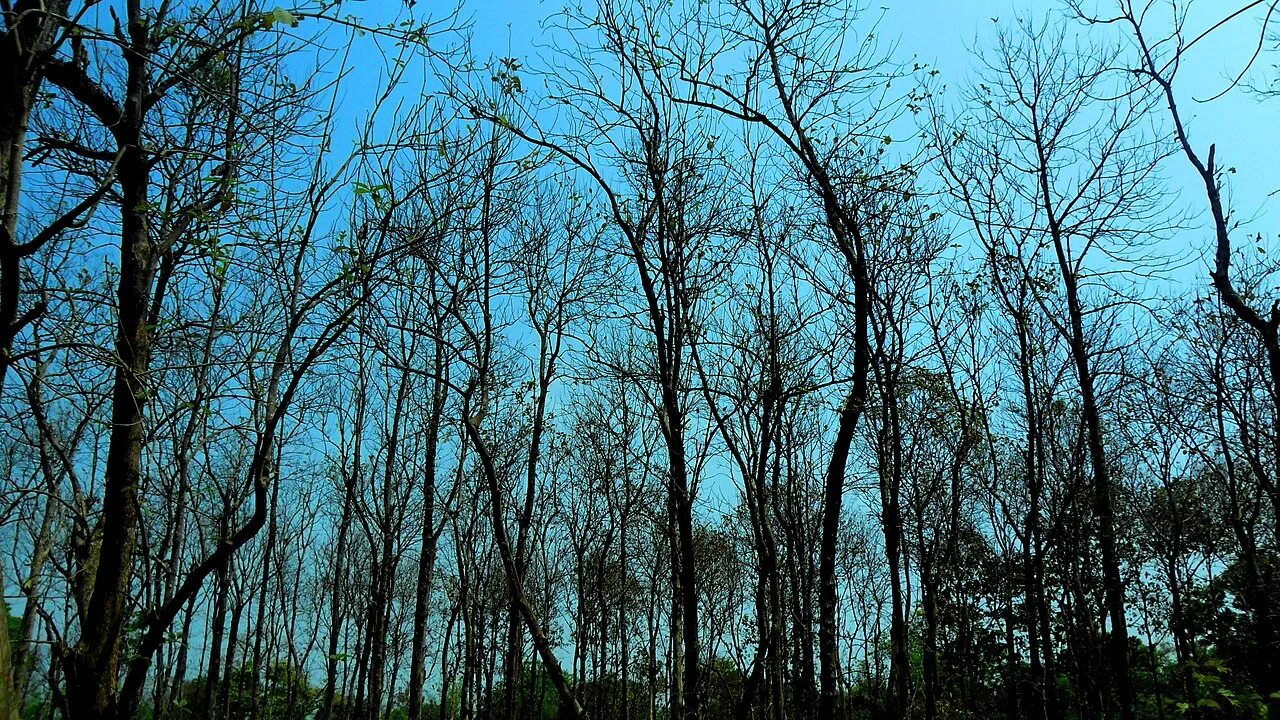
Valmiki National Park, near Ramnagar

City guide · Bihar

Ramnagar

Ramnagar is a town in Pashchim (West) Champaran district, western Bihar. Its position near both the India–Nepal boundary and the Bihar–Uttar Pradesh border gives it a practical role in local movement and trade.

Famous for

  • West Champaran town
  • India–Nepal border setting
  • Bihar–Uttar Pradesh border location
  • Regional market centre
In the city
0
Nearby
1
District
West Champaran
Plan a trip

Why Ramnagar matters

Ramnagar is a town in Pashchim (West) Champaran district, western Bihar. Its position near both the India–Nepal boundary and the Bihar–Uttar Pradesh border gives it a practical role in local movement and trade. The town serves residents of nearby settlements who come for everyday shopping, services and transport connections, making it a useful regional centre rather than a destination known for large-scale tourism.

For visitors, Ramnagar offers a look at everyday life in the western Champaran region and can form part of a wider journey through the district. The surrounding area is of interest to travellers exploring the countryside and, farther north, the Valmiki Tiger Reserve; journeys there require separate planning. Ramnagar is not widely identified with a signature textile, craft or monument, so its appeal lies chiefly in its location, local markets and role as a stopping point. Travellers can use the town to experience regional food and customs while arranging onward travel toward nearby parts of Bihar, Uttar Pradesh or Nepal.

Famous for: crafts, trade & products

Ramnagar is best understood as a local market town, not as a centre for a widely documented signature craft or textile. Its everyday shops and bazaars serve residents from the town and surrounding settlements, with general merchandise, household necessities and farm-related supplies among the kinds of goods visitors may encounter. There is no commonly recognised Ramnagar-specific GI-tagged product to seek out, and the town should not be confused with better-known craft or weaving centres elsewhere in Bihar.

For a sense of local commerce, explore the central bazaar and the shops around the main roads and railway-station area. These are practical places to look for snacks, seasonal produce and routine goods, though selection varies. Regional products from the wider Champaran area may appear in local shops, but availability is not guaranteed. Visitors looking specifically for established handicrafts, handloom textiles or branded regional products may find a broader selection in larger towns and cities. Ask locally about market days and current stock rather than relying on a specialist shopping district.

History

Ramnagar’s history is most readily understood within that of the wider Champaran region, rather than through a well-documented local dynasty or royal court. Champaran was shaped by agriculture and by successive regional and imperial administrations. Under British rule, disputes over indigo cultivation and the treatment of cultivators became a major part of the region’s history. The Champaran Satyagraha of 1917, associated with Mahatma Gandhi’s campaign on behalf of indigo cultivators, brought national attention to the district; this was a regional movement, not an event specific to Ramnagar.

In the modern period, Ramnagar developed as a town serving nearby communities in western Bihar. Its location close to the Nepal and Uttar Pradesh boundaries has supported its role as a local centre for trade, services and travel. Today it is a notified area within Pashchim Champaran district. Its growth reflects the needs of a border-region town more than the legacy of a major monument or princely capital.

Food, festivals & culture

Daily food in Ramnagar reflects the broader western Bihar and Bhojpuri-speaking region. Visitors may find familiar staples such as rice, lentils, seasonal vegetables, roti and sattu preparations, along with litti chokha in local eateries. Thekua is associated with Chhath celebrations, while other sweets and snacks vary by shop and season. These are regional foods rather than dishes unique to the town.

Hindi and Bhojpuri are widely used in everyday life; other languages may also be heard in this border district. Chhath, usually observed in autumn, is an important festival across Bihar, with worship and offerings around water. Holi in spring, Diwali in autumn and Eid are also celebrated. Bhojpuri folk songs and devotional music are part of community and festival life. Local temples and mosques serve residents, though Ramnagar is not especially known as a major pilgrimage centre. Visitors should ask locally about services and community events.

Visiting the city

The cooler, drier months from roughly October to March are generally more comfortable for exploring Ramnagar; summer can be hot, and monsoon travel may be affected by rain. Gorakhpur Airport in Uttar Pradesh is a nearby air option, while Ramnagar railway station is the town’s main rail station. Check current connections before setting out, as routes and onward transport can vary.

Auto-rickshaws and local road transport are useful for getting around town; arrange longer journeys toward other parts of the district locally. The central bazaar is a good area to explore for everyday shops and food, while the station area offers a view of the town’s transport activity. Ramnagar works well as a practical stop for regional travel; visitors heading toward the Valmiki Tiger Reserve should plan a separate onward trip.

Short trips

Around Ramnagar

Within about 40 km — easy half-day or day trips from the city.

Map

Ramnagar on the map

  1. 1Valmiki National Park

Bihar

Other cities to explore