
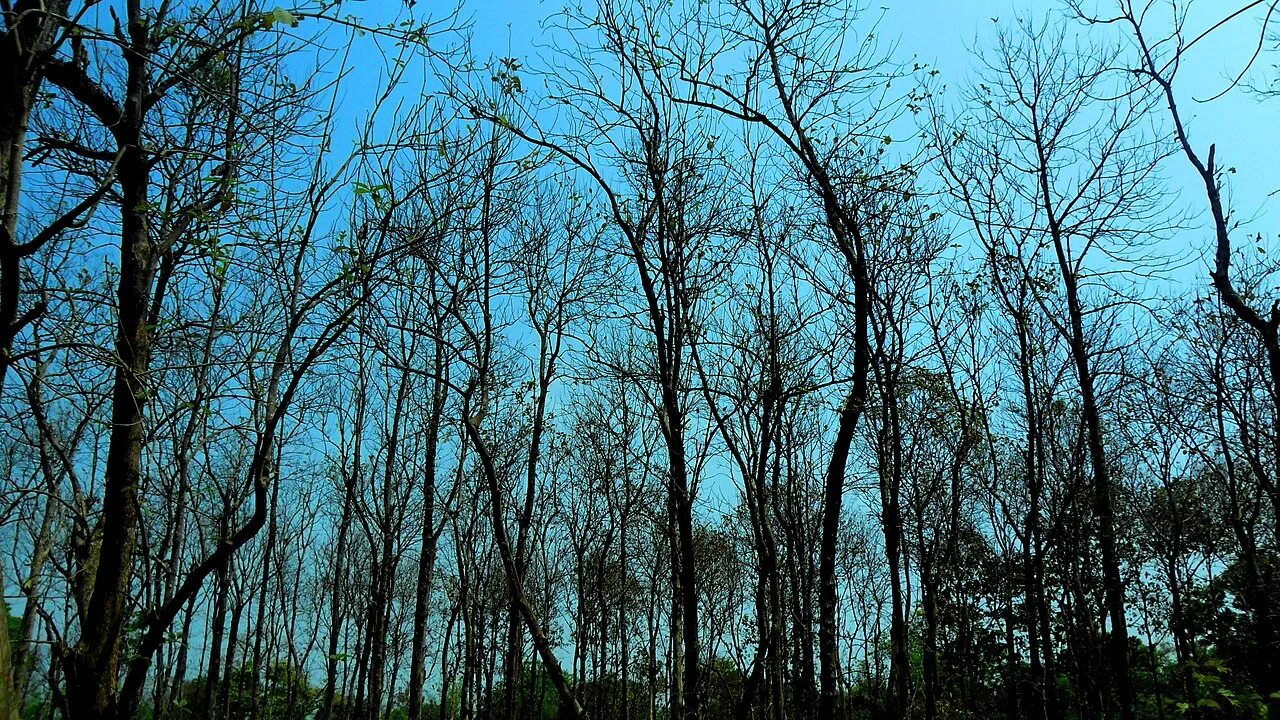
Valmiki National Park
Valmiki National Park, in West Champaran district, Bihar, is the state’s only national park and a tiger reserve. Visitors come to experience its protected setting.
Key facts · verified by Ghumoopedia editors
- Type of place
- National park / sanctuary
- Best time to visit
- October to March
- Nearest railway station
- Narkatiaganj Junction · about 40 km (straight line)
- Verified
- 21 Nov 2026
Plan a trip from Valmiki National Park — a day-by-day route through places nearby.
Within Bihar, Valmiki National Park lies in West Champaran district. It has national park and tiger reserve designations, and is the state’s sole national park. The area covered is 898.45 square kilometres, or 346.89 square miles. Both figures describe the same extent, expressed in metric and imperial units. Its location, protected-area designations and size together outline the park’s basic identity: it is a tiger reserve and Bihar’s only national park. Bihar is the heart of ancient Magadha — the land of the Buddha's enlightenment, the Mahavihara of Nalanda, the Mauryan capital Pataliputra, Jain tirthankara Mahavira and the Maithili and Bhojpuri cultures. Bihar has very hot summers from April to June, a monsoon from June to September that can flood low-lying areas, and cool, pleasant winters from November to February with foggy mornings in December and January. The usual best time to visit is October to March. Timings, fees and access arrangements must be confirmed locally. For official information, see Bihar Tourism at https://tourism.bihar.gov.in.
Why it matters
Valmiki National Park is in West Champaran district in north-west Bihar, along the Nepal border. Published accounts describe it as Bihar’s only national park and gives an area of 898.45 square kilometres; that figure is also commonly associated with the wider Valmiki Tiger Reserve landscape, so visitors should check official maps for the boundaries of particular zones. The area is recognised as a national park and tiger reserve, forming part of India’s protected-area and tiger-conservation network. Its position in the Himalayan foothill and Terai landscape gives it regional importance for forest and wildlife conservation. It is also a destination for visitors seeking a quieter, nature-focused trip in Bihar. It is not a UNESCO World Heritage Site.
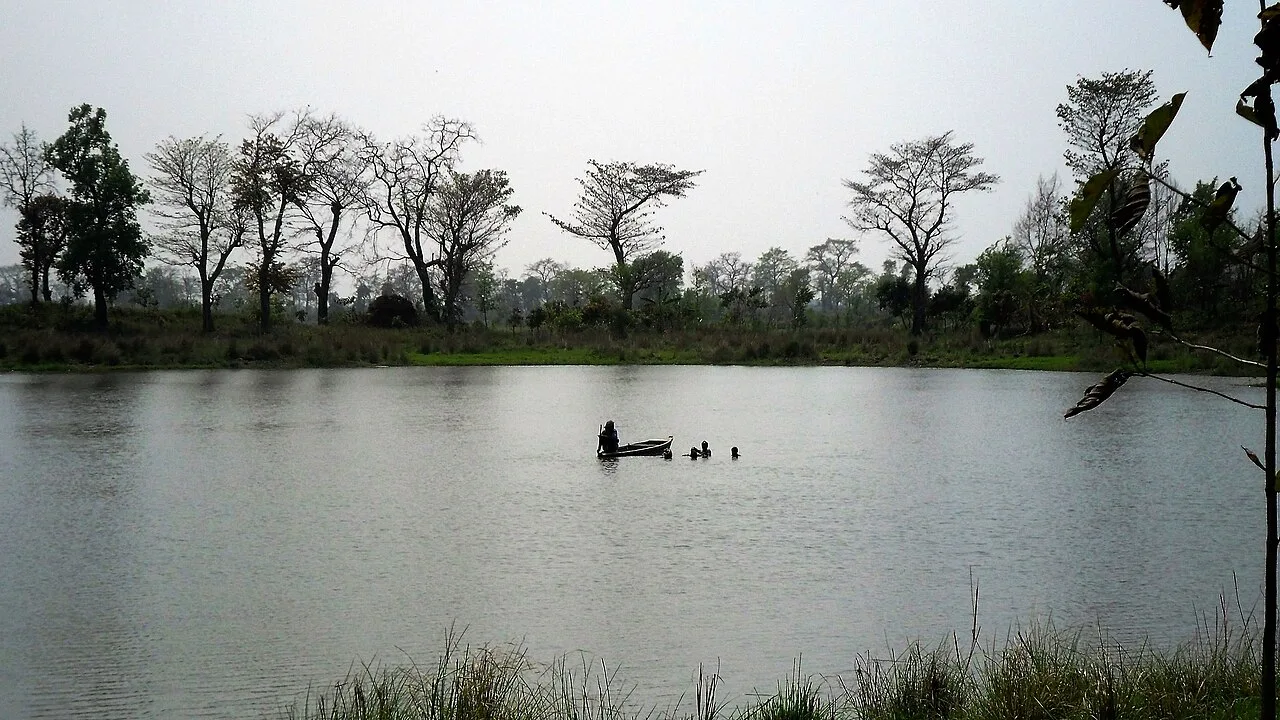
The protected landscape is associated with the forests of the Terai and the foothills along Bihar’s northern border. Its modern history is primarily one of forest and wildlife protection rather than monumental construction. The area was notified as a wildlife sanctuary and later received national park and tiger reserve designations; these overlapping statuses apply to protected areas with different boundaries and management purposes. Published accounts describe the national park and tiger reserve together and gives an area of 898.45 square kilometres, but travellers should consult current forest-department maps for the precise extent of each zone. Tiger-reserve status brought the landscape into India’s organised tiger-conservation framework, alongside continuing attention to habitat, wildlife monitoring and protection. The nearby Gandak Barrage at Valmikinagar is a major modern landmark in the surrounding region, though it is separate from the park’s conservation history. The name Valmiki is also associated with the Valmiki Ashram across the border in Nepal; that cultural association should not be confused with the park’s administrative origins. Forest management and visitor access can change, so current notices from the managing authority are more reliable than older accounts for operational details.
Spend unhurried time at Valmiki National Park: walk the marked paths, use official viewpoints and ask locally whether a guide, entry ticket or forest permission is needed. Weather can change quickly, so carry a rain layer even on a clear morning. Wildlife sightings are never guaranteed — patience and quiet improve your chances. A comfortable itinerary is one main visit in the morning, a local meal at midday and a short nearby stop before an afternoon return. Use the district list on this site to find other places in West Champaran, but check the route and its condition before combining stops. If a festival or fair is on — such as Chhath or the Sonepur fair — roads and stays can be busy, and the experience can be unforgettable. Leave no litter: many sites are protected by the communities around them.
Suggested itineraries
Half day: Check in with the authorised park staff or guide; take one permitted forest visit or viewpoint stop; pause for a meal in the nearby area; return with time in hand for changing road conditions. Full day: Begin with a guided visit on an approved route; take a midday break outside the active wildlife area; visit the Gandak Barrage at Valmikinagar if access and road conditions allow; return before dark. Gentler option: Choose a single accessible viewpoint or short authorised visit, remain near the vehicle, and allow a long rest break rather than attempting extended walks.
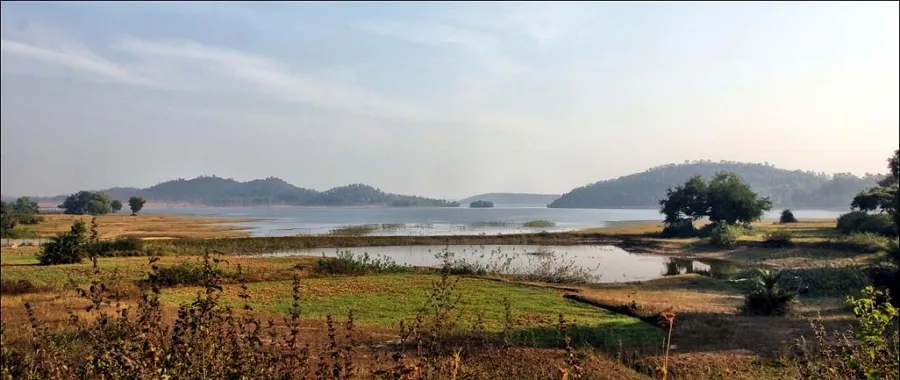
The park lies in a culturally varied border region where Hindi and Bhojpuri are widely used; languages and customs also reflect neighbouring communities and cross-border connections. Everyday life around the forest includes village markets, farming, livestock keeping and seasonal gatherings. Chhath, Holi, Diwali and Makar Sankranti are observed in the wider district, with local forms of music, food and worship. Tharu communities in the region maintain their own cultural traditions, though practices vary between families and settlements. Visitors should approach cultural sites and ceremonies as guests: ask before photographing people, and follow local guidance rather than assuming that a public gathering is open to unrestricted photography.
Local communities
People living in and around the wider landscape include Tharu communities and other residents of West Champaran. Livelihoods in the surrounding settlements may include farming, livestock rearing, small trade, transport, guiding and work connected with tourism or forest management. The park’s protected status can shape how people access forest resources and land, so visitors should avoid treating nearby villages as attractions without invitation. Local guides and service providers can offer useful, current advice on routes and visitor rules. Buy from local businesses where possible, and ask before photographing residents, homes or community activities.
Festivals & events
Chhath, usually observed in autumn and again in spring, is an important festival across Bihar; Holi in spring, Diwali in autumn and Makar Sankranti in winter are also celebrated in the wider district. Local village gatherings and fairs may take place at different times, but schedules vary and should be checked locally. The Sonepur fair is a well-known event elsewhere in Bihar, not a festival held at the park. During major holidays, transport, market areas and accommodation in the region can be busier. Keep religious gatherings separate from wildlife visits, and do not enter a ceremony or photograph participants without permission.
Local food in Bihar includes litti chokha, sattu paratha, khaja (a layered sweet from Silao), tilkut and anarsa from Gaya, makhana (fox nuts) from the Mithila region, chana ghugni, malpua and thekua. Ask what is fresh that day; many small eateries cook a limited daily menu. Vegetarian travellers eat very well across this region, and most towns also have non-vegetarian options. Remote sites may have no restaurant at all. Carry water and snacks, eat a proper breakfast before long drives, and ask your accommodation for a packed lunch if you are heading out early. Try a home-cooked or dhaba meal when you can — it is often the best food on the route. Choose busy, clean places, drink sealed or filtered water, and carry your packaging back with you.
Shopping & local experiences
Markets in nearby towns and settlements are the most practical places to look for everyday goods and locally made items. Availability of crafts varies, so ask respectfully about locally produced bamboo, cane or other handicrafts rather than assuming a particular item is made nearby. Food is a rewarding local purchase: look for regional meals and seasonal produce in town eateries or markets, and ask about ingredients if you have dietary needs. Choose goods from local sellers, avoid products made from wildlife or forest materials, and do not collect souvenirs from the protected area.
Valmiki lies in a forested Terai and foothill landscape in north-west Bihar, with sal and mixed forests, grassland and riverine habitats. The Gandak and smaller watercourses shape the broader region, while seasonal rain can affect tracks and low-lying areas. The reserve landscape supports a range of wildlife, including Bengal tigers, leopards, deer, wild boar and other mammals; species presence does not mean a sighting is likely on any particular visit. Forests and wetlands also provide habitat for resident and migratory birds. Vegetation, water levels and animal activity change with the seasons, and monsoon conditions may affect access. Keep noise low and observe wildlife only from permitted routes or viewpoints, preferably with an authorised guide.
October to March
The nearest principal railway station by straight-line distance is Narkatiaganj Junction, roughly 40 km away. The nearest operating airport by straight-line distance is Jay Prakash Narayan Airport, Patna, roughly 215 km away. These figures are calculated from map coordinates — actual road distance is longer. Patna Junction, Rajendra Nagar Terminal and Gaya Junction are the main rail gateways, and Patna and Gaya have airports; Varanasi airport serves the west of the state. For the final leg, Bihar State Road Transport Corporation (BSRTC) buses, private coaches and shared jeeps and autos link district towns; shared jeeps usually leave early in the morning. A private taxi gives more flexibility for remote sites. When comparing train, bus and flight, count the complete door-to-door time: a flight saves the most time only if the onward road transfer is short, while an overnight train can save a hotel night. Book your return before you leave, because seats fill quickly on weekends, festivals and holidays. Current train numbers, timings, return services and fares are not listed here; check IRCTC and NTES for trains and the airline's own schedule for flights. No permit is needed to visit Bihar. Buddhist circuit sites such as Bodh Gaya, Rajgir, Nalanda and Vaishali welcome visitors of all backgrounds; dress modestly at temples, monasteries and dargahs. The Sonepur fair, Chhath Puja and the Rajgir Mahotsav draw very large crowds, so book transport and stays well ahead.
Confirm onward and return timings on IRCTC / NTES, the state bus operator or your airline before travel. A dash means current timings or fares have not been verified.
Getting around
Narkatiaganj Junction is the nearest principal railway station by straight-line distance, roughly 40 km from the park; road travel is longer. On arrival in the district, local buses, shared jeeps, autos and private taxis may connect towns and settlements, but availability can vary. A taxi offers more flexibility for the final approach. Inside the protected area, use only transport and routes approved by park management; local walking may be limited to designated areas. Check road conditions, parking arrangements and the location of authorised entry points before travelling, especially during the monsoon.
Hours, tickets & permissions
Entry arrangements depend on the zone and current forest-management rules. Visitors may need a valid entry ticket, a vehicle or guide arranged through an authorised operator, or additional permission for particular routes; camera rules can also vary. Carry identification if requested by the managing authority. Do not assume that walking independently is permitted throughout the park. Confirm current opening arrangements, eligible routes, fees and any permit or camera requirements with the forest authority or an authorised local visitor centre before setting out. No hours or prices are stated here because they can change.
Facilities
Facilities inside the protected area may be limited and can differ between entry points. Toilets, drinking water, food stalls, parking and guide services are more likely near visitor centres or nearby settlements than on forest routes; check locally before relying on them. Carry water and any essential medicines, and take rubbish back with you. ATMs and a wider choice of meals are generally easier to find in larger towns than at remote forest access points. Ask the managing authority about authorised guides, vehicle arrangements and visitor facilities before travelling.
Accessibility
Visitor routes may include uneven forest tracks, mud, loose ground, steps or short walks, and conditions can change after rain. Shade is available under forest cover but may be intermittent on open stretches. Wheelchair and stroller access cannot be assumed, and there may be no accessible toilets or step-free facilities at every entry point. Older visitors or people with limited mobility should check route length, vehicle access, resting places and ground conditions with park staff before booking. A shorter visit from an authorised viewpoint may be more manageable than a full forest excursion; avoid setting out without assistance if the terrain is uncertain.
No permit is needed to visit Bihar. Buddhist circuit sites such as Bodh Gaya, Rajgir, Nalanda and Vaishali welcome visitors of all backgrounds; dress modestly at temples, monasteries and dargahs. The Sonepur fair, Chhath Puja and the Rajgir Mahotsav draw very large crowds, so book transport and stays well ahead. Carry a photo ID at all times and save the emergency number 112 and your accommodation's contact offline. Heat in summer and fog in winter are the main weather risks; carry water and allow extra travel time on foggy December–January mornings. Stay on marked paths, keep away from cliff edges and fast water, and never approach wild animals. Follow local guidance if access changes.
Visitor rules
Follow instructions from forest staff and authorised guides, and remain within permitted routes and visitor areas. Wear practical, muted clothing and closed, grippy footwear; carry rain protection in changeable weather. Do not feed, approach, chase or call wildlife, and keep voices low. Take all litter out, avoid single-use plastic where possible and do not collect plants, wood, feathers or other natural objects. Photography may be restricted in some areas, and drones should not be used without explicit permission. Respect local residents and never enter closed forest or community areas.
Photography
Early morning and late afternoon often provide softer light, but wildlife activity and visibility are never guaranteed. Use only authorised viewpoints and routes, and follow staff instructions about cameras or photography fees. A long lens and quiet observation are more suitable than moving closer to animals. Do not use flash on wildlife, disturb birds or block paths while taking pictures. Drone use may be prohibited or require written permission; confirm before travel and do not fly one without approval. Ask people before photographing them, and be especially considerate around homes, religious sites and ceremonies.
Choose a stay by the full journey to Valmiki National Park, not just the district name. Patna, Gaya and Bodh Gaya offer the widest choice, from pilgrim dharamshalas to international hotels; monastery guesthouses in Bodh Gaya are good value. In summer, check air-conditioning or coolers; in December and January, check hot water. Book in advance for weekends, festivals and the peak season (October to March). Confirm the exact location, meals included, check-in time and cancellation terms in writing. Avoid sending money to unverified contacts or touts at stations. Carry some cash, as card and digital payments can be unreliable in remote areas.
The Gandak Barrage at Valmikinagar is a prominent regional landmark that visitors may be able to combine with a park visit, subject to access rules and road conditions. In West Champaran, Bhitiharwa Gandhi Ashram is associated with Gandhi’s Champaran work and can make a separate heritage stop. Lauria Nandangarh is known for its Ashokan pillar and archaeological mound. These places are not inside the national park, and travel between them may take longer than a map suggests. Check current access, road conditions and the time needed before planning several stops in one day.
For couples, Valmiki National Park rewards a slow pace: arrive early for soft light and fewer crowds, share a local meal and keep the evening free. Sunset on the Ganga at a Patna ghat or an evening under the Bodhi tree's descendant at Bodh Gaya is quietly memorable. Public displays of affection can be frowned upon in conservative communities and at religious sites, so be discreet. Keep a buffer in your itinerary, because weather and road conditions can delay plans.
Q: How much time should I allow for Valmiki National Park? A: Allow at least half a day for one permitted visit; a full day gives more time for a guided forest experience and a nearby stop, subject to access and road conditions. Q: When is a good season to visit? A: October to March is generally a comfortable period in Bihar. Monsoon rain can affect roads and forest access, so check conditions before travelling. Q: Do I need a ticket or guide? A: Entry rules, tickets, permits and guide requirements depend on the route and current management arrangements. Confirm them with the forest authority before setting out. Q: Is the park suitable for children and older visitors? A: It can be, but forest tracks may be uneven and facilities limited. Choose a short authorised visit and check mobility needs, route conditions and facilities in advance. Q: Where can I stay nearby? A: Stay options may be available in the surrounding area and larger district towns, but choice and availability vary. Confirm accommodation and transport locally, especially during holidays.
Be the first to share photos, stories, advice or a helpful contact for Valmiki National Park.
Loading…