
Ghumoopedia — Explore, Discover, Experience
Sign in
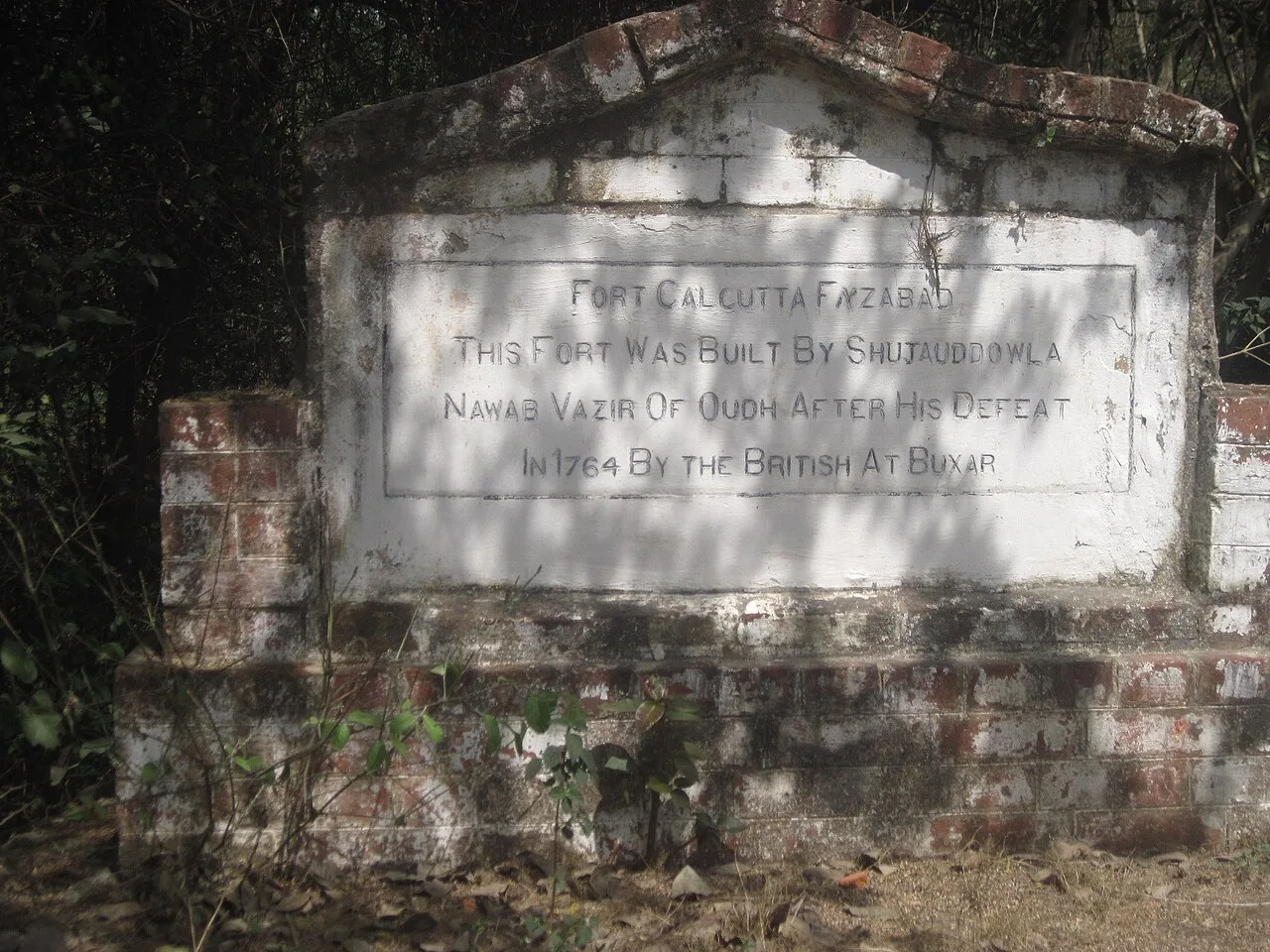
Buxar Fort, near Buxar

City guide · Bihar

Buxar

Buxar is a district headquarters and a busy regional centre in western Bihar, close to the Uttar Pradesh border. Its position on the Ganges and on major rail and road routes links it with Patna, eastern Uttar Pradesh and markets across the region.

Famous for

  • Battle of Buxar
  • Battle of Chausa
  • Ganges river ghats
  • Bhojpuri-speaking culture
  • Regional grain and produce trade
In the city
1
District
Buxar

Why Buxar matters

Buxar is a district headquarters and a busy regional centre in western Bihar, close to the Uttar Pradesh border. Its position on the Ganges and on major rail and road routes links it with Patna, eastern Uttar Pradesh and markets across the region. Trade, administration and transport remain central to the city’s role today.

For visitors, Buxar is best known for its place in Indian history. The Battle of Chausa, fought in 1539, and the Battle of Buxar, fought in 1764, took place in the surrounding area and shaped the region’s historical identity. Riverfront ghats and local places of worship offer a different perspective on the city, while nearby sites such as Katkauli Maidan invite exploration of its past. Bhojpuri is widely spoken, and the city’s markets reflect the agricultural life of the surrounding district. Buxar is not primarily a resort destination; it is a useful base for encountering the Ganges plain, local culture and important episodes in the history of north India.

Famous for: crafts, trade & products

Buxar is known more for regional commerce than for a signature textile, handicraft or GI-tagged product. Its markets serve the city and the surrounding farming communities, trading in rice and paddy, jaggery, mangoes, vegetables and fish. Soap and furniture are among the goods manufactured locally, alongside everyday household and engineering-related merchandise. The district’s agricultural produce is a visible part of the local economy, though availability varies by season.

To see this commercial life, browse the central bazaar and the streets around the railway station, where shops supply daily needs and traders connect with nearby towns and villages. These are practical places to look for local produce and household goods rather than specialist craft shopping. Buxar does not have a widely established identity as a destination for a particular saree, textile or collectible handicraft, so visitors seeking those products may find a broader selection in larger regional cities. The city’s jail-related manufactured goods are also noted among local exports, but they are not necessarily sold through ordinary retail outlets. Ask locally about current market locations and seasonal produce.

History

Buxar’s history reaches back to antiquity: terracotta statuettes from the pre-Mauryan or early Mauryan period have been found in the area, and some are now held in the Bihar Museum. Local tradition connects the city’s name with Aghsar, a sacred pond also linked in legend with the name Vyaghrasar. These accounts form part of the area’s religious heritage rather than a settled historical explanation of the name.

The surrounding plain became a stage for two consequential battles. At Chausa in 1539, Sher Shah defeated the Mughal emperor Humayun. In 1764, the Battle of Buxar brought the East India Company into conflict with the forces of Mir Qasim, Shuja-ud-Daula and Mughal emperor Shah Alam II; the Company’s victory strengthened its power in eastern India. Under British rule, Buxar’s position on the Ganges and regional routes supported its growth as a town and trading centre. In modern Bihar it has developed as the headquarters of Buxar district, with rail, road and river connections supporting administration and commerce.

Food, festivals & culture

Buxar’s everyday culture is shaped by the Bhojpuri-speaking communities of western Bihar and the neighbouring Uttar Pradesh borderlands. Hindi is also widely used. Meals draw on familiar regional staples such as rice, wheat, lentils and seasonal vegetables; sattu preparations and litti-chokha are popular across the wider Bhojpuri region. Thekua is associated with Chhath observances, while sweet shops and home kitchens offer locally familiar snacks and festive sweets rather than a single defining city speciality.

Chhath, observed chiefly in autumn and again in spring, is especially meaningful in this river landscape, with worshippers gathering at the Ganges ghats for ritual offerings. Holi in spring, Diwali in autumn and Ram Navami are also widely marked. Bhojpuri folk songs accompany family and seasonal celebrations, while devotional singing is heard at religious gatherings. Ram Rekha Ghat is among the places visitors can encounter the city’s river-based worship and evening devotional atmosphere. Temples and other neighbourhood shrines remain part of daily life, alongside the city’s wider mix of customary observances.

Visiting the city

The cooler months, roughly October to March, are generally the most comfortable for exploring Buxar; summer can be very hot, and monsoon rain may affect travel. Buxar Railway Station is the main rail gateway, on the Howrah–Delhi route. For air travel, Lal Bahadur Shastri International Airport in Varanasi is a major nearby option; Patna’s Jay Prakash Narayan Airport is another gateway, with road journeys taking several hours depending on conditions.

Auto-rickshaws and local taxis are useful for getting around town. Explore the central bazaar and station-side streets for everyday commerce, then visit Ram Rekha Ghat on the Ganges. Katkauli Maidan, associated with the 1764 Battle of Buxar, and the wider Chausa area are worthwhile historical excursions; check local transport options before setting out. Riverfront visits are especially rewarding around religious observances, when ghats can be crowded.

Attractions

Places to visit in Buxar

Sights within about 12 km of each other, even when they fall in different districts.

Map

Buxar on the map

  1. 1Buxar Fort

Bihar

Other cities to explore