
Ghumoopedia — Explore, Discover, Experience
Sign in
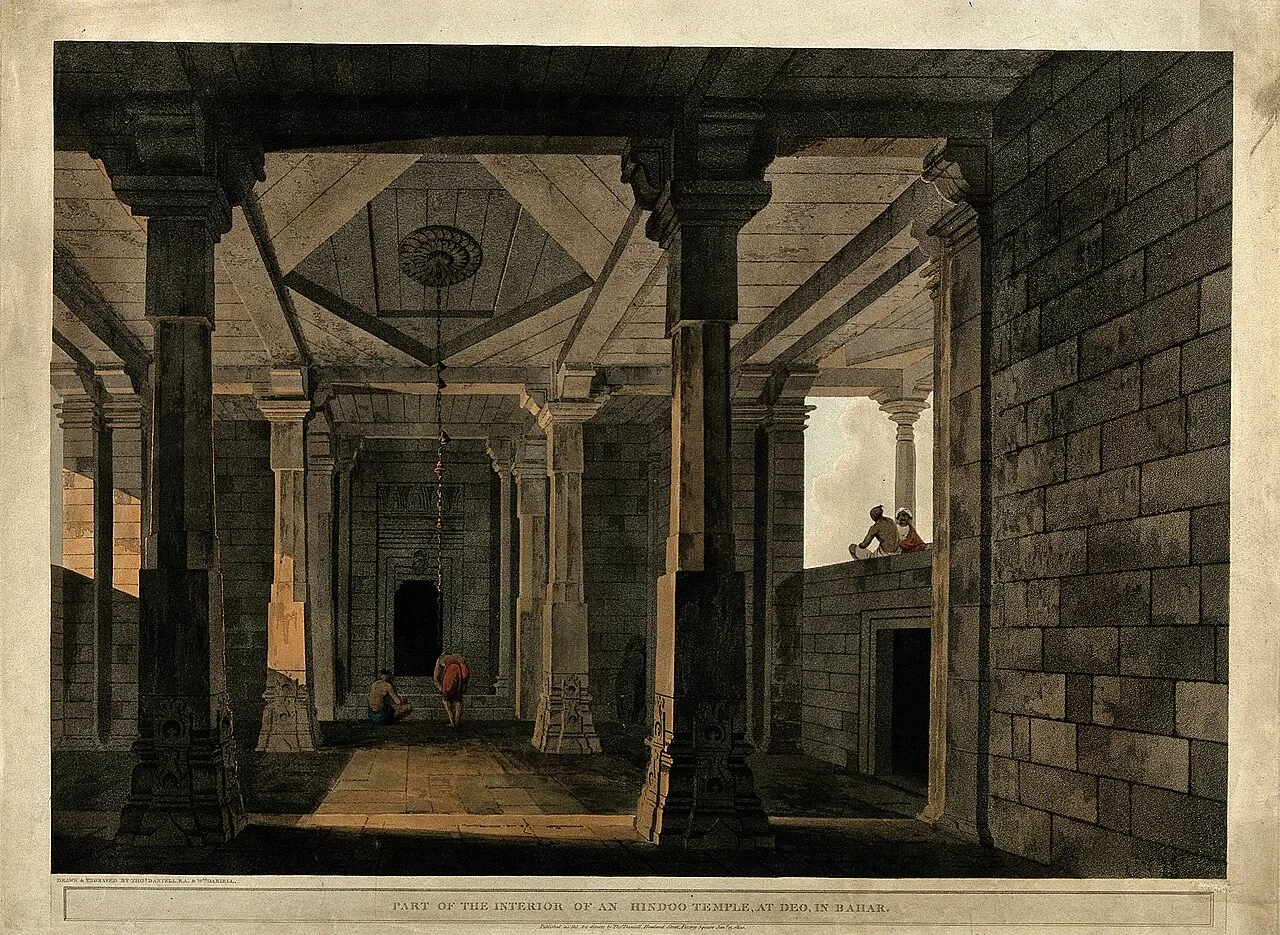
Deo, near Aurangabad

City guide · Bihar

Aurangabad

Aurangabad is an administrative and commercial centre in south-central Bihar, serving as the headquarters of its district. Its position at the meeting of the Grand Trunk Road, now National Highway 19, and National Highway 139 connects it with Gaya, Patna and destinations across the region.

Famous for

  • Strawberry cultivation
  • Carpets and blankets
  • Brassware
  • Nabinagar power generation
  • Deo Sun Temple
In the city
1
District
Aurangabad

Why Aurangabad matters

Aurangabad is an administrative and commercial centre in south-central Bihar, serving as the headquarters of its district. Its position at the meeting of the Grand Trunk Road, now National Highway 19, and National Highway 139 connects it with Gaya, Patna and destinations across the region. Agriculture remains important, while power generation and cement production have added an industrial dimension to the local economy.

The town is also a practical base for exploring the surrounding countryside and religious sites, including the celebrated Sun Temple at Deo in the district. Visitors encounter a blend of everyday market-town life, farming traditions and newer industrial development. Local produce, particularly strawberries as well as staple crops, reflects the area’s agricultural character. Magahi and Hindi are widely spoken, and festivals such as Chhath bring communities together in a region where worship of the sun has a strong presence. Aurangabad matters both as a service centre for nearby towns and villages and as a gateway to the broader historical and cultural landscape of Magadh.

Famous for: crafts, trade & products

Aurangabad’s local economy brings together farming, small-scale making and large industrial projects. The district grows rice, wheat, gram, lentils and rapeseed; strawberry cultivation has also become a notable source of work and income for growers. Seasonal produce and everyday agricultural goods are best sought in the town’s general markets, where local trade serves surrounding villages.

Carpets, blankets and brassware are among the products associated with the area. Visitors can ask at local market shops and craft or household-goods sellers for locally made pieces; availability and origin may vary, so it is worth checking with the seller. No particular textile tradition or GI-tagged product is firmly established here. On the industrial side, the Nabinagar Super Thermal Power Plant is a major electricity-generating project, while cement production is another part of the regional economy. These industries have expanded Aurangabad’s role beyond its traditional agricultural base. The town’s bazaars remain the most convenient place to browse practical goods and produce, rather than a single specialised craft district or formally designated shopping quarter.

History

Aurangabad lies in the historic Magadh region, whose ancient rulers included Bimbisara, Ajatashatru, Chandragupta Maurya and Ashoka. The town’s wider setting later gained strategic importance under Sher Shah Suri as part of the Rohtas administrative territory. After Sher Shah’s death, the area came under Mughal authority during Akbar’s reign; Afghan resistance was suppressed by the imperial administrator Todar Mal. Traces of Afghan-era architectural influence are associated with the region.

During British rule, Aurangabad became a subdivision in 1865, when Bihar was separated from Patna District. It later developed as a district administrative centre. Aurangabad district was established in 1973, with a district magistrate appointed as its first senior administrator. Since then, the town has grown as a hub for government services, road transport and regional trade. More recent development has included major power-generation infrastructure at Nabinagar and cement production, alongside agriculture that continues to support many local livelihoods.

Food, festivals & culture

Daily life reflects the cultural mix of south Bihar and the Magadh region. Magahi and Hindi are widely spoken, and family meals commonly draw on rice, wheat, pulses and seasonal vegetables. Litti-chokha, sattu preparations and other familiar Bihari foods are found in local eateries, though menus vary. Sweets and snacks are available in neighbourhood confectionery shops, but Aurangabad is not especially associated with one signature sweet.

Chhath, observed mainly in autumn after Diwali and again in spring, is among the most prominent festivals in the region. Devotees offer prayers to the setting and rising sun, often at water bodies; the Sun Temple at Deo is an important pilgrimage destination in the district. Holi in spring and Diwali in autumn are also widely celebrated, alongside Eid and other community festivals. Worship takes place at local temples, mosques and other neighbourhood religious spaces. Folk music and devotional songs are part of festival gatherings; performance traditions are shared with the wider Magadh and Bihar region rather than defined by a single city-specific dance form.

Visiting the city

The cooler, drier months from October to March are generally the most comfortable for a visit. Summers can be very hot, while the monsoon brings rain and greener countryside. Gaya International Airport is the nearest major airport; Patna’s Jay Prakash Narayan International Airport is another option. Anugrah Narayan Road railway station is the principal rail stop serving Aurangabad, with onward road transport into town.

Auto-rickshaws and local taxis are useful for getting around; buses and shared vehicles connect the town with nearby settlements. The central bazaar and main town centre are good places to experience local commerce and find food. NH19 and NH139 provide road access, while Deo makes a worthwhile regional excursion for its Sun Temple. Check road and local travel conditions before setting out.

Attractions

Places to visit in Aurangabad

Sights within about 12 km of each other, even when they fall in different districts.

Map

Aurangabad on the map

  1. 1Deo

Bihar

Other cities to explore