Ghumoopedia — Explore, Discover, Experience
Sign in
Mandar Hill, near Amarpur

City guide · Bihar

Amarpur

Amarpur is a small town in Banka district, in eastern Bihar. Its importance today is mainly regional: it serves residents of the town and surrounding settlements with local administration, everyday shopping and basic civic services.

Famous for

  • Banka district town
  • Amarpur Nagar Panchayat
  • Local market and services
  • Amarpur railway station

Why Amarpur matters

Amarpur is a small town in Banka district, in eastern Bihar. Its importance today is mainly regional: it serves residents of the town and surrounding settlements with local administration, everyday shopping and basic civic services. The Nagar Panchayat is responsible for amenities such as water and sewerage, roads within its limits and property taxation. The town is divided into 14 wards, whose representatives are elected every five years.

Amarpur is best understood as a working service centre rather than a destination known for a nationally prominent monument, craft or product. Visitors may use it as a base or stop while travelling around Banka district, including on trips towards Bounsi and Mandar Hill. Its market and railway connection make it useful for practical travel, while the surrounding countryside offers a glimpse of everyday life in this part of Bihar. Travellers looking for a specific landmark or event should check locally, as the town’s attractions are not widely documented in visitor information.
Famous for: crafts, trade & products

Amarpur is not widely associated with a particular textile, saree tradition, handicraft or GI-tagged product. Nor is there a well-documented, city-specific industrial speciality that defines its reputation. Its role is more practical: the town’s local market serves residents and nearby villages with everyday goods and services. Visitors can explore the bazaar area for ordinary provisions and locally available seasonal foods, rather than expecting a dedicated craft market or tourist shopping district.

The Nagar Panchayat is an important local institution, overseeing civic services and infrastructure within its jurisdiction. Small businesses and service providers are part of the town’s everyday economy, but individual shops and specialist products can change, so it is sensible to ask residents for current recommendations. Banka district has destinations and traditions beyond Amarpur, but these should not be mistaken for products made or sold exclusively in the town. For visitors interested in textiles or handicrafts, nearby larger towns may offer more choice; Amarpur is primarily a place for local shopping and daily needs.

History

Amarpur’s history is best described through its place in Banka district and its development as a local administrative and service centre. The wider region of eastern Bihar has experienced changing political powers and colonial administration, but a detailed, firmly established account of Amarpur’s own founding, ruling lineages or specific colonial-era events is not readily available. It is therefore better not to assign the town an unsupported origin story or link it to a particular ruler.

In modern civic life, Amarpur is a notified urban area and is administered as a Nagar Panchayat in Banka district. Its responsibilities include providing basic services, maintaining roads within its limits and levying property taxes. The municipality is divided into 14 wards, with elections held every five years. This local-government role reflects the town’s contemporary importance: it provides an administrative framework and services for residents of Amarpur and nearby settlements. Its growth is most visible in this everyday civic function, rather than in a documented history of large-scale industry or monumental urban development.

Food, festivals & culture

Daily life in Amarpur reflects the food and customs of eastern Bihar. Rice, lentils, seasonal vegetables and breads are common parts of home cooking; litti-chokha and sattu-based foods are familiar across the region. Local stalls may offer snacks and sweets, though specific specialties and availability vary. Hindi is widely used, and Angika is also spoken in the wider area. Family, community and religious gatherings are important parts of the social calendar.

Chhath, observed mainly in autumn and again in spring, is a major festival across Bihar, with worship and offerings at water bodies. Holi, Diwali, Ram Navami and Eid are also observed by local communities, with the character of celebrations varying among households. Neighbourhood temples and mosques serve as places of worship; visitors should ask locally for directions and follow customary etiquette. Music and dance are part of festival and family occasions, but Amarpur is not especially documented for a distinct performance tradition of its own.

Visiting the city

The cooler, drier months from October to March are generally the most comfortable time to visit. Summer can be hot, while monsoon weather may affect road journeys. The nearest practical airport is generally Deoghar Airport in neighbouring Jharkhand; check current flight availability before planning around it. Amarpur has its own railway station, Amarpur railway station, though travellers should confirm current services and connections.

Auto-rickshaws and local shared transport are useful for getting around; availability may vary by time and location. The town bazaar is a good place to see everyday commercial life and find basic provisions. For a wider district outing, visitors can ask locally about travel towards Bounsi and Mandar Hill. Amarpur is modest in scale, so it is best visited with flexible plans and local guidance rather than an expectation of a developed tourist circuit.

Trips from the city

Nearest places to visit from Amarpur

Our closest destination guides, by straight-line distance.

Mandar Hill

26 km away · Bhagalpur district

Mandar Hill

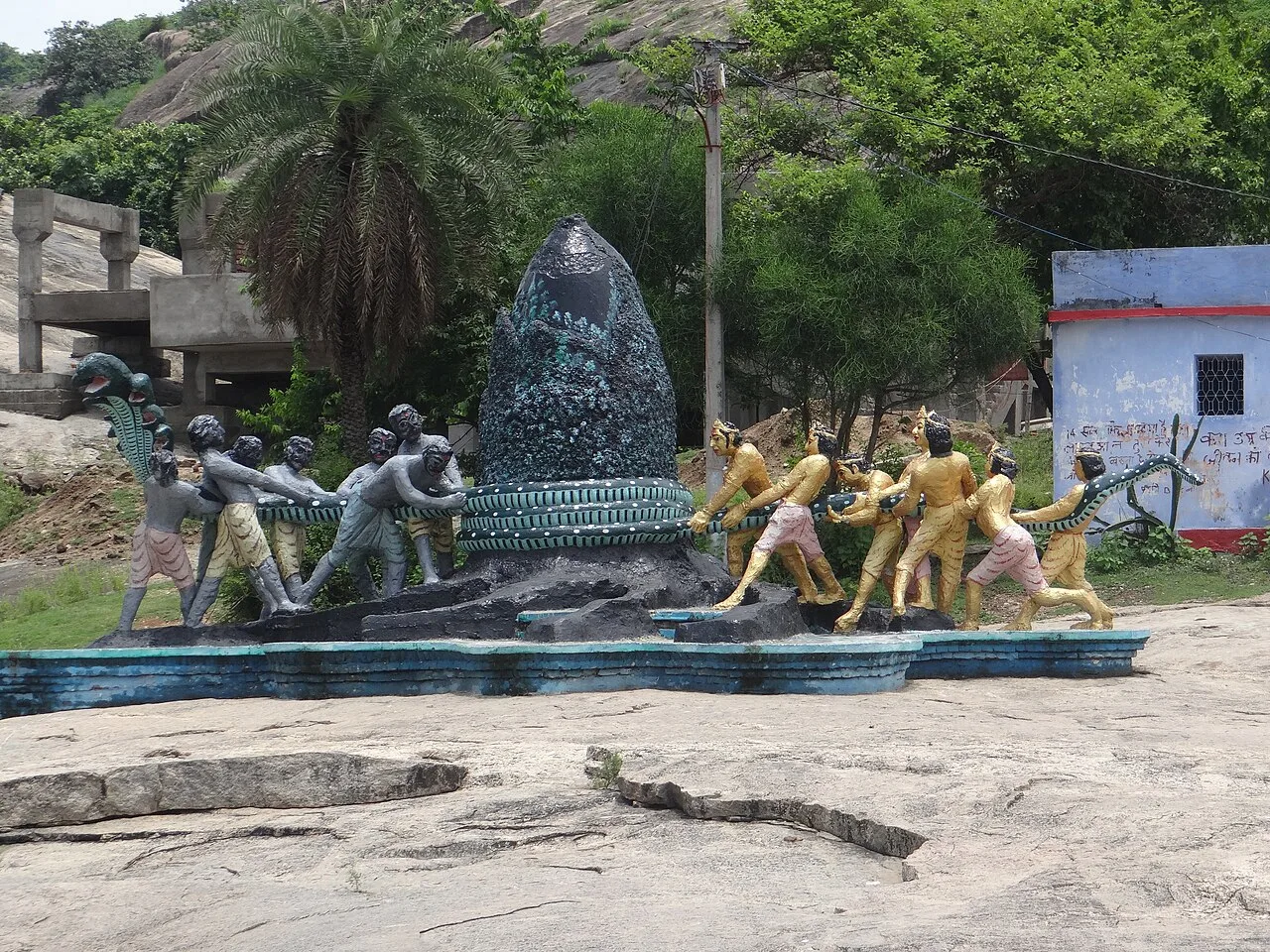
Mandar Hill, also called Mandar Parvat, is a roughly 700-foot hill at Bounsi in Bihar’s Banka district. Hindus and Jains visit it as a place of pilgrimage.

Vikramshila University Ruins

50 km away · Bhagalpur district

Vikramshila University Ruins

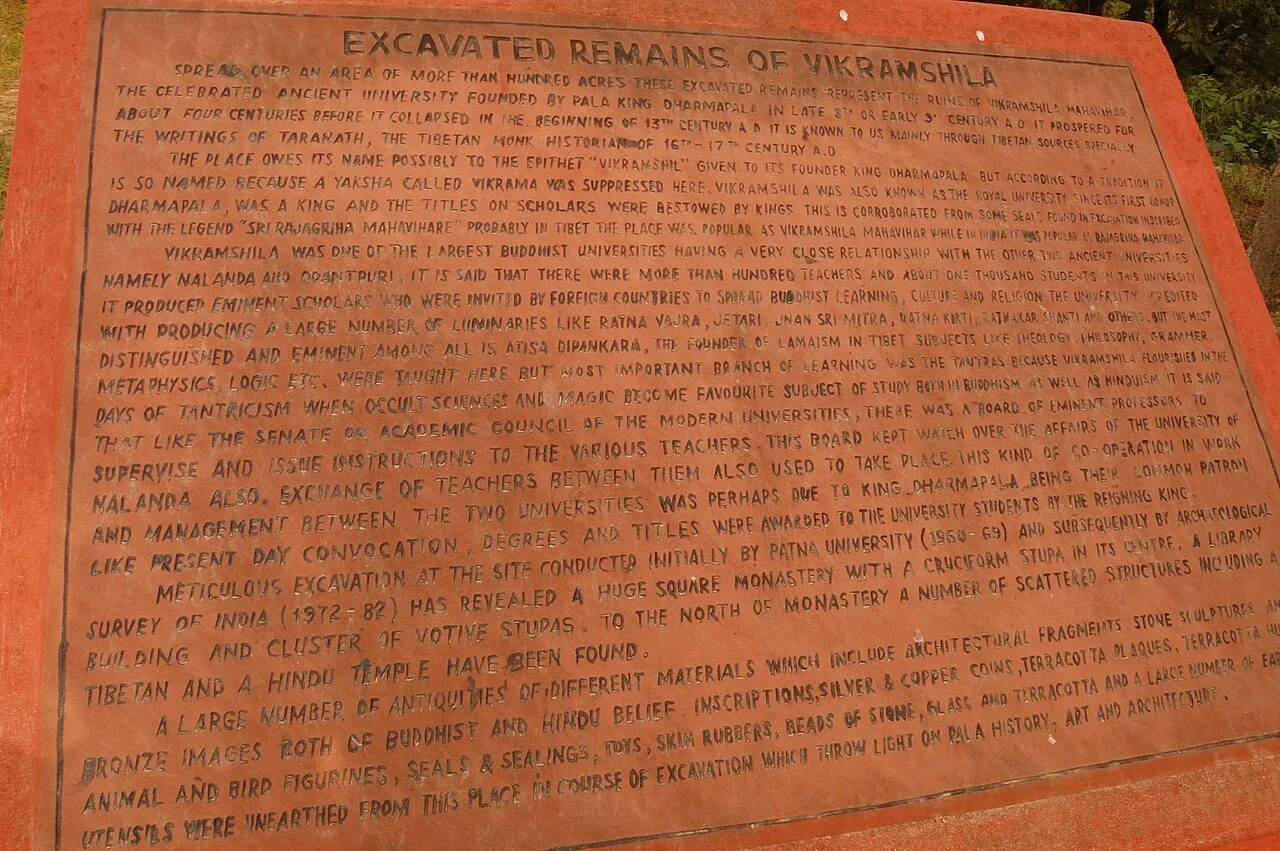
Vikramshila University Ruins mark a major Buddhist centre of learning in Bihar. Visitors come to explore the site and learn about its scholars and place in Buddhist education.

Munger Fort

58 km away · Munger district

Munger Fort

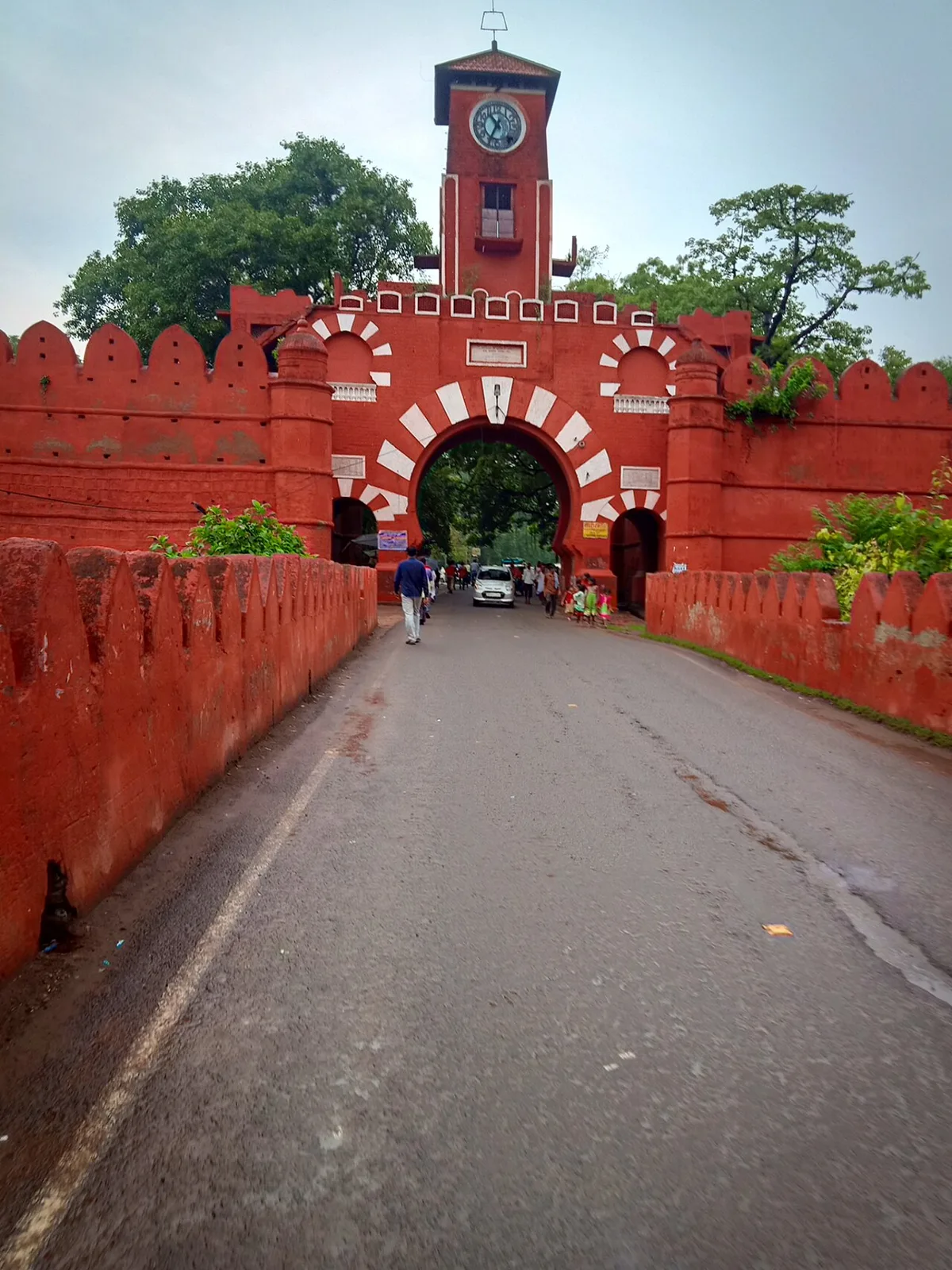
Munger Fort is a historic stronghold in Bihar, set on a rocky rise beside the Ganges. Visitors come to see its tombs, palace, temple, riverside ghat and British-era cemetery.

Bhimbandh Wildlife Sanctuary

66 km away · Munger district

Bhimbandh Wildlife Sanctuary

In Bihar’s Munger district, Bhimbandh Wildlife Sanctuary is a sanctuary devoted to wildlife. Visitors come to spend time in this wildlife-focused place in the district’s south-west.

Katihar

87 km away · Purnia district

Katihar

Katihar is a major city in Bihar, known for its regional commercial, educational and administrative roles. Travellers also use it as a railway hub linking routes towards North Bengal and the north-east.

Vishwa Shanti Stupa

117 km away · Gaya district

Vishwa Shanti Stupa

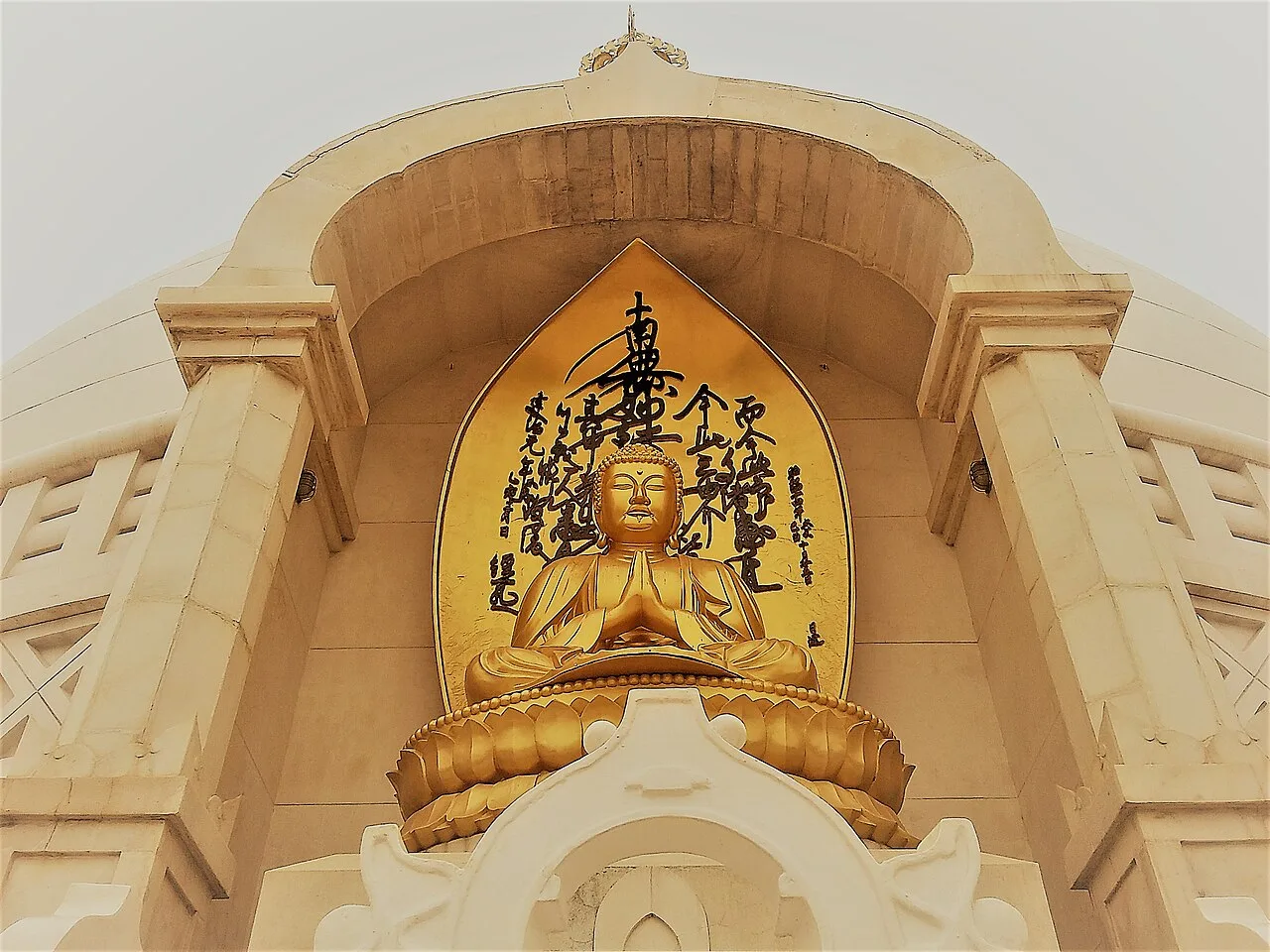
Vishwa Shanti Stupa is a white Buddhist pagoda in Rajgir, visited for its Buddha statues, nearby Japanese temple and park, and prayers for peace.

Kakolat Falls

134 km away · Nawada district

Kakolat Falls

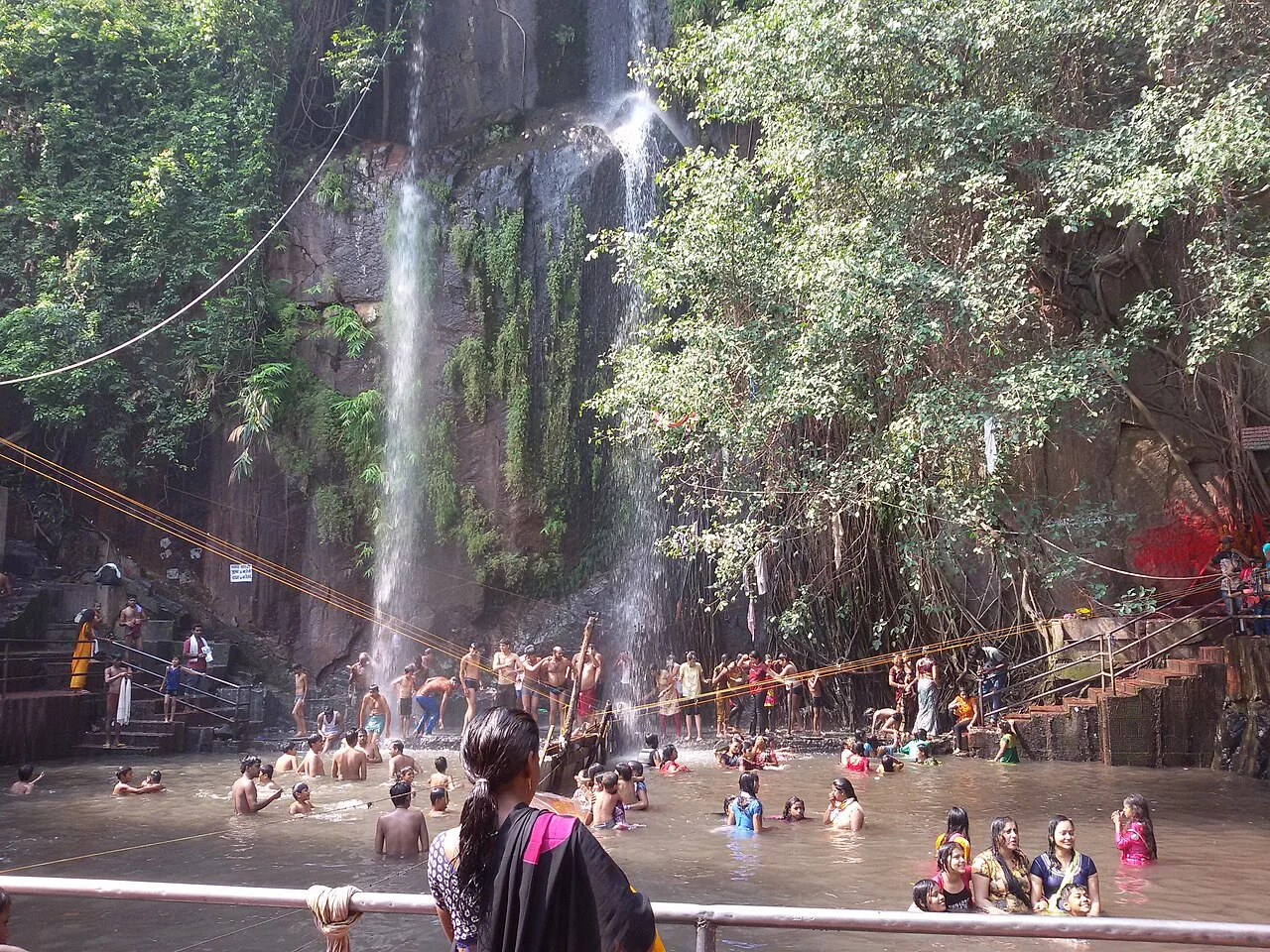
Kakolat Falls is a waterfall in Bihar’s Nawada district. Visitors come to see the falling water, making it a destination centred on this natural feature.

Pawapuri

137 km away · Gaya district

Pawapuri

Pawapuri, also called Pavapuri, is a Jain sacred site in Bihar’s Nalanda district. People travel there on pilgrimage because it is associated with Mahavira’s nirvana.

Map

Amarpur on the map

  1. 1Mandar Hill
  2. 2Vikramshila University Ruins
  3. 3Munger Fort
  4. 4Bhimbandh Wildlife Sanctuary
  5. 5Katihar
  6. 6Vishwa Shanti Stupa
  7. 7Kakolat Falls
  8. 8Pawapuri

Bihar

Other cities to explore