Ghumoopedia — Explore, Discover, Experience
Sign in
Valmiki National Park, near Bagaha

City guide · Bihar

Bagaha

Bagaha is an important administrative and trading centre in West Champaran, northern Bihar. It serves as the headquarters of Bagaha subdivision and as a police district, linking settlements across a largely rural, forested and border region.

Famous for

  • Gandak River setting
  • Valmiki Tiger Reserve access
  • Nepal-border location
  • West Champaran administration
  • Regional agricultural markets

Why Bagaha matters

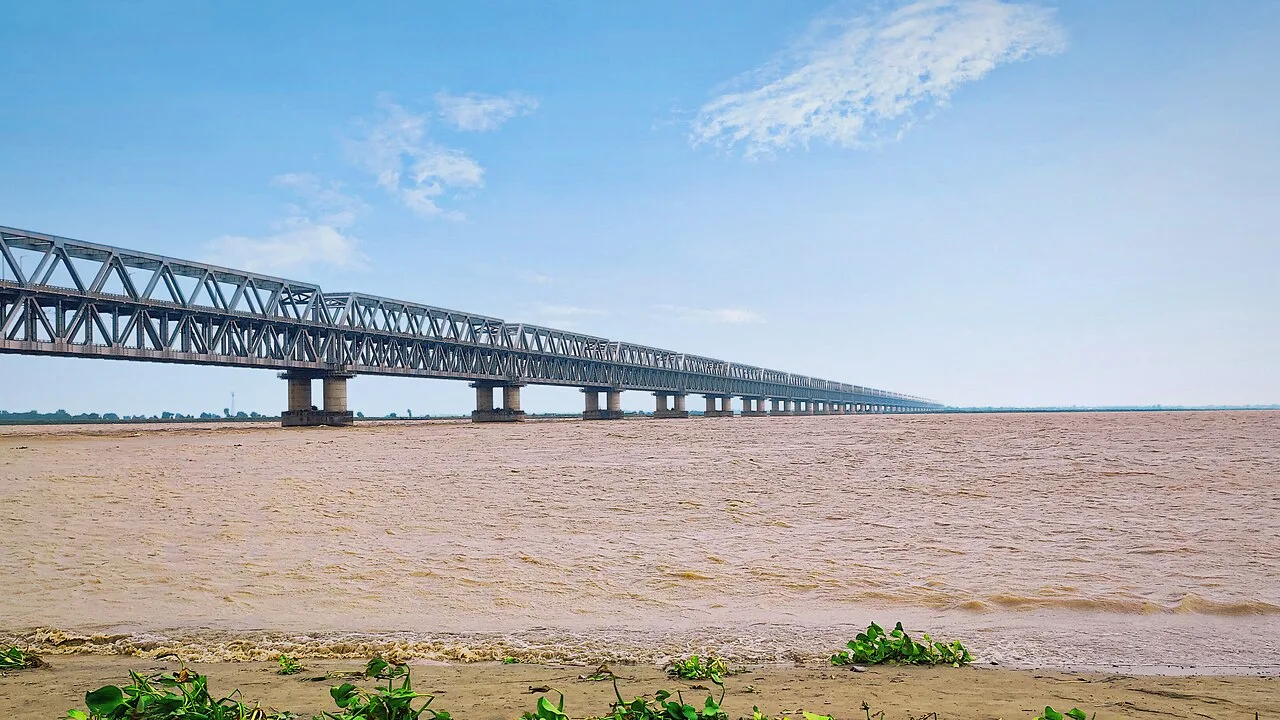
Bagaha is an important administrative and trading centre in West Champaran, northern Bihar. It serves as the headquarters of Bagaha subdivision and as a police district, linking settlements across a largely rural, forested and border region. Set beside the Gandak River, the town is about 64 kilometres northwest of Bettiah and around 294 kilometres from Patna.

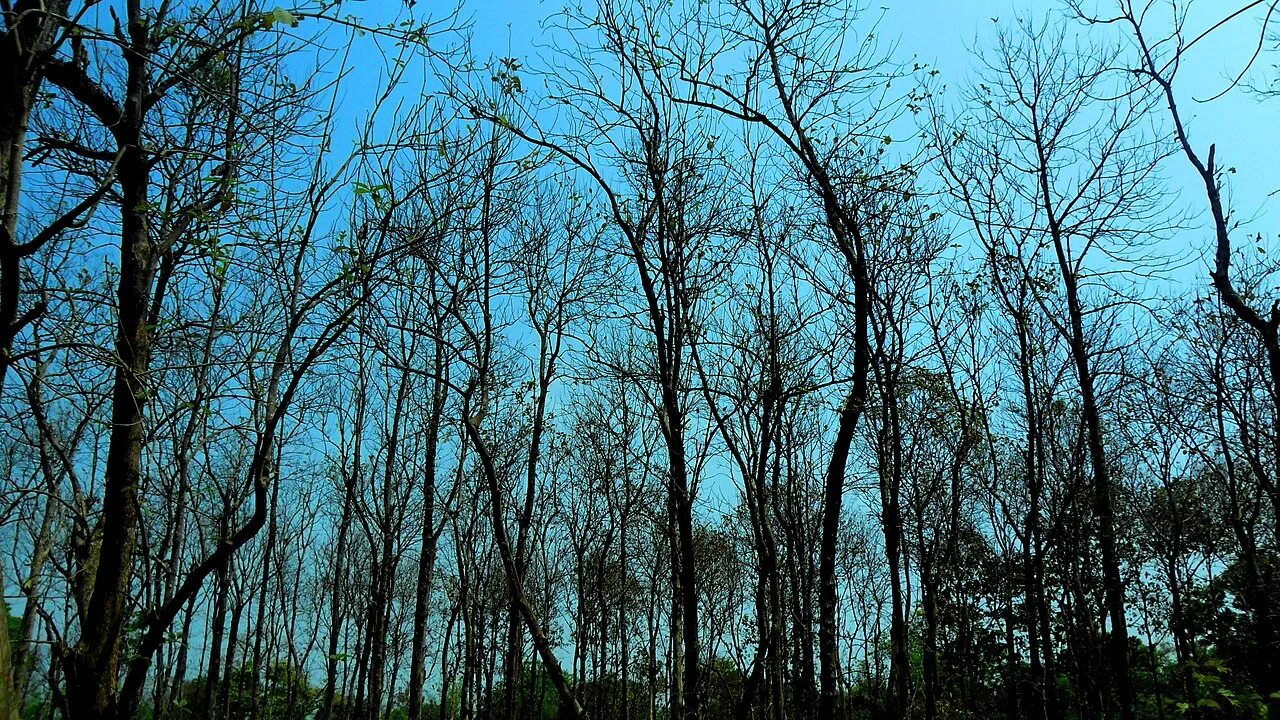
Its location gives Bagaha a distinctive mix of river plain, countryside and Terai landscape. The Valmiki Tiger Reserve and the forests around Valmikinagar lie to the north, making the area a useful starting point for travellers exploring northwest Bihar’s natural attractions. The nearby India–Nepal border also shapes local movement and commerce. Visitors come for the riverine scenery and access to the reserve, while residents rely on Bagaha for markets, public services and transport connections. The town is not chiefly known for a single monument or craft; its importance rests on its role as a regional hub and gateway to the Gandak and the forests beyond.
Famous for: crafts, trade & products

Bagaha is best understood as a regional market town rather than a centre for a widely recognised textile, handicraft or GI-tagged product. Its shops and local markets serve the town and surrounding villages, with everyday goods and agricultural produce moving through the area. Farming across the fertile Gandak plain includes crops such as rice, wheat, maize and sugarcane, though availability varies by season. For ordinary shopping, visitors can look around the central bazaar and commercial streets near the town’s transport hubs.

There is no established signature craft district or specialist emporium that defines Bagaha. Travellers seeking a distinctive regional product can ask local shopkeepers about seasonal produce and goods from West Champaran, or browse markets in nearby Bettiah for a wider selection. Bagaha’s stronger visitor connection is its position near the Valmiki Tiger Reserve and the Gandak landscape. Travel arrangements and supplies for excursions are best organised in town, while visits to forest areas should be planned through the relevant reserve authorities. The local economy is also supported by administration, transport and services for nearby rural communities.

History

The Bagaha region is associated with the wider cultural landscape of Mithila and later became part of the Bettiah Raj, a prominent zamindari estate. Under British rule, Bagaha developed as a market and administrative centre serving settlements near the Gandak and the forested northern frontier. Its growth reflected both the agricultural importance of the river plain and the need for administration in a sparsely connected border region.

The wider Champaran area became nationally significant during the indigo-related protests and the Champaran Satyagraha led by Mahatma Gandhi in 1917. The movement’s principal centres lay farther east, but it forms part of the region’s modern history. After independence, Bagaha continued to develop as a service and transport hub for northwest West Champaran. It became the headquarters of its own subdivision and was also constituted as a separate police district, strengthening local administration and law enforcement. The town’s present role reflects this history as a link between rural communities, the river corridor and the Nepal-border region.

Food, festivals & culture

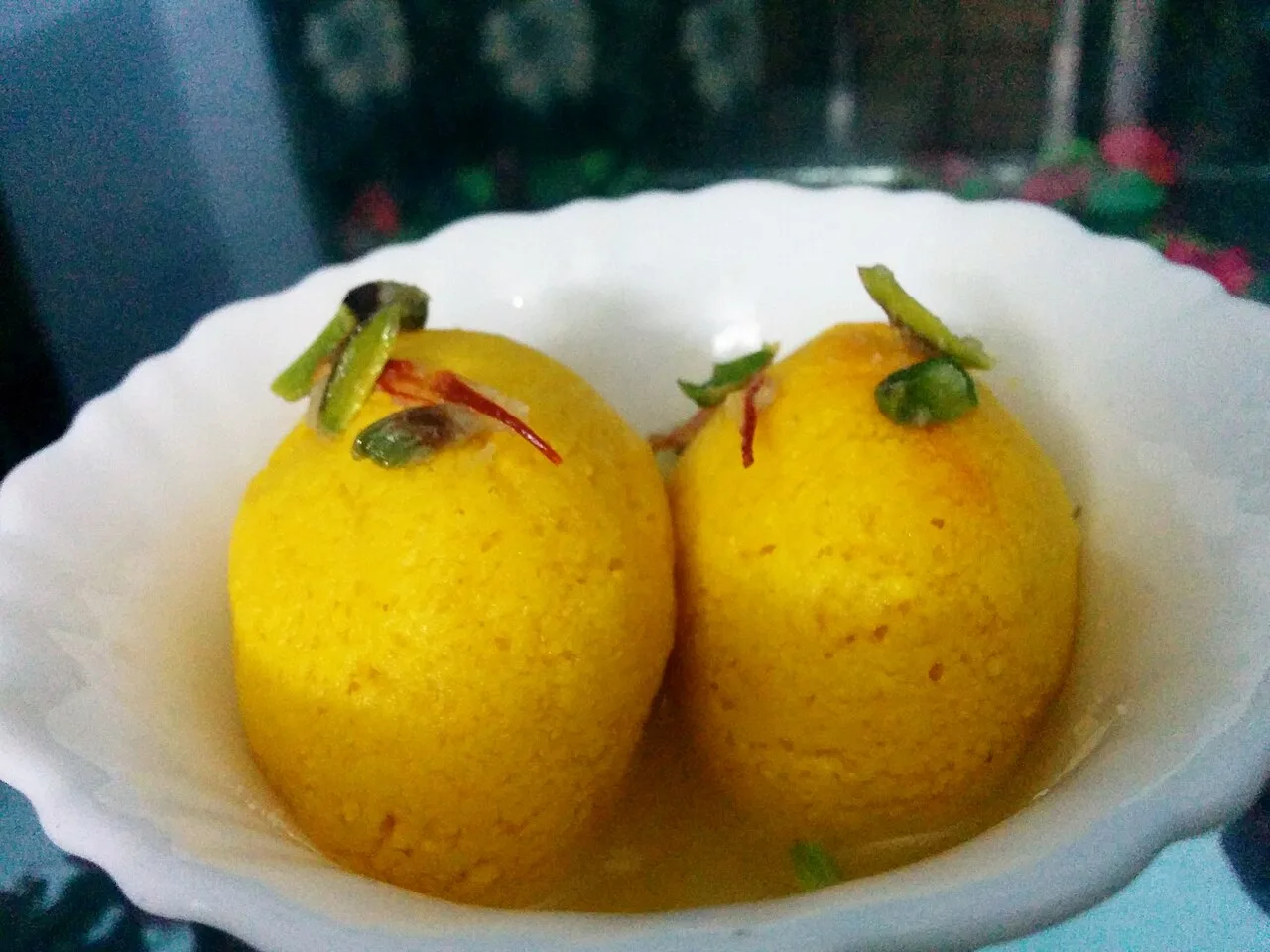
Food in Bagaha reflects the everyday cooking of north Bihar: rice, wheat breads, lentils, seasonal vegetables and preparations made with locally available produce. Sweets such as khaja, peda and other milk-based treats are found in the wider region, though offerings vary between shops. Chhath Puja, observed in autumn and again in spring, is especially prominent in Bihar; the Gandak and other local water bodies provide settings for its river-facing rituals. Holi, Diwali, Durga Puja and Eid are also celebrated by residents of different communities.

Hindi and Bhojpuri are widely used in public life and conversation, alongside other regional speech varieties. Folk songs and devotional music accompany festivals, family ceremonies and seasonal observances; performances are generally community-based rather than staged for visitors. Hindu temples, neighbourhood shrines and mosques serve local worshippers across the town. For a visitor, the most direct way to encounter Bagaha’s culture is to explore its markets and food shops, or to visit during a festival while being considerate of religious customs and busy public spaces.

Visiting the city

The cooler months, roughly October to March, are generally the most comfortable time to visit. Monsoon rains from June to September can affect travel, while summers are hot. Bagaha railway station is the main rail arrival point. Gorakhpur Airport is a commonly used airport for onward travel to Bagaha; the journey continues by road or rail, so check connections before setting out.

Within town, local autos, cycle-rickshaws and taxis can help with short trips; confirm arrangements locally. The central market area is useful for food, shopping and everyday services. The Gandak riverfront and northern approaches towards Valmikinagar offer a sense of the surrounding landscape, while the Valmiki Tiger Reserve requires separate planning and compliance with reserve rules. Bettiah is another useful regional stop for services and onward connections.

Trips from the city

Nearest places to visit from Bagaha

Our closest destination guides, by straight-line distance.

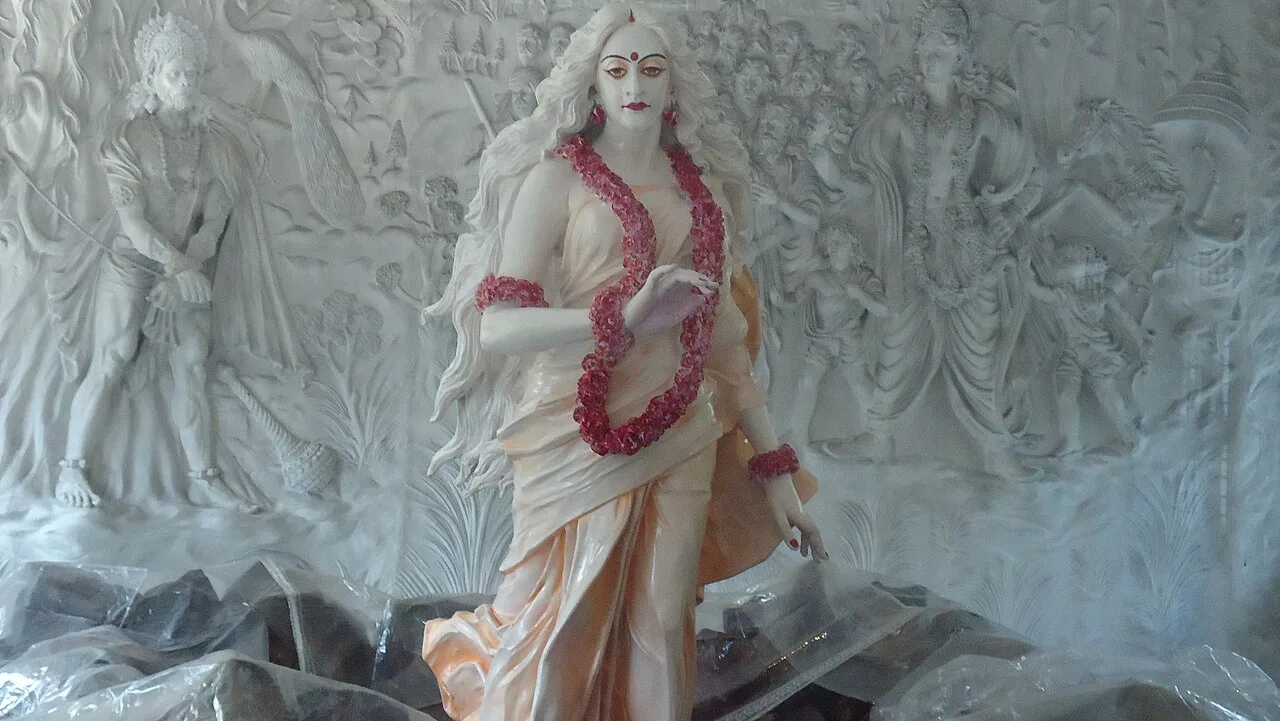
Valmiki National Park

27 km away · West Champaran district

Valmiki National Park

Valmiki National Park, in West Champaran district, Bihar, is the state’s only national park and a tiger reserve. Visitors come to experience its protected setting.

Lauria Nandangarh

33 km away · East Champaran district

Lauria Nandangarh

Lauria Nandangarh is a historic settlement in Bihar’s West Champaran district, known for an Ashokan pillar and a nearby mound, with Mauryan-period remains found in the area.

Kesaria stupa

114 km away · East Champaran district

Kesaria stupa

Kesariya Stupa is a Buddhist monument in Bihar’s East Champaran district, at Kesariya near Mehsi. Visitors come to see the structure, whose construction began in the third century BCE.

Sitamarhi

151 km away · Sitamarhi district

Sitamarhi

Sitamarhi is a city in Bihar’s Tirhut Division and the administrative centre of its district. Visitors are drawn by the Hindu tradition linking it to Sītā’s birth.

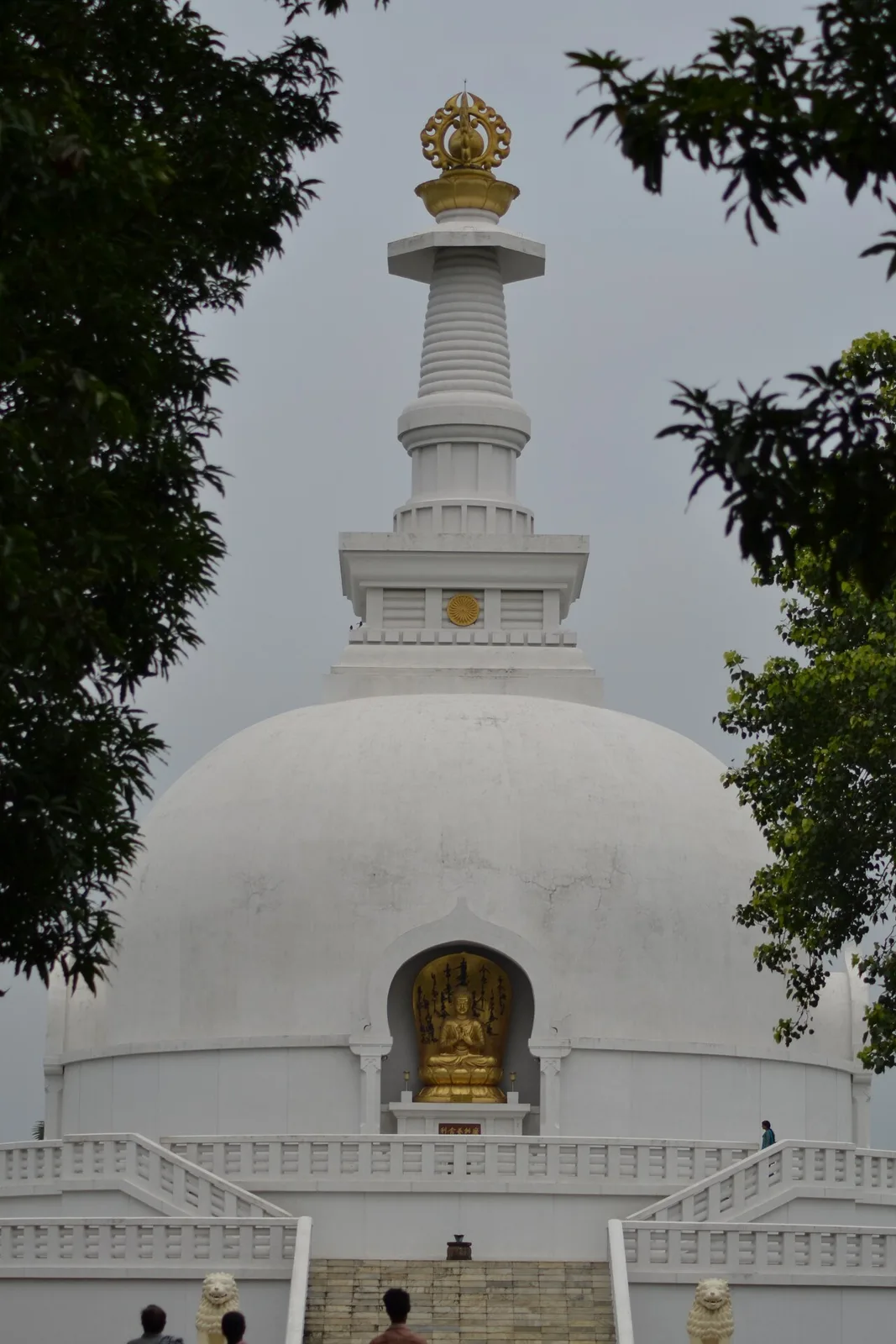
Vaishali

158 km away · Vaishali district

Vaishali

Vaishali is an archaeological site in Bihar associated with an ancient republic and important events in Buddhist and Jain history. Visitors come to see its stupas and Ashokan pillar and to explore these religious connections.

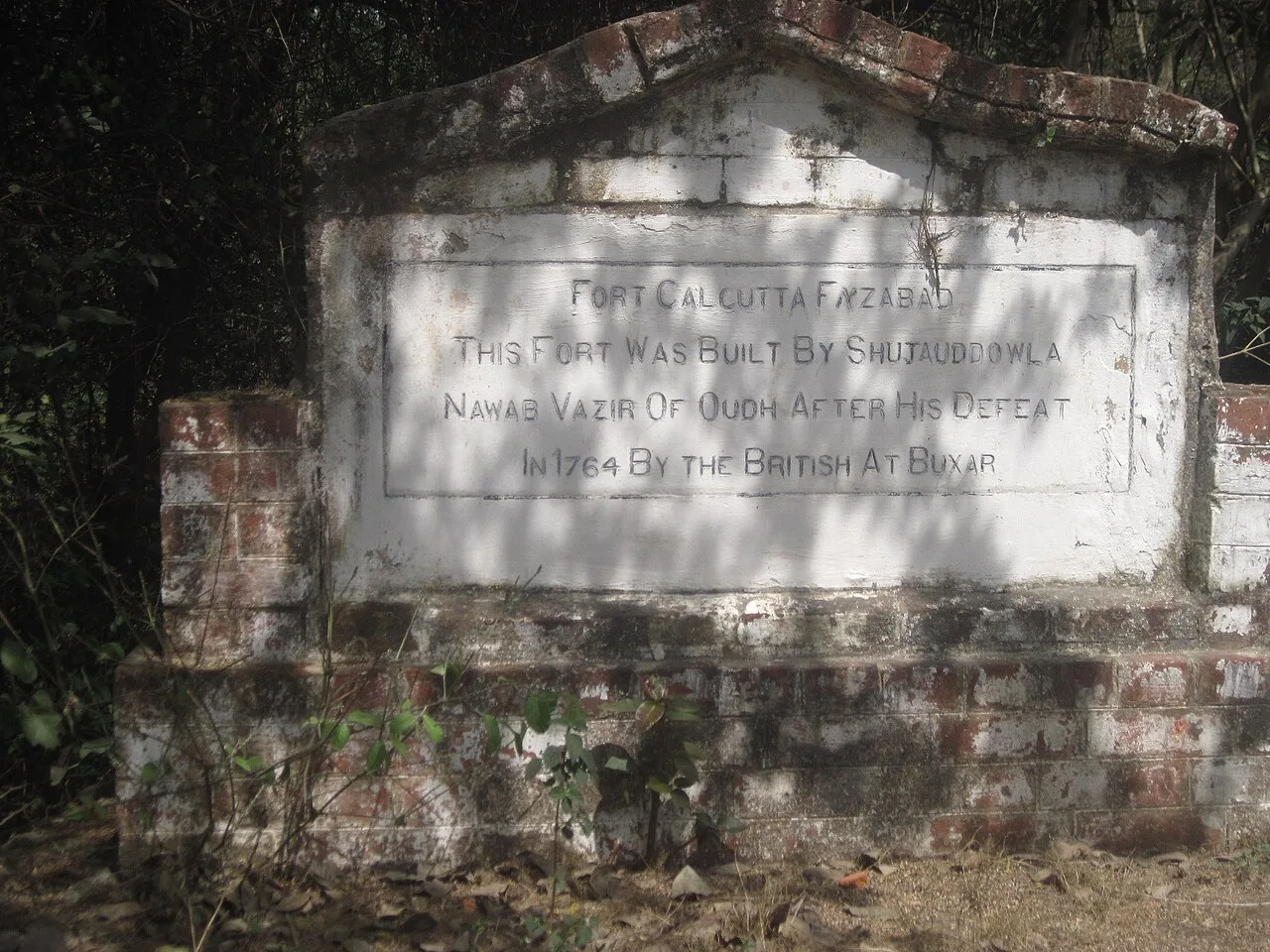
Buxar Fort

171 km away · Buxar district

Buxar Fort

Buxar Fort is a fort in Bihar’s Buxar district, founded by King Rudra Deo. Its history and the city’s religious and cultural associations give visitors context for exploring the area.

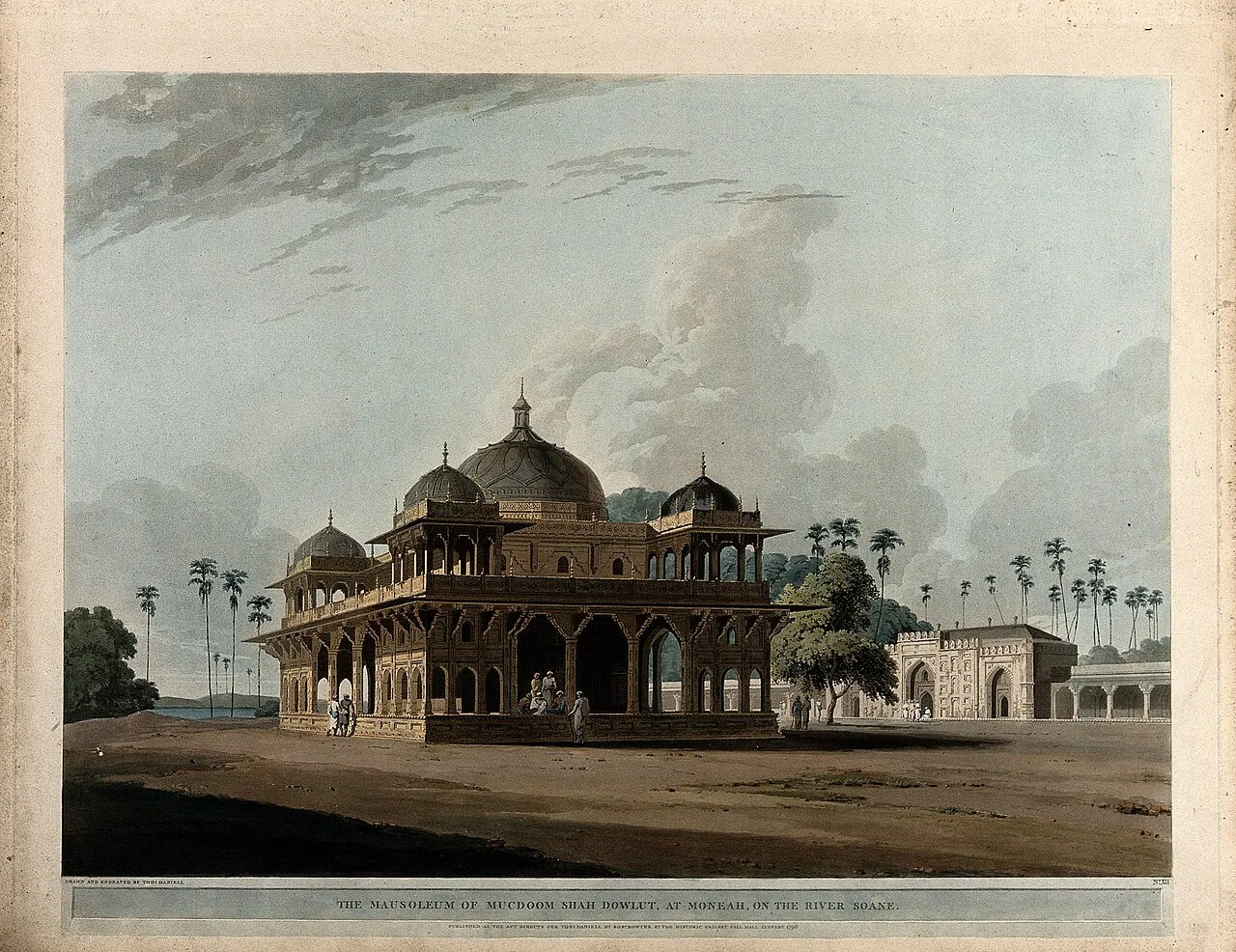
Maner

179 km away · Patna district

Maner

Maner, also called Maner Sharif, is a historic town and administrative block in Bihar’s Patna district. Visitors are drawn by its Mughal-era dargahs and its importance as a Sufi pilgrimage destination.

Sonpur

190 km away · Saran district

Sonpur

Sonpur, officially known as Sonepur, is a city in Bihar’s Saran district, beside the Gandaki and Ganges rivers. Visitors come for its cattle fair, which begins on Kartik Poornima and is Asia’s largest.

Map

Bagaha on the map

  1. 1Valmiki National Park
  2. 2Lauria Nandangarh
  3. 3Kesaria stupa
  4. 4Sitamarhi
  5. 5Vaishali
  6. 6Buxar Fort
  7. 7Maner
  8. 8Sonpur

Bihar

Other cities to explore