Ghumoopedia — Explore, Discover, Experience
Sign in
Kesaria stupa, near Areraj

City guide · Bihar

Areraj

Areraj is a town in western East Champaran, serving as a local centre for nearby villages and a destination for Hindu pilgrims. Its best-known landmark is the Someshwar Nath Mahadev Temple, dedicated to Shiva.

Famous for

  • Someshwar Nath Mahadev Temple
  • Shravani pilgrimage
  • Shiva worship
  • East Champaran market town

Why Areraj matters

Areraj is a town in western East Champaran, serving as a local centre for nearby villages and a destination for Hindu pilgrims. Its best-known landmark is the Someshwar Nath Mahadev Temple, dedicated to Shiva. Devotees visit throughout the year, with activity especially pronounced during the Hindu month of Shravan, when many make temple visits as part of seasonal worship. The temple gives Areraj a profile beyond its role as a small regional town.

For travellers, Areraj offers a quieter religious visit and a glimpse of everyday life in rural Bihar. Its shops and local services cater to residents and visitors, while road links connect it with Motihari and other towns in the district. The wider Champaran region is associated with the history of indigo cultivation and the 1917 Champaran movement, though Areraj’s main visitor draw is its temple rather than a cluster of major historical attractions. A visit can be combined with a broader journey through East Champaran.
Famous for: crafts, trade & products

Areraj is not widely identified with a particular textile, handicraft, GI-tagged product or large manufacturing industry. Its local economy is centred on services and trade for the town and surrounding countryside, rather than on a nationally recognised specialist product. Visitors looking for distinctive regional goods should treat the town as a place to explore everyday Bihar market life, not as a dedicated craft or textile destination.

The central bazaar and shops around the Someshwar Nath temple are practical places to browse for daily-use items, snacks and articles used in worship. Small vendors commonly serve pilgrims with offerings and other puja necessities, particularly during busy religious periods. Local shops may also carry seasonal farm produce and familiar household goods, though selection varies. For a wider choice of branded products, specialist shopping or organised handicraft outlets, Motihari is a larger nearby centre. Areraj’s most recognisable local “trade” is therefore linked to the temple and the needs of residents and pilgrims, rather than to a signature export or formal market known across India.

History

Areraj’s local identity is closely tied to Someshwar Nath Mahadev Temple, which has long drawn worshippers from the surrounding region. The temple’s traditional religious importance is clear, but detailed, well-established accounts of the town’s early growth and the age of its present structures are limited; claims about a precise founding date should therefore be treated cautiously. The settlement developed as a service and market centre for nearby rural communities, as well as a place of pilgrimage.

During British rule, the wider Champaran region became associated with indigo cultivation and the hardships faced by cultivators. The 1917 Champaran movement led by Mahatma Gandhi is an important part of the region’s modern history, with Motihari among the principal places connected to that story. This regional history should not be mistaken for a specific event based in Areraj. In more recent times, Areraj has continued as a town and notified area in East Champaran, with local administration, shops and services supporting surrounding settlements.

Food, festivals & culture

Religious life is especially visible at Someshwar Nath Mahadev Temple. Shravan, usually falling in July and August, brings increased Shiva worship and pilgrim activity; Mondays during the month are particularly important to many devotees. Chhath, celebrated after Diwali in autumn and again in spring, is among Bihar’s major festivals. Holi, Diwali, Durga Puja and other Hindu observances are also marked in the town and nearby villages, with customs varying between families and communities.

Hindi and Bhojpuri are widely used in everyday communication, alongside local speech. Bhojpuri devotional songs and folk singing are part of the region’s cultural life, especially around religious occasions and community gatherings. Everyday food reflects familiar Bihar cooking: rice and lentils, seasonal vegetables, sattu preparations and litti chokha are common regional choices. Thekua is associated with Chhath offerings, while sweets and snacks can be found at local shops. Menus and availability vary, so visitors should ask locally about seasonal or freshly prepared dishes.

Visiting the city

The cooler months, roughly October to March, are generally comfortable for visiting. Shravan is the liveliest period at Someshwar Nath Temple, but it can also be busier. Darbhanga Airport is an option for air travel; Patna’s Jay Prakash Narayan International Airport is another major gateway, with onward road travel required. Bapudham Motihari railway station is the main rail point for reaching Areraj, followed by a road journey.

Local travel is usually by auto-rickshaw, shared vehicle or hired car; confirm the onward connection before setting out. Explore the temple precinct and central bazaar for the town’s main sights and everyday activity. Areraj is compact, and a visit can be paired with time in Motihari or other East Champaran destinations. During major temple observances, allow for heavier local crowds and road activity.

Trips from the city

Nearest places to visit from Areraj

Our closest destination guides, by straight-line distance.

Kesaria stupa

30 km away · East Champaran district

Kesaria stupa

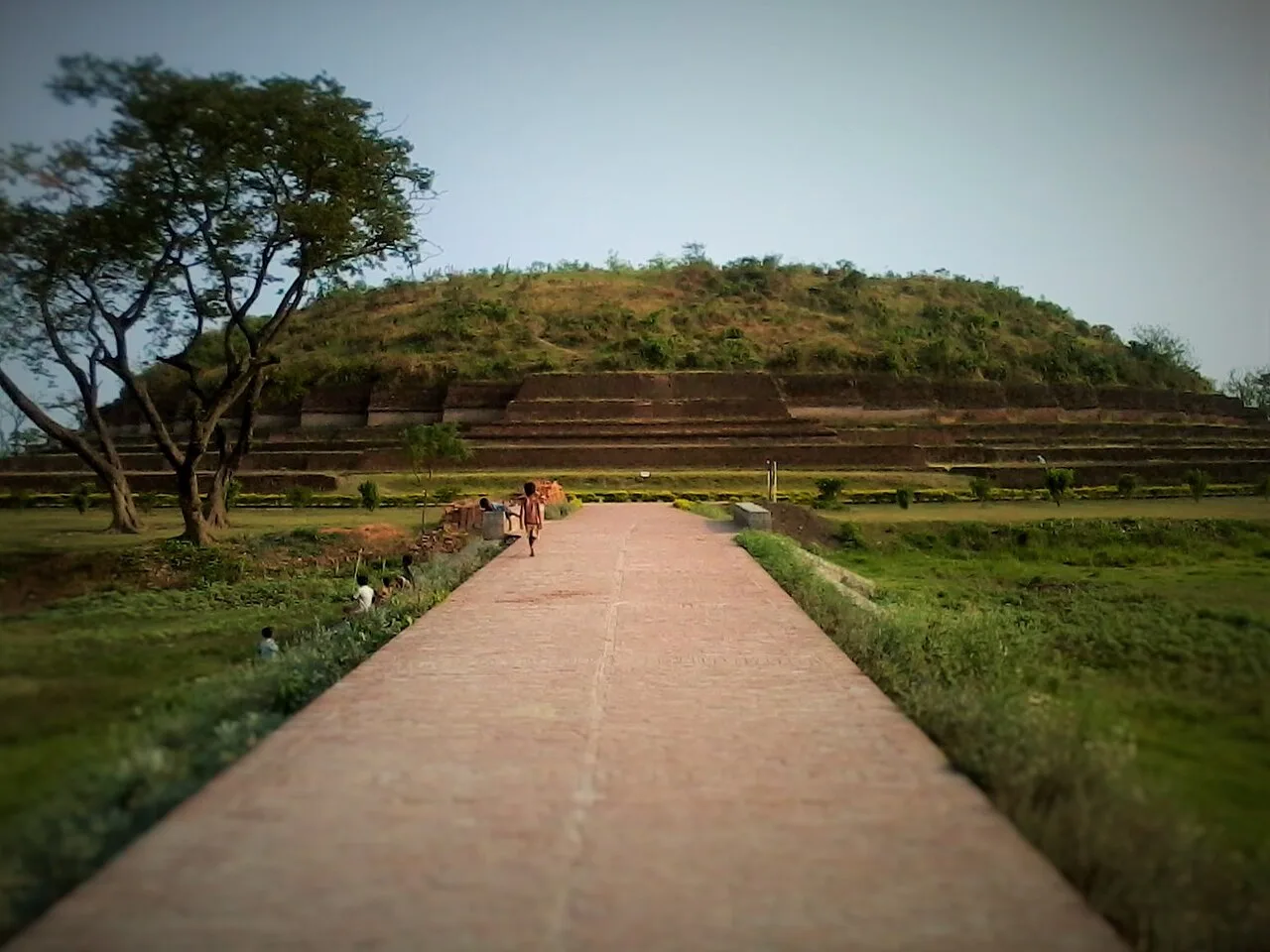
Kesariya Stupa is a Buddhist monument in Bihar’s East Champaran district, at Kesariya near Mehsi. Visitors come to see the structure, whose construction began in the third century BCE.

Lauria Nandangarh

57 km away · East Champaran district

Lauria Nandangarh

Lauria Nandangarh is a historic settlement in Bihar’s West Champaran district, known for an Ashokan pillar and a nearby mound, with Mauryan-period remains found in the area.

Vaishali

73 km away · Vaishali district

Vaishali

Vaishali is an archaeological site in Bihar associated with an ancient republic and important events in Buddhist and Jain history. Visitors come to see its stupas and Ashokan pillar and to explore these religious connections.

Sitamarhi

82 km away · Sitamarhi district

Sitamarhi

Sitamarhi is a city in Bihar’s Tirhut Division and the administrative centre of its district. Visitors are drawn by the Hindu tradition linking it to Sītā’s birth.

Valmiki National Park

101 km away · West Champaran district

Valmiki National Park

Valmiki National Park, in West Champaran district, Bihar, is the state’s only national park and a tiger reserve. Visitors come to experience its protected setting.

Maner

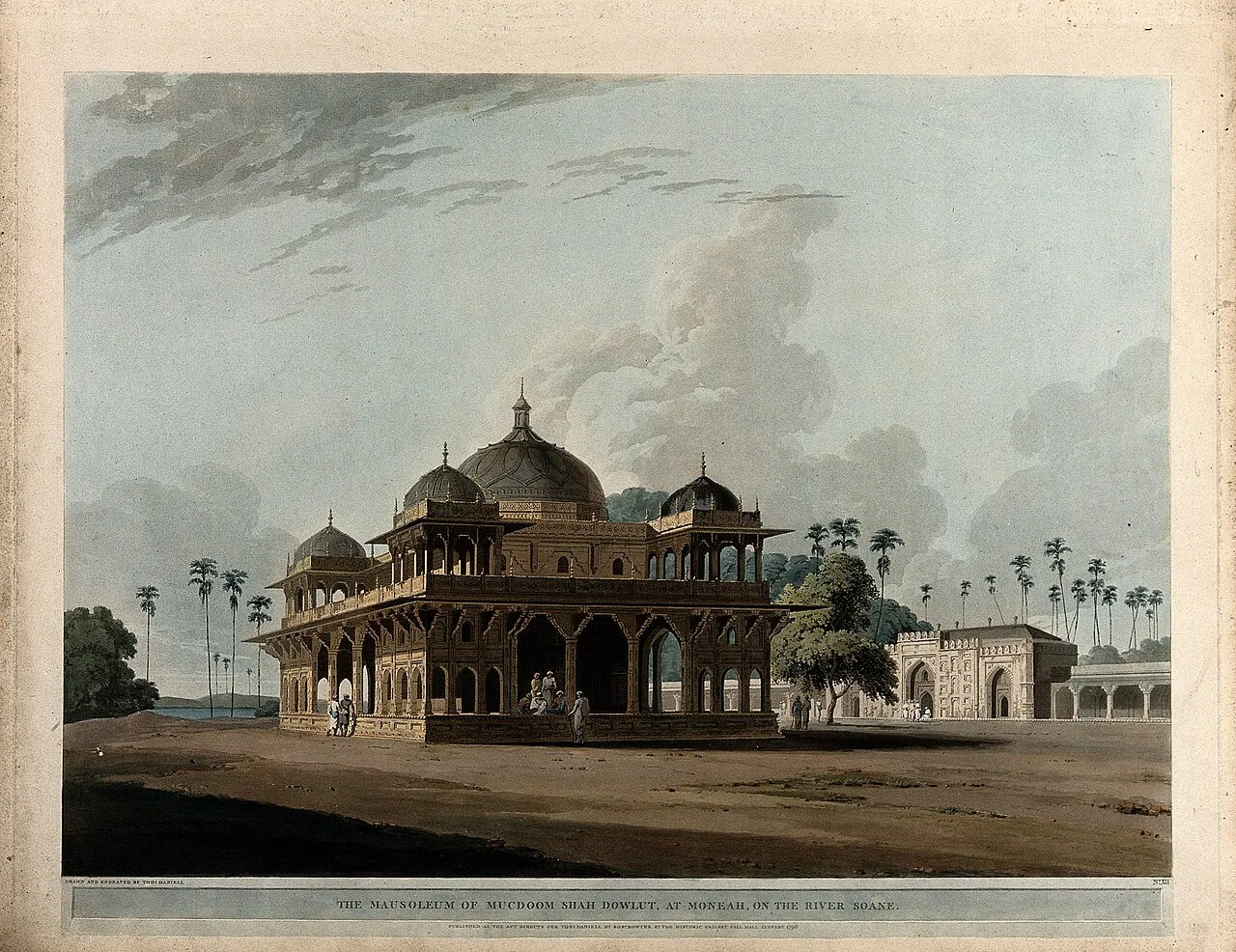
102 km away · Patna district

Maner

Maner, also called Maner Sharif, is a historic town and administrative block in Bihar’s Patna district. Visitors are drawn by its Mughal-era dargahs and its importance as a Sufi pilgrimage destination.

Sonpur

107 km away · Saran district

Sonpur

Sonpur, officially known as Sonepur, is a city in Bihar’s Saran district, beside the Gandaki and Ganges rivers. Visitors come for its cattle fair, which begins on Kartik Poornima and is Asia’s largest.

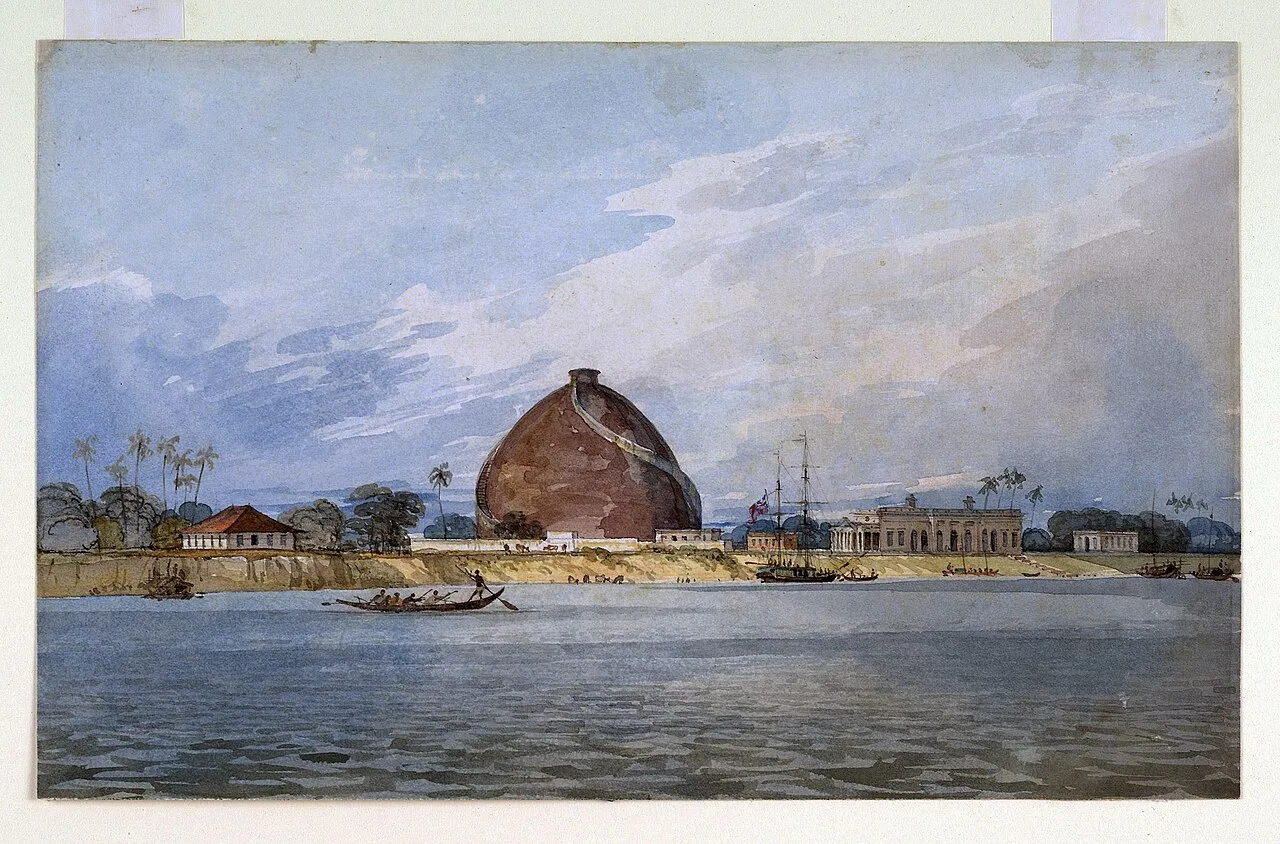
Golghar

113 km away · Patna district

Golghar

Golghar, also called Gol Ghar, is a substantial grain store in Patna, Bihar. Visitors come to see the granary west of Gandhi Maidan.

Map

Areraj on the map

  1. 1Kesaria stupa
  2. 2Lauria Nandangarh
  3. 3Vaishali
  4. 4Sitamarhi
  5. 5Valmiki National Park
  6. 6Maner
  7. 7Sonpur
  8. 8Golghar

Bihar

Other cities to explore