Ghumoopedia — Explore, Discover, Experience
Sign in
Munger Fort, near Ballia

City guide · Bihar

Ballia

Ballia in Begusarai district is a small town in north Bihar, distinct from the much larger city of Ballia in Uttar Pradesh. Its importance is mainly regional: it serves nearby villages with everyday shops, services and agricultural trade, and connects local communities to Begusarai and other towns in the district.

Famous for

  • Regional agricultural markets
  • Former Ballia assembly seat
  • Chhath Puja observances
  • Local rail and road links

Why Ballia matters

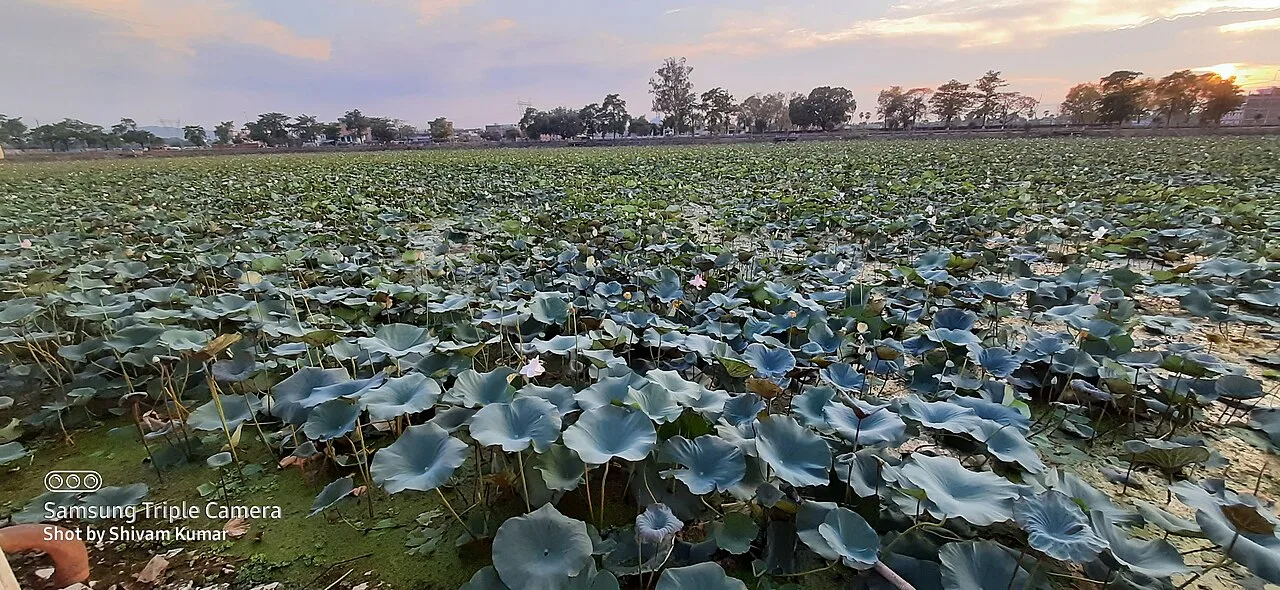
Ballia in Begusarai district is a small town in north Bihar, distinct from the much larger city of Ballia in Uttar Pradesh. Its importance is mainly regional: it serves nearby villages with everyday shops, services and agricultural trade, and connects local communities to Begusarai and other towns in the district. The surrounding landscape is part of the fertile Gangetic plain, where farming shapes much of daily life and commerce.

Visitors are more likely to come for family visits, local business or travel through the area than for a major monument or resort. The town’s appeal lies in seeing a working Bihar market town and its surrounding countryside, rather than in a developed tourist circuit. Its name also has a place in Bihar’s electoral history: the former Ballia Assembly constituency was reorganised in 2010, with the area becoming part of the new Sahebpur Kamal constituency. Nearby Begusarai offers a wider range of services and transport connections.
Famous for: crafts, trade & products

Ballia is best understood as a local trading centre rather than a destination for a signature textile, craft or nationally recognised product. Shops and market streets serve residents from the town and nearby villages, with everyday goods and farm produce forming the practical focus of commerce. The agricultural character of the surrounding region is reflected in the trade in grains and other seasonal produce, though availability varies through the year.

There is no widely recognised Ballia-specific saree, handicraft or GI-tagged product to seek out. Visitors looking for local goods can browse the town’s bazaar for household items, snacks and produce, and ask locally about seasonal markets. For a broader selection of shops and services, Begusarai town is a useful nearby centre. Rather than treating Ballia as a specialist craft-shopping stop, think of it as a place to observe ordinary small-town trade and pick up locally made or everyday items when encountered.

History

Ballia’s documented profile is chiefly local and administrative rather than that of a major historic capital. The town lies within the old, settled agricultural landscape of the Gangetic plains, where village networks, cultivation and regional markets shaped growth over generations. During British rule, the wider area was administered within the Munger district; Begusarai became a separate district in 1972. Rail and road links later strengthened the town’s connection with nearby settlements and district centres.

A notable chapter in Ballia’s modern history is electoral. The Ballia Assembly constituency included Ballia and Sahebpur Kamal blocks and formed part of the Balia Lok Sabha constituency. It ceased to exist after the 2010 delimitation, and its territory became part of the new Sahebpur Kamal Assembly constituency. This change reflects the redrawing of political boundaries rather than the disappearance of Ballia as a town. Today, its role remains that of a local service and market centre within Begusarai district.

Food, festivals & culture

Daily life reflects the food and customs of north Bihar. Home cooking commonly draws on rice or wheat, lentils, seasonal vegetables and sattu; litti with chokha is familiar across the region. Tea stalls and small eateries are convenient places to try simple local meals and snacks, though menus vary. There is no single sweet that defines Ballia, so visitors will find familiar Bihar-style sweets through local shops rather than a distinct town speciality.

Chhath is among the most important festivals in the area, observed in autumn after Diwali and again in spring, with prayers and offerings made at water sites where arrangements permit. Durga Puja, Diwali and Holi are also widely marked. Hindi is commonly used, alongside local speech varieties including Angika and Maithili influences. Neighbourhood temples and mosques serve as everyday places of worship; devotional singing and seasonal community performances are more characteristic than a formal tourist arts scene.

Visiting the city

The cooler, drier months from about October to March are generally the most comfortable for a visit; summers can be very hot and the monsoon brings heavy rain. Darbhanga Airport is a nearby air option, while Patna Airport may offer more flight choices. Ballia railway station serves the town; Begusarai and Barauni are larger rail hubs in the wider area.

Auto-rickshaws and local road transport are useful for short trips, while taxis or hired vehicles help with journeys between towns. Explore the bazaar and station surroundings for everyday town life, then ask locally about accessible temples or countryside routes. Ballia is not a major sightseeing base, so allow time for onward travel if visiting larger attractions in Begusarai district.

Trips from the city

Nearest places to visit from Ballia

Our closest destination guides, by straight-line distance.

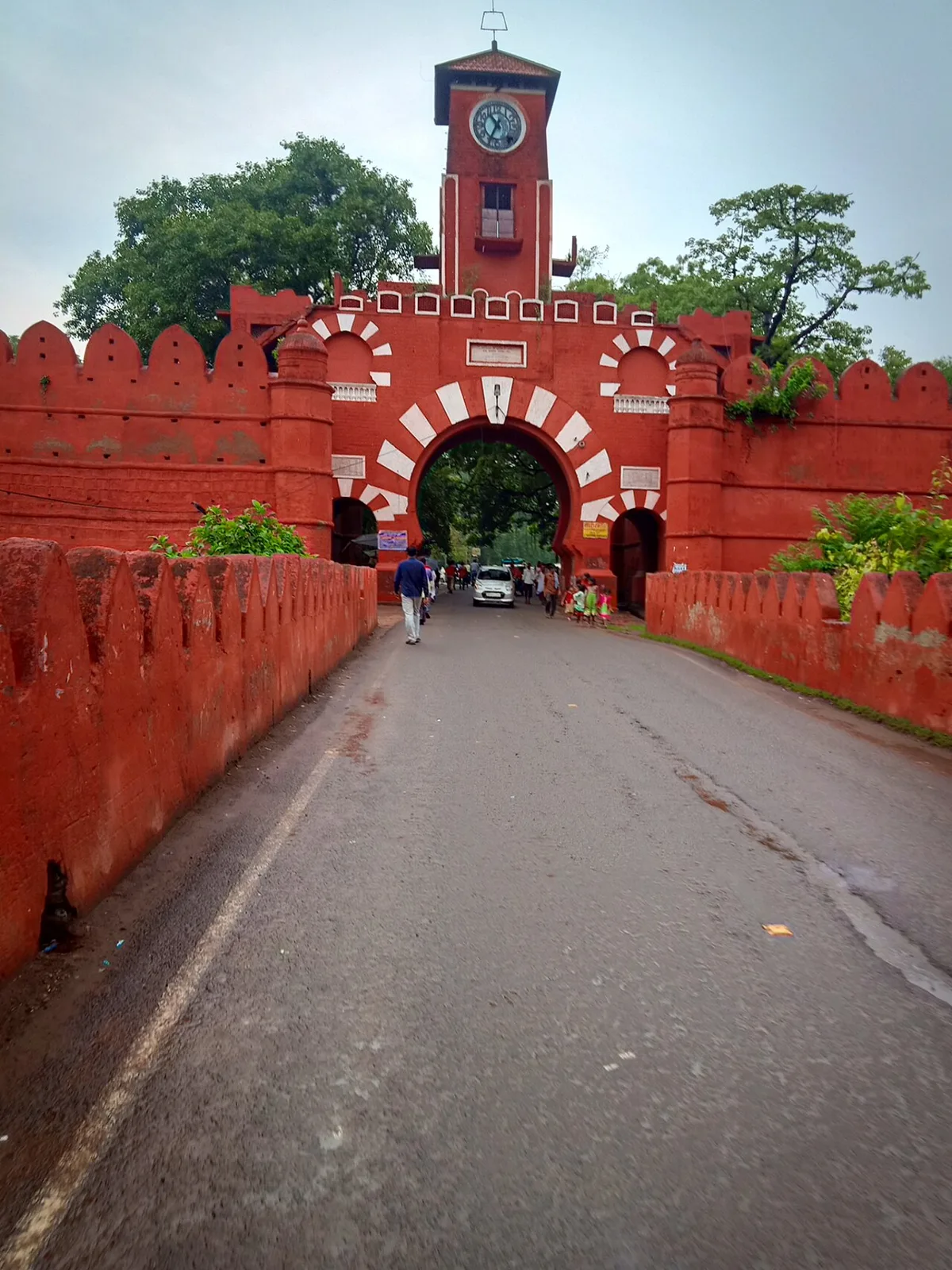
Munger Fort

16 km away · Munger district

Munger Fort

Munger Fort is a historic stronghold in Bihar, set on a rocky rise beside the Ganges. Visitors come to see its tombs, palace, temple, riverside ghat and British-era cemetery.

Bhimbandh Wildlife Sanctuary

22 km away · Munger district

Bhimbandh Wildlife Sanctuary

In Bihar’s Munger district, Bhimbandh Wildlife Sanctuary is a sanctuary devoted to wildlife. Visitors come to spend time in this wildlife-focused place in the district’s south-west.

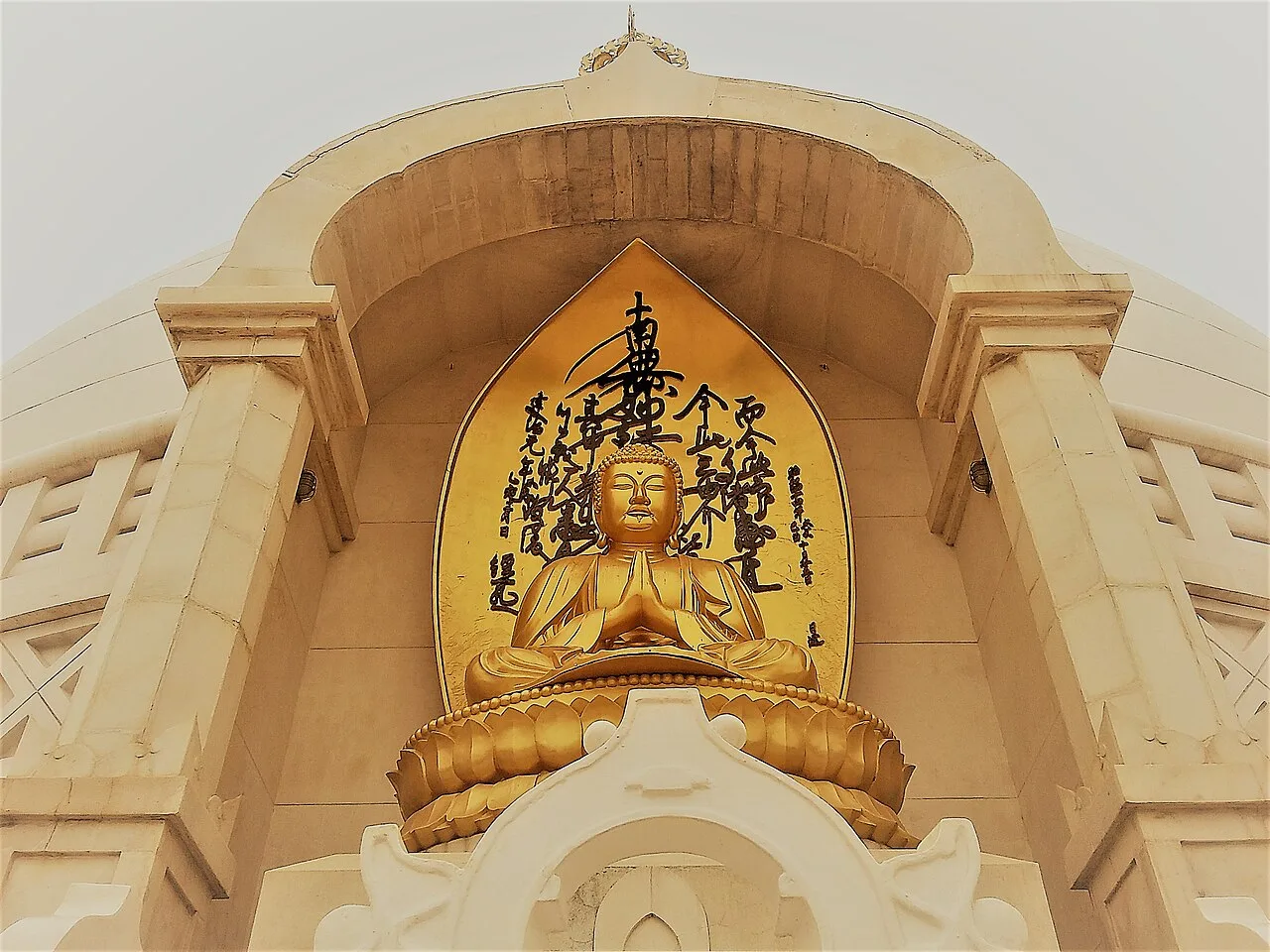
Vishwa Shanti Stupa

73 km away · Gaya district

Vishwa Shanti Stupa

Vishwa Shanti Stupa is a white Buddhist pagoda in Rajgir, visited for its Buddha statues, nearby Japanese temple and park, and prayers for peace.

Pawapuri

86 km away · Gaya district

Pawapuri

Pawapuri, also called Pavapuri, is a Jain sacred site in Bihar’s Nalanda district. People travel there on pilgrimage because it is associated with Mahavira’s nirvana.

Darbhanga

93 km away · Darbhanga district

Darbhanga

Darbhanga is a major city and municipal corporation in Bihar, serving as the administrative centre of its district and division. Visitors encounter a longstanding centre of Mithila’s cultural, literary and musical traditions.

Nalanda mahavihara

93 km away · Nalanda district

Nalanda mahavihara

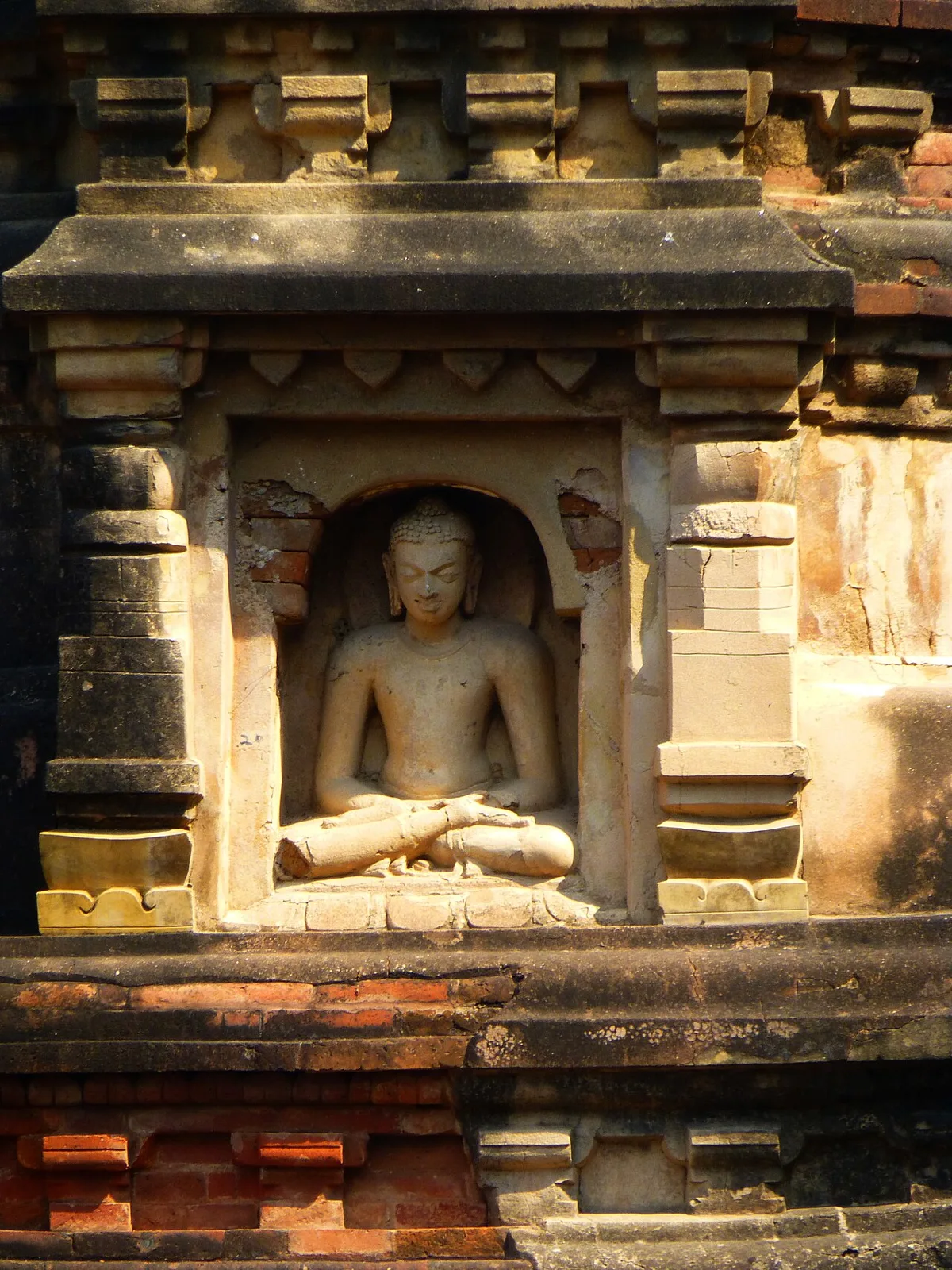
Nalanda is the site of a major Buddhist monastery in Bihar, visited for its history as a long-lived centre of learning and its role in Mahayana Buddhism.

Mandar Hill

97 km away · Bhagalpur district

Mandar Hill

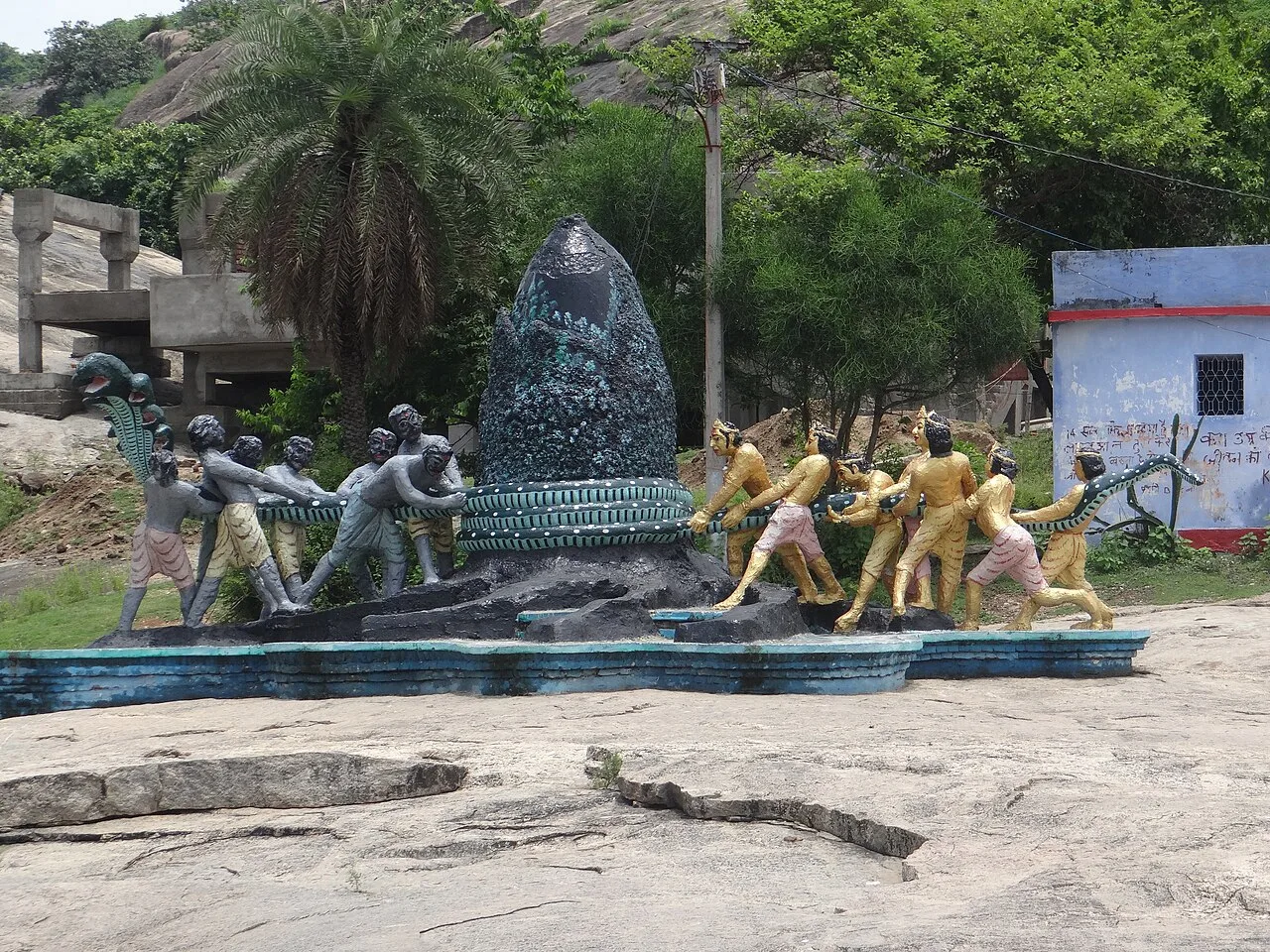
Mandar Hill, also called Mandar Parvat, is a roughly 700-foot hill at Bounsi in Bihar’s Banka district. Hindus and Jains visit it as a place of pilgrimage.

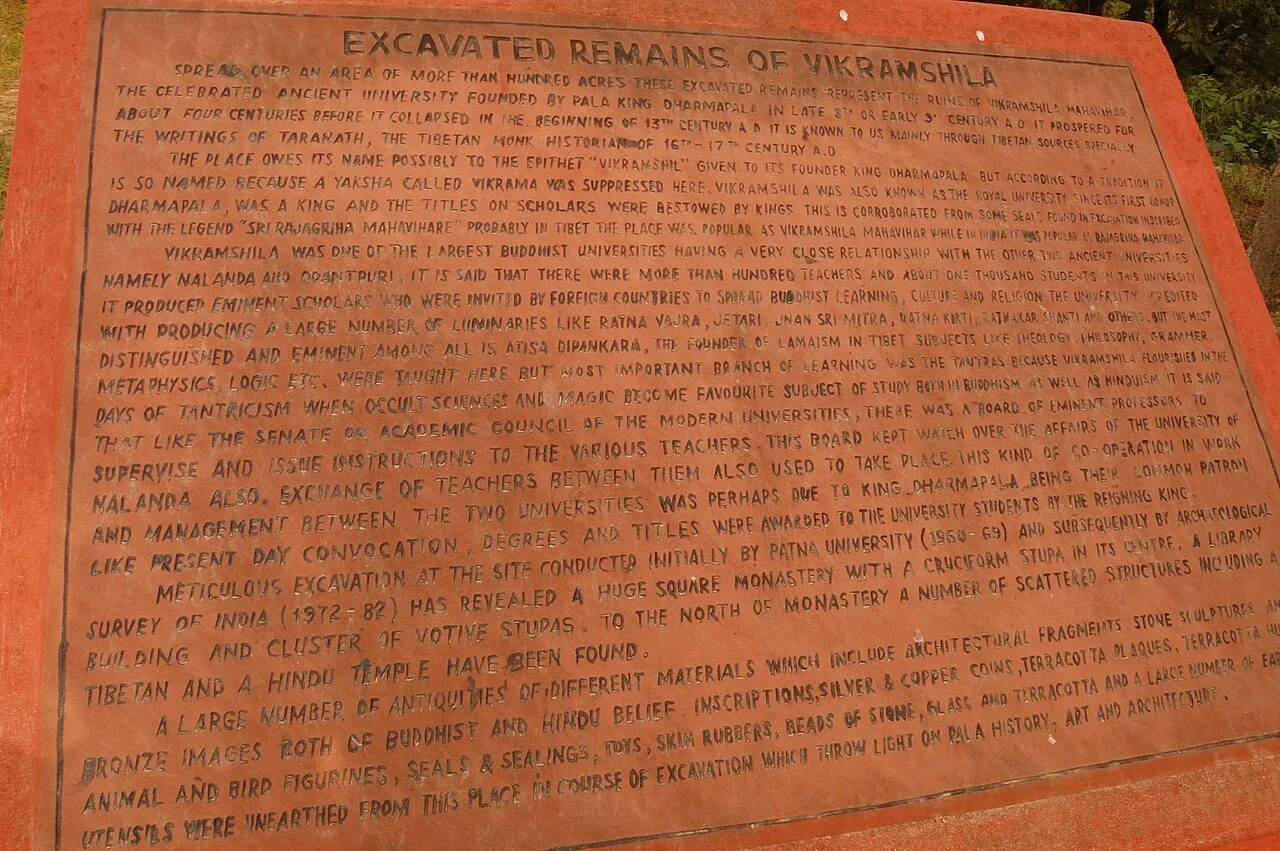
Vikramshila University Ruins

98 km away · Bhagalpur district

Vikramshila University Ruins

Vikramshila University Ruins mark a major Buddhist centre of learning in Bihar. Visitors come to explore the site and learn about its scholars and place in Buddhist education.

Map

Ballia on the map

  1. 1Munger Fort
  2. 2Bhimbandh Wildlife Sanctuary
  3. 3Vishwa Shanti Stupa
  4. 4Pawapuri
  5. 5Darbhanga
  6. 6Nalanda mahavihara
  7. 7Mandar Hill
  8. 8Vikramshila University Ruins

Bihar

Other cities to explore