
Ghumoopedia — Explore, Discover, Experience
Sign in
Mundeshwari Temple, near Bhabua

City guide · Bihar

Bhabua

Bhabua is the administrative centre of Kaimur district in south-western Bihar, serving residents and visitors travelling through the surrounding plateau and Kaimur Range. Its importance today is practical as well as cultural: district services, local commerce and transport connect the town with villages and smaller centres across the region.

Famous for

  • Mundeshwari Temple
  • Kaimur Range
  • Karkat Waterfall
  • Baidyanath Shiva Temple
In the city
1
District
Kaimur

Why Bhabua matters

Bhabua is the administrative centre of Kaimur district in south-western Bihar, serving residents and visitors travelling through the surrounding plateau and Kaimur Range. Its importance today is practical as well as cultural: district services, local commerce and transport connect the town with villages and smaller centres across the region. Bhabua is best known to visitors as a base for exploring the district’s religious and natural landmarks.

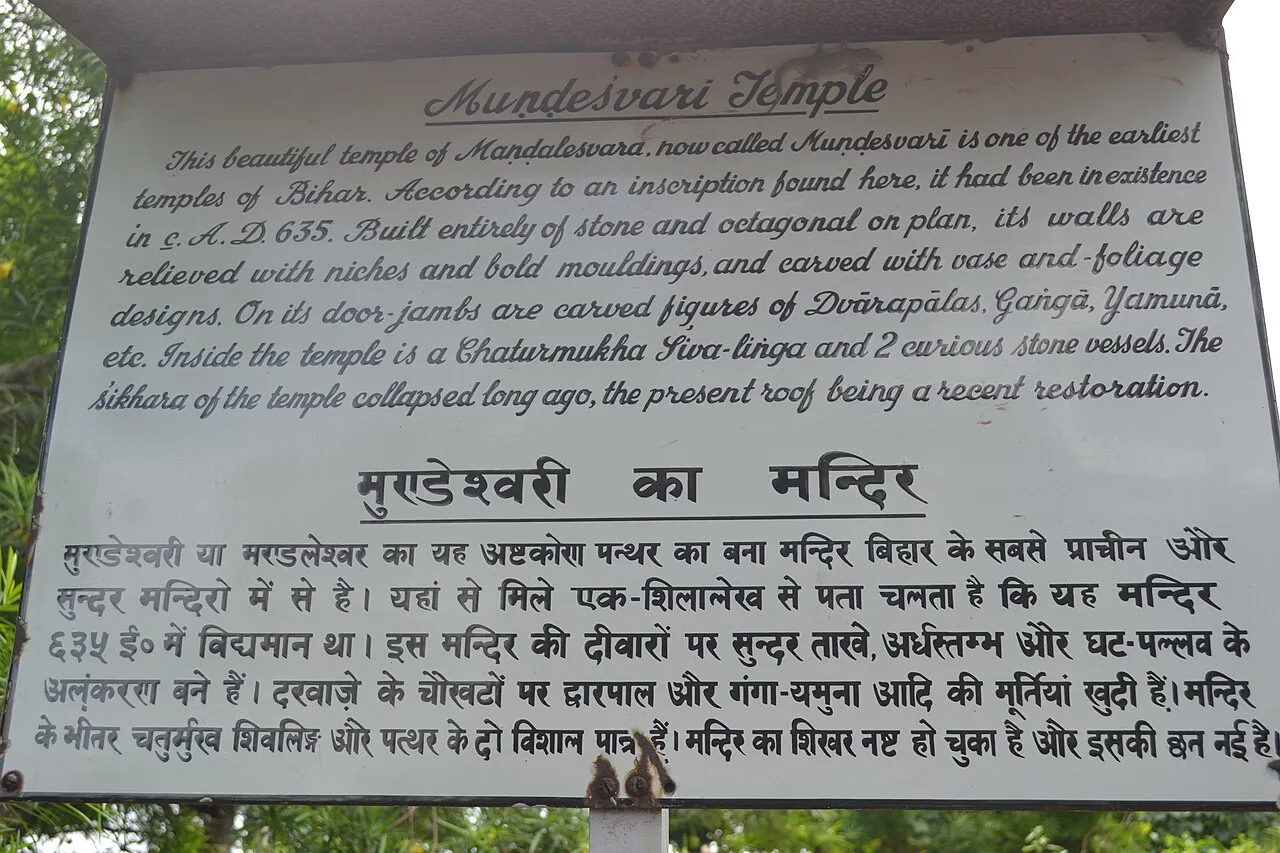
The standout pilgrimage site is Mundeshwari Temple, on the Kaimur plateau, a protected monument set among the hills. Other excursions include the Shiva temple at Baidyanath village, Harsu Brahm shrine near Chainpur, and the waterfalls at Karkatgarh and Telhar Kund. The landscape around the town offers a different experience from Bihar’s larger urban centres, with rocky uplands, river valleys and rural settlements. Bhabua is also within road reach of Varanasi, making it a possible stop or starting point for a wider journey through the region. Visitors should plan for travel beyond the town centre to reach many of its best-known attractions.

Famous for: crafts, trade & products

Bhabua is not widely identified with a signature textile, handicraft, GI-tagged product or large-scale manufacturing industry. Its local economy is centred on the needs of a district headquarters and the surrounding rural area. The town’s markets and shops are useful for everyday goods, household supplies and food, while nearby agricultural communities bring produce into local trade. Visitors looking for a particular regional craft or specialist product should ask locally about current availability rather than assume there is a dedicated craft quarter or established souvenir market.

For a sense of local commerce, explore the central market streets and shops around the town’s main civic and transport areas. These are places to find routine provisions and seasonal goods, not a documented destination market for a nationally recognised product. The district’s more distinctive draw is its heritage and landscape: Mundeshwari Temple, Baidyanath’s Shiva temple and the Kaimur-area waterfalls. Local guides and residents can help with practical arrangements for these sites. Bhabua is best approached as a service and travel hub for Kaimur rather than as a shopping centre for specialised crafts or branded regional products.

History

Bhabua’s historical importance is closely tied to its position in the Kaimur region and its present role as the district headquarters. Kaimur district was formed in 1991 from the former Rohtas district, giving Bhabua a clearer administrative role in modern Bihar. The town’s growth as a centre for public services and local trade reflects that regional function, though a detailed, well-established account of Bhabua’s own development through earlier ruling periods and the colonial era is not readily available.

Nearby monuments provide firmer evidence of the area’s past. Mundeshwari Temple, on the Kaimur plateau, has been protected by the Archaeological Survey of India since 1915. At Baidyanath village, a Shiva temple is associated with the Pratihar rulers; archaeological accounts describe its renovation in 812–13 CE, and historical objects have been found in the area. These sites place the wider region within a long history of religious patronage and settlement. In modern times, district administration, road connections and rail access via Bhabua Road have strengthened Bhabua’s role as a gateway to Kaimur.

Food, festivals & culture

Bhabua’s everyday culture reflects its place in south-western Bihar and its links with neighbouring Bhojpuri-speaking areas. Hindi is widely used, and Bhojpuri is common in local conversation; other regional speech varieties may also be heard. Home cooking and small eateries draw on familiar Bihar staples such as rice, lentils, seasonal vegetables and wheat-based breads. Litti and chokha are popular across Bihar, though menus and local preparations vary. Visitors can look to the town’s ordinary sweet shops for familiar regional sweets rather than a single specialty identified exclusively with Bhabua.

Chhath, celebrated after the monsoon and again in the cool season, is a major festival in Bihar, with prayers and offerings made to the Sun. Holi, Diwali, Navratri and Shivaratri are also observed, particularly at local temples. Religious life is visible at Mundeshwari Temple and the Shiva shrine at Baidyanath, while Harsu Brahm near Chainpur is another regional place of worship. Bhojpuri folk singing and seasonal songs are part of the wider cultural tradition; performances are often associated with community gatherings and festivals rather than formal tourist venues.

Visiting the city

The cooler months, roughly from October to March, are generally the most comfortable for exploring Bhabua and the Kaimur region. Summers can be very hot, while monsoon rain may affect journeys to waterfalls and hill sites. The nearest major airport is Lal Bahadur Shastri International Airport in Varanasi. The main rail access is Bhabua Road railway station, about 14 km north of town; local road transport connects it with Bhabua. Shared vehicles, autos and hired cars are practical for getting around, especially for attractions outside town.

Explore the town centre and its markets for everyday services, then allow time for trips to Mundeshwari Temple, Chainpur, Baidyanath village or the Kaimur waterfalls. These are spread across the district, so check road conditions and arrange transport locally. Bhabua also has road connections towards Varanasi and Patna.

Attractions

Places to visit in Bhabua

Sights within about 12 km of each other, even when they fall in different districts.

Map

Bhabua on the map

  1. 1Mundeshwari Temple

Bihar

Other cities to explore