Ghumoopedia — Explore, Discover, Experience
Sign in
Munger Fort, near Bakhri

City guide · Bihar

Bakhri

Bakhri is a town in Begusarai district, in north Bihar. Its importance today is chiefly regional: it serves residents of nearby settlements and is the centre of a legislative constituency whose boundaries span several neighbouring blocks and village councils.

Famous for

  • Bakhri Assembly constituency
  • SC-reserved legislative seat
  • Begusarai district setting
  • Regional market-town life

Why Bakhri matters

Bakhri is a town in Begusarai district, in north Bihar. Its importance today is chiefly regional: it serves residents of nearby settlements and is the centre of a legislative constituency whose boundaries span several neighbouring blocks and village councils. The constituency includes Bakhri, Dandari and Garhpura blocks, along with seven gram panchayats in Nawkothi block. It is reserved for Scheduled Castes and forms part of the Begusarai parliamentary constituency.

Visitors are more likely to come for local business, family visits or administrative work than for a major sightseeing circuit. Bakhri’s everyday appeal lies in its busy town life and its position amid the settled, cultivated landscapes of the district. The bazaar and surrounding villages offer a glimpse of ordinary north Bihar life, while the town provides a practical base for exploring nearby rural areas. Bakhri is not widely identified with a nationally known monument or a single signature attraction, so it is best approached as a local centre rather than a conventional tourist destination.
Famous for: crafts, trade & products

Bakhri is best understood as a regional service and trading town, rather than as a specialist centre for textiles, handicrafts or a nationally recognised industry. There is no widely documented Bakhri-specific GI-tagged product or craft tradition to seek out. The town’s bazaar is the most useful place to browse: its everyday shops and stalls serve local households with groceries, clothing, household goods and seasonal produce. The range and availability of goods can vary with the day and season.

Food and agricultural commodities from the surrounding countryside are part of the local economy, but particular products should not be treated as exclusive to Bakhri. Visitors looking for distinctive souvenirs may find more variety in larger district or regional centres. For an authentic sense of the town, explore the market at a relaxed pace, observe the mix of small businesses and daily errands, and ask locally about seasonal produce. Bakhri’s main significance is its role in connecting nearby communities to routine services and trade, not a specialised shopping district or a formal craft marketplace.

History

Bakhri’s documented public profile is primarily administrative and regional; it is not generally known as the seat of a major princely court, colonial cantonment or monumental historic complex. Its growth is best understood in the context of north Bihar’s settled rural landscape, where market towns developed to serve surrounding villages and connect them with local services and trade. Specific claims about local rulers or landmark events should be treated cautiously unless supported by local historical records.

In modern administrative life, Bakhri became especially visible as the name of an Assembly constituency. Following the 2008 delimitation, the constituency was defined to include Bakhri, Dandari and Garhpura blocks, together with seven gram panchayats from Nawkothi block. The seat is reserved for Scheduled Castes and is part of the Begusarai parliamentary constituency. This political role, alongside its function as a town serving nearby settlements, forms the clearest documented outline of Bakhri’s contemporary development.

Food, festivals & culture

Everyday culture in Bakhri reflects the wider traditions of north Bihar. Hindi is widely used, alongside local speech varieties; Maithili and Angika are heard across the broader region, while Urdu is also used by some residents. Home cooking commonly draws on wheat, rice, lentils and seasonal vegetables. Litti-chokha and sattu preparations are familiar Bihar foods, though they are not unique to Bakhri. Sweets and savoury snacks are readily associated with festive gatherings and visits to the bazaar.

Chhath, observed mainly in autumn and again in spring, is an important festival across Bihar, with worship and offerings connected to the sun and water. Holi and Diwali bring seasonal celebrations, while Eid is observed by Muslim communities. Music is often heard at weddings, religious occasions and community events; devotional songs and popular regional music are more characteristic than a formal classical performance scene. Neighbourhood temples and mosques serve local worshippers, but Bakhri is not particularly known as a major pilgrimage centre. Festival dates follow the lunar calendar and vary each year.

Visiting the city

The cooler months, broadly from October to March, are generally the most comfortable time to visit. Summers can be hot, and monsoon weather may bring heavy rain and travel disruption. Darbhanga Airport is a nearby air gateway; check current routes and onward transport before travelling. Bakhri Bazar is the local railway station to look for, while Khagaria Junction offers broader rail connections. Confirm current services before setting out.

Within town, auto-rickshaws and shared local vehicles are practical for short journeys; road transport connects Bakhri with nearby settlements. The market area is the natural starting point for a walk and for arranging everyday needs. Visitors with extra time can explore the surrounding countryside and villages, ideally with local guidance. Bakhri is a working town rather than a destination with a concentrated set of visitor attractions, so allow flexibility for local transport and conditions.

Trips from the city

Nearest places to visit from Bakhri

Our closest destination guides, by straight-line distance.

Munger Fort

32 km away · Munger district

Munger Fort

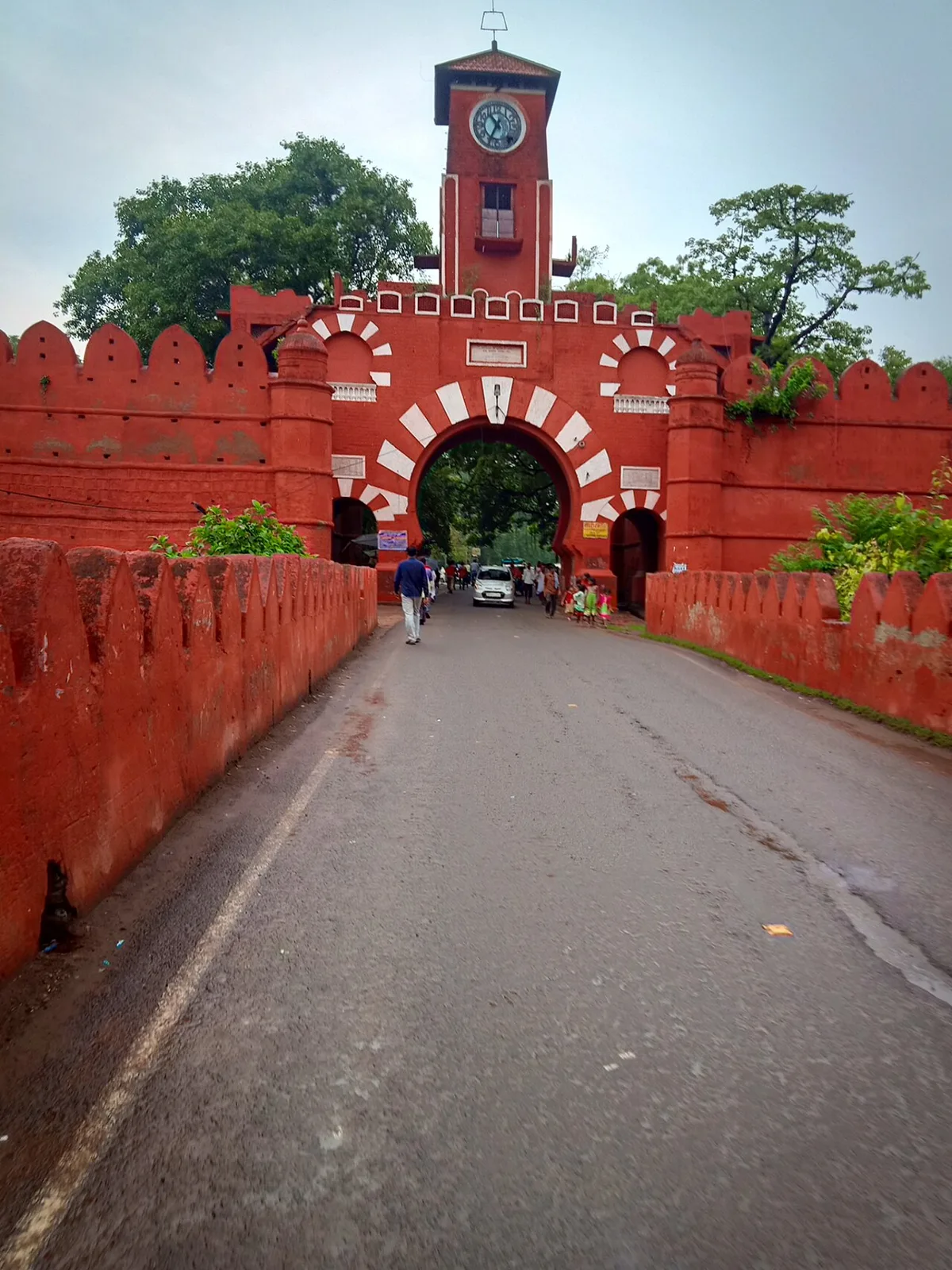
Munger Fort is a historic stronghold in Bihar, set on a rocky rise beside the Ganges. Visitors come to see its tombs, palace, temple, riverside ghat and British-era cemetery.

Bhimbandh Wildlife Sanctuary

41 km away · Munger district

Bhimbandh Wildlife Sanctuary

In Bihar’s Munger district, Bhimbandh Wildlife Sanctuary is a sanctuary devoted to wildlife. Visitors come to spend time in this wildlife-focused place in the district’s south-west.

Darbhanga

73 km away · Darbhanga district

Darbhanga

Darbhanga is a major city and municipal corporation in Bihar, serving as the administrative centre of its district and division. Visitors encounter a longstanding centre of Mithila’s cultural, literary and musical traditions.

Vishwa Shanti Stupa

83 km away · Gaya district

Vishwa Shanti Stupa

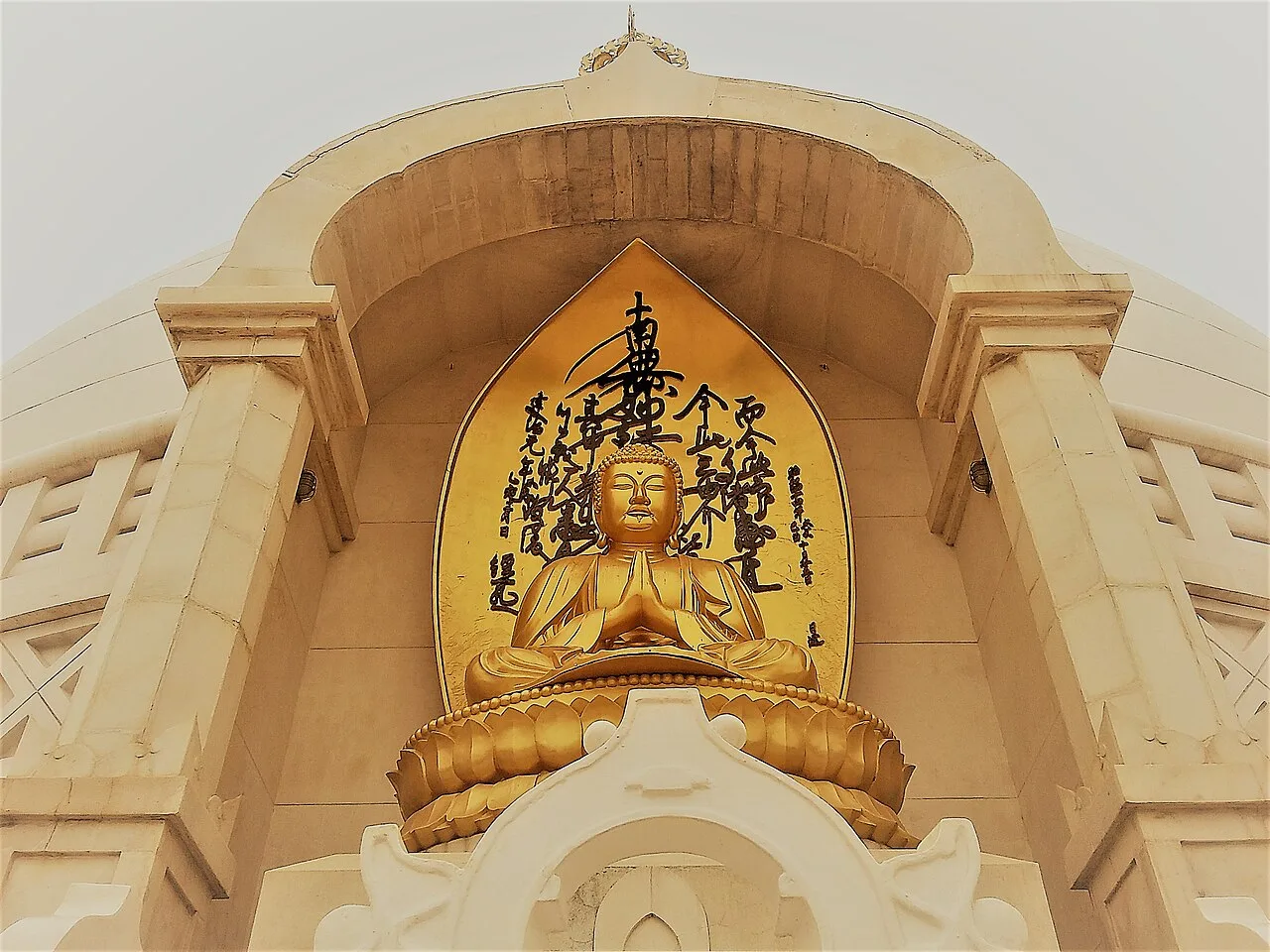
Vishwa Shanti Stupa is a white Buddhist pagoda in Rajgir, visited for its Buddha statues, nearby Japanese temple and park, and prayers for peace.

Madhubani

86 km away · Madhubani district

Madhubani

Madhubani is a city in Bihar’s Mithila region and the headquarters of its district. Visitors may be drawn by its regional identity and administrative importance.

Pawapuri

92 km away · Gaya district

Pawapuri

Pawapuri, also called Pavapuri, is a Jain sacred site in Bihar’s Nalanda district. People travel there on pilgrimage because it is associated with Mahavira’s nirvana.

Nalanda mahavihara

97 km away · Nalanda district

Nalanda mahavihara

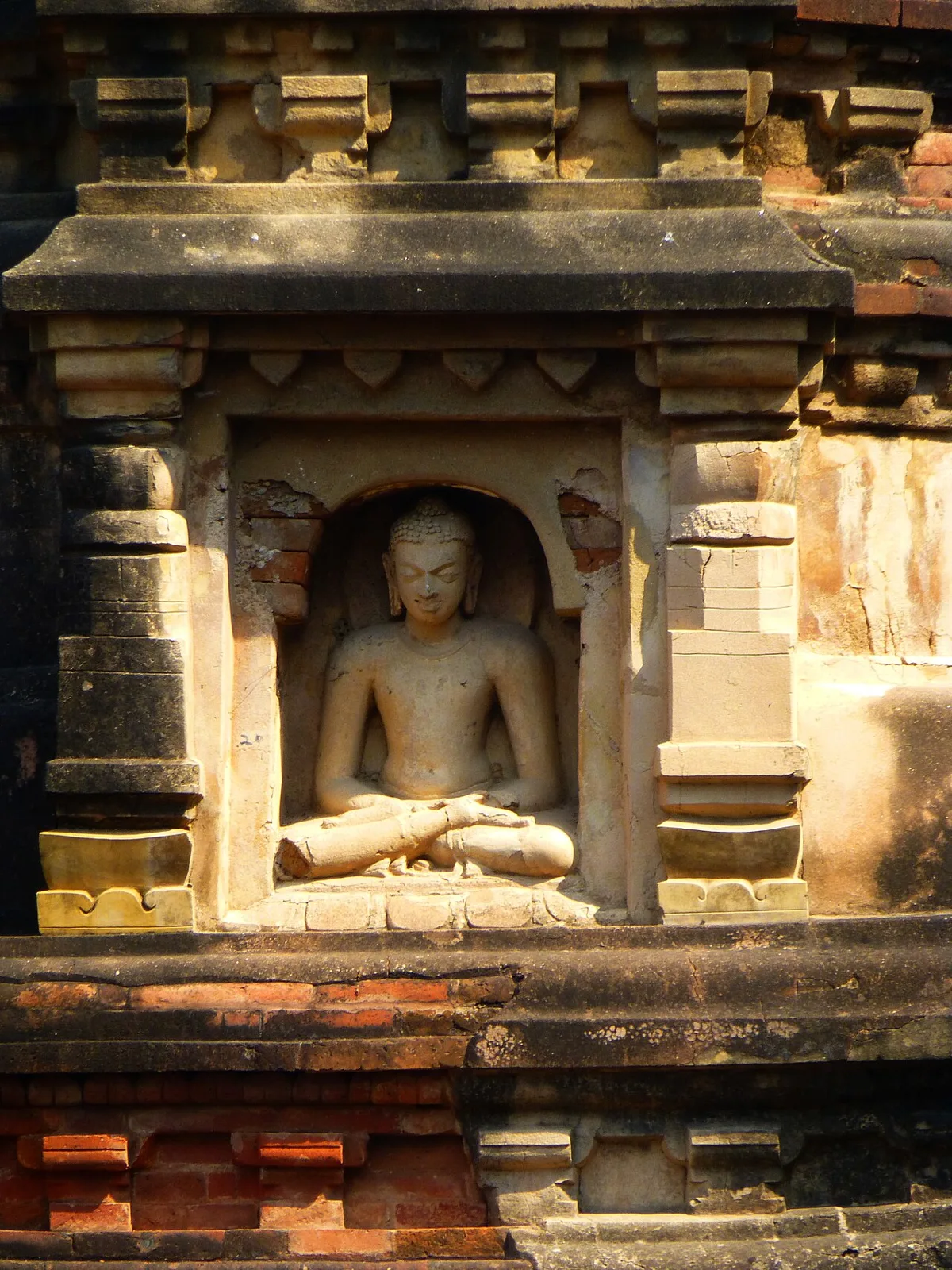
Nalanda is the site of a major Buddhist monastery in Bihar, visited for its history as a long-lived centre of learning and its role in Mahayana Buddhism.

Takht Sri Patna Sahib

103 km away · Patna district

Takht Sri Patna Sahib

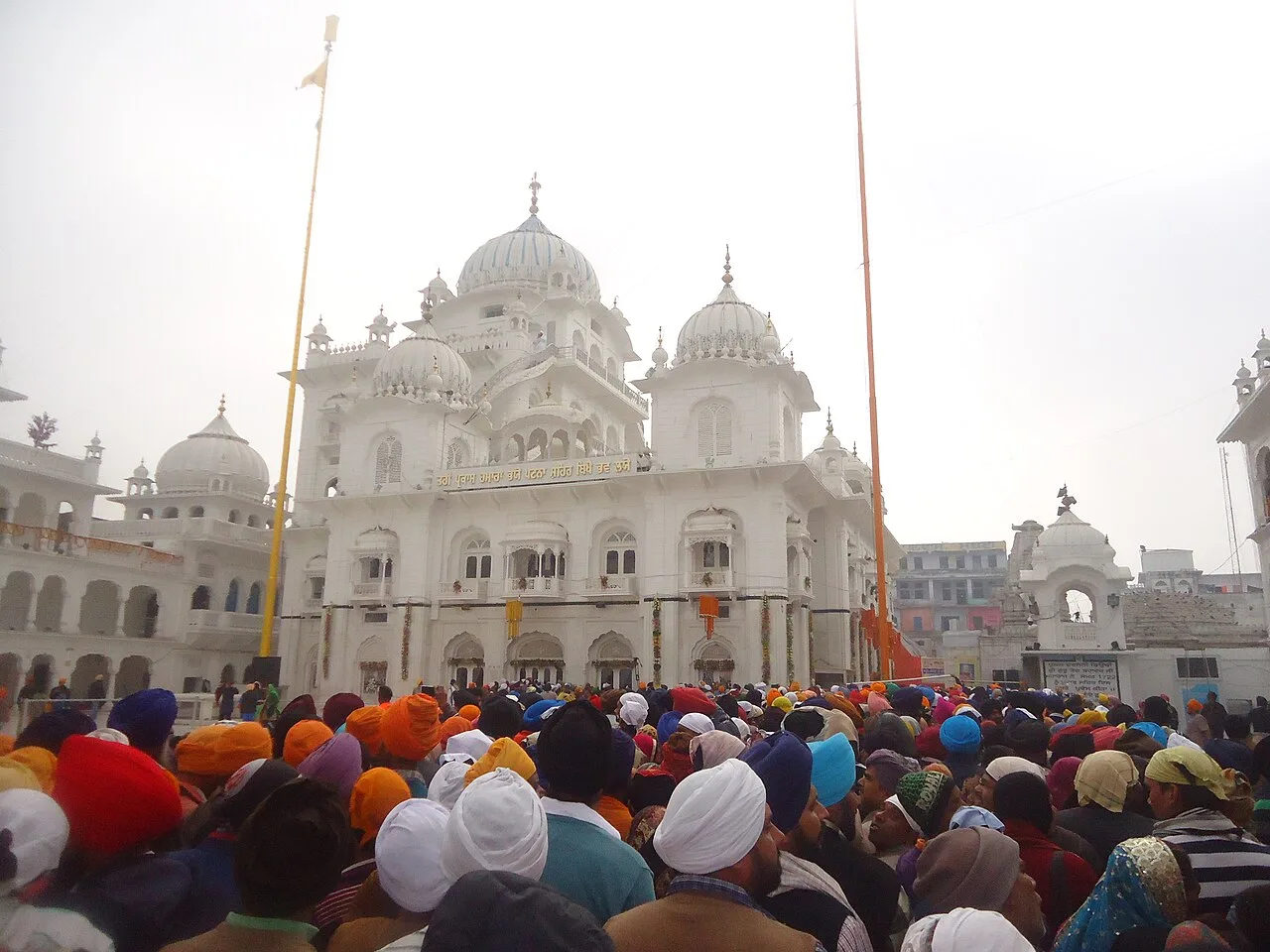
Takht Sri Patna Sahib, in Patna, Bihar, is among Sikhism’s five takhts. Visitors come to worship and pay their respects at this important Sikh religious site.

Map

Bakhri on the map

  1. 1Munger Fort
  2. 2Bhimbandh Wildlife Sanctuary
  3. 3Darbhanga
  4. 4Vishwa Shanti Stupa
  5. 5Madhubani
  6. 6Pawapuri
  7. 7Nalanda mahavihara
  8. 8Takht Sri Patna Sahib

Bihar

Other cities to explore