Ghumoopedia — Explore, Discover, Experience
Sign in
Maner, near Arrah

City guide · Bihar

Arrah

Arrah is the administrative headquarters of Bhojpur district and an important service and trading centre for the surrounding Bhojpuri-speaking region. Its location in the fertile plains near the Ganges and Sone has long linked the city to farming and river-borne commerce.

Famous for

  • Siege of Arrah
  • Bhojpuri culture
  • Aranya Devi Temple
  • Sand and brick trade

Why Arrah matters

Arrah is the administrative headquarters of Bhojpur district and an important service and trading centre for the surrounding Bhojpuri-speaking region. Its location in the fertile plains near the Ganges and Sone has long linked the city to farming and river-borne commerce. Today, district offices, educational institutions, shops and transport connections make it a practical base for exploring western Bihar.

Arrah is best known historically for the Siege of Arrah, a notable episode of the Indian Rebellion of 1857. The city also has deep connections to the layered history of the wider region, from local traditions associated with the Ramayana to archaeological and Jain references around nearby Masarh. Visitors come for its temples, its role in the story of 1857 and the everyday life of a busy Bihar district town. The surrounding countryside and nearby Jagdishpur offer further context on the region’s past, while Bhojpuri speech, music and food give the city a strong cultural identity.
Famous for: crafts, trade & products

Arrah is not widely identified with a particular textile, handicraft or GI-tagged product. Its most visible commercial activity reflects the agrarian plains around the city: trade in farm produce and in building materials, especially sand and bricks. These goods move through local wholesale and retail businesses serving Bhojpur district and nearby areas. General provisions, clothing, household goods and seasonal items are sold in the town’s central market streets and shops around major transport routes.

Rather than a specialist craft quarter, Arrah’s shopping scene is made up mainly of everyday markets. Visitors can look for regional snacks, sweets, पूजा items and practical travel supplies in the central bazaar area; availability varies by shop and season. Bhojpuri songs and recordings, often associated with the wider region, may also be found through local sellers. The district’s administrative offices and educational institutions are important parts of Arrah’s modern economy and public life, though they are not visitor shopping attractions. For distinctive local products, it is best to ask locally about current seasonal produce rather than expect a formally designated craft or speciality market.

History

The Arrah region has a long history, reflected in inscriptions and archaeological remains around Masarh and elsewhere in Bhojpur. It formed part of successive kingdoms and empires, including the Maurya and Gupta realms, and later came under the influence of the Delhi Sultanate and the Mughals. Local chiefs retained considerable influence through many of these periods. A tradition connects the name Shahabad with Mughal emperor Babur, who camped at Arrah in 1529.

Under British rule, Arrah became the administrative headquarters of Shahabad district. Its best-known historical episode came in 1857, when the Siege of Arrah made the town a significant setting in the rebellion against British rule. In the modern period, Arrah became the headquarters of Bhojpur district after the former Shahabad district was divided. Its growth has centred on administration, education, transport, agriculture and trade, including commerce in sand and bricks from the river plains.

Food, festivals & culture

Bhojpuri is the language most closely associated with Arrah and the surrounding region; Hindi is also widely used in public life. Local food reflects the wider cuisine of Bihar, with dishes such as litti-chokha, sattu preparations, seasonal vegetables and rice-based meals commonly enjoyed. Thekua and other homemade sweets are especially associated with festival visits and family gatherings, though menus differ from household to household.

Chhath, observed in autumn, is among the region’s most significant festivals, with worship and offerings connected to the setting and rising sun. Holi in spring and Diwali in autumn are also widely celebrated, alongside Eid and other religious occasions. Bhojpuri folk songs are part of everyday and festive life; regional forms include birha, kajri and chaita. Aranya Devi Temple is an important place of Hindu worship in the city. The wider area also has Jain historical associations, particularly around Masarh, and is home to places of worship serving different communities.

Visiting the city

The cooler months, roughly October to March, are generally the most comfortable time to visit; summer can be very hot, while monsoon weather may affect road travel. The nearest major airport is Jay Prakash Narayan International Airport in Patna. The city’s main rail gateway is Ara Junction, with connections to towns and larger centres in the region.

Auto-rickshaws and e-rickshaws are useful for getting around town, while local taxis or hired vehicles can help with visits beyond the centre. Explore the central bazaar and civic area, visit Aranya Devi Temple, and ask locally about sites connected with the Siege of Arrah. Masarh and Jagdishpur make worthwhile excursions for visitors interested in the area’s archaeological and 1857-era history. Allow extra time for road journeys during busy periods or wet weather.

Trips from the city

Nearest places to visit from Arrah

Our closest destination guides, by straight-line distance.

Maner

24 km away · Patna district

Maner

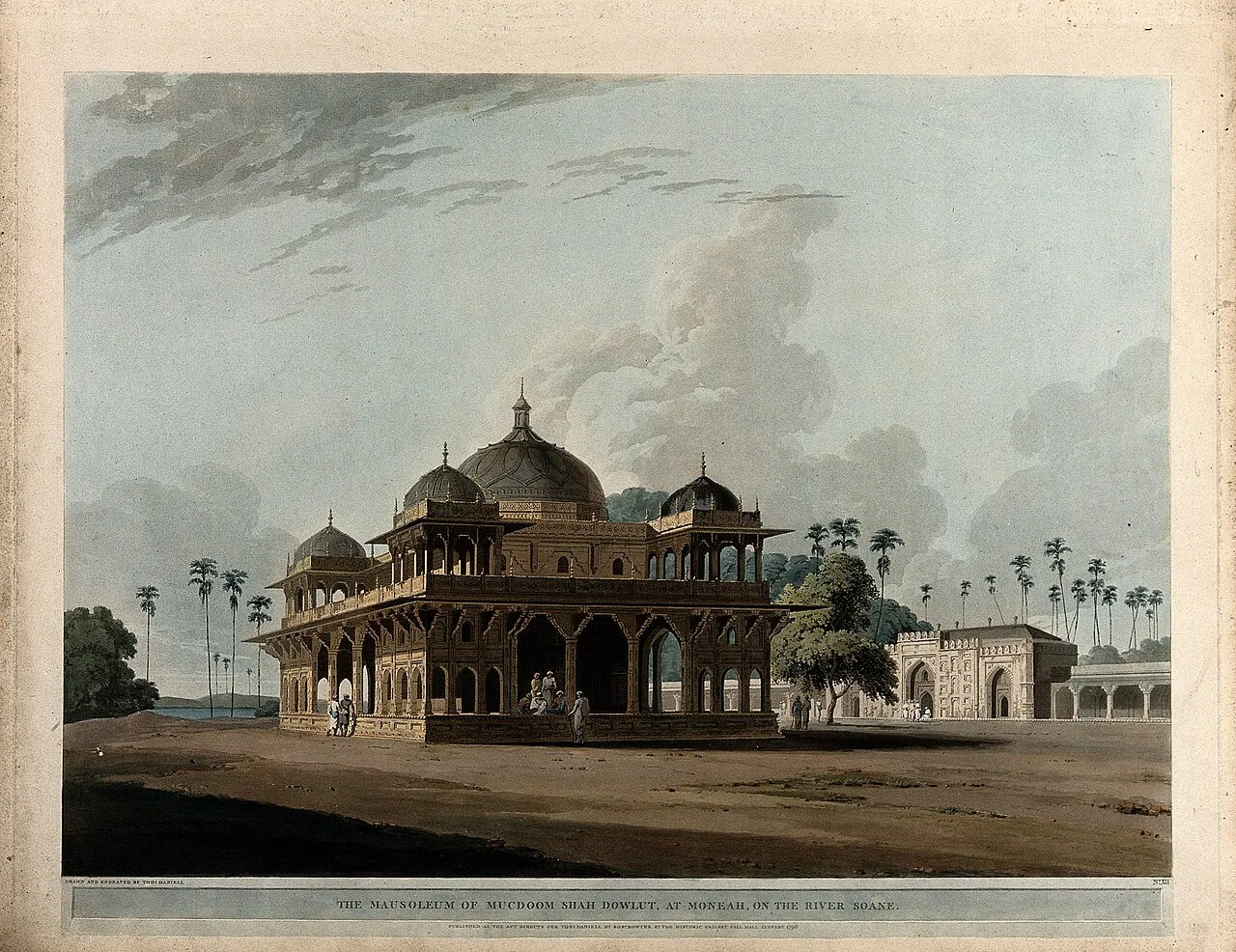
Maner, also called Maner Sharif, is a historic town and administrative block in Bihar’s Patna district. Visitors are drawn by its Mughal-era dargahs and its importance as a Sufi pilgrimage destination.

Patna Zoo

44 km away · Patna district

Patna Zoo

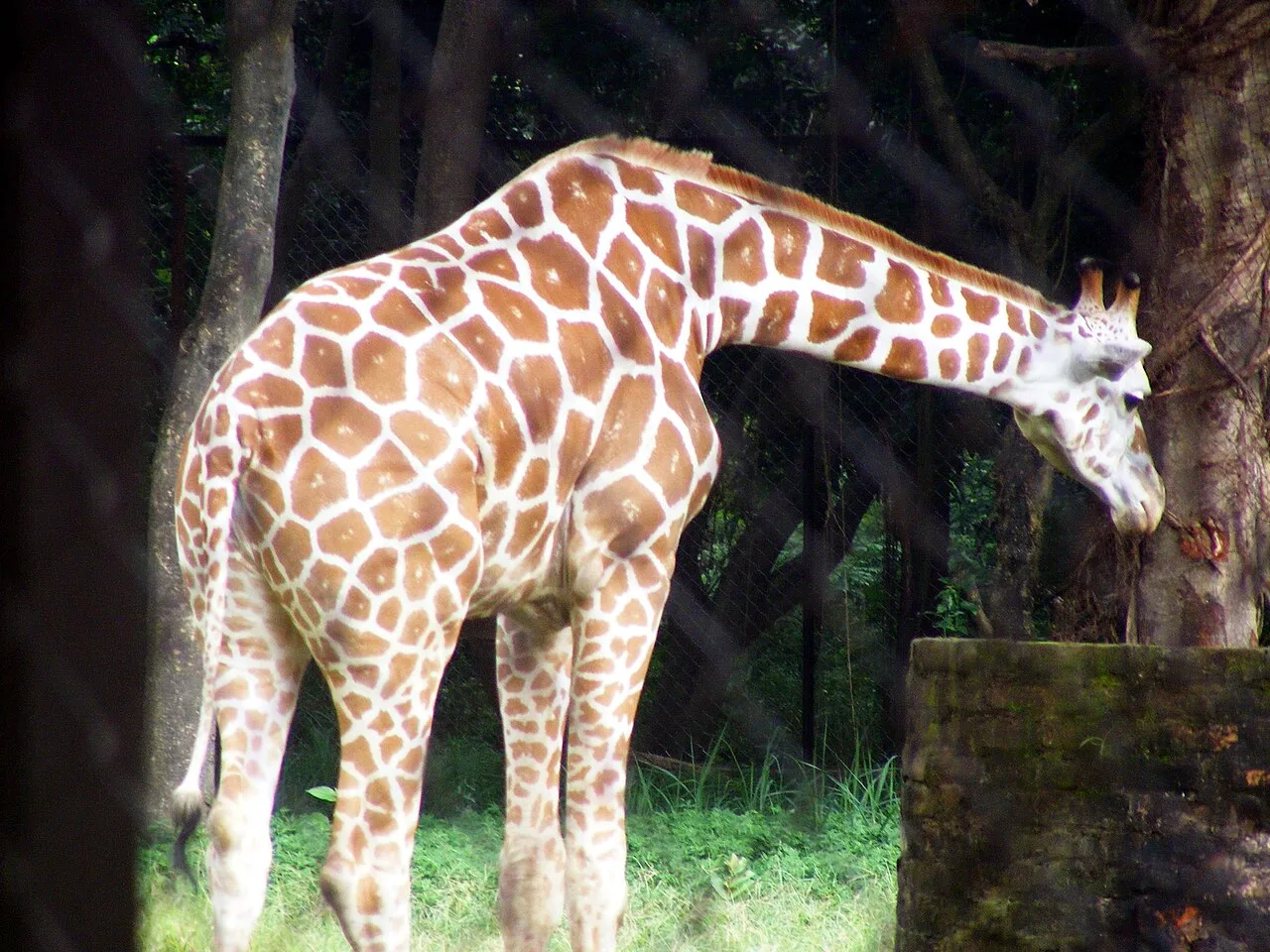
Patna Zoo is a zoological park in Bihar’s Patna district, near Bailey Road. People visit for picnics, with particularly large crowds on New Year’s Day.

Bihar Museum

46 km away · Patna district

Bihar Museum

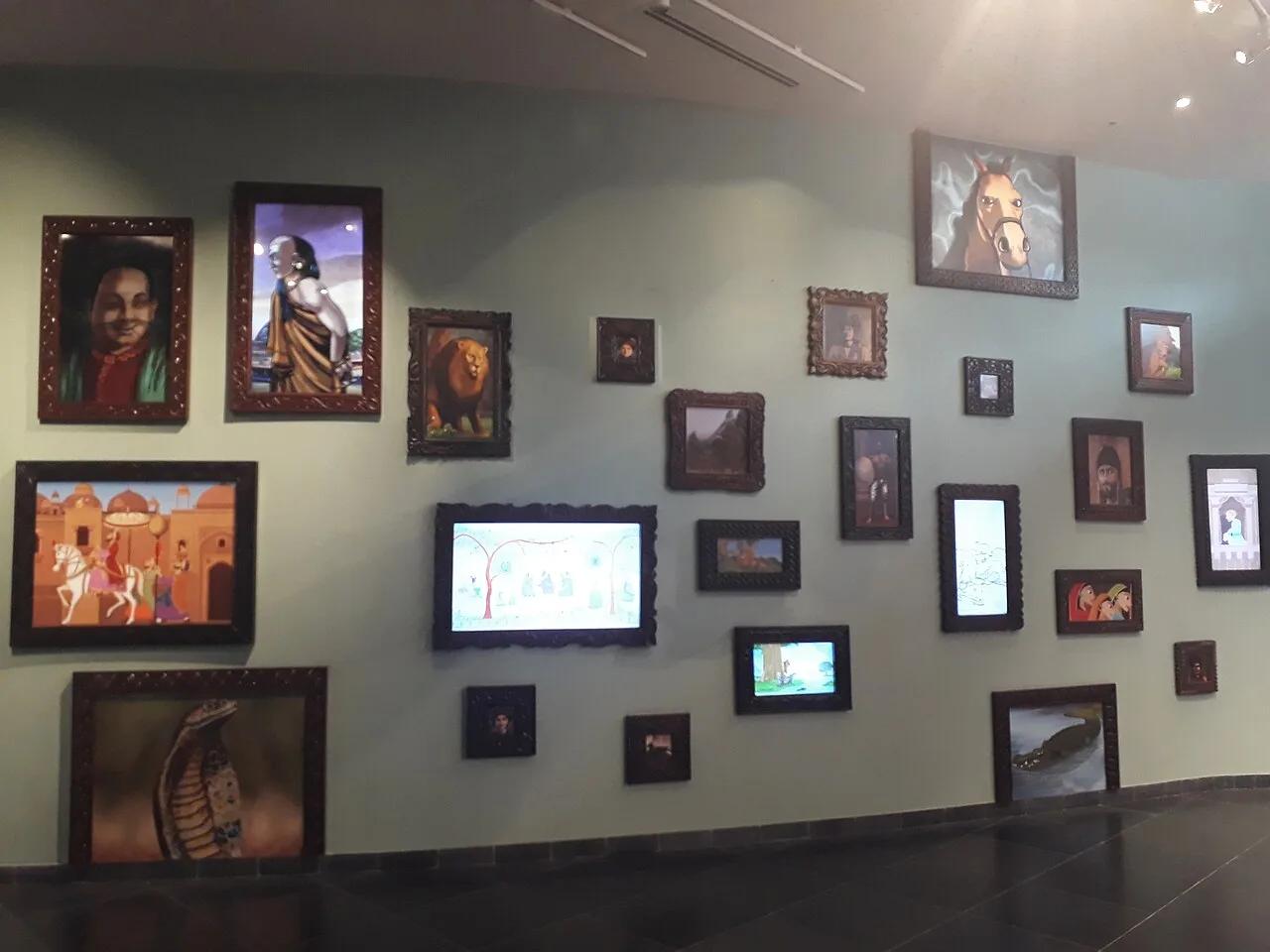
Bihar Museum is Patna’s state museum, with displays on Bihar’s history. Visitors can explore its galleries, children’s museum and distinctive arrangement of buildings and courtyards.

Golghar

48 km away · Patna district

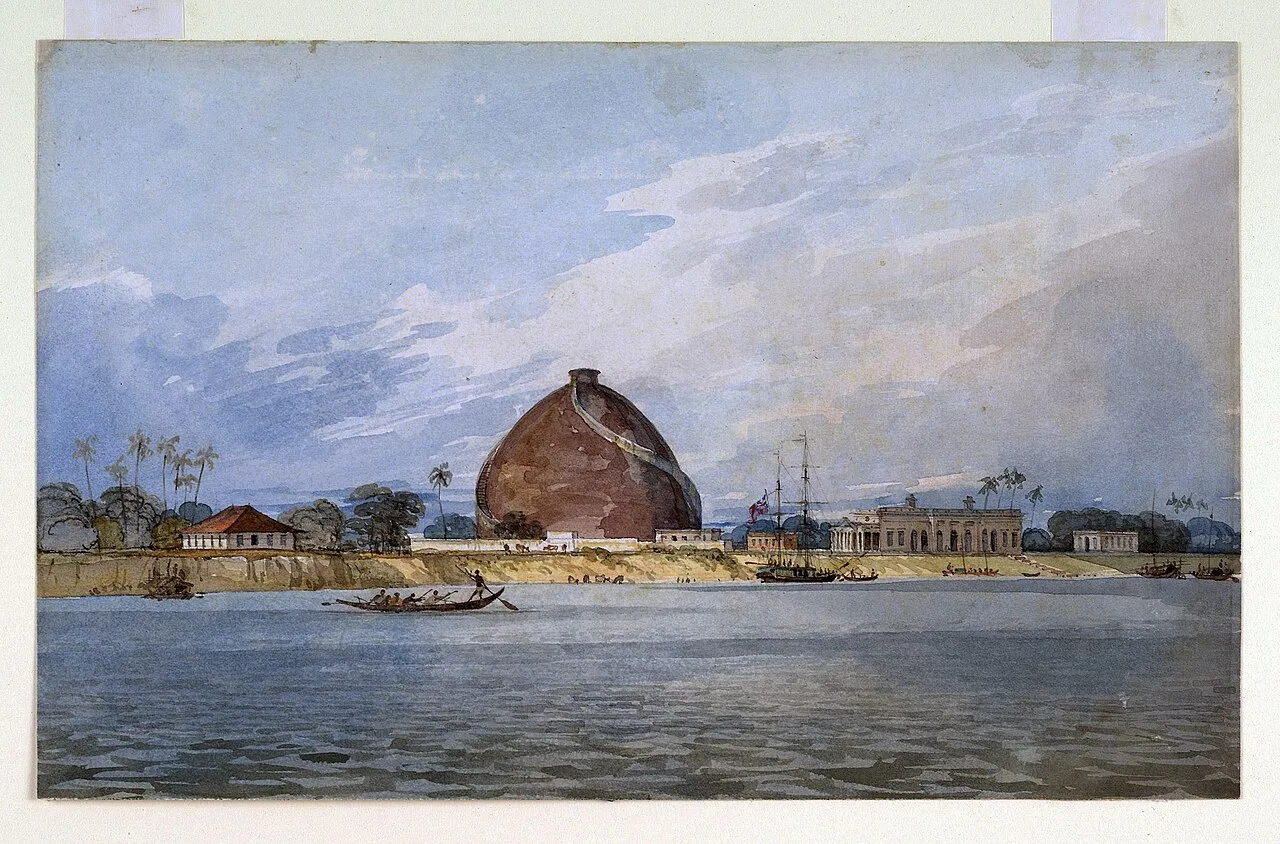
Golghar

Golghar, also called Gol Ghar, is a substantial grain store in Patna, Bihar. Visitors come to see the granary west of Gandhi Maidan.

Mahavir Mandir

48 km away · Patna district

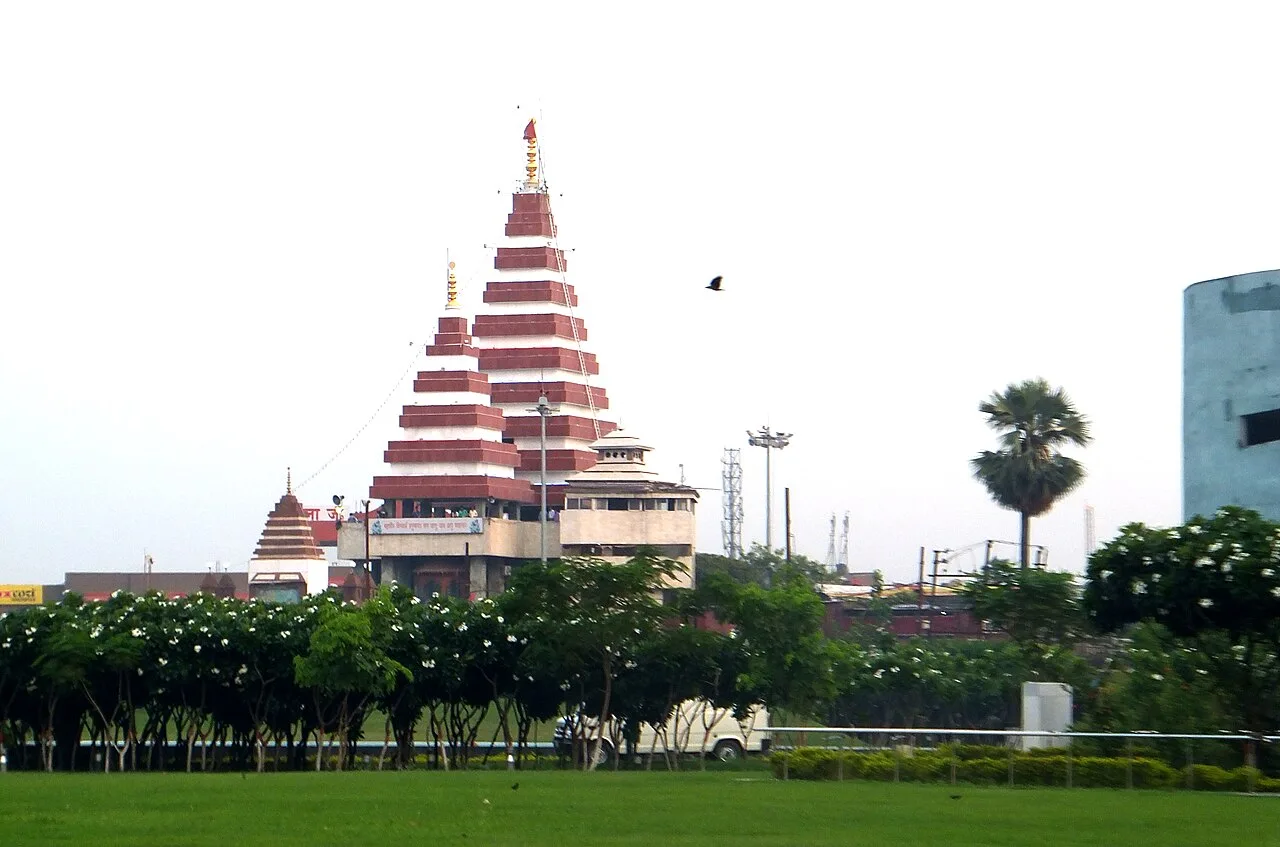
Mahavir Mandir

Mahavir Mandir is a Hanuman shrine in Patna, Bihar, visited by millions of pilgrims each year. Devotees also gather in large numbers for religious occasions, particularly Rama Navami.

Patna Museum

49 km away · Patna district

Patna Museum

Patna Museum is Bihar’s state museum in Patna district. Visitors come to see its historical collections and learn about the institute’s work in history and archaeology.

Gandhi Maidan

51 km away · Patna district

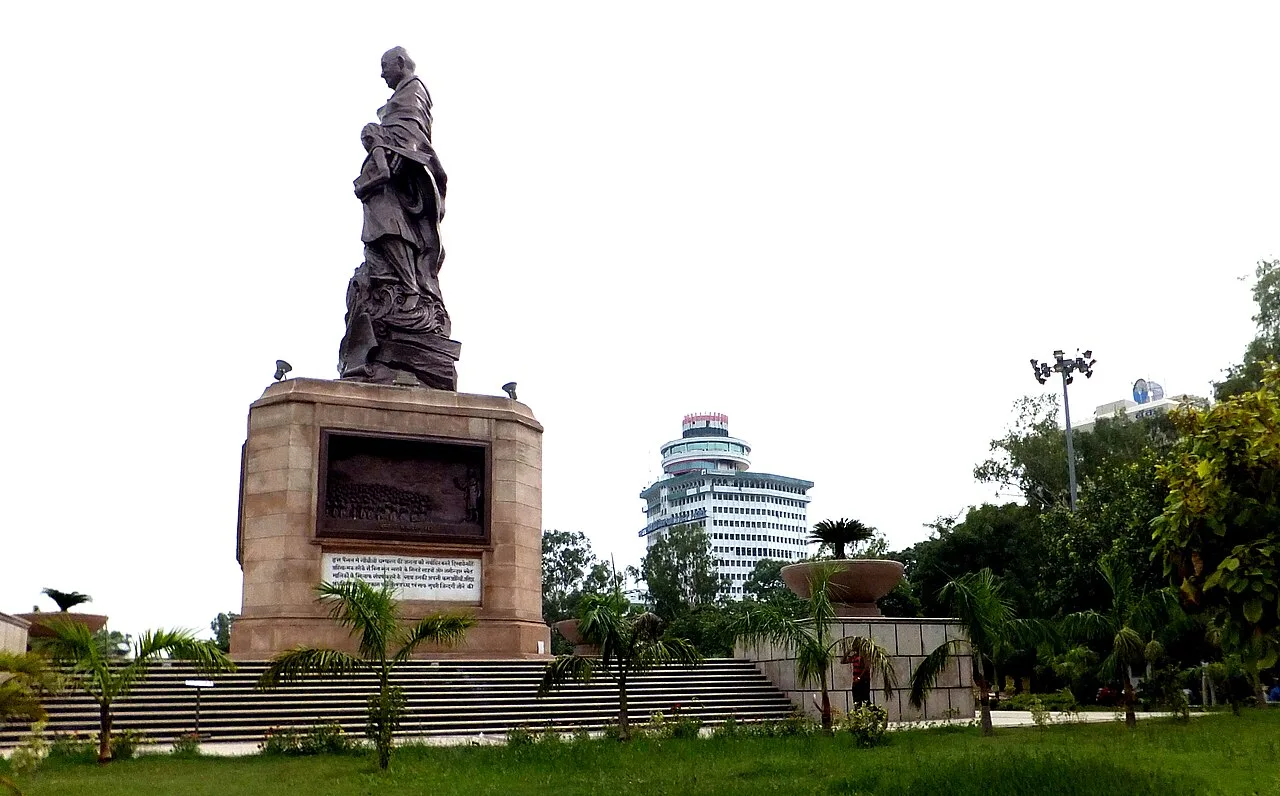
Gandhi Maidan

Gandhi Maidan is a historic open space in Patna, Bihar, near the Ganges. People visit a site linked to the freedom movement and significant political gatherings.

Kumhrar

53 km away · Patna district

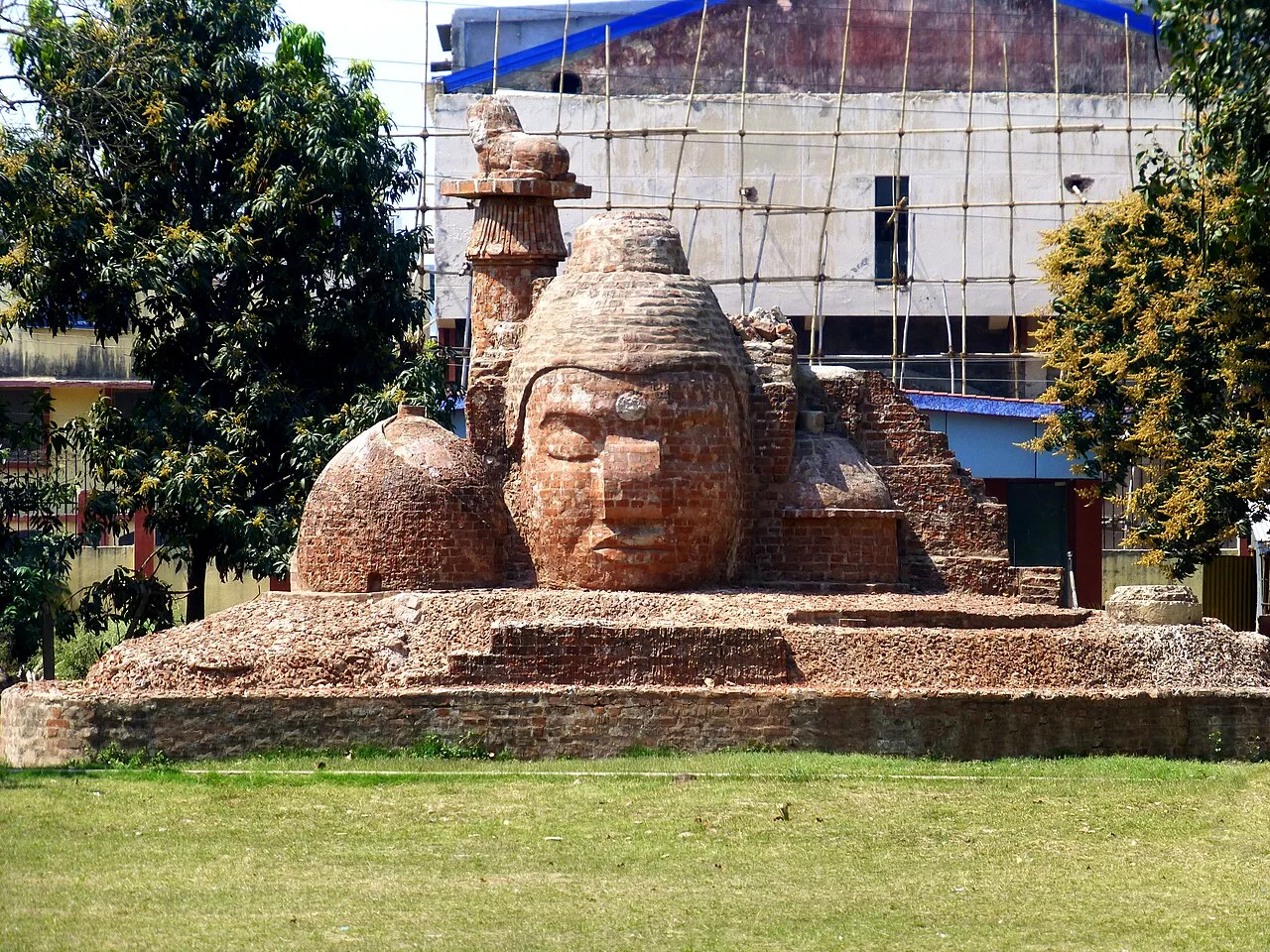
Kumhrar

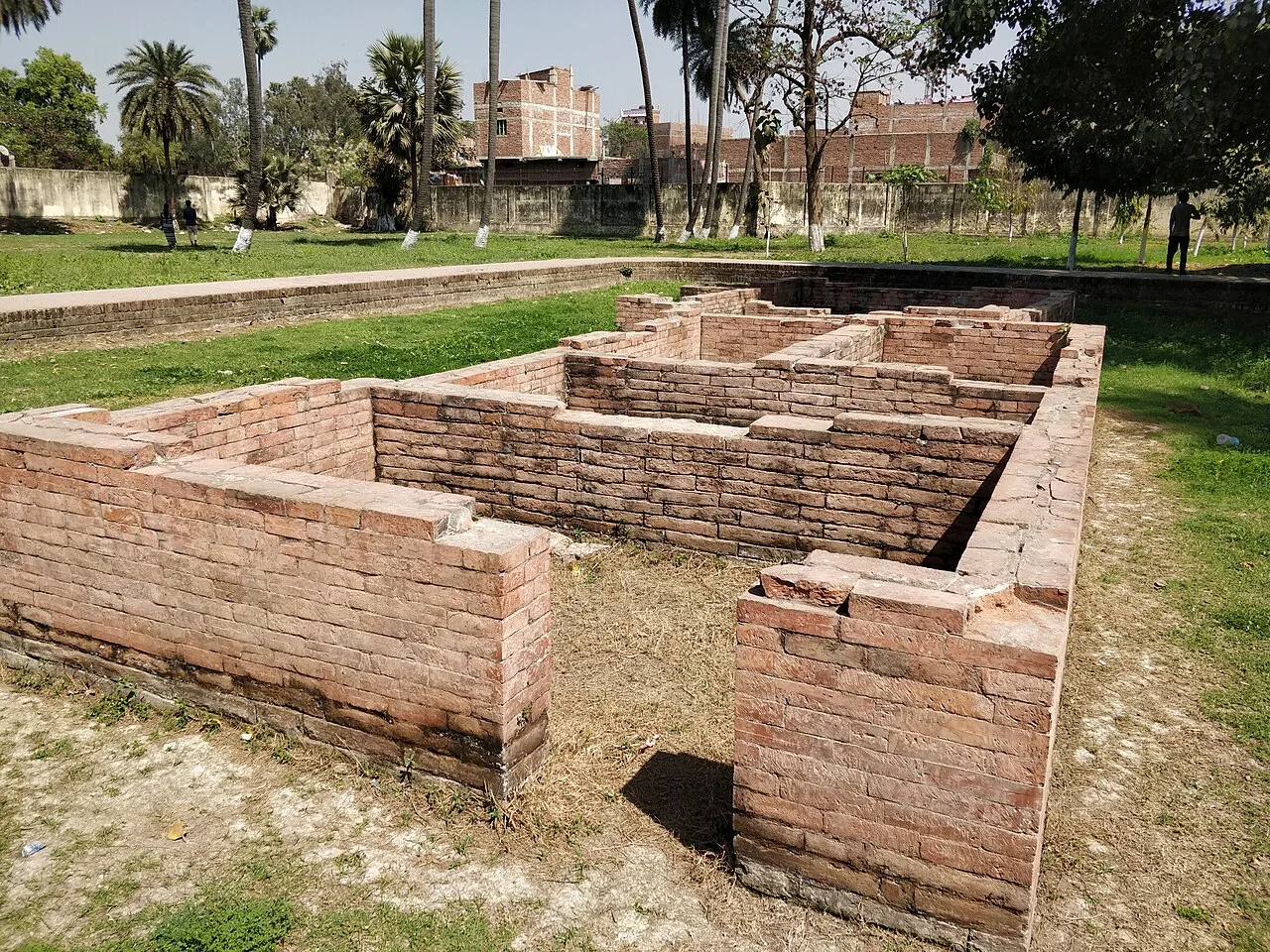
Kumhrar is an archaeological site in Patna connected with the remains of Pataliputra. Visitors come to see excavated traces of the city, including the remains of an 80-pillared hall.

Map

Arrah on the map

  1. 1Maner
  2. 2Patna Zoo
  3. 3Bihar Museum
  4. 4Golghar
  5. 5Mahavir Mandir
  6. 6Patna Museum
  7. 7Gandhi Maidan
  8. 8Kumhrar

Bihar

Other cities to explore