
Bihar Museum
Bihar Museum is Patna’s state museum, with displays on Bihar’s history. Visitors can explore its galleries, children’s museum and distinctive arrangement of buildings and courtyards.
Key facts · verified by Ghumoopedia editors
- Type of place
- Heritage monument
- Best time to visit
- October to March
- Nearest railway station
- Patna Junction · about 5 km (straight line)
- Verified
- 21 Nov 2026
Plan a trip from Bihar Museum — a day-by-day route through places nearby.
Situated in Patna district, Bihar, Bihar Museum serves as the state museum and presents the history of Bihar. It was planned as a museum devoted to the state’s past. Nitish Kumar proposed the project while serving as Chief Minister, despite obstacles and objections from political parties. Construction began on Bailey Road in October 2013, with a budget estimated at ₹498 crore (US$53 million). The 13.9-acre site was designed by Japanese architect Fumihiko Maki, a Pritzker Prize laureate and lead architect of Maki and Associates, alongside Mumbai-based Studio Opolis. Its layout links low-rise buildings with landscaped courtyards and exhibition spaces. The museum began receiving the public in stages. At the first opening in August 2015, visitors could enter the children’s museum, the main entry zone and an orientation theatre. In October 2017, the other galleries opened to visitors, and more than 100 artefacts moved from Patna Museum. A listing published in October 2026 ranked Bihar Museum ninth among the world’s 100 best museums and named it Asia’s best museum. Bihar is the heart of ancient Magadha — the land of the Buddha's enlightenment, the Mahavihara of Nalanda, the Mauryan capital Pataliputra, Jain tirthankara Mahavira and the Maithili and Bhojpuri cultures. Bihar has very hot summers from April to June, a monsoon from June to September that can flood low-lying areas, and cool, pleasant winters from November to February with foggy mornings in December and January. The usual best time to visit is October to March. Timings, fees and access arrangements must be confirmed locally. For official information, see Bihar Tourism at https://tourism.bihar.gov.in.
Why it matters
Bihar Museum is Bihar’s state museum, created to interpret the history, archaeology and artistic traditions of the state. Its collections and galleries connect visitors with the region’s long cultural record, including ancient Magadha, Buddhist and Jain traditions, and later periods of Bihar’s history. Located on Bailey Road in Patna, it complements the city’s older Patna Museum and serves as a major public cultural institution. The museum was designed by Pritzker Prize-winning Japanese architect Fumihiko Maki, working with Mumbai-based Studio Opolis. It opened in stages: an inaugural section welcomed visitors in 2015, and the remaining galleries opened in 2017. It is a state museum, not an ASI-protected monument or a UNESCO World Heritage Site.
The idea for a new state museum in Patna was advanced by Nitish Kumar, then Chief Minister of Bihar, as a place to present the state’s history and heritage. The project was planned for a 13.9-acre site on Bailey Road. Construction began in October 2013, with an estimated budget of ₹498 crore reported for the project. The design was commissioned from Japanese architect Fumihiko Maki and Maki and Associates, in collaboration with Mumbai-based Studio Opolis. The museum began opening in stages in August 2015. Its first public areas included the children’s museum, main entrance area and orientation theatre. In October 2017, the remaining galleries opened. More than 100 artefacts were transferred to the new institution from Patna Museum as part of the development of its collections. The museum’s purpose is to present Bihar’s history across different periods, rather than focus on a single monument or archaeological site. Its galleries and displays are arranged to help visitors explore the state’s cultural and historical record. As a modern public museum, it continues to serve as a place for exhibitions, learning and engagement with Bihar’s heritage.
Origin stories & folklore
Bihar Museum itself has no widely established founding legend: it is a modern institution built to interpret the region’s past. The wider landscape around Patna, however, is associated with stories of ancient Magadha and Pataliputra. Historical accounts connect Pataliputra with successive rulers and empires, while local and religious traditions link Bihar to the lives of the Buddha and Mahavira. These traditions are part of the cultural setting visitors encounter in the museum, but they should not be mistaken for folklore about the museum building. Exhibitions offer a way to consider how historical evidence, religious memory and later storytelling have shaped ideas about Bihar’s past.
Architecture & design
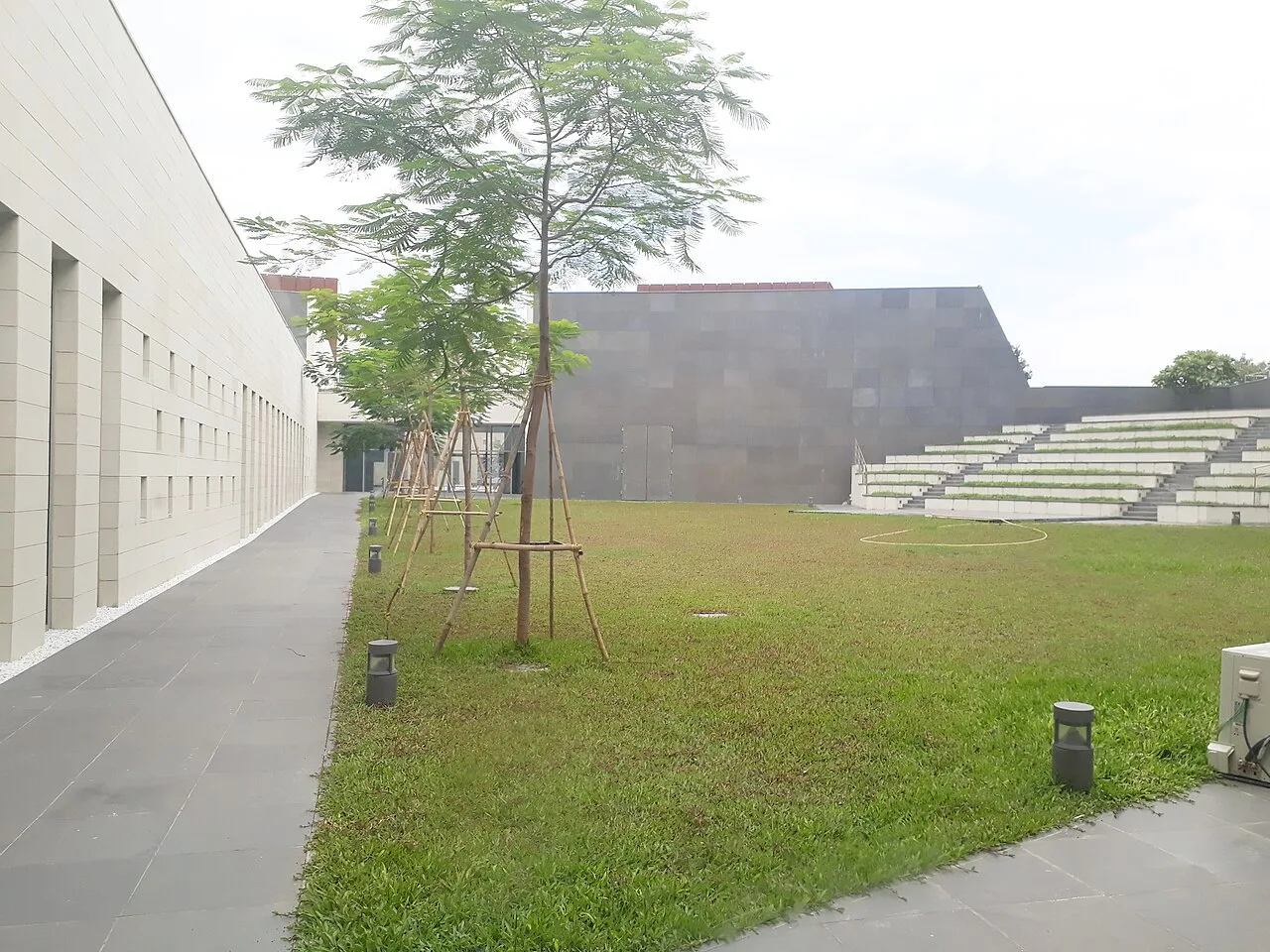
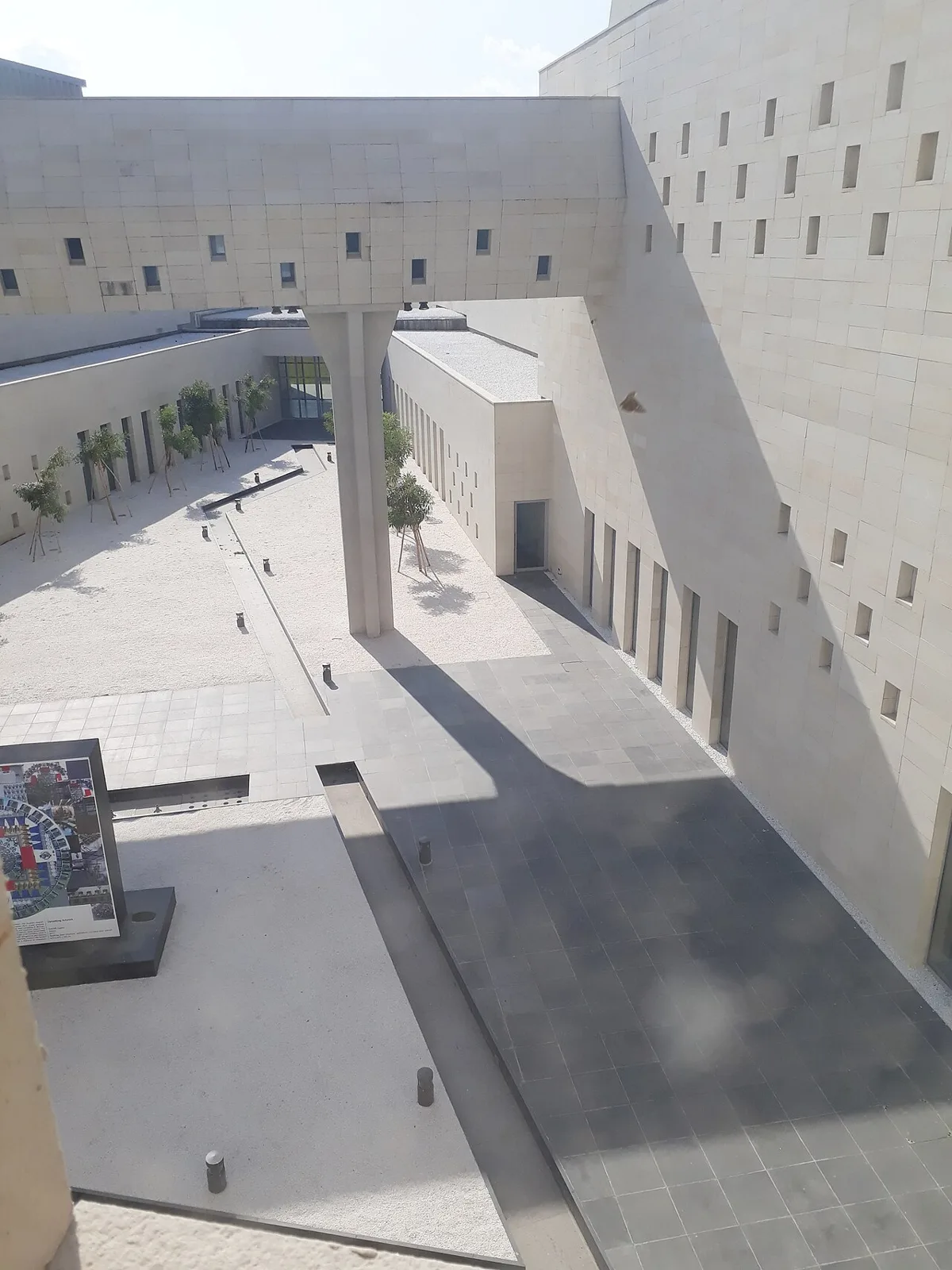
Bihar Museum is a contemporary, low-rise complex set across 13.9 acres on Bailey Road. Japanese architect Fumihiko Maki, through Maki and Associates, worked with Mumbai-based Studio Opolis on the design. Rather than forming one tall block, the museum is composed of interconnected buildings and exhibition areas, arranged with landscaped courtyards and outdoor spaces between them. This layout gives the complex a campus-like character and creates a sequence of galleries and gathering areas for visitors. The architecture uses modern construction and a restrained palette of materials, including solid surfaces and extensive glazed areas; the arrangement balances enclosed gallery spaces with views and daylight in shared areas. The design is intended to support varied exhibitions, visitor circulation and educational spaces, including a children’s museum and orientation theatre. Its contemporary form contrasts with the historical objects it houses, marking the museum as a present-day civic institution rather than a reconstructed historic building.
Important objects & sculptures
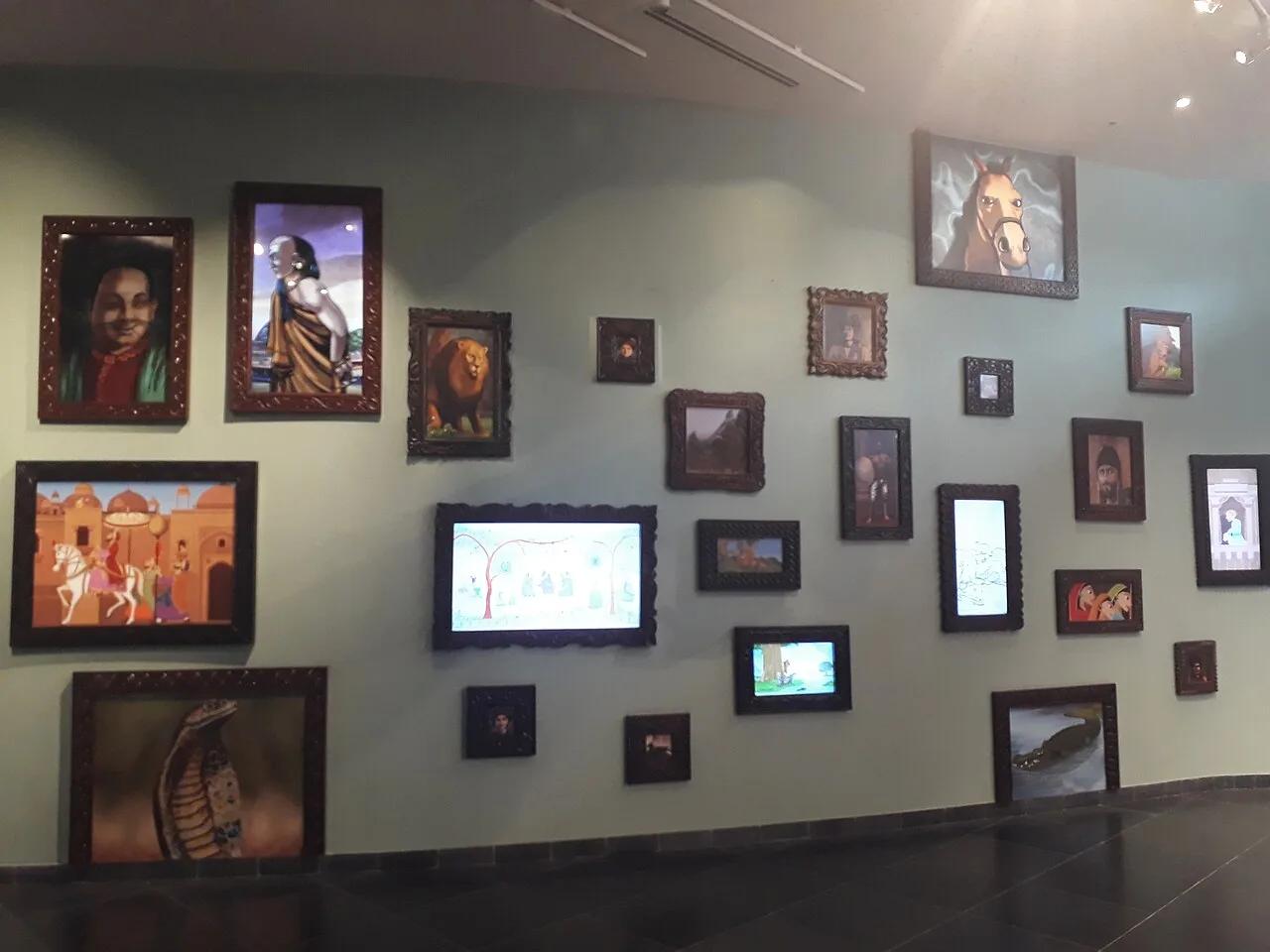
The collections range across Bihar’s archaeological, historical and artistic heritage. In the galleries, look for sculptures, coins, terracotta objects, metalwork and other artefacts that help explain the region’s changing societies and religious traditions. Displays relate to ancient Magadha and to Buddhist and Jain histories, alongside objects from later periods. More than 100 artefacts were transferred from Patna Museum when Bihar Museum’s remaining galleries opened in 2017, though individual objects on display can change as galleries and exhibitions are updated. Read the labels and interpretive panels for context, since an object’s place of discovery, date and original use are not always self-evident. Check current exhibitions if you are visiting to see a particular collection.
Explore Bihar Museum slowly and read the interpretation boards, use the official audio guide where available or hire an authorised guide to understand its history. Check opening days, ticket counters and camera rules in advance; many monuments and museums close on one weekday and on some public holidays. Early morning gives softer light, cooler air and smaller crowds. A comfortable itinerary is one main visit in the morning, a local meal at midday and a short nearby stop before an afternoon return. Use the district list on this site to find other places in Patna, but check the route and its condition before combining stops. If a festival or fair is on — such as Chhath or the Sonepur fair — roads and stays can be busy, and the experience can be unforgettable. Leave no litter: many sites are protected by the communities around them.
Suggested itineraries
Half day: Allow about 2–3 hours for the main galleries, children’s museum or orientation area, and a pause in the courtyard; have a meal nearby afterward. Full day: Spend about 3–4 hours at Bihar Museum, take a lunch break, then visit Patna Museum or Golghar and Gandhi Maidan, allowing travel time between stops. Gentler option: Choose a few galleries, sit between sections, and arrange a taxi for any onward city visit rather than walking in the heat.
The museum presents traditions from a state where languages and customs vary by region. Hindi and Urdu are widely used in Patna, while Bhojpuri, Magahi and Maithili are among the languages spoken across Bihar. Religious and artistic histories associated with Buddhism, Jainism and Hindu traditions form part of the region’s cultural landscape. Living traditions include Chhath observances, folk music and dance, and craft practices that differ across districts. Bihar Museum offers a place to encounter this broad heritage through collections and interpretation; it is not itself a venue for regular community rituals. Visitors can deepen a museum visit by exploring Patna’s food, language and religious life respectfully.
Festivals & events
Chhath is among Bihar’s most important festivals and is observed in Patna, often bringing large crowds to riverbanks and public spaces; travel can be busy during the festival periods. Bihar Diwas, held in March, brings state-focused cultural programmes and events in Patna, though activities and venues vary. Durga Puja is also celebrated across the city, with neighbourhood pandals and increased local traffic during the season. The Sonepur fair, usually held in the cooler part of the year, is a major event in Sonepur across the Ganga from Patna, not at the museum. Confirm local event arrangements before planning a visit, as crowds and road conditions can change.
Local food in Bihar includes litti chokha, sattu paratha, khaja (a layered sweet from Silao), tilkut and anarsa from Gaya, makhana (fox nuts) from the Mithila region, chana ghugni, malpua and thekua. Ask what is fresh that day; many small eateries cook a limited daily menu. Vegetarian travellers eat very well across this region, and most towns also have non-vegetarian options. Remote sites may have no restaurant at all. Carry water and snacks, eat a proper breakfast before long drives, and ask your accommodation for a packed lunch if you are heading out early. Try a home-cooked or dhaba meal when you can — it is often the best food on the route. Choose busy, clean places, drink sealed or filtered water, and carry your packaging back with you.
Shopping & local experiences
Look for books on Bihar’s history, museum publications and locally made craft items if the museum shop is open; stock can vary. In Patna, markets may offer textiles, household crafts and regional food products, but check provenance when buying items described as handmade. A meal or snack featuring local flavours can be part of the visit, with options varying by neighbourhood. Ask before photographing vendors or their goods, and avoid buying antiquities or objects presented as archaeological finds. Support legitimate craft sellers and respect any restrictions on taking cultural or religious objects from their communities.
October to March
The nearest principal railway station by straight-line distance is Patna Junction, roughly 5 km away. The nearest operating airport by straight-line distance is Jay Prakash Narayan Airport, Patna, roughly 5 km away. These figures are calculated from map coordinates — actual road distance is longer. Patna Junction, Rajendra Nagar Terminal and Gaya Junction are the main rail gateways, and Patna and Gaya have airports; Varanasi airport serves the west of the state. For the final leg, Bihar State Road Transport Corporation (BSRTC) buses, private coaches and shared jeeps and autos link district towns; shared jeeps usually leave early in the morning. A private taxi gives more flexibility for remote sites. When comparing train, bus and flight, count the complete door-to-door time: a flight saves the most time only if the onward road transfer is short, while an overnight train can save a hotel night. Book your return before you leave, because seats fill quickly on weekends, festivals and holidays. Current train numbers, timings, return services and fares are not listed here; check IRCTC and NTES for trains and the airline's own schedule for flights. No permit is needed to visit Bihar. Buddhist circuit sites such as Bodh Gaya, Rajgir, Nalanda and Vaishali welcome visitors of all backgrounds; dress modestly at temples, monasteries and dargahs. The Sonepur fair, Chhath Puja and the Rajgir Mahotsav draw very large crowds, so book transport and stays well ahead.
Confirm onward and return timings on IRCTC / NTES, the state bus operator or your airline before travel. A dash means current timings or fares have not been verified.
Getting around
The museum is on Bailey Road in Patna and can be reached by auto-rickshaw, taxi or app-based cab from central parts of the city. Local buses serve parts of Patna, but check routes and stops for the most convenient approach. Traffic can be slow, particularly at busy times, so allow extra time for the final leg. The museum complex is best explored on foot once inside. Confirm locally whether visitor parking is available and where vehicles may be left; avoid assuming that street parking will be convenient. Walking between the museum and other city attractions may be possible, but distances, heat and traffic should be considered.
Hours, tickets & permissions
Entry is generally managed through the museum’s ticketing arrangements, and admission conditions may differ for children, groups or special exhibitions. Camera use, photography in particular galleries, and access to temporary displays may be subject to separate rules. Visitors should check current opening days, hours, fees and entry requirements with Bihar Museum before travelling, especially on public holidays or during special events. Follow posted instructions in galleries and ask staff before photographing objects or using equipment.
Facilities
The museum is a purpose-built visitor complex, with gallery spaces and visitor-oriented areas including an orientation theatre and children’s museum. Toilets and drinking-water access are usually available in a major museum, but their locations and current operating status should be checked on arrival. Food options may be available on site or nearby; do not rely on a particular café being open. Ask the museum about guided visits or audio-guide availability, as arrangements can change. ATMs, shops and additional restaurants can be found elsewhere in Patna. Check locally for parking, cloakroom facilities and any restrictions on bags.
Accessibility
The complex is spread across a large site, so a visit can involve considerable walking between the entrance, courtyards and galleries. The buildings are low-rise, but visitors should confirm the current step-free routes, lift access and accessible toilet locations directly with the museum rather than assume every area is accessible. Interior flooring and transitions between spaces may affect wheelchair and stroller movement. Shade and places to pause may be available in shared areas, though outdoor sections can feel hot in summer. Elderly visitors and people with limited mobility may find it more comfortable to choose a smaller number of galleries, take rest breaks and ask staff about the shortest accessible route.
No permit is needed to visit Bihar. Buddhist circuit sites such as Bodh Gaya, Rajgir, Nalanda and Vaishali welcome visitors of all backgrounds; dress modestly at temples, monasteries and dargahs. The Sonepur fair, Chhath Puja and the Rajgir Mahotsav draw very large crowds, so book transport and stays well ahead. Carry a photo ID at all times and save the emergency number 112 and your accommodation's contact offline. Heat in summer and fog in winter are the main weather risks; carry water and allow extra travel time on foggy December–January mornings. Respect community rules, private property and posted instructions. Follow local guidance if access changes.
Photography
Daylight in the courtyards and entrance areas can provide pleasant conditions for exterior photographs, while indoor lighting varies by gallery. Photography rules may differ between spaces and exhibitions; check signs and ask staff before taking pictures of objects. Flash, tripods or other equipment may be restricted. Do not use a drone without the necessary permissions and confirmation that flight is lawful in the area. Be considerate of other visitors, especially children and school groups, and avoid photographing people without their consent.
Choose a stay by the full journey to Bihar Museum, not just the district name. Patna, Gaya and Bodh Gaya offer the widest choice, from pilgrim dharamshalas to international hotels; monastery guesthouses in Bodh Gaya are good value. In summer, check air-conditioning or coolers; in December and January, check hot water. Book in advance for weekends, festivals and the peak season (October to March). Confirm the exact location, meals included, check-in time and cancellation terms in writing. Avoid sending money to unverified contacts or touts at stations. Carry some cash, as card and digital payments can be unreliable in remote areas.
Within Patna, visitors can consider Patna Museum, Golghar and Gandhi Maidan, checking opening arrangements and travel time before combining them. Takht Sri Patna Sahib, an important Sikh place of worship in Patna, is another significant city visit; observe its visitor and dress protocols. These sites are spread across the city, so traffic may make several stops tiring in one day. Sonepur, across the Ganga from Patna, is known for its annual fair, but it is a separate trip and should not be treated as a nearby walking stop. For a longer excursion, Nalanda is a major heritage destination outside Patna and needs separate travel planning.
For couples, Bihar Museum rewards a slow pace: arrive early for soft light and fewer crowds, share a local meal and keep the evening free. Sunset on the Ganga at a Patna ghat or an evening under the Bodhi tree's descendant at Bodh Gaya is quietly memorable. Public displays of affection can be frowned upon in conservative communities and at religious sites, so be discreet. Keep a buffer in your itinerary, because weather and road conditions can delay plans.
Q: How much time should I allow for Bihar Museum? A: Allow a few hours for a considered visit; add time if you want to explore most galleries or attend a programme. Q: When is a good season to visit? A: October to March is generally more comfortable in Patna than the hot summer months; check conditions during the monsoon. Q: Is entry ticketed, and do rules change? A: Admission and rules are set by the museum and may change. Confirm current fees, hours, camera conditions and entry requirements with the managing authority. Q: Is the museum suitable for children and elderly visitors? A: The museum includes a children’s section. The complex involves walking, so elderly visitors or people with limited mobility may wish to plan rests and confirm accessible routes in advance. Q: Where can I stay nearby? A: Patna has accommodation across a range of areas. Choose a place with convenient road access to Bailey Road and confirm its location and facilities before booking.
Be the first to share photos, stories, advice or a helpful contact for Bihar Museum.
Loading…