
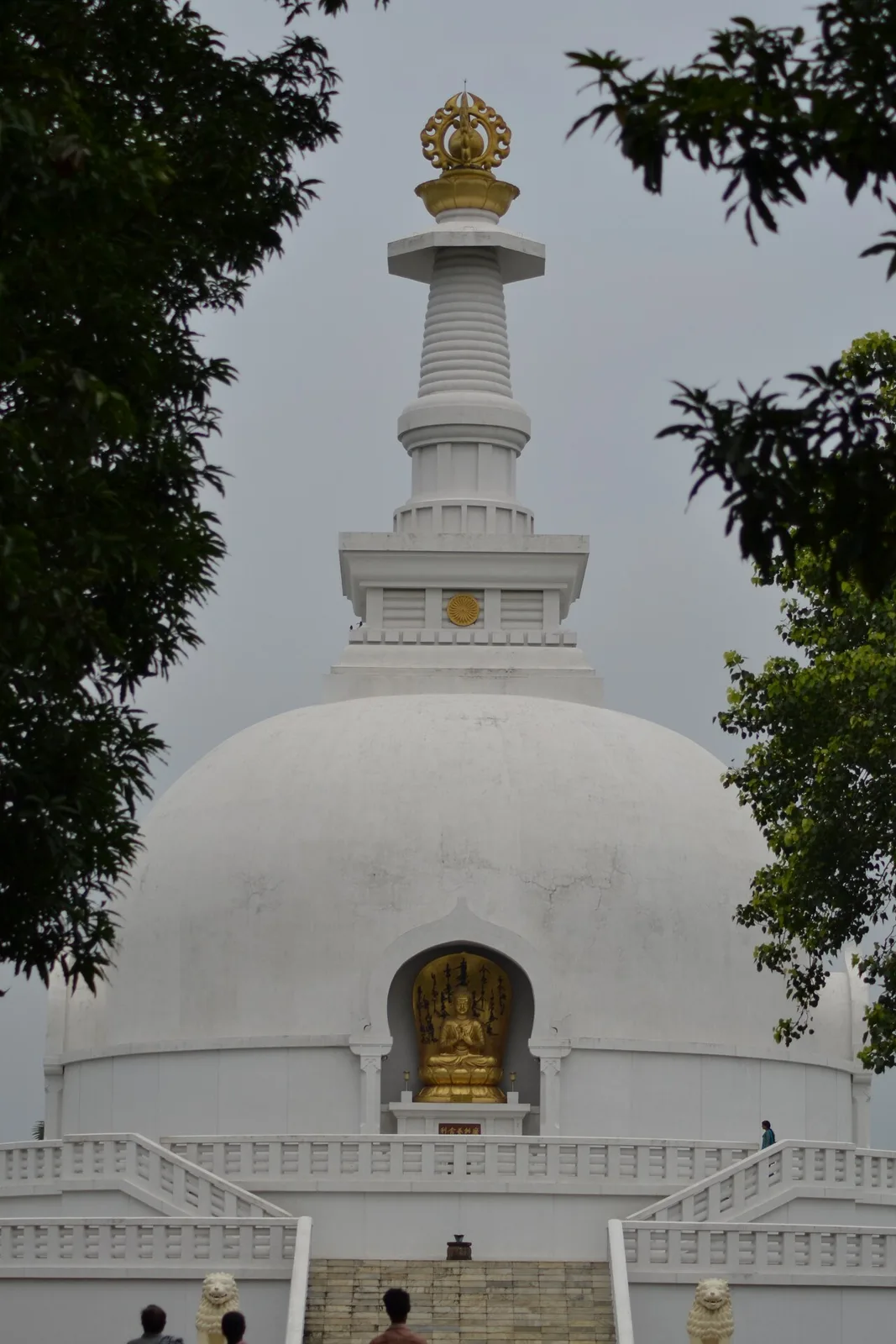
Why Vaishali matters
Vaishali is best known today as an archaeological and pilgrimage landscape in Bihar’s Vaishali district, rather than as a large modern city. Its scattered remains lie around villages including Basarh and Kolhua, north of Patna. The site draws visitors interested in early Indian political history, Buddhism and Jainism. Vaishali was the principal centre of the Vajjika League, a confederation often described as an early form of republic, and was closely associated with the Licchavis.
Buddhist tradition links Vaishali with several important events in the Buddha’s life, including his final sermon and announcement of his approaching parinirvana. The Relic Stupa is associated with a share of his remains. The well-preserved Ashokan pillar at Kolhua, topped by a lion, is another major attraction. Jain tradition identifies nearby Kundagrama with the birthplace of Mahavira, the 24th Tirthankara. Together, these sites give Vaishali unusual importance across two major religious traditions. Its rural setting and dispersed monuments reward visitors who plan time for several stops rather than a single central attraction.