Why Bodh Gaya matters
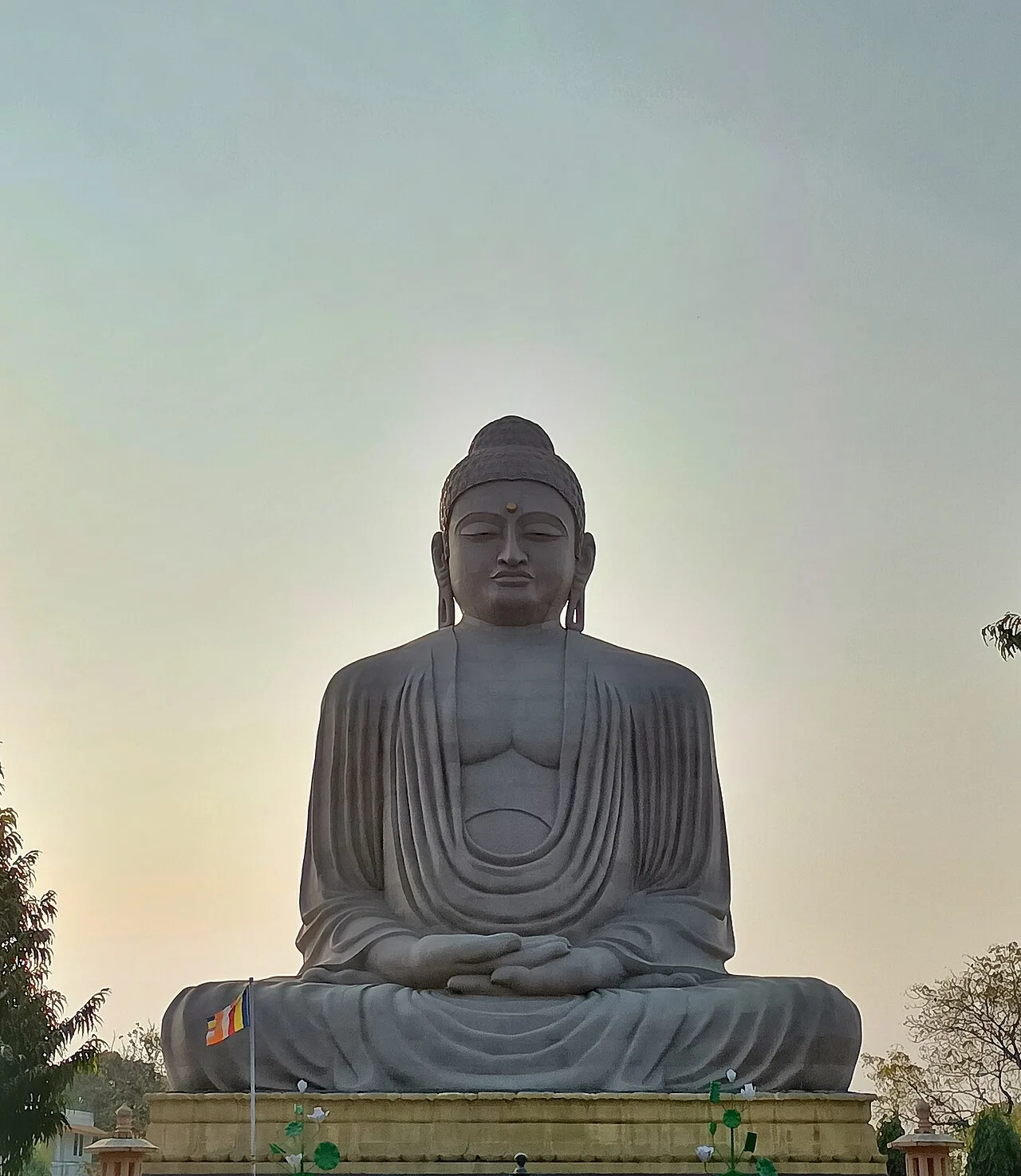
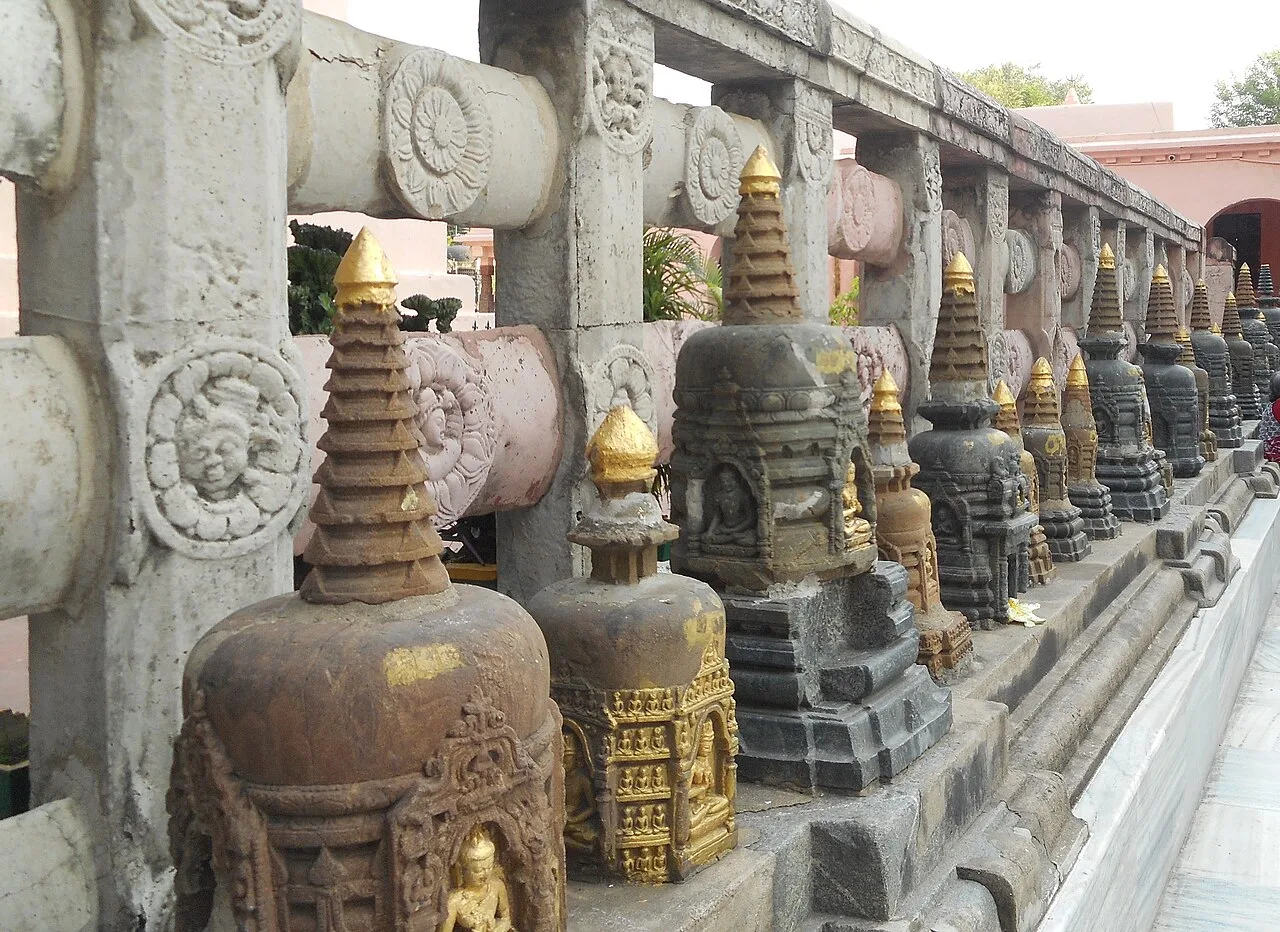
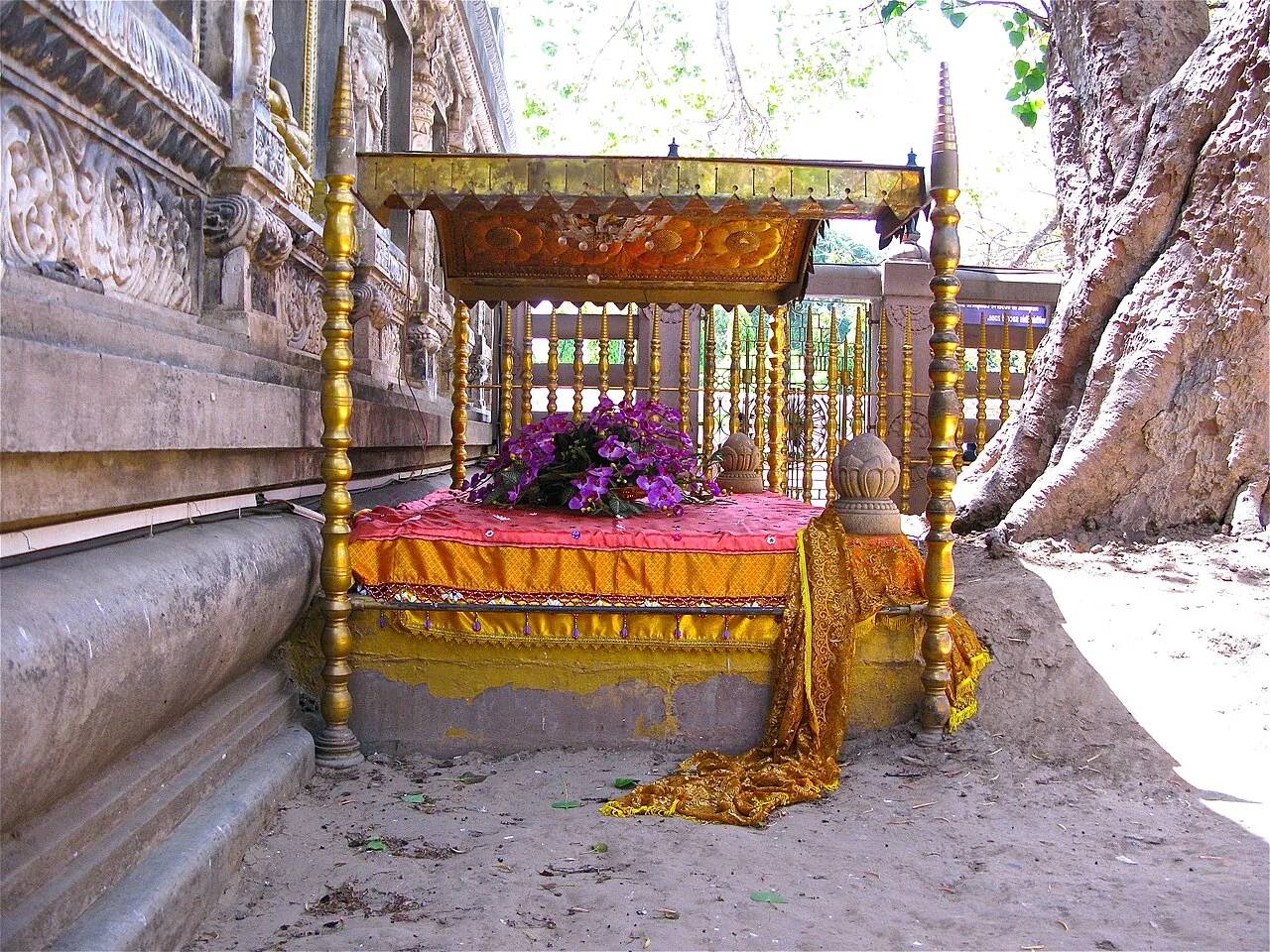
Bodh Gaya, in Bihar’s Gaya district, is one of Buddhism’s most important pilgrimage destinations. Buddhist tradition identifies it as the place where Gautama Buddha attained enlightenment beneath the Bodhi Tree. At the centre of the town, the Mahabodhi Temple complex brings together the temple, the Vajrasana or Diamond Throne, and the venerated tree. The complex became a UNESCO World Heritage Site in 2002 and draws pilgrims, students and other visitors from India and around the world.
The town’s character reflects its religious importance and its international community. Monasteries and temples established by Buddhist communities from countries including Thailand, Japan, Bhutan, Tibet and Sri Lanka stand among gardens, guesthouses and pilgrimage services. Visitors come to pray, study Buddhist teachings and explore places associated with the Buddha’s life, including sites across the river at Sujata village. Bodh Gaya is also a useful base for visiting Gaya and other destinations in southern Bihar. Its lasting significance lies in the way an ancient sacred landscape remains an active place of worship and cross-cultural exchange.