Ghumoopedia — Explore, Discover, Experience
Sign in

City guide · Bihar

Baruari

Baruari is a small settlement in Bihar’s Kosi region, where everyday life is closely linked to nearby villages, agriculture and local trade. It is not a large urban destination with a long list of major attractions; its importance comes instead from its place within the wider Saharsa area and its access to the services and transport connections concentrated in Saharsa town.

Famous for

  • Kosi-region rural life
  • Agricultural surroundings
  • Local village markets
  • Saharsa rail connections

Why Baruari matters

Baruari is a small settlement in Bihar’s Kosi region, where everyday life is closely linked to nearby villages, agriculture and local trade. It is not a large urban destination with a long list of major attractions; its importance comes instead from its place within the wider Saharsa area and its access to the services and transport connections concentrated in Saharsa town.

Visitors may find Baruari interesting as a quieter starting point for experiencing the region’s rural landscape and community life. Saharsa Junction is the principal rail hub for reaching the area, connecting the Kosi region with cities including Patna, Delhi and Kolkata. The station serves as an important transport link for residents of neighbouring districts as well as Saharsa. Travellers generally combine a visit to Baruari with time in Saharsa, where they can find more shops, services and onward connections. The area’s identity is shaped more by its local setting and regional links than by a widely known craft, monument or industrial product.
Famous for: crafts, trade & products

Baruari is not widely associated with a distinctive textile, handicraft, GI-tagged product or large industry. Its surroundings are part of the agricultural Kosi plain, where farming and small-scale local commerce are central to daily life. Crops and produce found across the region include rice, maize, pulses and seasonal vegetables, though availability varies with the season and local conditions.

For everyday goods and locally traded produce, look to village shops and periodic local markets. Saharsa town offers a broader range of retail shops and services and is the practical place to browse for household goods, clothing and regional food products. These are working markets rather than dedicated tourist craft bazaars, so visitors should not expect a specialised shopping district or a single signature souvenir. The area’s strongest commercial connection is its role within the wider Saharsa region, supported by transport links and trade between settlements. Buyers interested in locally made items can ask shopkeepers about products made or grown nearby, since offerings vary and are not consistently marketed as a formal craft tradition.

History

Baruari’s local history is not as extensively recorded or publicly represented as that of larger towns in Bihar. The settlement belongs to the wider Kosi region, an area shaped by river landscapes, farming communities and the movement of people and goods across the north Bihar plains. Mithila’s cultural influence is present across this broader region, but specific accounts of rulers or major historical events tied directly to Baruari are limited.

During the colonial period and after independence, administration, roads, markets and rail links helped connect local settlements with larger centres. Saharsa developed as an important town and transport hub for the surrounding area. Saharsa Junction’s role grew as rail services linked the Kosi region with other parts of Bihar and India, and it continues to serve travellers from neighbouring districts. More recent railway improvement plans at Saharsa reflect the continuing importance of transport access to the region. Baruari’s development remains primarily local, connected to nearby services and the wider growth of Saharsa.

Food, festivals & culture

Daily food in Baruari reflects familiar north Bihar home cooking: rice, dal, seasonal vegetables, greens and dishes made with sattu. Litti and chokha are popular across Bihar, while sweets and snacks vary by household and season. Thekua is commonly prepared around Chhath, an important festival observed in autumn and again in spring. Other widely celebrated occasions include Holi, Diwali, Eid and, in the broader Mithila region, Sama-Chakeva during the Kartik season.

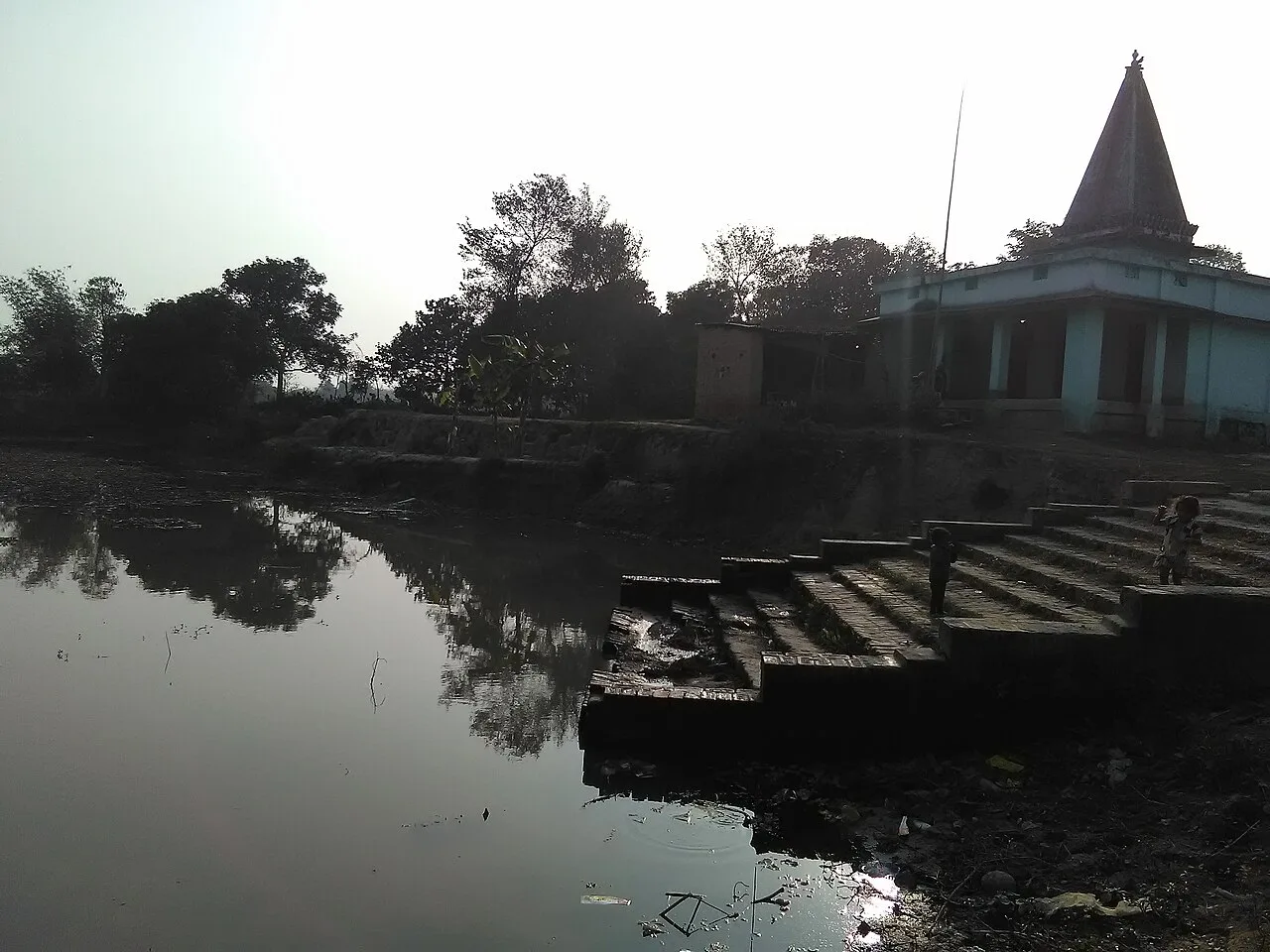
Hindi and Maithili are commonly heard in the area; Urdu is also spoken by some residents. Folk songs, devotional music and family celebrations are part of community life, though Baruari is not known as a major performance or dance centre. Worship takes place at local temples and shrines, alongside mosques and other neighbourhood places of prayer. Visitors should approach religious spaces respectfully and ask locally about access or appropriate visiting customs. Festivals are community occasions, and activities may be centred on homes, neighbourhood gathering places and nearby water bodies rather than formal tourist venues.

Visiting the city

The cooler months, roughly October to March, are generally more comfortable for visiting; monsoon conditions can bring heavy rain and travel disruption in the Kosi region. Darbhanga Airport is a practical nearby airport for air travel, while Patna offers another option with broader connections. Saharsa Junction is the main railway hub for the area, with services linking Saharsa to major cities and towns.

From Saharsa, continue to Baruari by road using local taxis or shared transport; confirm the onward route locally. Explore the settlement on foot where practical, and allow time for Saharsa town for shopping, services and transport connections. Baruari is best approached as a rural visit rather than a sightseeing circuit, so ask residents about local markets and nearby places of interest.

Trips from the city

Nearest places to visit from Baruari

Our closest destination guides, by straight-line distance.

Madhubani

63 km away · Madhubani district

Madhubani

Madhubani is a city in Bihar’s Mithila region and the headquarters of its district. Visitors may be drawn by its regional identity and administrative importance.

Darbhanga

71 km away · Darbhanga district

Darbhanga

Darbhanga is a major city and municipal corporation in Bihar, serving as the administrative centre of its district and division. Visitors encounter a longstanding centre of Mithila’s cultural, literary and musical traditions.

Munger Fort

73 km away · Munger district

Munger Fort

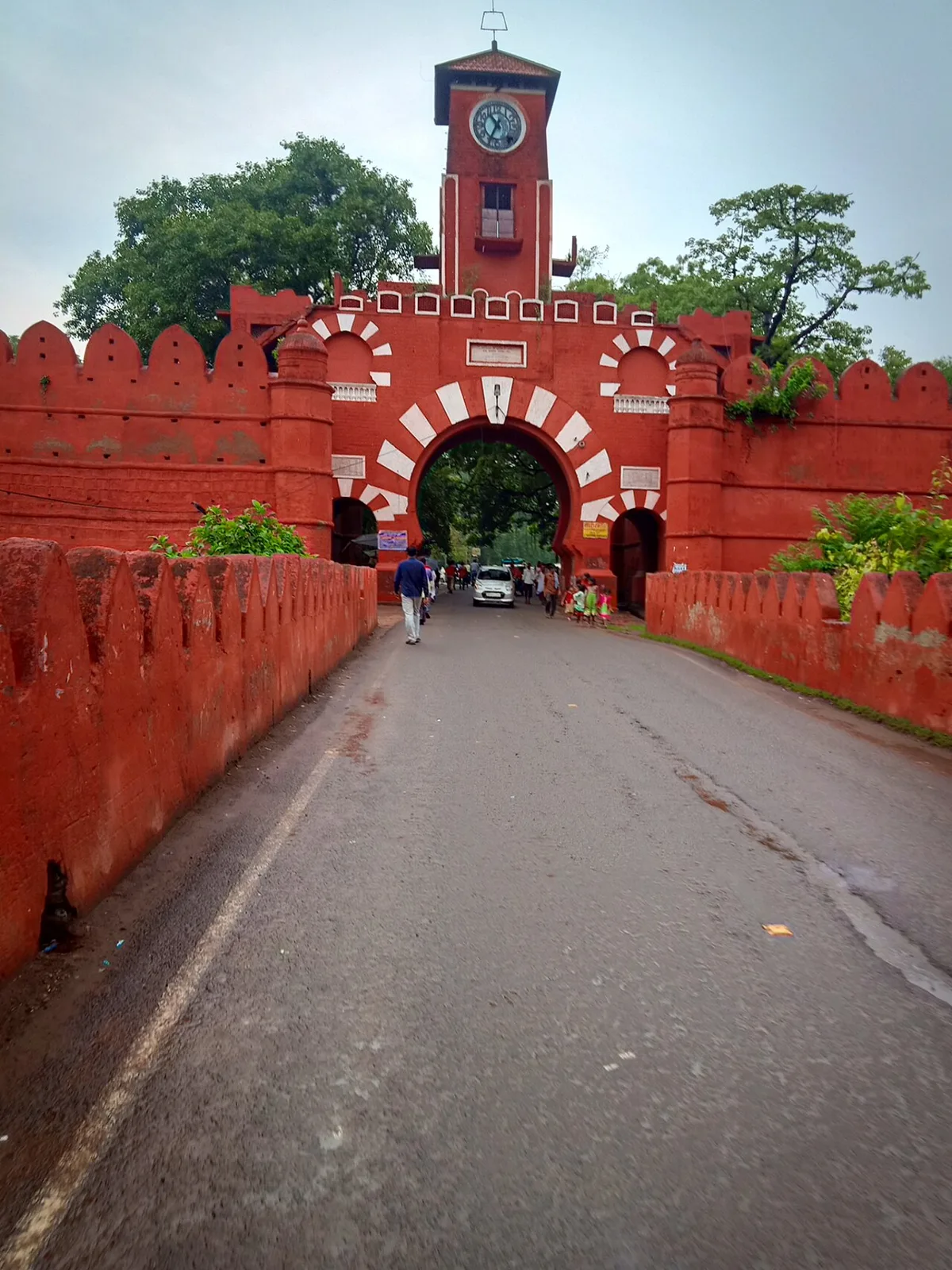
Munger Fort is a historic stronghold in Bihar, set on a rocky rise beside the Ganges. Visitors come to see its tombs, palace, temple, riverside ghat and British-era cemetery.

Bhimbandh Wildlife Sanctuary

94 km away · Munger district

Bhimbandh Wildlife Sanctuary

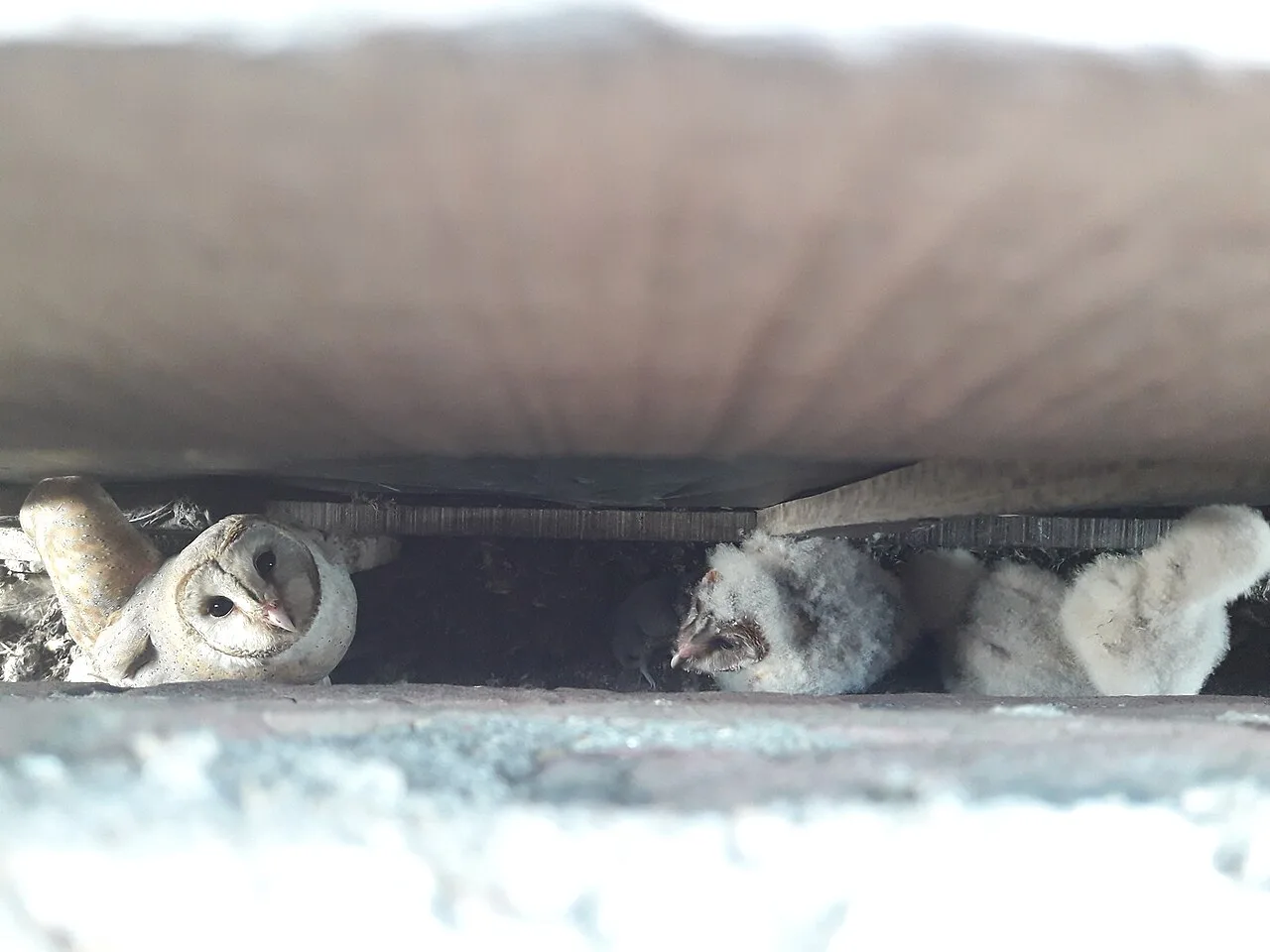
In Bihar’s Munger district, Bhimbandh Wildlife Sanctuary is a sanctuary devoted to wildlife. Visitors come to spend time in this wildlife-focused place in the district’s south-west.

Vikramshila University Ruins

105 km away · Bhagalpur district

Vikramshila University Ruins

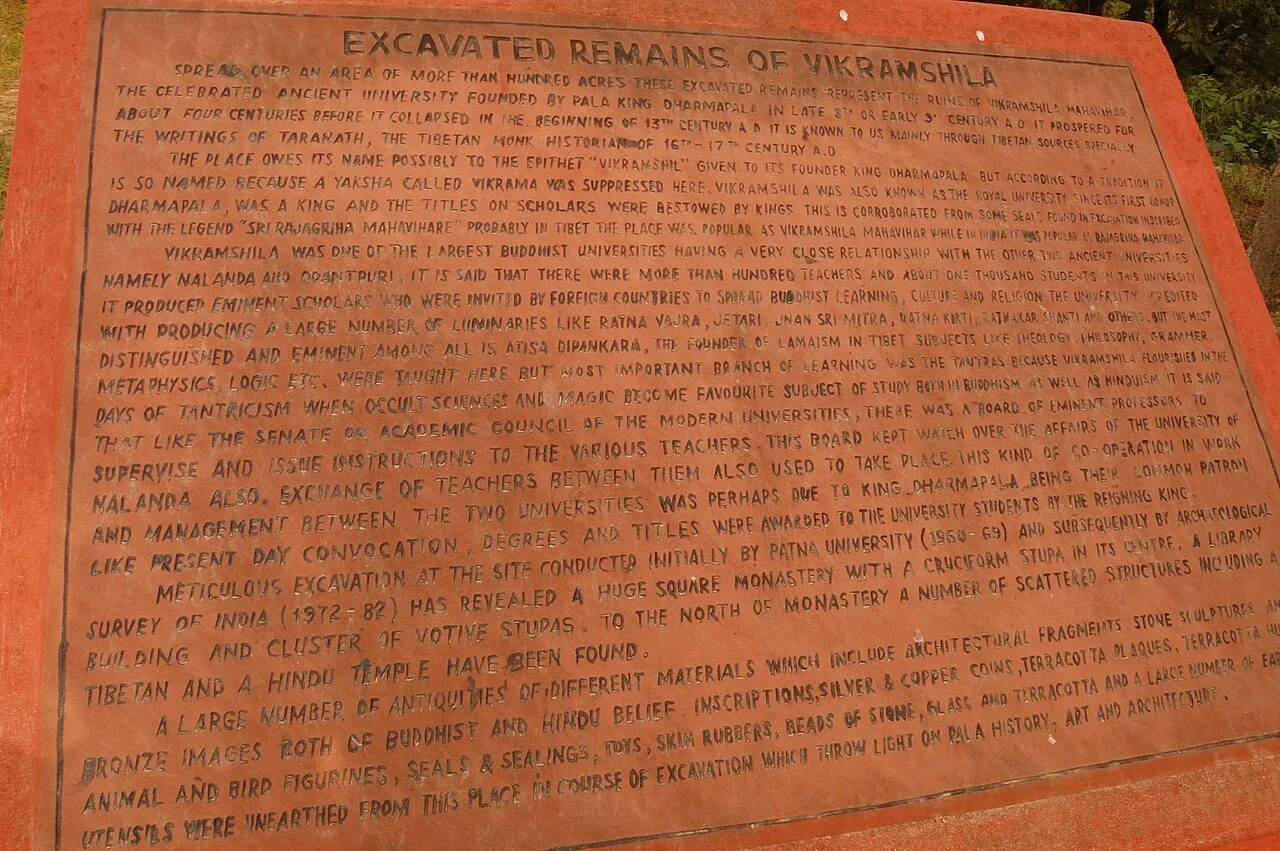
Vikramshila University Ruins mark a major Buddhist centre of learning in Bihar. Visitors come to explore the site and learn about its scholars and place in Buddhist education.

Katihar

113 km away · Purnia district

Katihar

Katihar is a major city in Bihar, known for its regional commercial, educational and administrative roles. Travellers also use it as a railway hub linking routes towards North Bengal and the north-east.

Sitamarhi

126 km away · Sitamarhi district

Sitamarhi

Sitamarhi is a city in Bihar’s Tirhut Division and the administrative centre of its district. Visitors are drawn by the Hindu tradition linking it to Sītā’s birth.

Mandar Hill

139 km away · Bhagalpur district

Mandar Hill

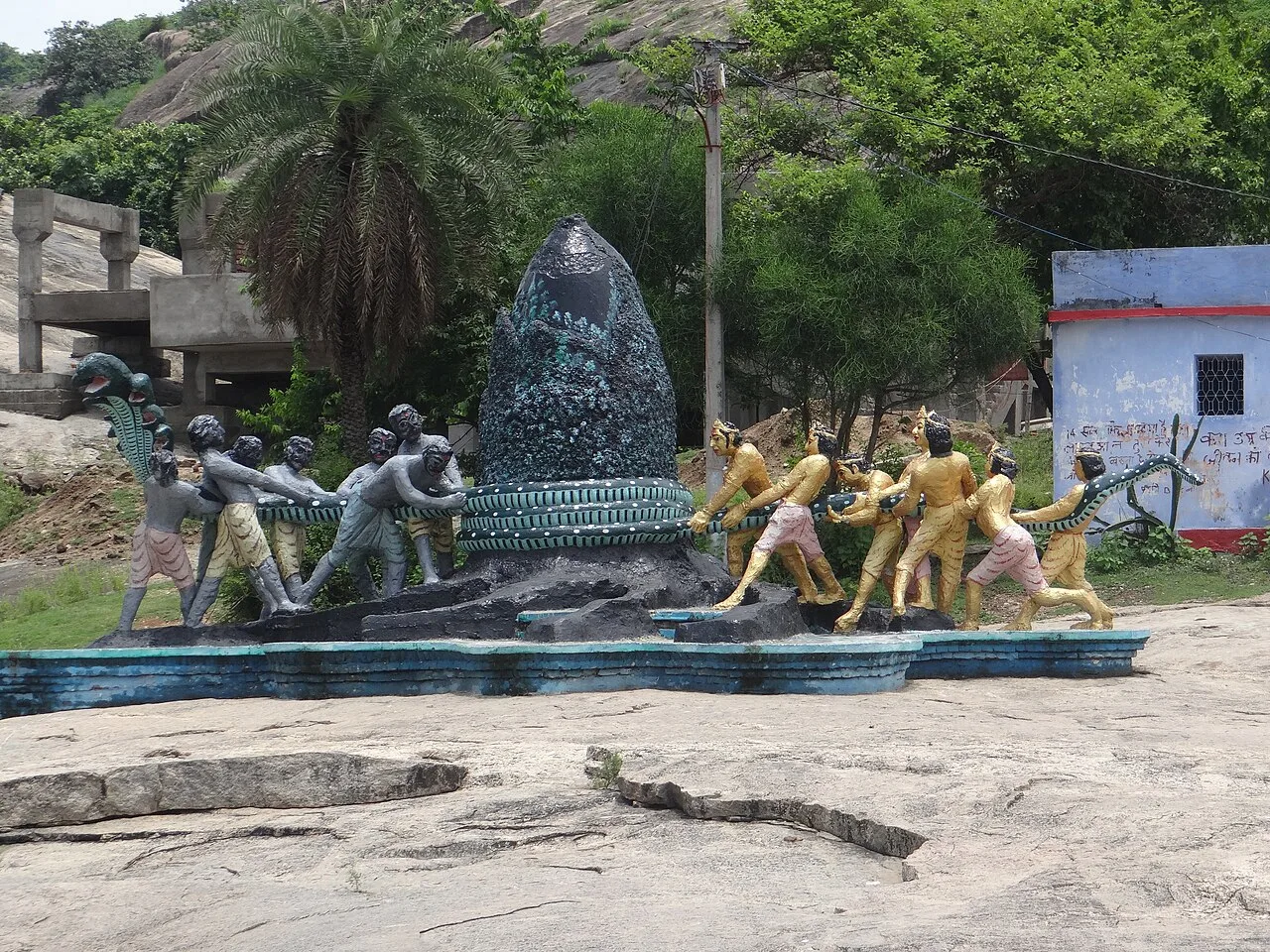
Mandar Hill, also called Mandar Parvat, is a roughly 700-foot hill at Bounsi in Bihar’s Banka district. Hindus and Jains visit it as a place of pilgrimage.

Map

Baruari on the map

  1. 1Madhubani
  2. 2Darbhanga
  3. 3Munger Fort
  4. 4Bhimbandh Wildlife Sanctuary
  5. 5Vikramshila University Ruins
  6. 6Katihar
  7. 7Sitamarhi
  8. 8Mandar Hill

Bihar

Other cities to explore