Ghumoopedia — Explore, Discover, Experience
Sign in

City guide · Bihar

Mairwa

Mairwa is a small town in Siwan district, western Bihar, whose importance comes from its role as the administrative headquarters of Mairwa block and as a local centre for surrounding settlements. Its city council, or nagar panchayat, serves the town’s civic needs, while local shops and services make it a practical stop for people from nearby villages.

Famous for

  • Baba Hari Ram Brahma temple
  • Mairwa block headquarters
  • Siwan district market town
  • Bhojpuri regional culture

Why Mairwa matters

Mairwa is a small town in Siwan district, western Bihar, whose importance comes from its role as the administrative headquarters of Mairwa block and as a local centre for surrounding settlements. Its city council, or nagar panchayat, serves the town’s civic needs, while local shops and services make it a practical stop for people from nearby villages.

The best-known place to visit is the historical temple of Baba Hari Ram Brahma, which gives Mairwa a distinct religious identity and draws worshippers. The town is also a place to experience everyday life in the Bhojpuri-speaking part of Bihar: a busy local market, neighbourhood shrines and the rhythms of a regional service centre rather than a large tourist destination. Visitors generally combine a temple visit with a walk through the market and nearby streets. Mairwa’s appeal is modest but rooted in its local significance, religious tradition and connection to the wider Siwan region.
Famous for: crafts, trade & products

Mairwa is not especially known as a centre for a signature textile, saree, handicraft or GI-tagged product. It is better understood as a local market and service town, where shops cater mainly to residents and people from nearby settlements. Visitors looking for everyday clothing, household items, groceries or locally prepared snacks can explore the town’s central commercial streets and market areas; there is no single specialist shopping district or craft bazaar that defines the town.

The institutions most closely associated with Mairwa’s identity are its city council and its role as the headquarters of Mairwa block. The historical temple of Baba Hari Ram Brahma is its best-known landmark and the principal draw for visitors interested in local religious life. For regionally made goods or a wider choice of shops, travellers may need to enquire locally about current markets in Mairwa or continue to larger commercial centres in Siwan district. Ask sellers about the origin of any item described as locally made, since Mairwa does not have a widely established signature craft trade.

History

Mairwa’s local history is closely tied to its place in the Siwan region and to the religious importance of the temple of Baba Hari Ram Brahma. The temple is regarded as historical, but a firmly established construction date or detailed account of its early patrons is not widely available. It remains the most prominent point of historical and devotional interest in the town.

Mairwa’s growth has chiefly been shaped by its role as a centre for nearby settlements. Its position as the headquarters of Mairwa block and the establishment of a nagar panchayat give it an administrative function, alongside the everyday trade and services that support the surrounding area. There is no well-established account that links the town to a particular ruling dynasty or major colonial-era event, so its history is best approached through its local religious traditions and gradual development as a civic and market centre. Today, the temple, local administration and regional connections continue to shape Mairwa’s identity.

Food, festivals & culture

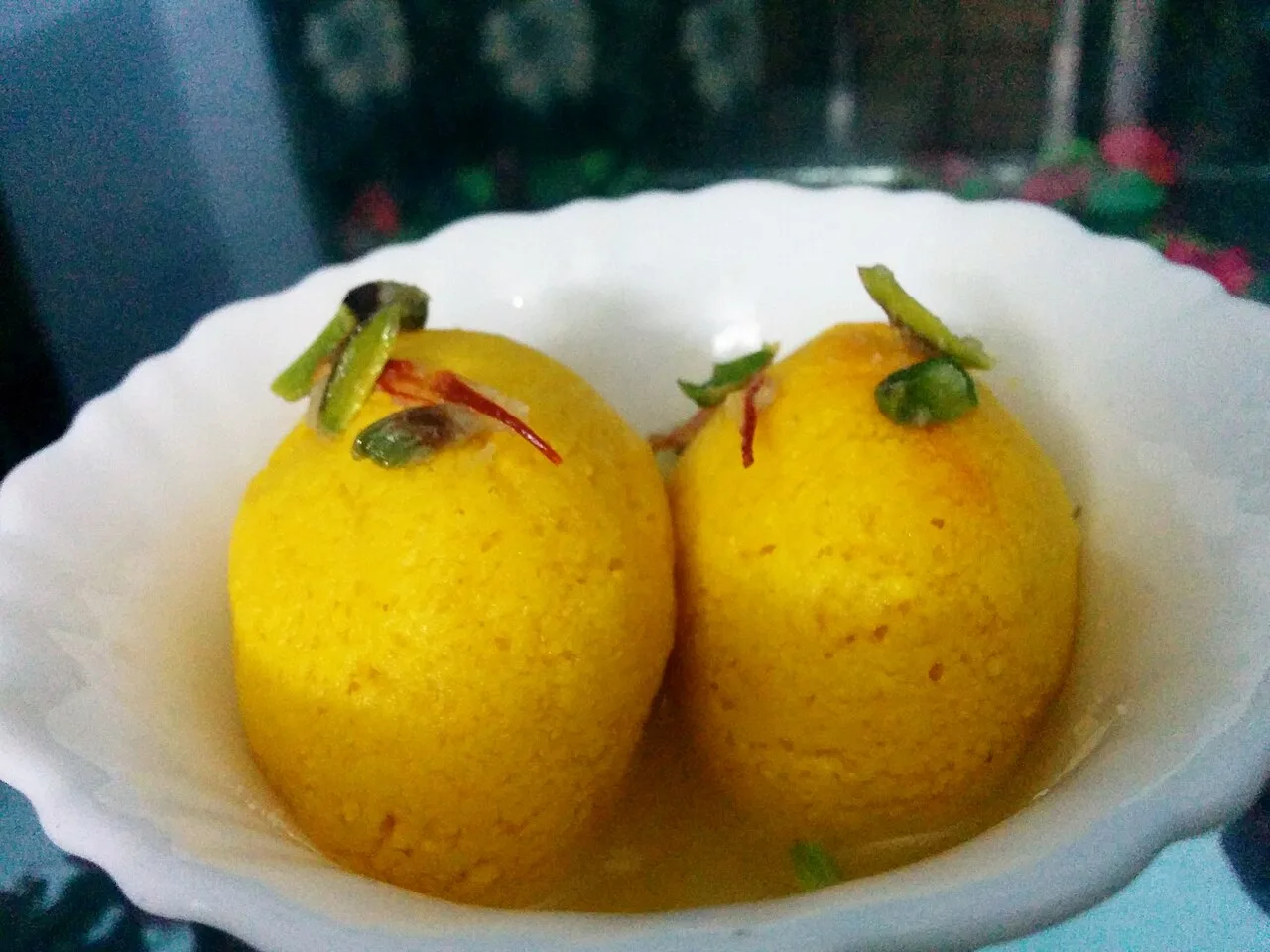
Mairwa shares the food traditions of the Bhojpuri-speaking region of Bihar. Everyday meals commonly draw on rice or wheat, lentils, seasonal vegetables and sattu. Litti-chokha and other simple, filling dishes are familiar regional choices, while the availability of particular sweets and snacks varies by shop and season. Ask at local eateries or market stalls for what is freshly prepared rather than expecting a single dish unique to Mairwa.

Bhojpuri and Hindi are commonly heard in daily life. Chhath, usually celebrated in autumn, is an important festival across the region; Holi in spring and Diwali in autumn are also widely observed. Durga Puja brings seasonal worship and community gatherings in many nearby towns and villages. Bhojpuri folk singing, including songs associated with weddings and the agricultural seasons, forms part of the wider cultural landscape. The temple of Baba Hari Ram Brahma is Mairwa’s best-known place of worship and a focal point for local devotion; visitors should dress respectfully and follow any posted guidance.

Visiting the city

The cooler months, roughly from October to March, are generally the most comfortable time to visit Mairwa. Summers can be very hot, while the monsoon season may bring heavy rain and make road journeys less convenient. Gorakhpur Airport is a commonly used nearby airport; check current flight and onward-transport options before travelling. Mairwa railway station serves the town, and Siwan Junction is a larger nearby rail hub.

Auto-rickshaws and other local vehicles are practical for getting around, though availability can vary. The temple of Baba Hari Ram Brahma is the main landmark to include in a short visit. Explore the central market streets on foot for a feel of local commerce, and ask locally about the best route to the temple and any neighbourhood places of worship. Mairwa works well as a brief stop or as a base for local visits rather than as a destination with extensive visitor infrastructure.

Trips from the city

Nearest places to visit from Mairwa

Our closest destination guides, by straight-line distance.

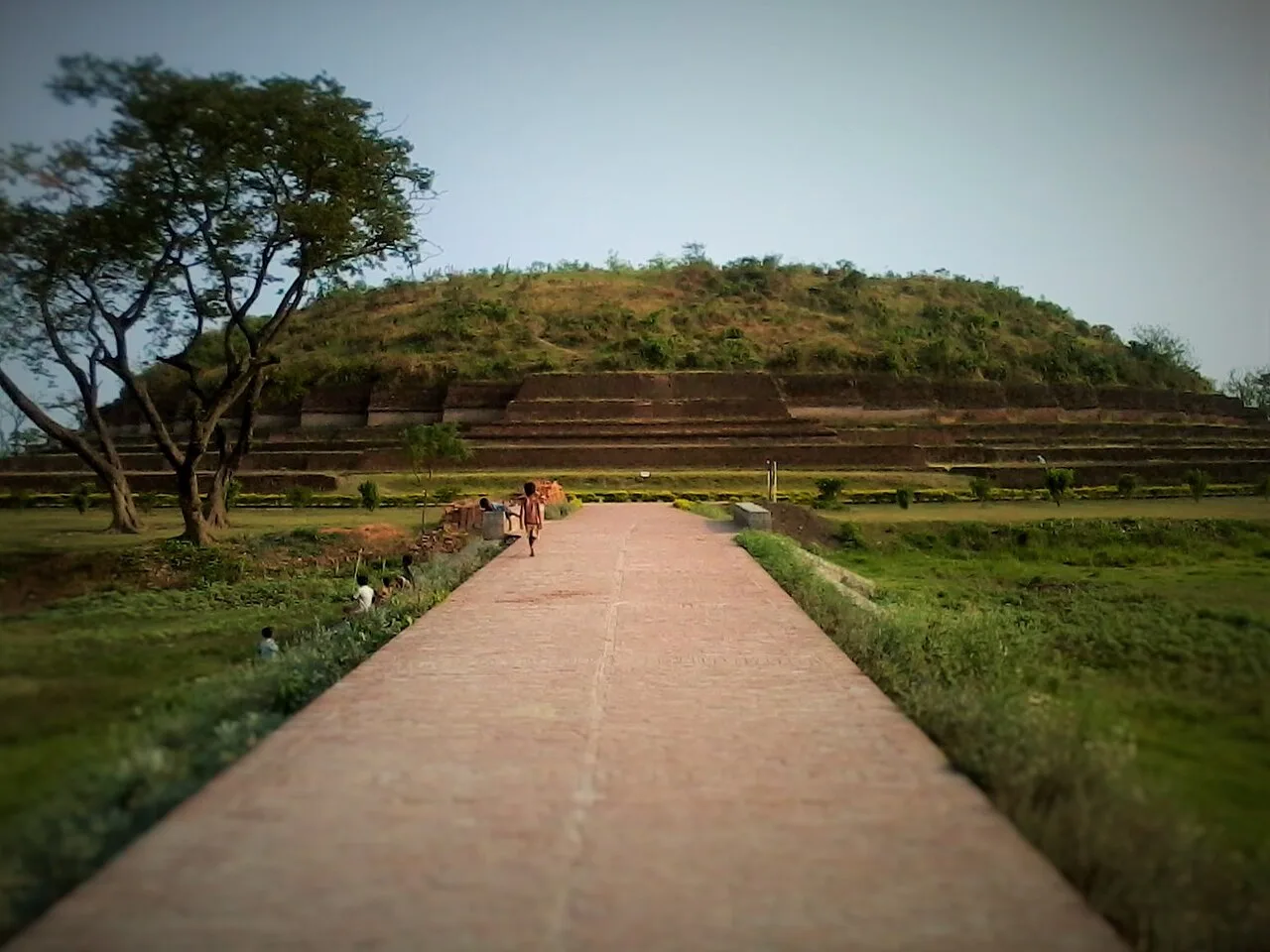
Kesaria stupa

70 km away · East Champaran district

Kesaria stupa

Kesariya Stupa is a Buddhist monument in Bihar’s East Champaran district, at Kesariya near Mehsi. Visitors come to see the structure, whose construction began in the third century BCE.

Buxar Fort

77 km away · Buxar district

Buxar Fort

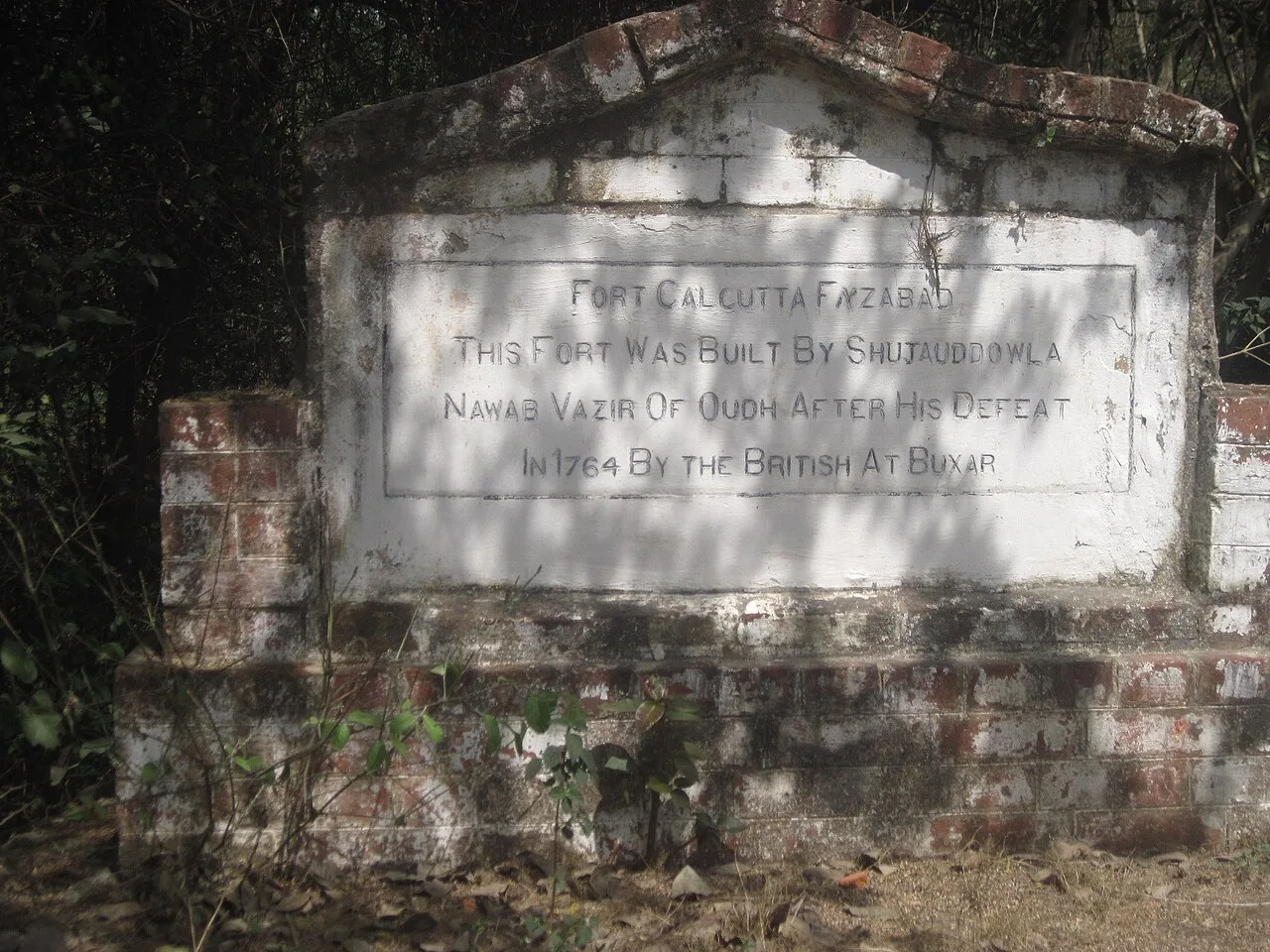
Buxar Fort is a fort in Bihar’s Buxar district, founded by King Rudra Deo. Its history and the city’s religious and cultural associations give visitors context for exploring the area.

Lauria Nandangarh

89 km away · East Champaran district

Lauria Nandangarh

Lauria Nandangarh is a historic settlement in Bihar’s West Champaran district, known for an Ashokan pillar and a nearby mound, with Mauryan-period remains found in the area.

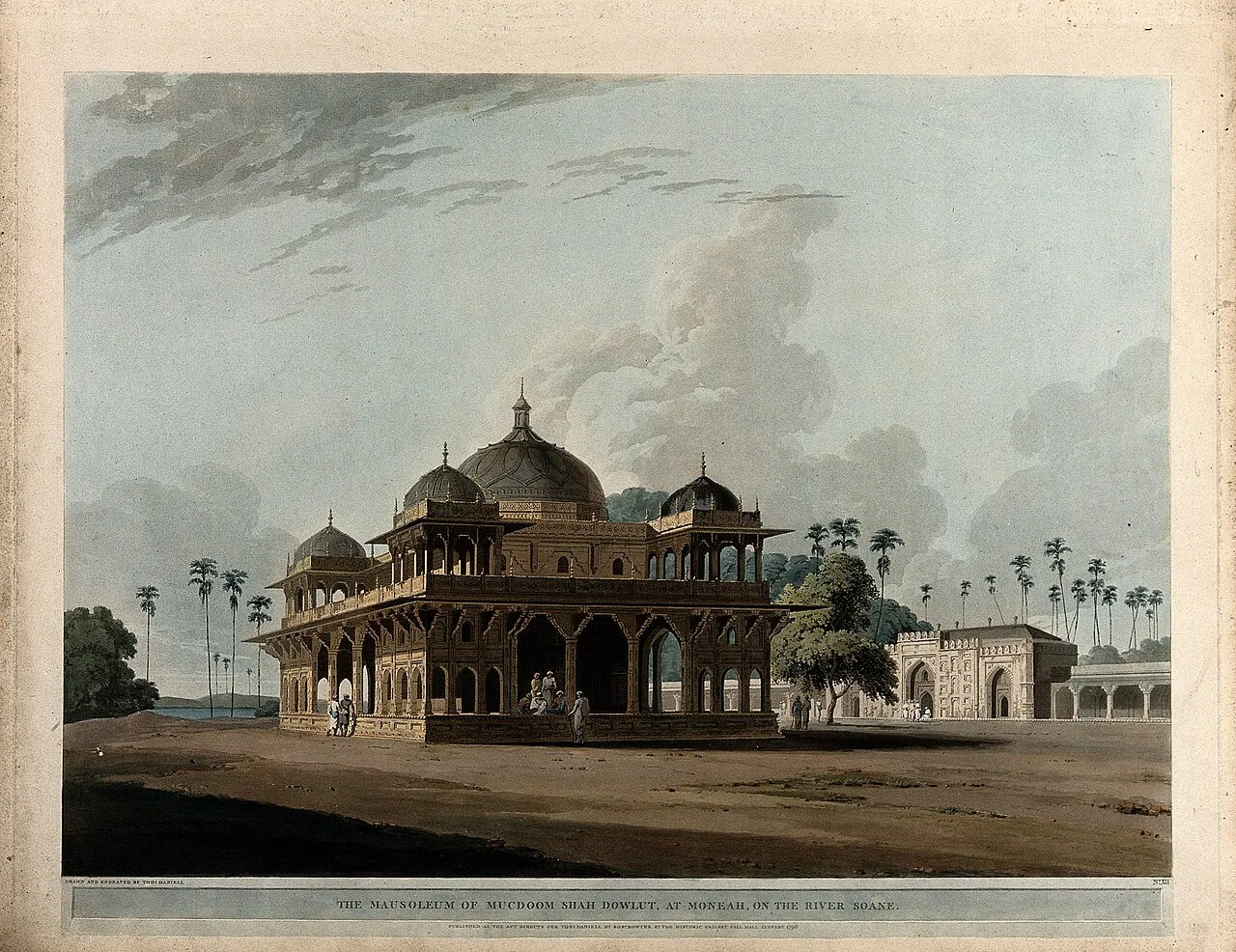
Maner

97 km away · Patna district

Maner

Maner, also called Maner Sharif, is a historic town and administrative block in Bihar’s Patna district. Visitors are drawn by its Mughal-era dargahs and its importance as a Sufi pilgrimage destination.

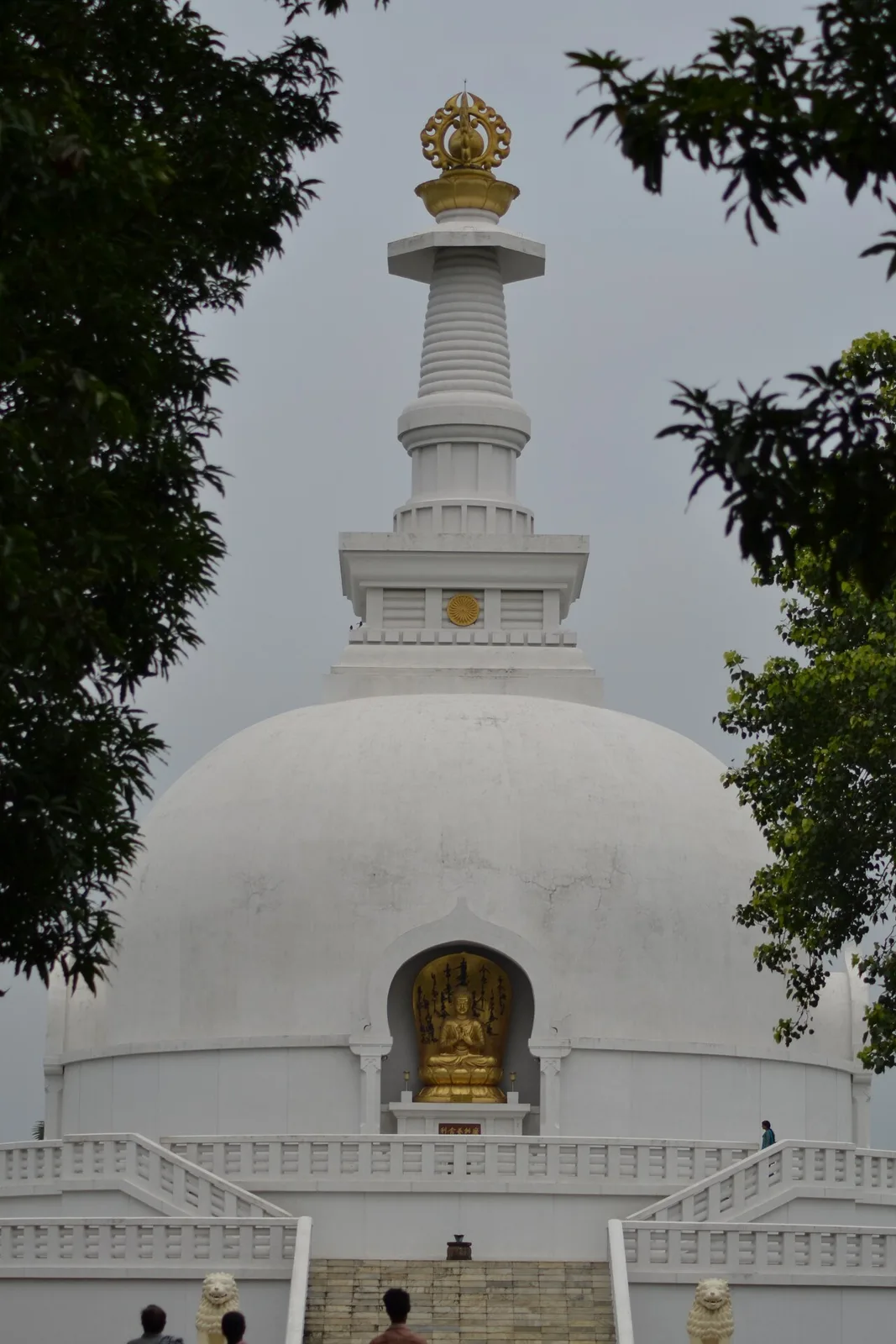
Vaishali

97 km away · Vaishali district

Vaishali

Vaishali is an archaeological site in Bihar associated with an ancient republic and important events in Buddhist and Jain history. Visitors come to see its stupas and Ashokan pillar and to explore these religious connections.

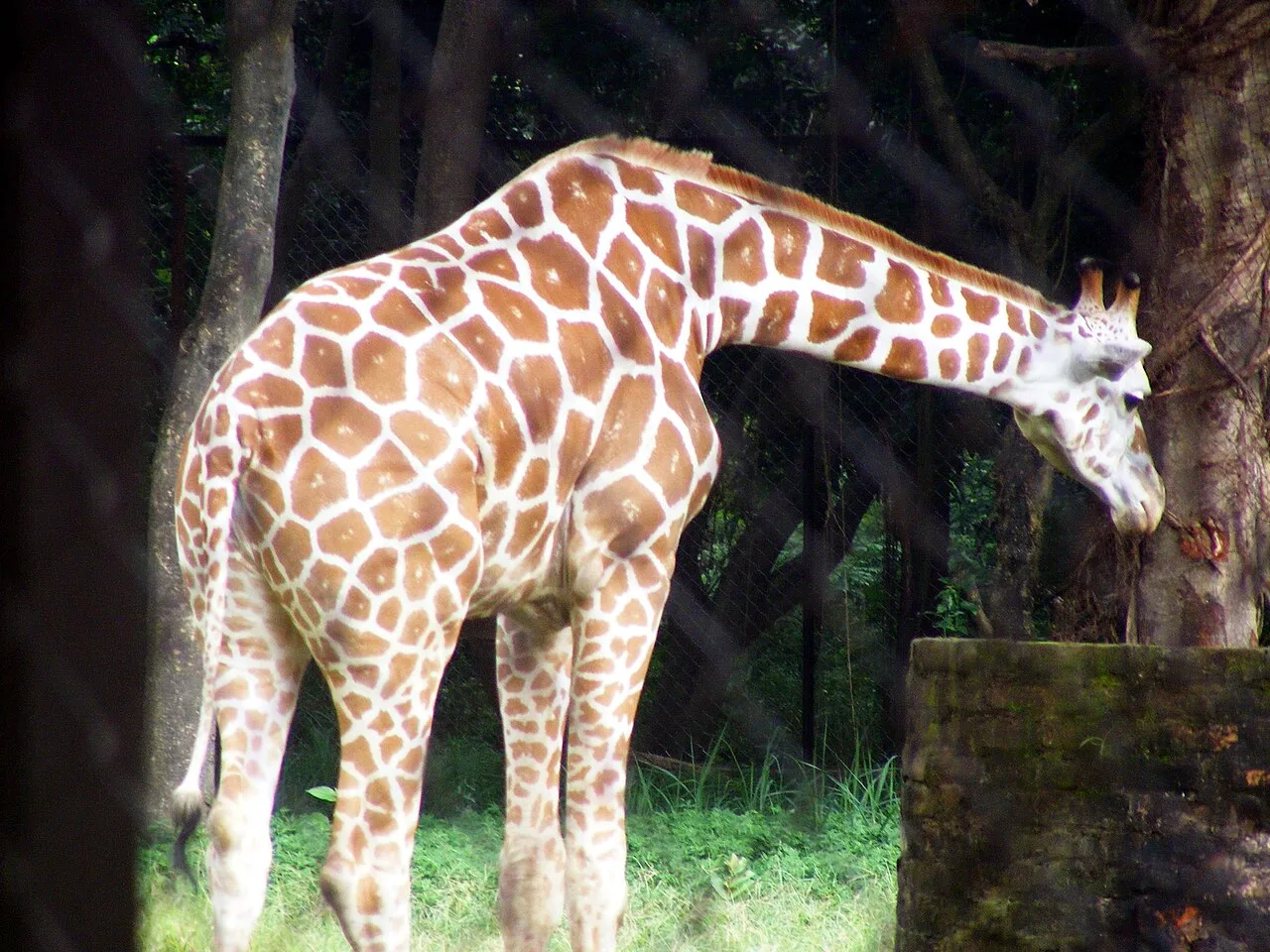
Patna Zoo

117 km away · Patna district

Patna Zoo

Patna Zoo is a zoological park in Bihar’s Patna district, near Bailey Road. People visit for picnics, with particularly large crowds on New Year’s Day.

Bihar Museum

118 km away · Patna district

Bihar Museum

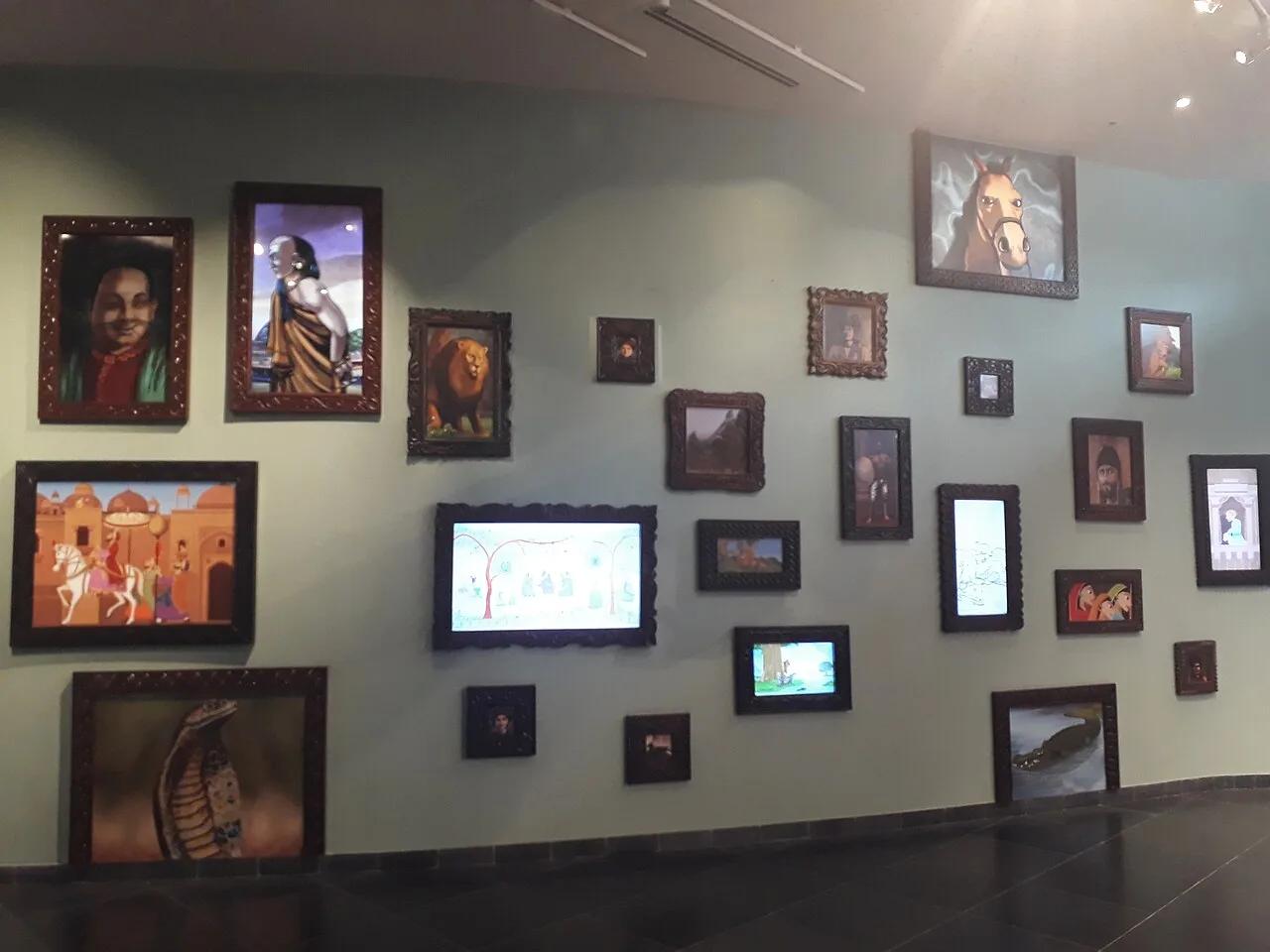
Bihar Museum is Patna’s state museum, with displays on Bihar’s history. Visitors can explore its galleries, children’s museum and distinctive arrangement of buildings and courtyards.

Sonpur

118 km away · Saran district

Sonpur

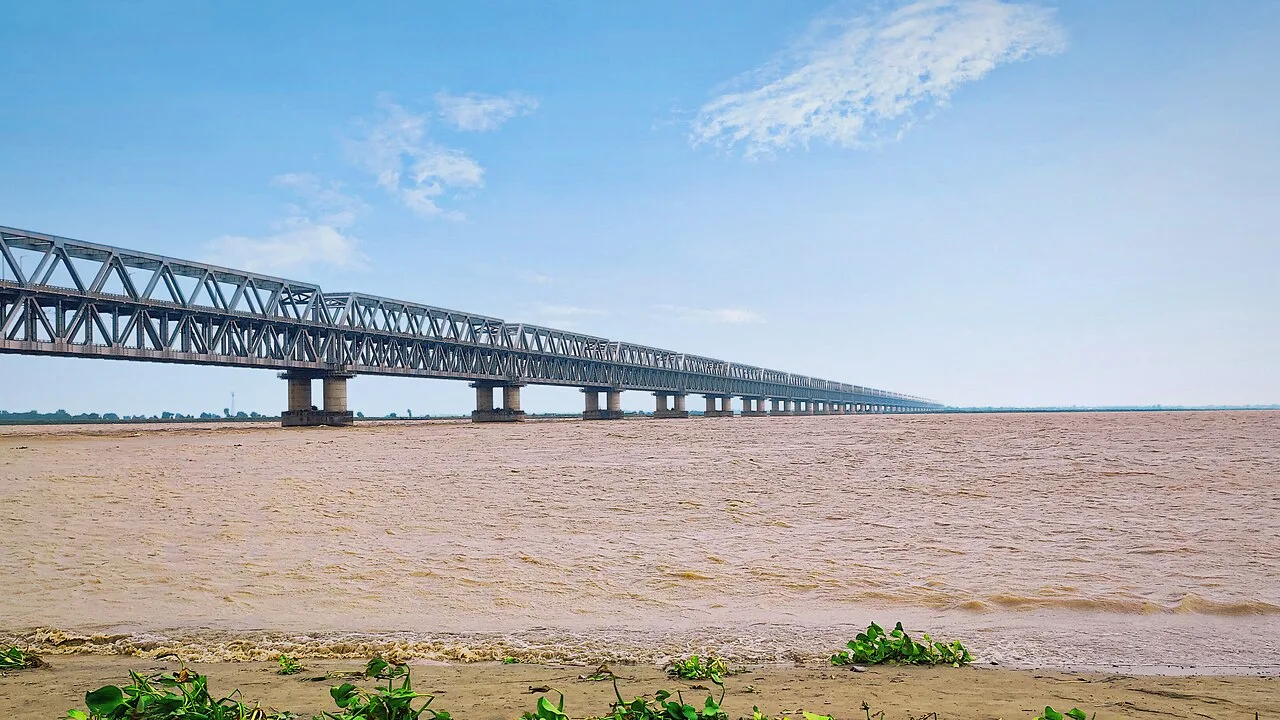
Sonpur, officially known as Sonepur, is a city in Bihar’s Saran district, beside the Gandaki and Ganges rivers. Visitors come for its cattle fair, which begins on Kartik Poornima and is Asia’s largest.

Map

Mairwa on the map

  1. 1Kesaria stupa
  2. 2Buxar Fort
  3. 3Lauria Nandangarh
  4. 4Maner
  5. 5Vaishali
  6. 6Patna Zoo
  7. 7Bihar Museum
  8. 8Sonpur

Bihar

Other cities to explore