Ghumoopedia — Explore, Discover, Experience
Sign in
Mandar Hill, near Puraini

City guide · Bihar

Puraini

Puraini is a small settlement and administrative block in Madhepura district, in the Kosi region of northeastern Bihar. Its importance is chiefly local: it serves nearby villages with everyday services, trading and access to block-level administration.

Famous for

  • Kosi-region agriculture
  • Rural Madhepura life
  • Local weekly markets
  • Nearby Singheshwar shrine

Why Puraini matters

Puraini is a small settlement and administrative block in Madhepura district, in the Kosi region of northeastern Bihar. Its importance is chiefly local: it serves nearby villages with everyday services, trading and access to block-level administration. The surrounding countryside is largely rural, and farming and seasonal markets shape much of daily life. Puraini is not a major tourist city, but it can be a useful base for understanding the villages and rhythms of this part of Bihar.

Visitors are more likely to come for family, local business or a journey through the district than for a cluster of headline attractions. The wider area offers excursions to Madhepura and, for pilgrims, the well-known Singheshwar shrine. The landscape and local experience are closely tied to the Kosi plain, where agriculture, village networks and changing river conditions have influenced settlement and travel. Puraini’s appeal is therefore modest and regional: it provides a glimpse of everyday life beyond Bihar’s larger urban and pilgrimage centres.
Famous for: crafts, trade & products

Puraini is not widely associated with a distinct textile, handicraft, GI-tagged product or large industry. Its local trade is more practical than specialist: village markets and small shops serve residents and surrounding settlements with household goods, produce and daily necessities. Agricultural activity is an important part of the local economy, though crops and market supply vary by season. Visitors should not expect a dedicated craft bazaar or a formally recognised local product outlet.

For an impression of commerce, look around the central market area and ask locally about the day and location of nearby weekly haats, which can bring together vendors and shoppers from surrounding villages. These are useful places to observe everyday exchange and find seasonal produce, snacks and ordinary household items. For a broader range of shops and services, Madhepura is the district’s principal urban centre. Puraini’s identity is best understood through its role as a local service and market point rather than through a particular export, industry or signature craft.

History

Puraini’s story is part of the wider history of the Kosi plain rather than a well-documented account of a major royal capital or colonial town. Across this region, settlement and livelihoods have long been shaped by farming, village connections and the shifting courses and floods of the Kosi river system. These conditions influenced where people lived, how they travelled and how local markets developed. There is no widely established historic monument in Puraini that visitors can use to trace a specific ruling dynasty.

During British rule, the area was administered through the colonial district and revenue system of northern Bihar. After independence, local government and public services expanded through district, subdivision and block institutions. Puraini’s modern role is primarily that of a rural administrative and service centre within Madhepura district. Roads, schools, markets and connections to larger towns have supported its development, while agriculture and nearby village networks remain central to its character. For deeper regional context, visitors can explore Madhepura and other established centres in the district.

Food, festivals & culture

Daily food in Puraini reflects the wider Bihar countryside: rice, lentils, seasonal vegetables and preparations using wheat or sattu are common choices. Litti and chokha are familiar regional foods, but should be treated as part of a broader Bihar food culture rather than a dish unique to Puraini. Small eateries and market vendors are the most practical places to look for everyday meals and snacks; offerings vary. There is no widely recognised local sweet speciality associated specifically with the town.

Chhath Puja, observed mainly in autumn, is an important festival across Bihar, while Holi in spring and Diwali in autumn are also widely celebrated. Eid and other religious observances are part of the area’s varied community life. Maithili and Hindi are commonly heard, alongside other regional speech. Festival and devotional songs are more prominent than formal performance venues, and local music and dance are often tied to religious occasions and community gatherings. Temples and mosques serve local worshippers; visitors seeking a prominent pilgrimage site can make an excursion to Singheshwar in Madhepura district.

Visiting the city

The cooler, drier months, roughly October to March, are generally the most comfortable for a visit. Summer can be hot, and monsoon rain may make rural journeys slower. Darbhanga Airport is a major nearby airport option; check current flight connections before planning. Madhepura railway station is a useful railhead for the area, while Murliganj may also suit some routes. From either, continue by road toward Puraini; travel times and connections vary.

Local buses, shared autos and hired vehicles are practical ways to move between settlements, though services may be less frequent outside busy periods. In Puraini, explore the central market and nearby village roads for an everyday view of local life. Madhepura offers a broader range of services, and Singheshwar is a possible pilgrimage excursion. Confirm road conditions and local transport arrangements on arrival, especially during the rainy season.

Trips from the city

Nearest places to visit from Puraini

Our closest destination guides, by straight-line distance.

Mandar Hill

34 km away · Bhagalpur district

Mandar Hill

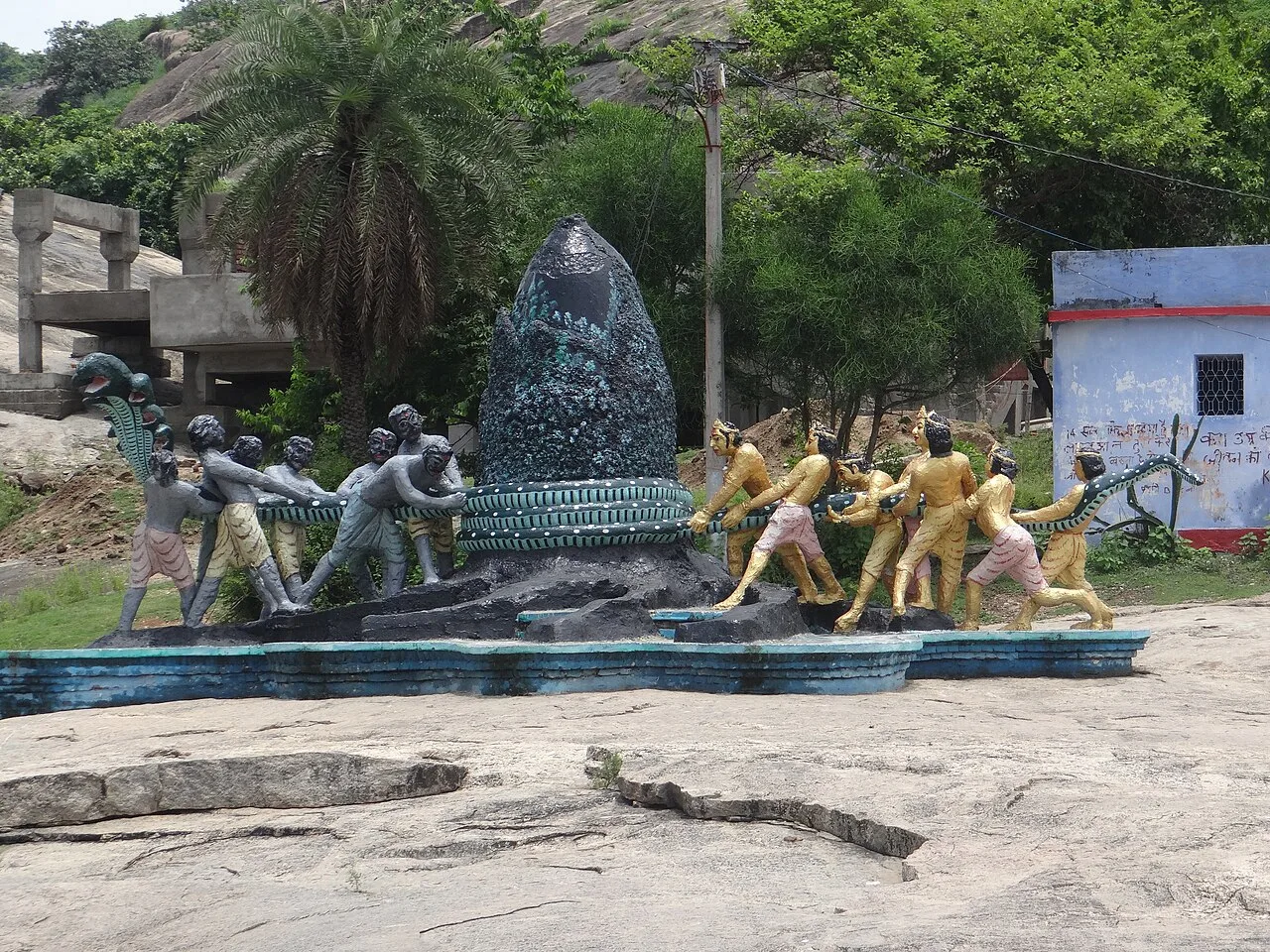
Mandar Hill, also called Mandar Parvat, is a roughly 700-foot hill at Bounsi in Bihar’s Banka district. Hindus and Jains visit it as a place of pilgrimage.

Vikramshila University Ruins

37 km away · Bhagalpur district

Vikramshila University Ruins

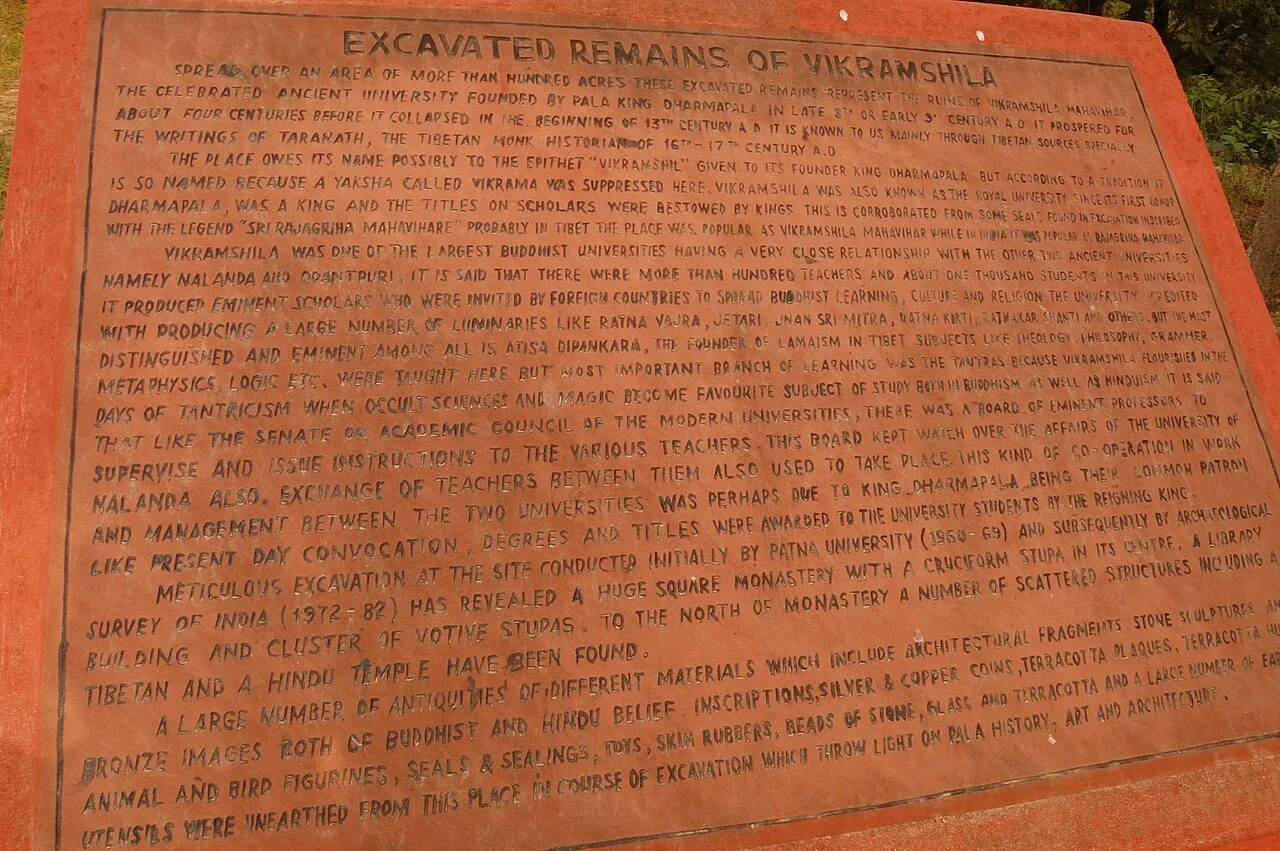
Vikramshila University Ruins mark a major Buddhist centre of learning in Bihar. Visitors come to explore the site and learn about its scholars and place in Buddhist education.

Munger Fort

58 km away · Munger district

Munger Fort

Munger Fort is a historic stronghold in Bihar, set on a rocky rise beside the Ganges. Visitors come to see its tombs, palace, temple, riverside ghat and British-era cemetery.

Bhimbandh Wildlife Sanctuary

71 km away · Munger district

Bhimbandh Wildlife Sanctuary

In Bihar’s Munger district, Bhimbandh Wildlife Sanctuary is a sanctuary devoted to wildlife. Visitors come to spend time in this wildlife-focused place in the district’s south-west.

Katihar

74 km away · Purnia district

Katihar

Katihar is a major city in Bihar, known for its regional commercial, educational and administrative roles. Travellers also use it as a railway hub linking routes towards North Bengal and the north-east.

Vishwa Shanti Stupa

125 km away · Gaya district

Vishwa Shanti Stupa

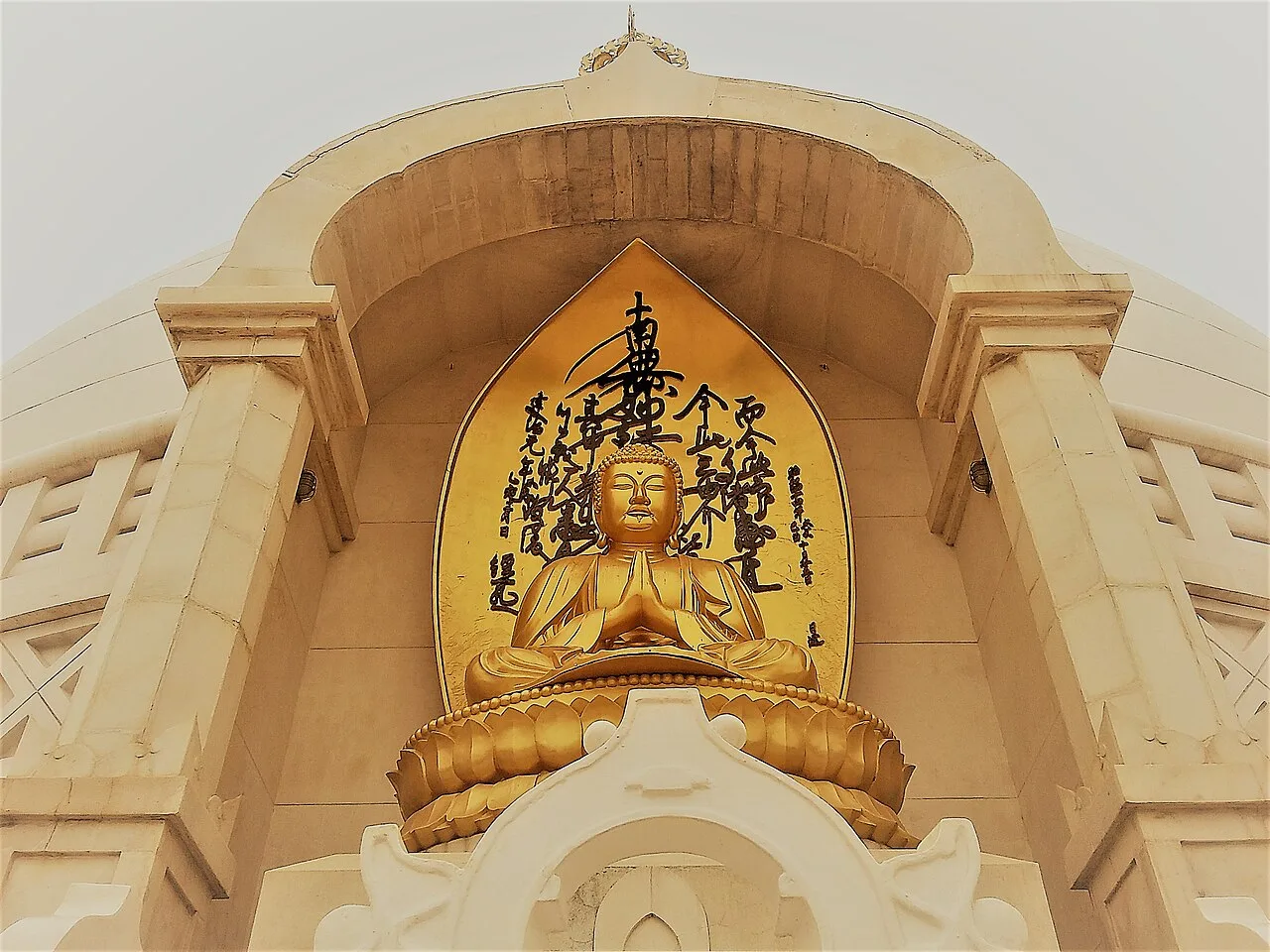
Vishwa Shanti Stupa is a white Buddhist pagoda in Rajgir, visited for its Buddha statues, nearby Japanese temple and park, and prayers for peace.

Kakolat Falls

145 km away · Nawada district

Kakolat Falls

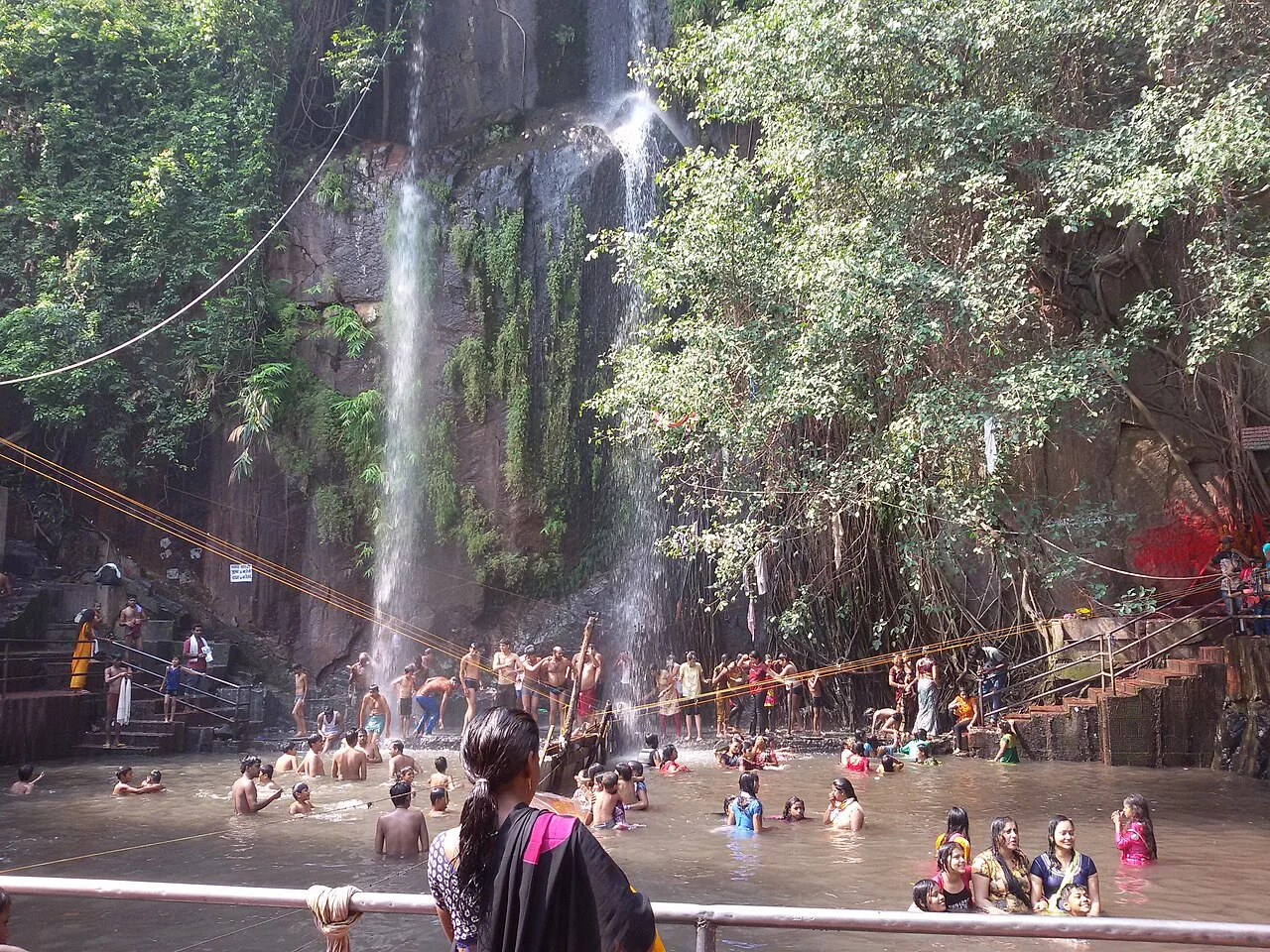
Kakolat Falls is a waterfall in Bihar’s Nawada district. Visitors come to see the falling water, making it a destination centred on this natural feature.

Pawapuri

145 km away · Gaya district

Pawapuri

Pawapuri, also called Pavapuri, is a Jain sacred site in Bihar’s Nalanda district. People travel there on pilgrimage because it is associated with Mahavira’s nirvana.

Map

Puraini on the map

  1. 1Mandar Hill
  2. 2Vikramshila University Ruins
  3. 3Munger Fort
  4. 4Bhimbandh Wildlife Sanctuary
  5. 5Katihar
  6. 6Vishwa Shanti Stupa
  7. 7Kakolat Falls
  8. 8Pawapuri

Bihar

Other cities to explore