Ghumoopedia — Explore, Discover, Experience
Sign in
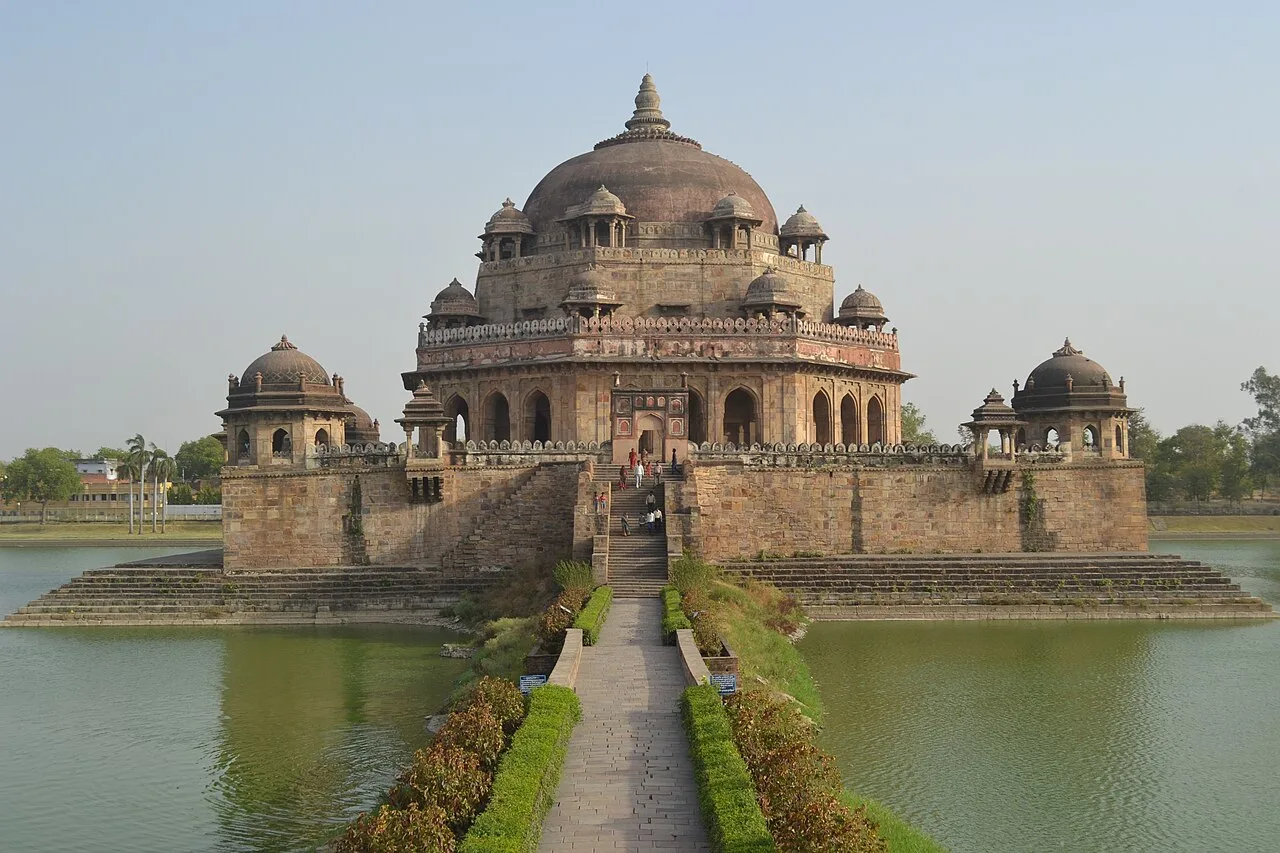
Tomb of Sher Shah Suri, near Bikramganj

City guide · Bihar

Bikramganj

Bikramganj is a market town and nagar parishad in Rohtas district, serving the fertile agricultural belt of north-central Bihar. Its importance comes from its position at Bikramganj Chowk, where routes linking Patna with Sasaram and Buxar with Dehri and Dumraon meet.

Famous for

  • Rice and pulses
  • Katarni rice
  • Bikramganj Chowk trade
  • Chhath celebrations
  • Litti with chicken
  • Chhena ka khurma

Why Bikramganj matters

Bikramganj is a market town and nagar parishad in Rohtas district, serving the fertile agricultural belt of north-central Bihar. Its importance comes from its position at Bikramganj Chowk, where routes linking Patna with Sasaram and Buxar with Dehri and Dumraon meet. The town connects nearby villages with shops, banks, transport and other everyday services, and also functions as the centre of a community development block.

The surrounding irrigated fields support rice and pulse cultivation; the area is associated with Katarni rice and is part of a district often called Bihar’s rice bowl. Visitors are more likely to come for local trade, regional food and festival life than for a major monument or resort. The Kaai River passes through the town on its way towards the Ganges near Buxar. Bikramganj is also a practical base for exploring nearby places such as Suryapura, Karakat, Koath and Sanjhauli, with the character of the town shaped by its links to the surrounding countryside.
Famous for: crafts, trade & products

Bikramganj’s best-known products are agricultural. Rice and pulses are central to the local economy, and Katarni rice is a recognised variety grown in the region. The town serves as a trading and service centre for the surrounding farming area, with everyday buying and selling concentrated around Bikramganj Chowk and nearby market streets. Local shops and traders are the most useful places to look for regional food staples and seasonal produce.

The city is not especially identified with a signature textile, handicraft industry or a named GI-tagged product. Its commercial character is more practical than destination-shopping oriented: markets supply residents and nearby villages, while banks and other services support local business. For visitors, a walk around the central bazaar offers a glimpse of this role and may be a good place to ask about locally grown rice. Specific products and availability can vary by season, so the market is a better guide than expecting a dedicated craft district or specialist showroom.

History

Bikramganj developed as a historic commercial centre at the meeting point of important regional routes. Its crossroads linked Patna and Sasaram with Buxar, Dehri and Dumraon, making the town a natural place for exchange between agricultural villages and larger centres. The surrounding fertile, irrigated land helped sustain this role, particularly through rice and pulse production.

The available picture of the town’s past is chiefly one of trade and regional connectivity; a particular ruling dynasty or a specific colonial-era event is not established in the commonly known account of its history. In the modern period, Bikramganj has grown as both a nagar parishad and the headquarters area of a community development block, with markets, banks and transport serving the town and nearby settlements. Rail access on the Dehri Road line strengthened its links with places including Sasaram and Patna. Its contemporary identity remains closely tied to commerce, agriculture and its position within Rohtas district.

Food, festivals & culture

Food reflects the town’s connection to Bihar’s countryside. Litti with chicken is a local speciality, while chhena ka khurma is a sweet associated with the area. Rice and pulses are everyday staples, and locally grown rice varieties are part of the region’s agricultural identity. Small eateries and market-side food stalls are good places to look for familiar regional dishes, though menus vary.

Hinduism is the majority religion, and Chhath is a major festival, usually observed in the autumn and again in spring according to the Hindu calendar. Devotees offer prayers to the setting and rising sun, with ritual songs forming an important part of the observance. Other Hindu festivals are marked through household and community gatherings. Hindi and Bhojpuri are commonly used in daily life. Folk songs and devotional music are part of local celebrations; worship is centred on neighbourhood temples and festival prayer settings rather than on a single widely known pilgrimage site.

Visiting the city

The cooler months from October to March are generally the most comfortable for a visit. Summers can be hot, while the humid subtropical climate brings a rainy monsoon season. The nearest major airport is Jay Prakash Narayan International Airport in Patna. The town’s railway station is Bikramganj, on the Dehri Road line, with connections towards nearby regional centres.

Auto-rickshaws and local road transport are useful for getting around. Start at Bikramganj Chowk and explore the central market streets for everyday commerce and food. The town’s agricultural surroundings and the route by the Kaai River offer a sense of its rural setting. Nearby Suryapura, Karakat, Koath and Sanjhauli can be considered for regional excursions; check local transport availability before setting out.

Trips from the city

Nearest places to visit from Bikramganj

Our closest destination guides, by straight-line distance.

Tomb of Sher Shah Suri

38 km away · Rohtas district

Tomb of Sher Shah Suri

Sher Shah Suri’s mausoleum in Sasaram, Bihar, is noted for its lake setting and distinctive octagonal form. Visitors come to see a major example of Indo-Islamic architecture and an important monument of the region.

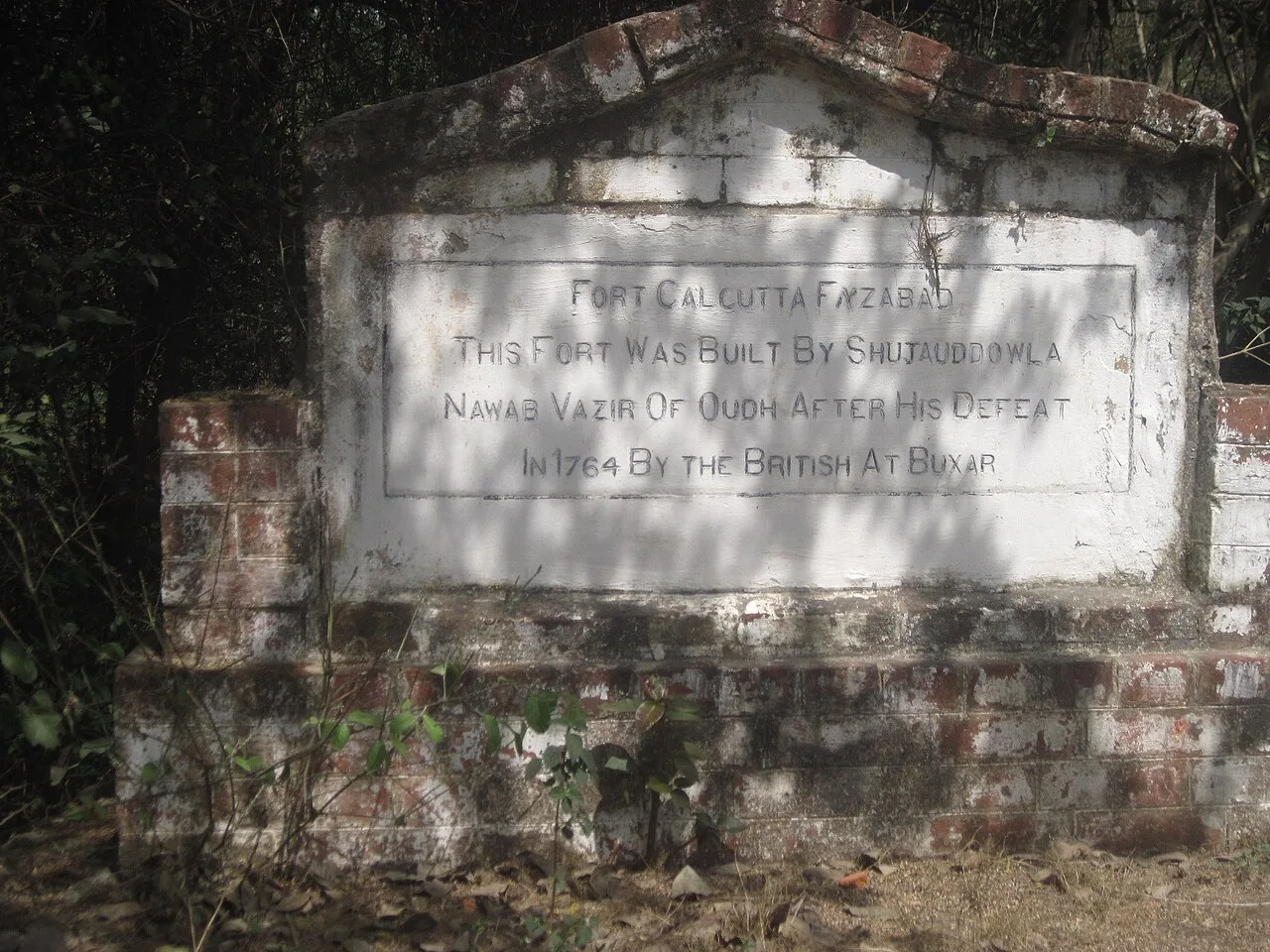
Buxar Fort

48 km away · Buxar district

Buxar Fort

Buxar Fort is a fort in Bihar’s Buxar district, founded by King Rudra Deo. Its history and the city’s religious and cultural associations give visitors context for exploring the area.

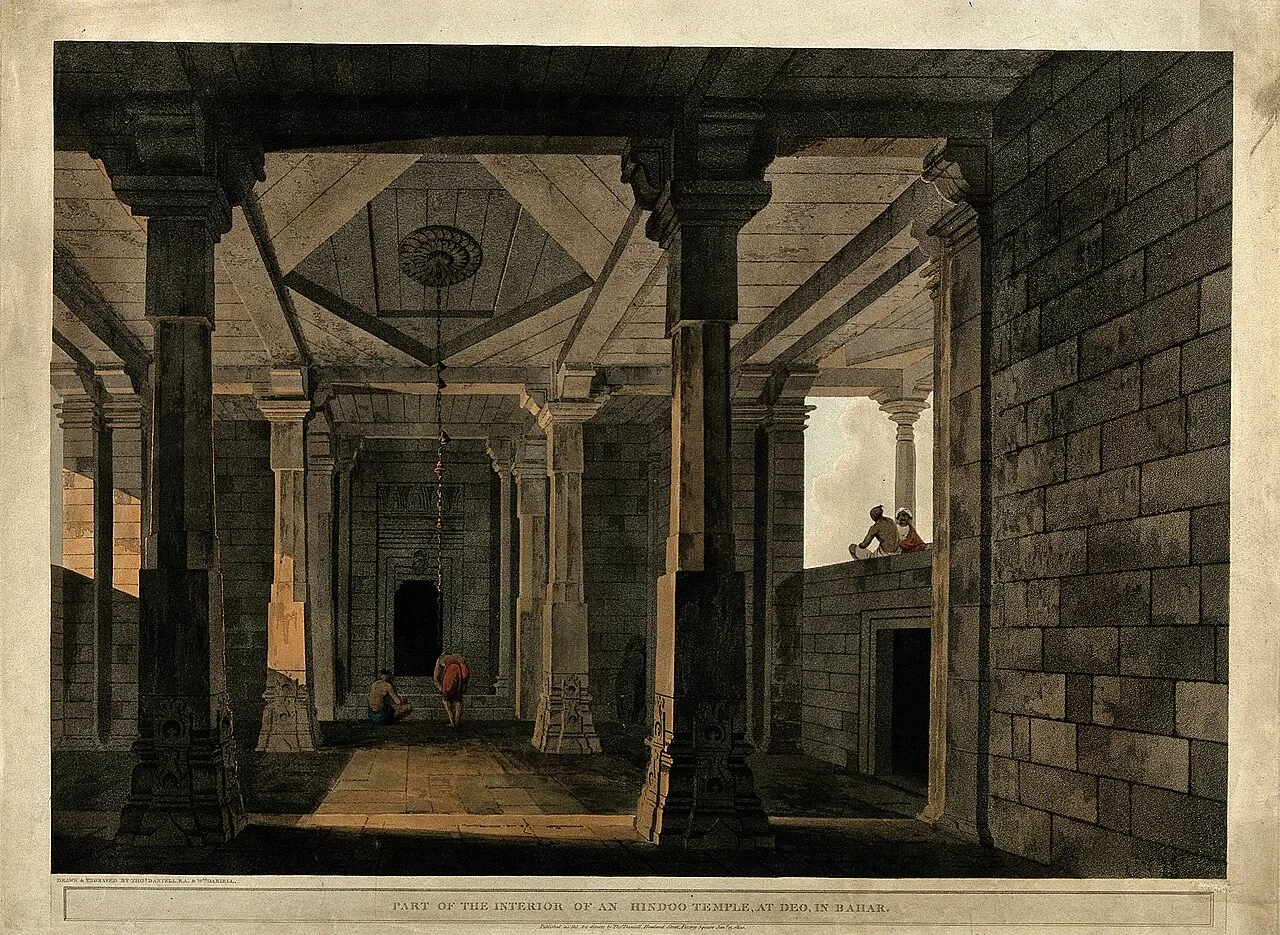
Deo

64 km away · Aurangabad district

Deo

Deo, also called Dev, is a town and local civic area in Bihar’s Aurangabad district. Visitors seeking the settlement can find it about 10 km southeast of Aurangabad, the district’s administrative centre.

Mundeshwari Temple

74 km away · Kaimur district

Mundeshwari Temple

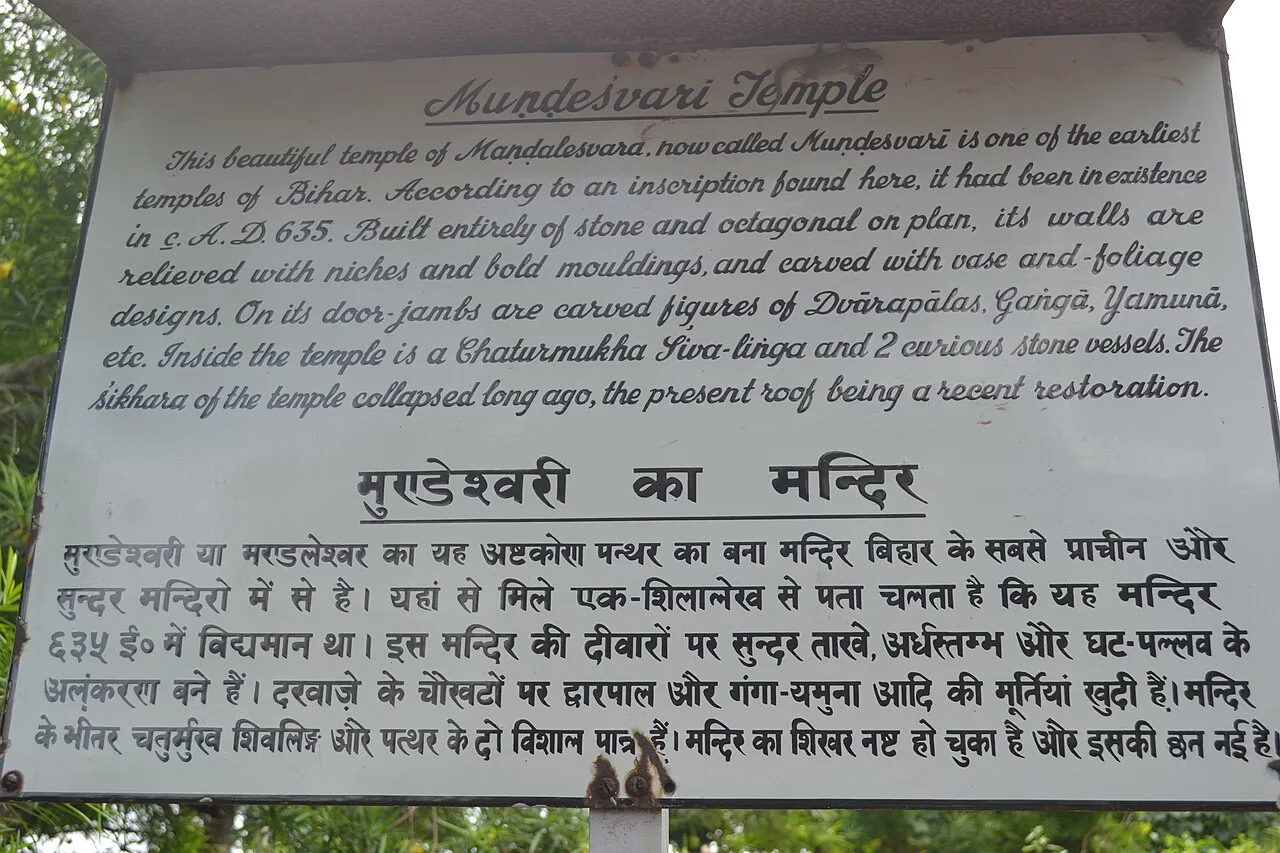
Mundeshwari Temple is a Hindu place of worship in Bihar’s Kaimur district, associated with Durga and Shiva. Visitors come to worship and explore its ancient shrine and debated history.

Rohtas Fort

74 km away · Rohtas district

Rohtas Fort

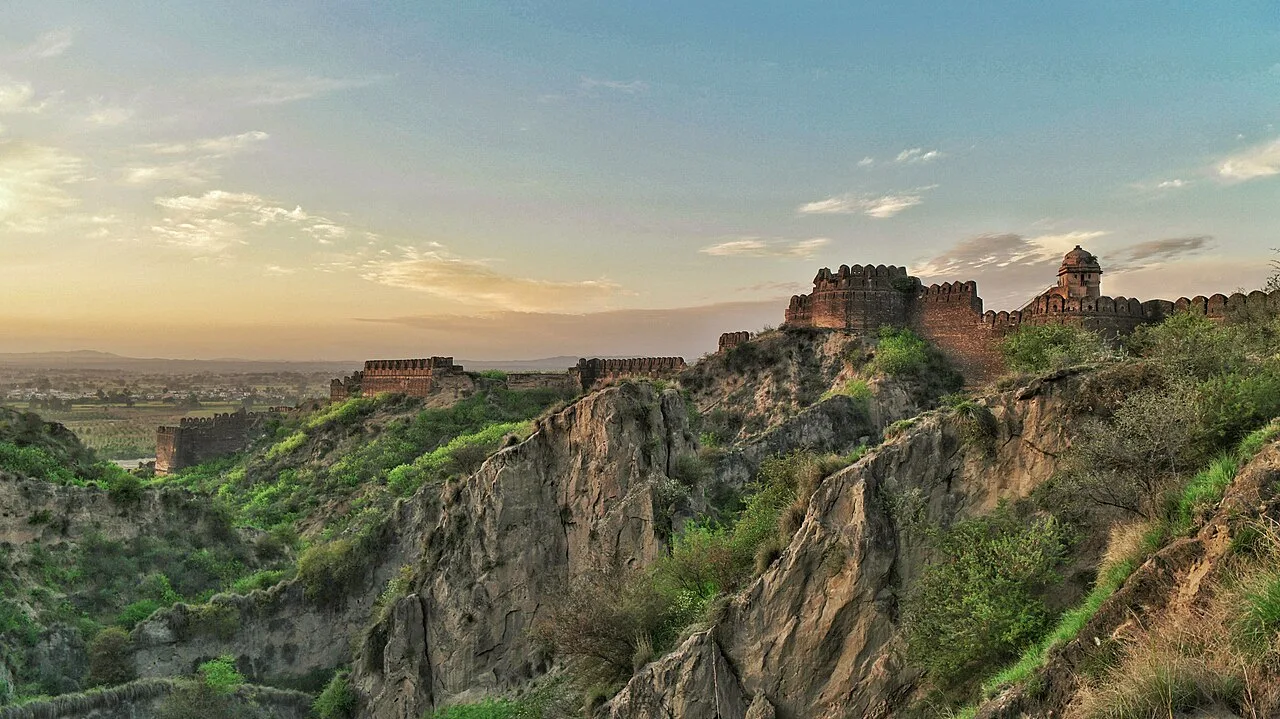
Rohtas Fort, also known as Rohtasgarh, stands in Rohtas town, within Bihar’s Rohtas district. Visitors come to see the fort in its setting in the Son River valley.

Maner

80 km away · Patna district

Maner

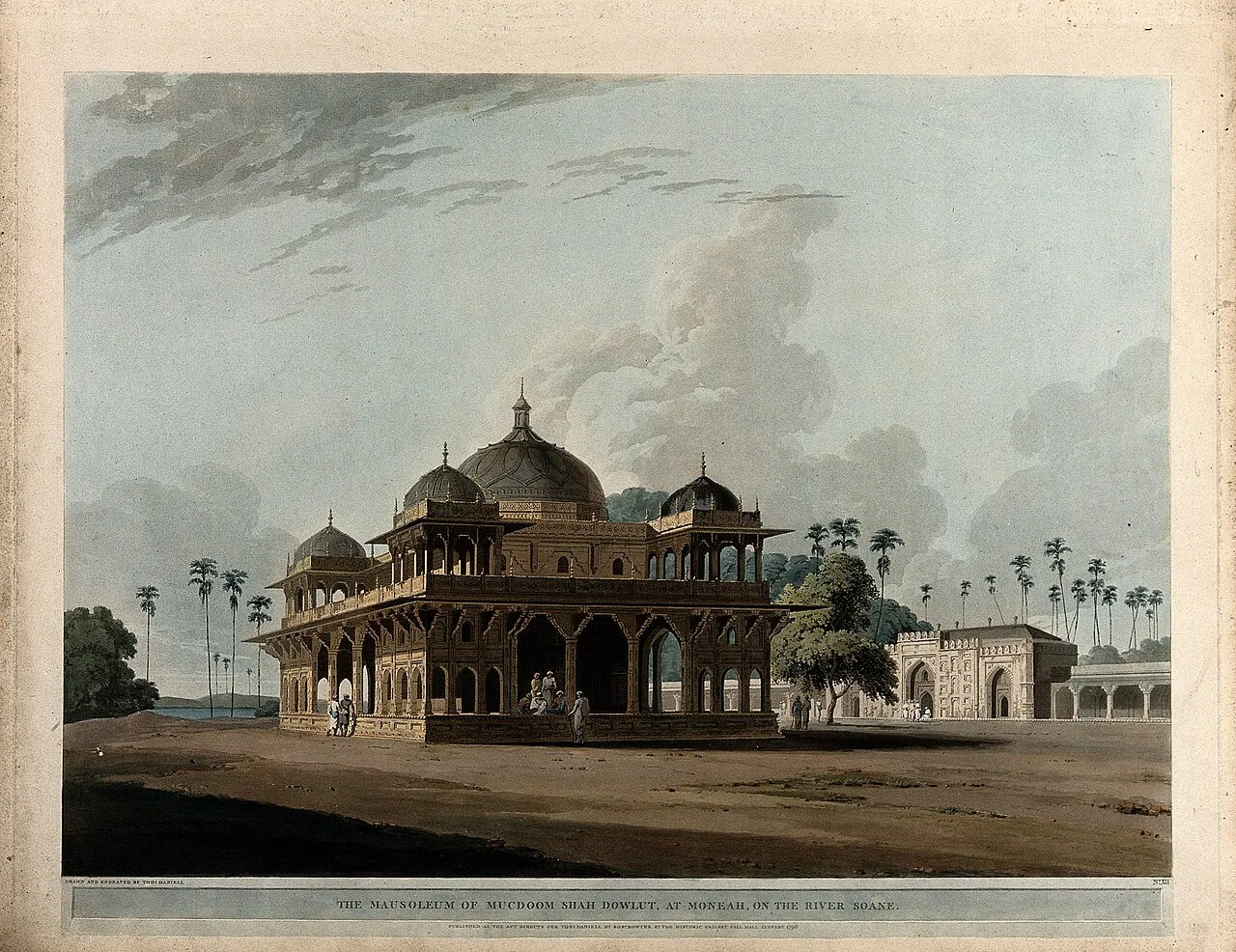
Maner, also called Maner Sharif, is a historic town and administrative block in Bihar’s Patna district. Visitors are drawn by its Mughal-era dargahs and its importance as a Sufi pilgrimage destination.

Barabar Caves

85 km away · Jehanabad district

Barabar Caves

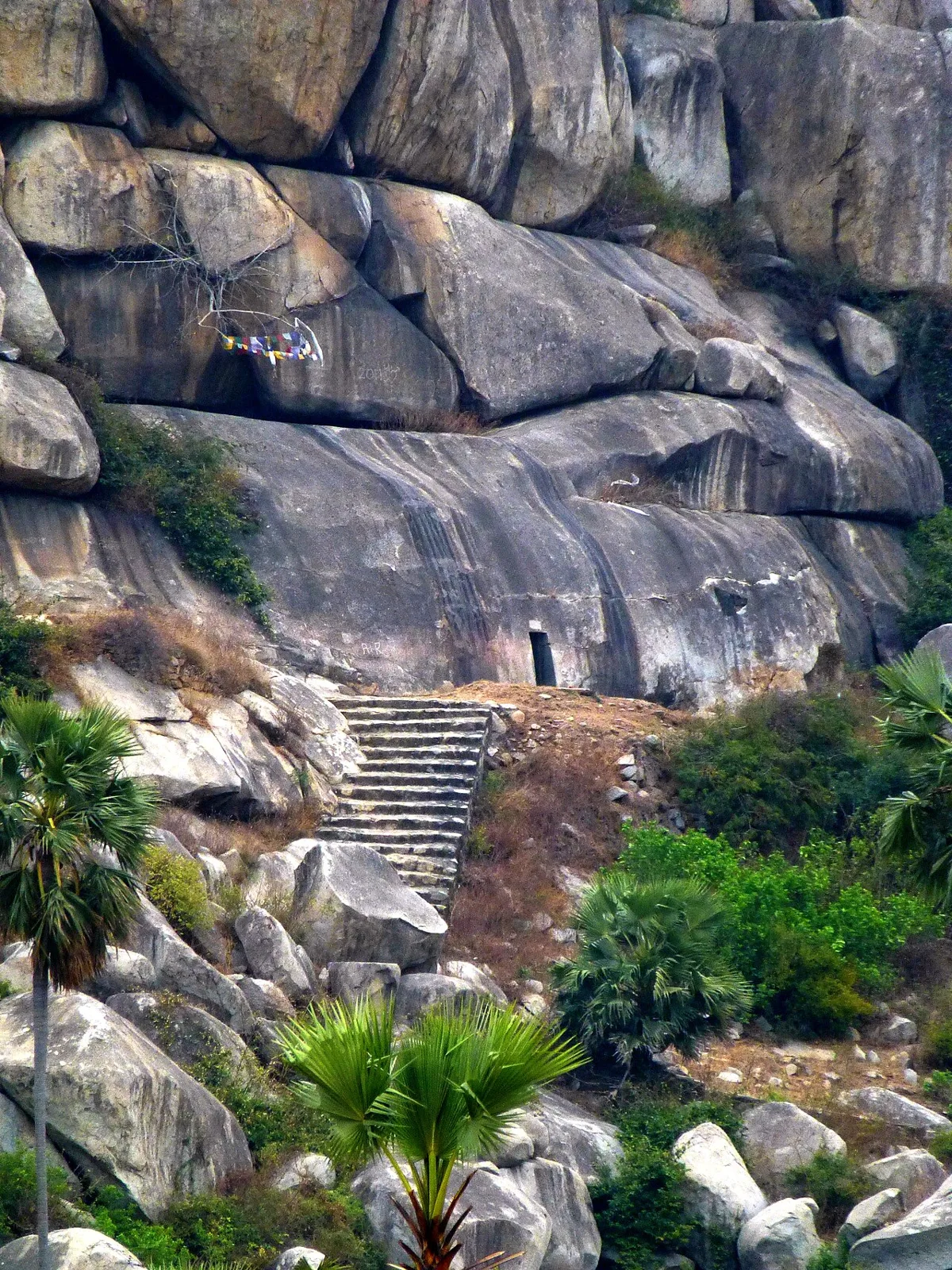
This Mauryan-era cave complex in Bihar extends across Barabar and Nagarjuni hills. Visitors come to see its inscriptions, polished granite chambers and early examples of Indian rock-cut architecture.

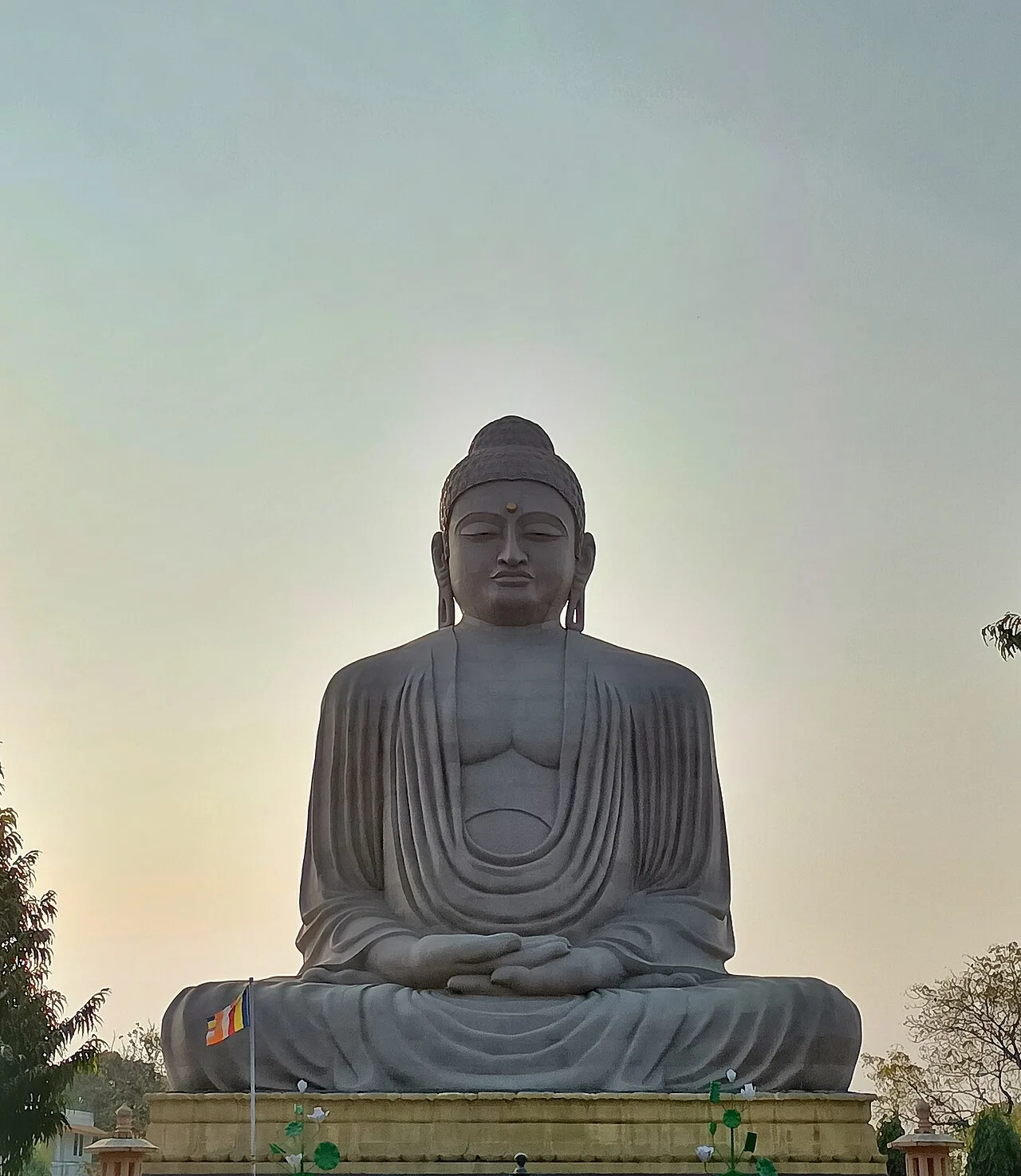
Great Buddha Statue

93 km away · Gaya district

Great Buddha Statue

The Great Buddha Statue at Bodh Gaya is a major Buddhist monument in Bihar. Pilgrims and other visitors come to see its large seated figure, distinctive construction and surrounding sculptures.

Map

Bikramganj on the map

  1. 1Tomb of Sher Shah Suri
  2. 2Buxar Fort
  3. 3Deo
  4. 4Mundeshwari Temple
  5. 5Rohtas Fort
  6. 6Maner
  7. 7Barabar Caves
  8. 8Great Buddha Statue

Bihar

Other cities to explore