Ghumoopedia — Explore, Discover, Experience
Sign in
Maner, near Chhapra

City guide · Bihar

Chhapra

Chhapra is the administrative headquarters of Saran district and the headquarters of Saran division, making it an important centre for public services, commerce and transport in north-western Bihar. It stands on the fertile Indo-Gangetic Plain, near the meeting of the Ganga and the Ghaghara, also known as the Sarayu.

Famous for

  • Ganga-Ghaghara confluence
  • Chirand archaeological site
  • Historic saltpetre trade
  • Saran district headquarters
  • River-based markets

Why Chhapra matters

Chhapra is the administrative headquarters of Saran district and the headquarters of Saran division, making it an important centre for public services, commerce and transport in north-western Bihar. It stands on the fertile Indo-Gangetic Plain, near the meeting of the Ganga and the Ghaghara, also known as the Sarayu. Rivers and the agricultural hinterland have long shaped the city’s connections with surrounding towns and villages.

Visitors come for the region’s river landscape and for nearby Chirand, an archaeological site with evidence of settlement reaching back to the Neolithic period. Chhapra also offers a useful base for exploring Saran, including nearby Revilganj and the temple at Ami. Its importance today rests less on a single monument than on its role as a district centre, market town and transport hub. Local bazaars reflect the needs of a largely agricultural region, while the city’s history of river trade gives it a distinctive place in Bihar’s commercial past.
Famous for: crafts, trade & products

Chhapra is better known for trade and administration than for a signature textile, handicraft or GI-tagged product. Its central markets serve the city and nearby rural communities, with everyday goods, clothing, household items and produce from the surrounding agricultural belt. Visitors can browse the bazaar streets around the town centre and the railway-station area; these are practical places to see local commerce and shop for daily-use goods rather than specialist souvenirs.

The fertile Saran region produces crops including paddy, maize and sugarcane, which support local trade and food businesses. Chhapra’s older commercial story is closely tied to river transport: in the 18th century, European trading communities established saltpetre refineries in the area. Saltpetre is chiefly a historical association today, not a prominent visitor-facing industry. Those interested in the city’s material past will find Chirand, near Chhapra, more significant than a craft market: its excavations have yielded pottery, bone tools and evidence of early agriculture. There is no widely recognised local saree or craft tradition for which Chhapra is a major destination.

History

Chhapra’s setting near the Ganga and Ghaghara helped it develop as a river-linked settlement and market. The surrounding Saran region belongs to the middle Ganga plains, an area with a long history of agriculture and human settlement. Nearby Chirand preserves archaeological evidence of occupation from the Neolithic period through later historical phases, though its history is distinct from the development of the modern city.

Chhapra grew commercially in the 18th century, when Dutch, French, Portuguese and English interests established saltpetre refineries in the area. River routes helped connect this trade with wider markets. Under British rule, the town was formally constituted as a municipality in 1864. In modern Bihar, Chhapra’s significance has increasingly come from its administrative and transport roles: it is the headquarters of Saran district and Saran division and serves as a service and trading centre for nearby settlements. Its railway and road links support movement between the city, the agricultural hinterland and other parts of the state.

Food, festivals & culture

Everyday food in Chhapra draws on the wider Bhojpuri and Bihari kitchen. Litti chokha, sattu-based dishes and seasonal vegetables are common regional favourites. Thekua, a sweet made for Chhath worship, is especially associated with the festival and is also shared beyond the ritual setting. Local sweet shops offer familiar North Indian treats, though recipes and specialities vary from one shop to another.

Bhojpuri is widely spoken, alongside Hindi. Chhath, observed in spring and autumn, is a major festival: devotees offer prayers to the setting and rising sun, often at riverbanks and ponds. Holi in spring, Diwali in autumn and Eid are also celebrated. Bhojpuri folk songs, including seasonal, devotional and wedding songs, are part of community life. Hindu temples and Muslim mosques serve residents across the city. The Ambika Bhawani temple at Ami, outside Chhapra, is a notable regional place of worship; the nearby river landscape also gives Chhath observances particular local resonance.

Visiting the city

October to March is generally the most comfortable period to visit, with cooler weather than the hot summer months. Monsoon travel can be affected by heavy rain and high water levels in the river region. The nearest major airport is Jay Prakash Narayan Airport in Patna. Chhapra Junction is the city’s main railway station and a convenient arrival point.

Auto-rickshaws and cycle-rickshaws are useful for getting around town; taxis can be arranged for longer trips. Explore the central market streets and the area around Chhapra Junction for a sense of everyday city life. River-facing edges offer a glimpse of the landscape, while nearby Chirand makes a worthwhile excursion for archaeology. Revilganj and the Ambika Bhawani temple at Ami can also be visited from the city; check local conditions before planning riverbank visits during the monsoon.

Trips from the city

Nearest places to visit from Chhapra

Our closest destination guides, by straight-line distance.

Maner

20 km away · Patna district

Maner

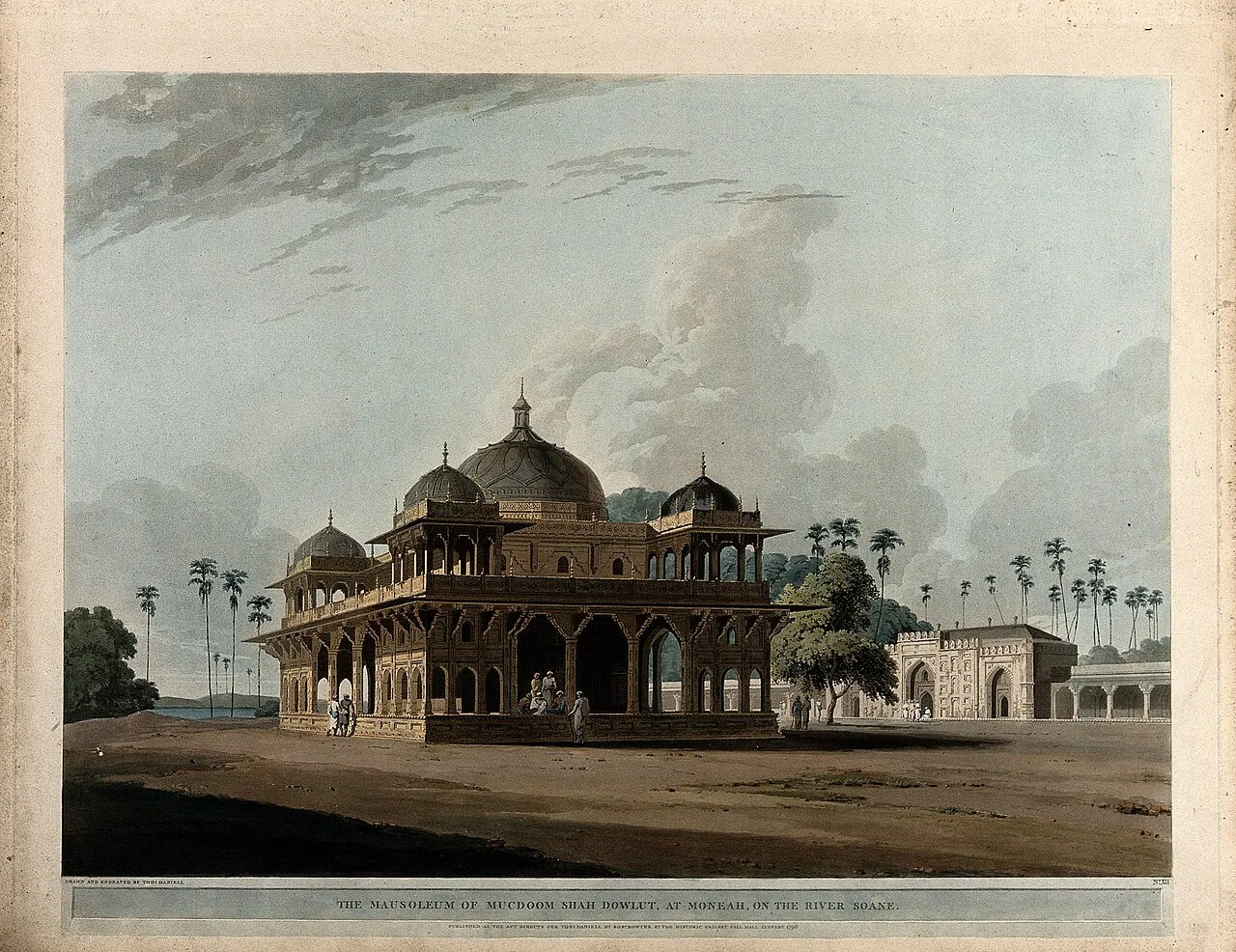
Maner, also called Maner Sharif, is a historic town and administrative block in Bihar’s Patna district. Visitors are drawn by its Mughal-era dargahs and its importance as a Sufi pilgrimage destination.

Patna Zoo

41 km away · Patna district

Patna Zoo

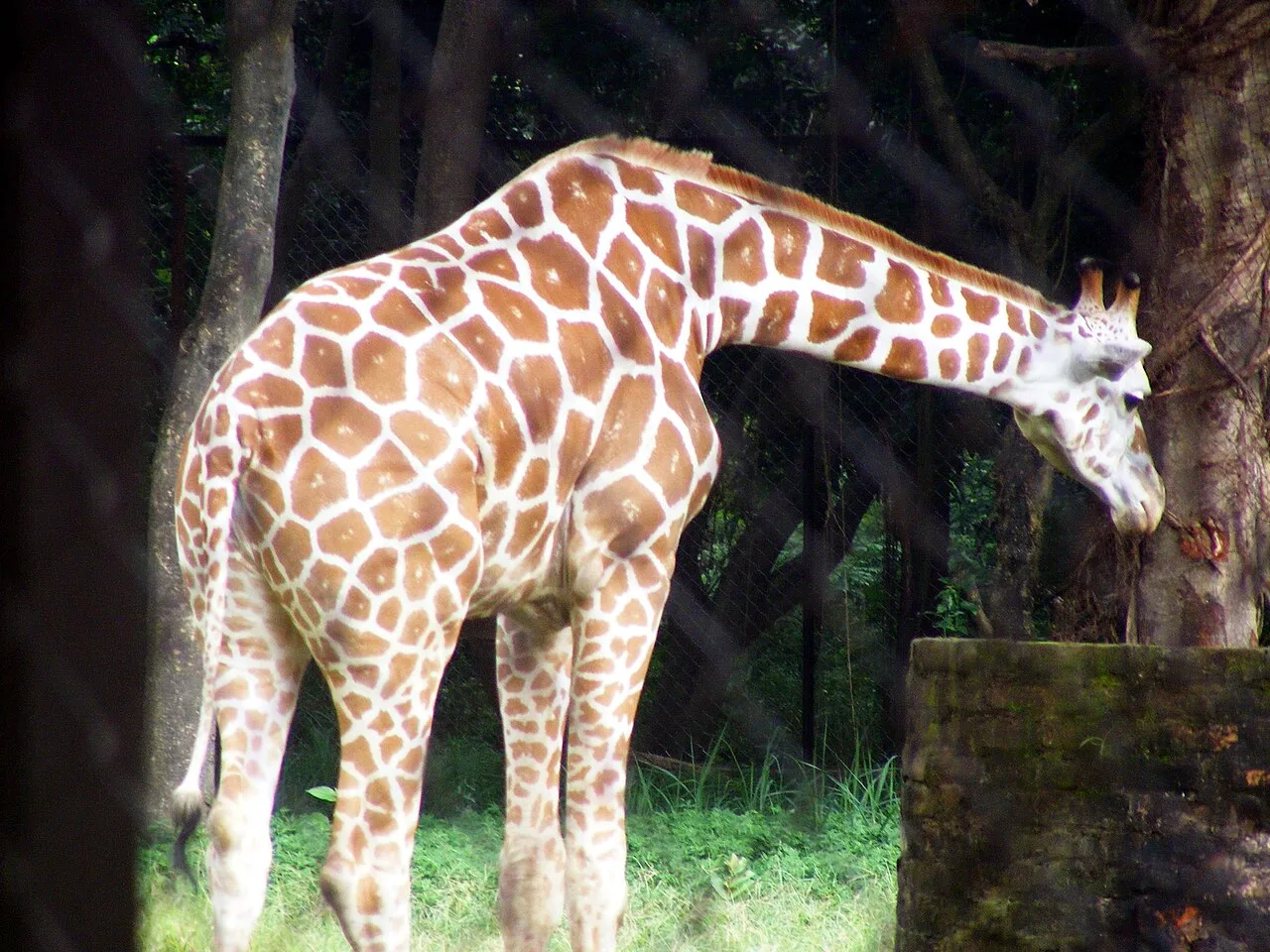
Patna Zoo is a zoological park in Bihar’s Patna district, near Bailey Road. People visit for picnics, with particularly large crowds on New Year’s Day.

Bihar Museum

42 km away · Patna district

Bihar Museum

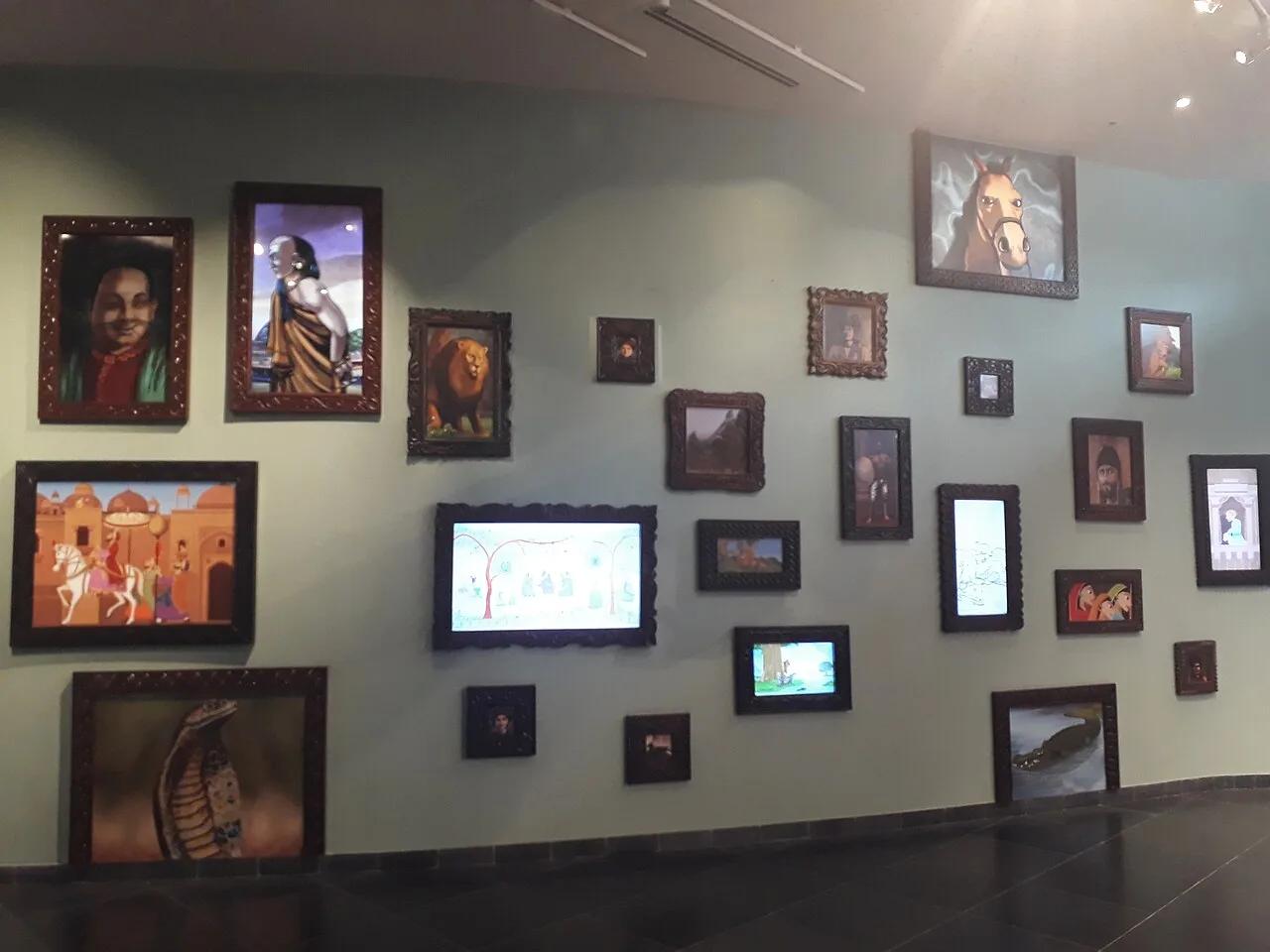
Bihar Museum is Patna’s state museum, with displays on Bihar’s history. Visitors can explore its galleries, children’s museum and distinctive arrangement of buildings and courtyards.

Golghar

43 km away · Patna district

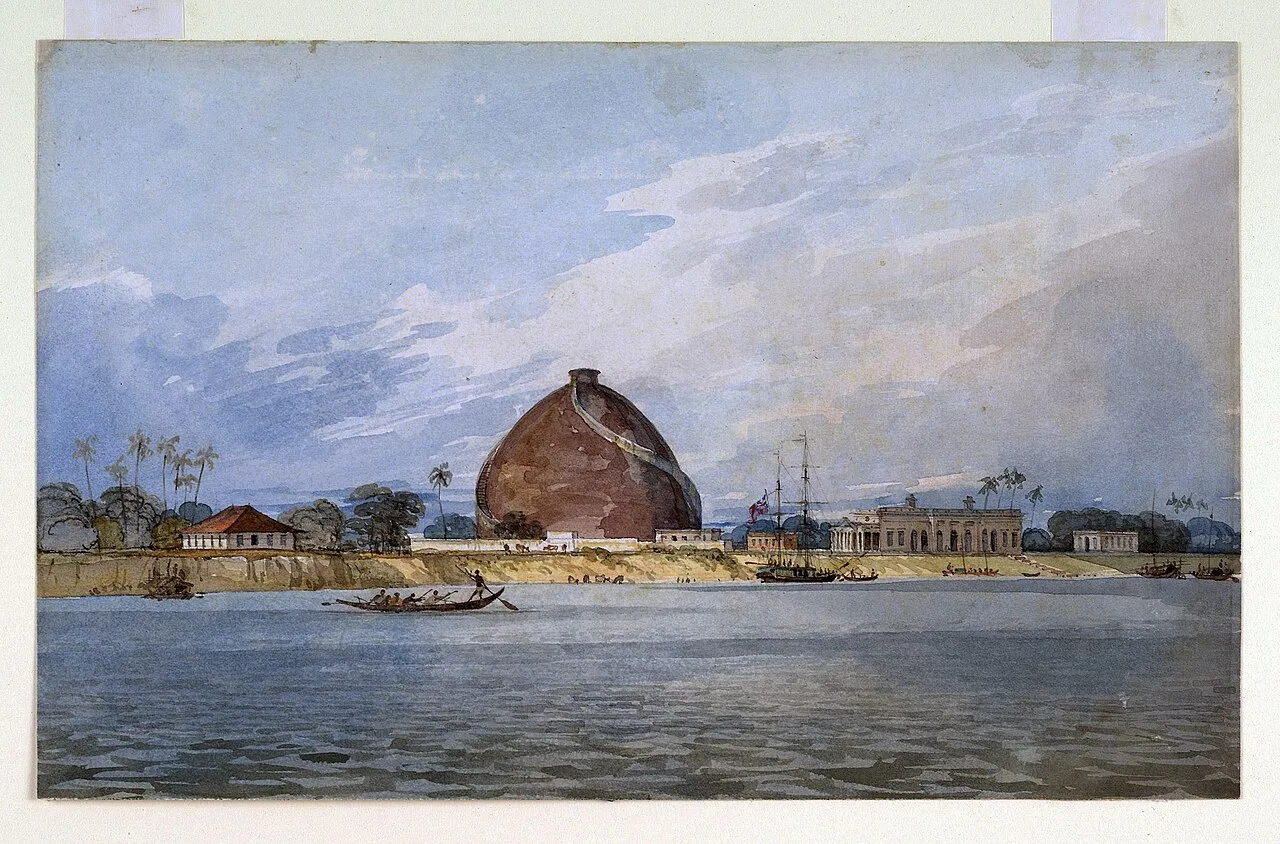
Golghar

Golghar, also called Gol Ghar, is a substantial grain store in Patna, Bihar. Visitors come to see the granary west of Gandhi Maidan.

Mahavir Mandir

44 km away · Patna district

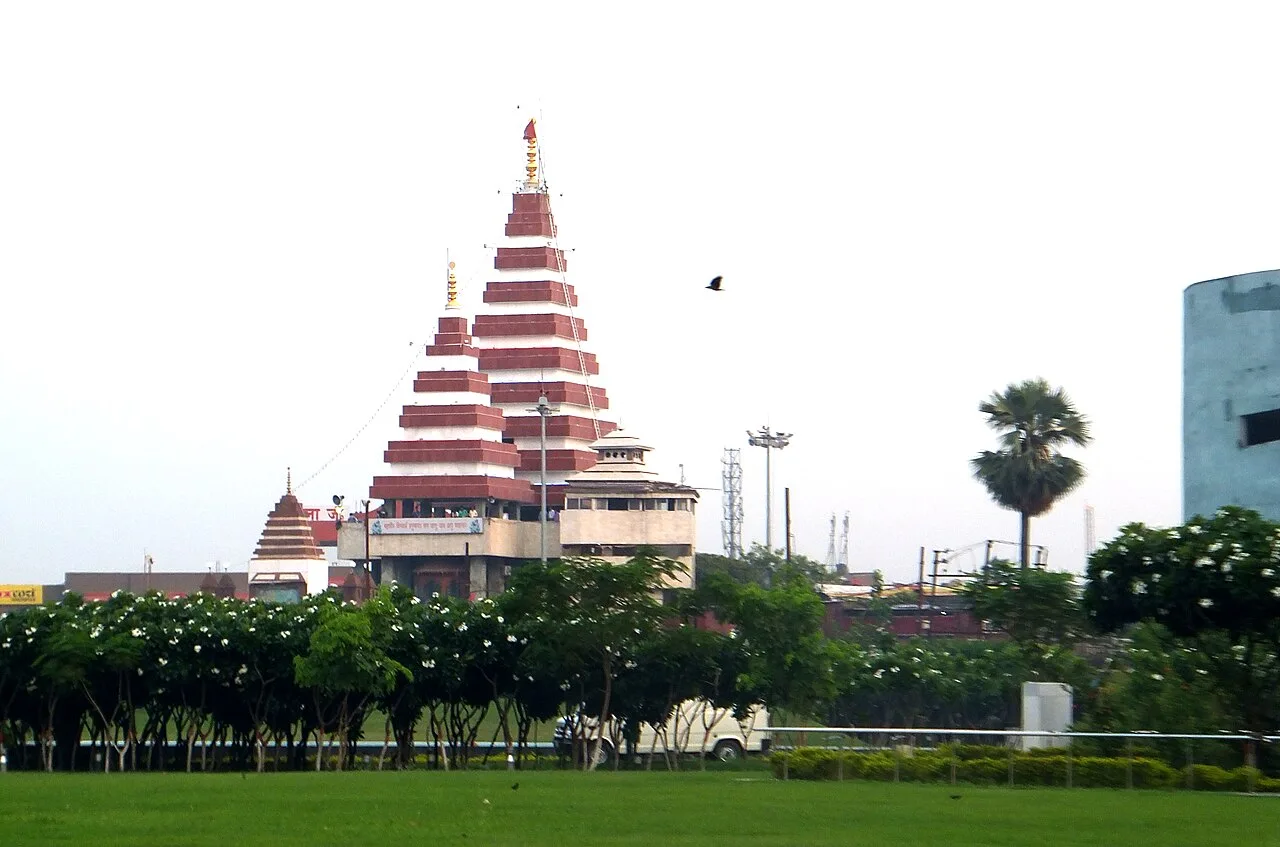
Mahavir Mandir

Mahavir Mandir is a Hanuman shrine in Patna, Bihar, visited by millions of pilgrims each year. Devotees also gather in large numbers for religious occasions, particularly Rama Navami.

Patna Museum

44 km away · Patna district

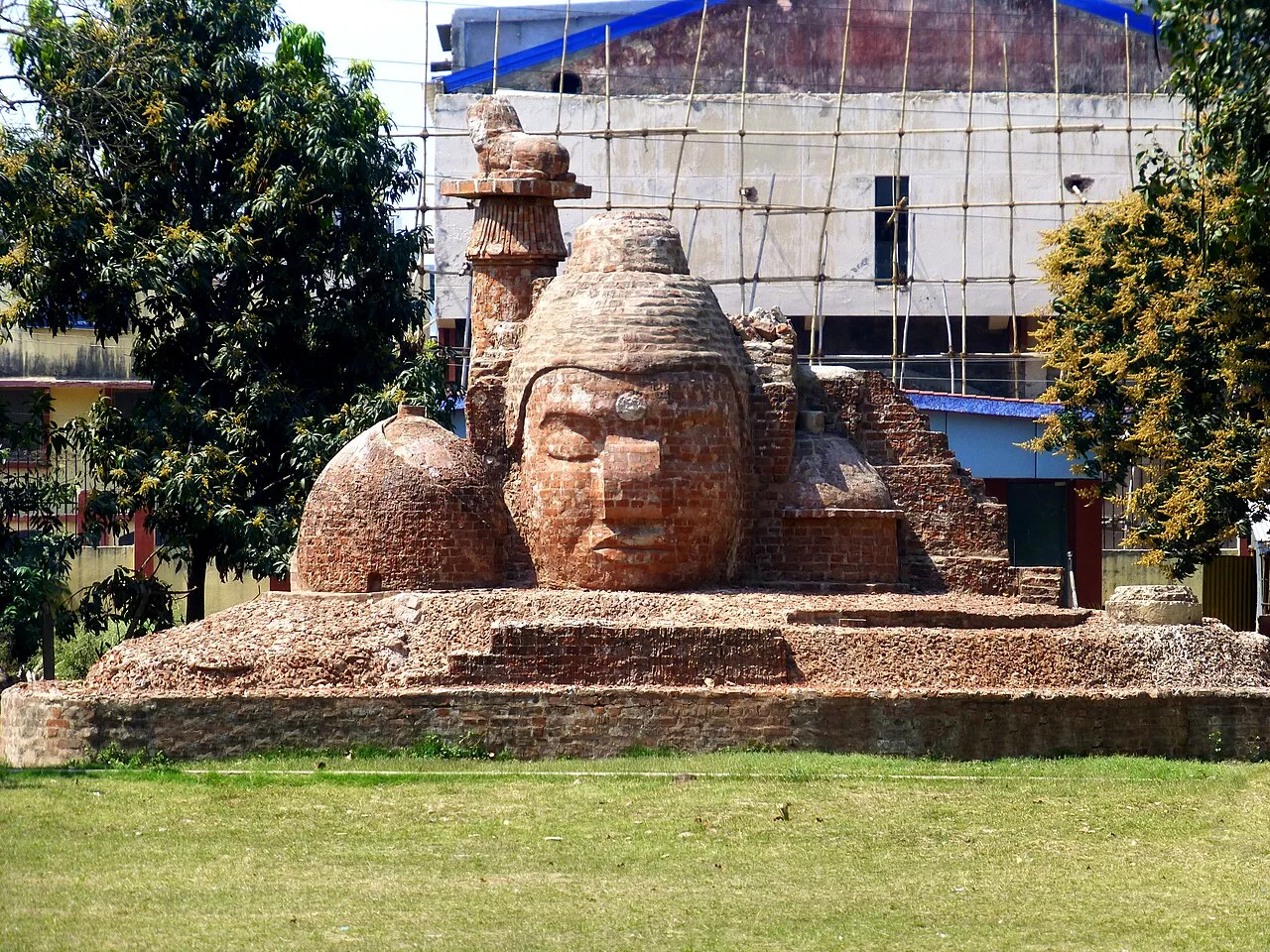
Patna Museum

Patna Museum is Bihar’s state museum in Patna district. Visitors come to see its historical collections and learn about the institute’s work in history and archaeology.

Sonpur

44 km away · Saran district

Sonpur

Sonpur, officially known as Sonepur, is a city in Bihar’s Saran district, beside the Gandaki and Ganges rivers. Visitors come for its cattle fair, which begins on Kartik Poornima and is Asia’s largest.

Vaishali

45 km away · Vaishali district

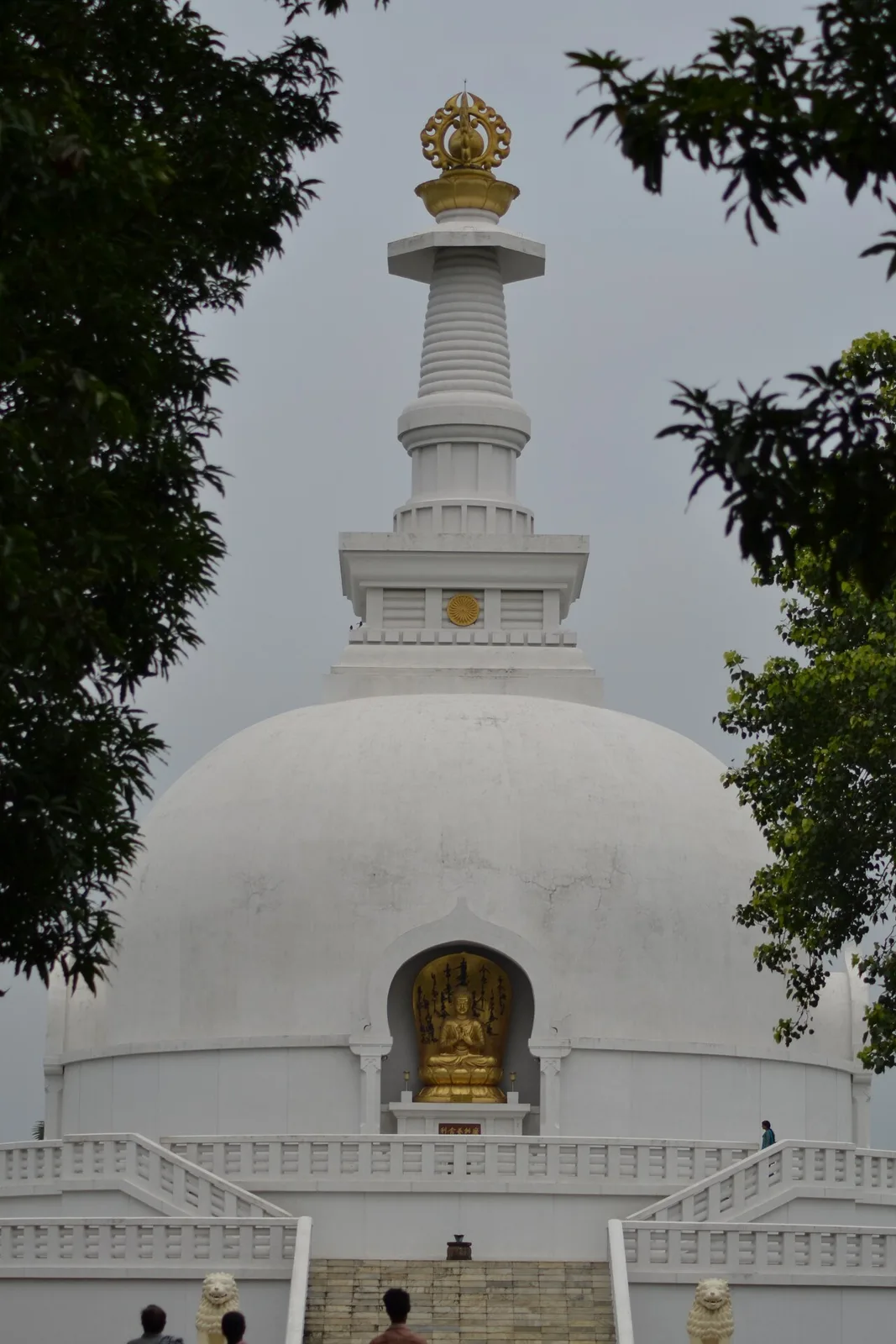
Vaishali

Vaishali is an archaeological site in Bihar associated with an ancient republic and important events in Buddhist and Jain history. Visitors come to see its stupas and Ashokan pillar and to explore these religious connections.

Map

Chhapra on the map

  1. 1Maner
  2. 2Patna Zoo
  3. 3Bihar Museum
  4. 4Golghar
  5. 5Mahavir Mandir
  6. 6Patna Museum
  7. 7Sonpur
  8. 8Vaishali

Bihar

Other cities to explore