Ghumoopedia — Explore, Discover, Experience
Sign in
Buxar Fort, near Piro

City guide · Bihar

Piro

Piro is a nagar parishad town in Bhojpur district, western Bihar, and the administrative centre of its namesake community development block. Its importance is mainly regional: the town provides civic and everyday services for Piro and the surrounding rural area, and acts as a local point for trade, transport and access to public administration.

Famous for

  • Bhojpur district town
  • Piro block headquarters
  • Historic name Peeroo
  • Bhojpuri-speaking region
Plan a tripHotels near Piro

Why Piro matters

Piro is a nagar parishad town in Bhojpur district, western Bihar, and the administrative centre of its namesake community development block. Its importance is mainly regional: the town provides civic and everyday services for Piro and the surrounding rural area, and acts as a local point for trade, transport and access to public administration. It is better understood as a working market town than as a destination built around major tourist attractions.

The name was also historically written as Peeroo. For visitors, Piro offers a glimpse of ordinary life in the Bhojpuri-speaking countryside, with local shops, neighbourhood activity and religious observances shaping the town’s rhythms. Jitaura, a nearby settlement about 6 km away, is one of the local reference points for exploring the area. Piro is around 39 km from Ara Railway Station, which connects travellers with the wider district and rail network. Its appeal lies in this local character and its role as a service centre, rather than in a widely documented signature monument, craft or festival.
Famous for: crafts, trade & products

Piro is known chiefly as a local administrative and trading centre, not for a textile, handicraft or manufactured product with a strong national profile. Everyday shops and market activity serve residents of the town and nearby villages. Visitors looking for groceries, household goods or basic travel necessities should ask locally for the central bazaar or main market area; there is no well-established specialist shopping district to seek out.

No widely documented GI-tagged product, signature saree, craft tradition or major industry is specifically associated with Piro. Nor is there a prominent, established visitor institution devoted to local production. This does not mean that household crafts or small-scale livelihoods are absent, only that they are not reliably documented as defining the town’s identity. For regional foods and produce, ordinary shops and market stalls are the most practical places to browse, though selection varies. Travellers seeking a particular Bhojpur craft or product may find it useful to ask in Ara, the district’s larger commercial centre, rather than assume it is made or sold in Piro.

History

Piro’s historical spelling, Peeroo, reflects an older form of the town’s name. The available record for the town is limited, so specific accounts of its founding, ruling dynasties or role in particular historical events should be treated cautiously. It is situated in the wider Bhojpur region, whose history has been shaped by rural settlements, agriculture and changing political administrations, but those regional patterns do not establish a particular ruler or episode for Piro itself.

In modern Bihar, Piro developed as both a town and the headquarters of a community development block. Its civic role and local commerce connect it with surrounding villages, while links to Ara provide access to wider district services and rail travel. The town’s present-day character is therefore best explained through its administrative and service functions rather than through claims of a major colonial-era centre or a documented historic monument. Its older name remains a useful trace of how the place has been recorded over time.

Food, festivals & culture

Piro is part of the Bhojpuri-speaking belt of Bihar. Bhojpuri is widely used in everyday conversation, alongside Hindi for communication across communities and in formal settings. As in many towns in the region, household and market life are closely connected with nearby villages. There is no single documented local dish or performance tradition that defines Piro, but visitors may encounter familiar Bhojpuri and Bihari foods such as litti chokha, sattu preparations, dal-puri and thekua in homes or local eateries; availability varies.

Hindu festivals including Chhath, usually observed in autumn and again in spring, Holi in spring and Diwali in autumn are part of the wider regional calendar. Eid is also observed by Muslim residents. Local worship and festival gatherings take place at neighbourhood places of worship, rather than at a single nationally known pilgrimage site. Seasonal fairs, devotional singing and community celebrations may be organised locally, but dates and scale can vary from year to year. For a visitor, asking residents about current observances is the best way to learn what is happening during a stay.

Visiting the city

The cooler months, roughly from October to March, are generally the most comfortable time to visit. Summers can be very hot, while monsoon weather may bring heavy rain and affect road journeys. The nearest main railway station is Ara Junction, about 39 km away. The nearest major airport is Jay Prakash Narayan International Airport in Patna; continue to Piro by road or via rail connections.

Local travel is typically by road, with auto-rickshaws and other shared or hired vehicles useful for short trips; confirm the onward ride locally. Start around the central market and civic area to see everyday town life, and consider a visit to nearby Jitaura, about 6 km away. Piro is a modest regional town rather than a sightseeing hub, so allow time for road connections and check local conditions before setting out.

Trips from the city

Nearest places to visit from Piro

Our closest destination guides, by straight-line distance.

Buxar Fort

50 km away · Buxar district

Buxar Fort

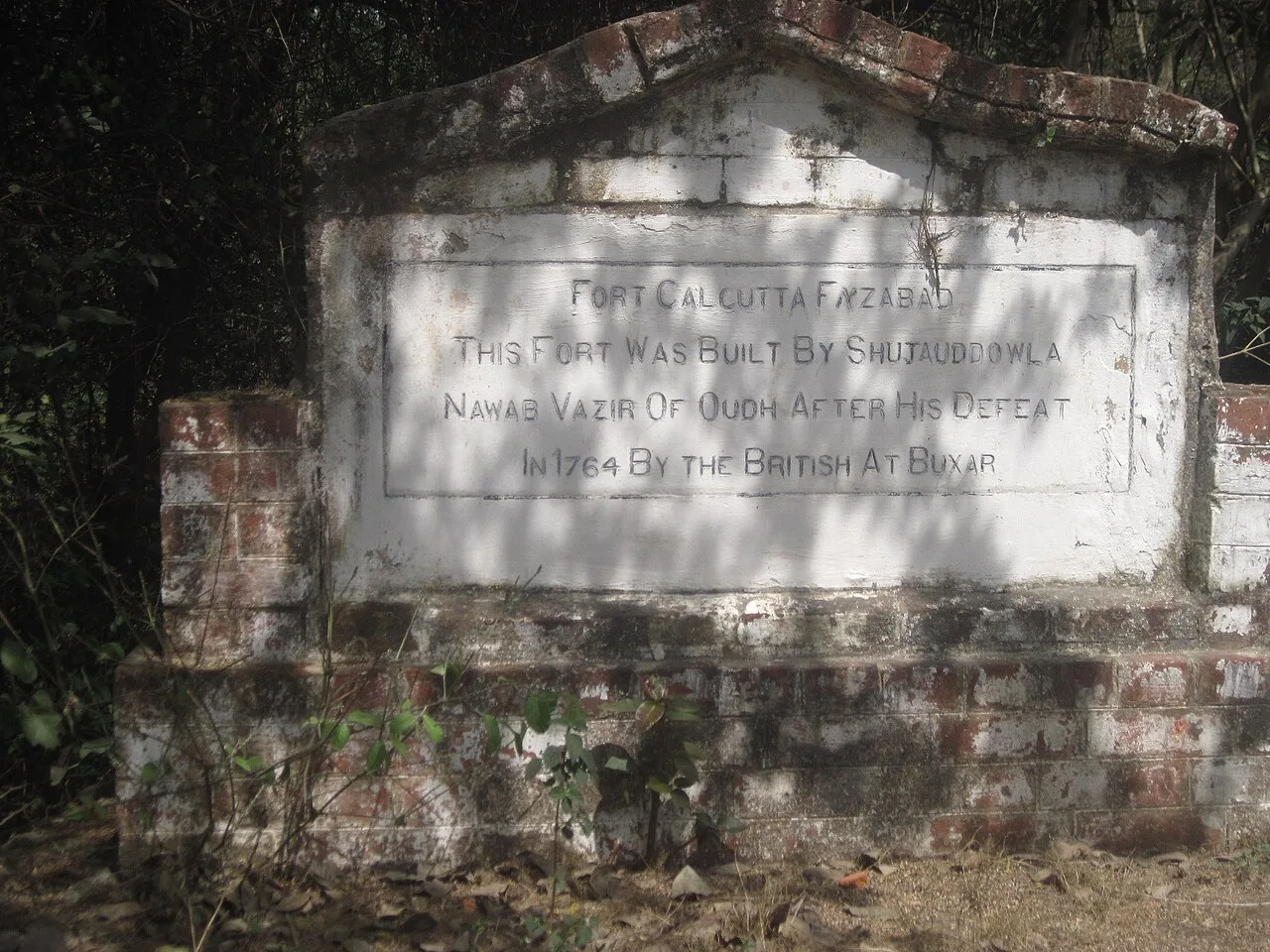
Buxar Fort is a fort in Bihar’s Buxar district, founded by King Rudra Deo. Its history and the city’s religious and cultural associations give visitors context for exploring the area.

Tomb of Sher Shah Suri

58 km away · Rohtas district

Tomb of Sher Shah Suri

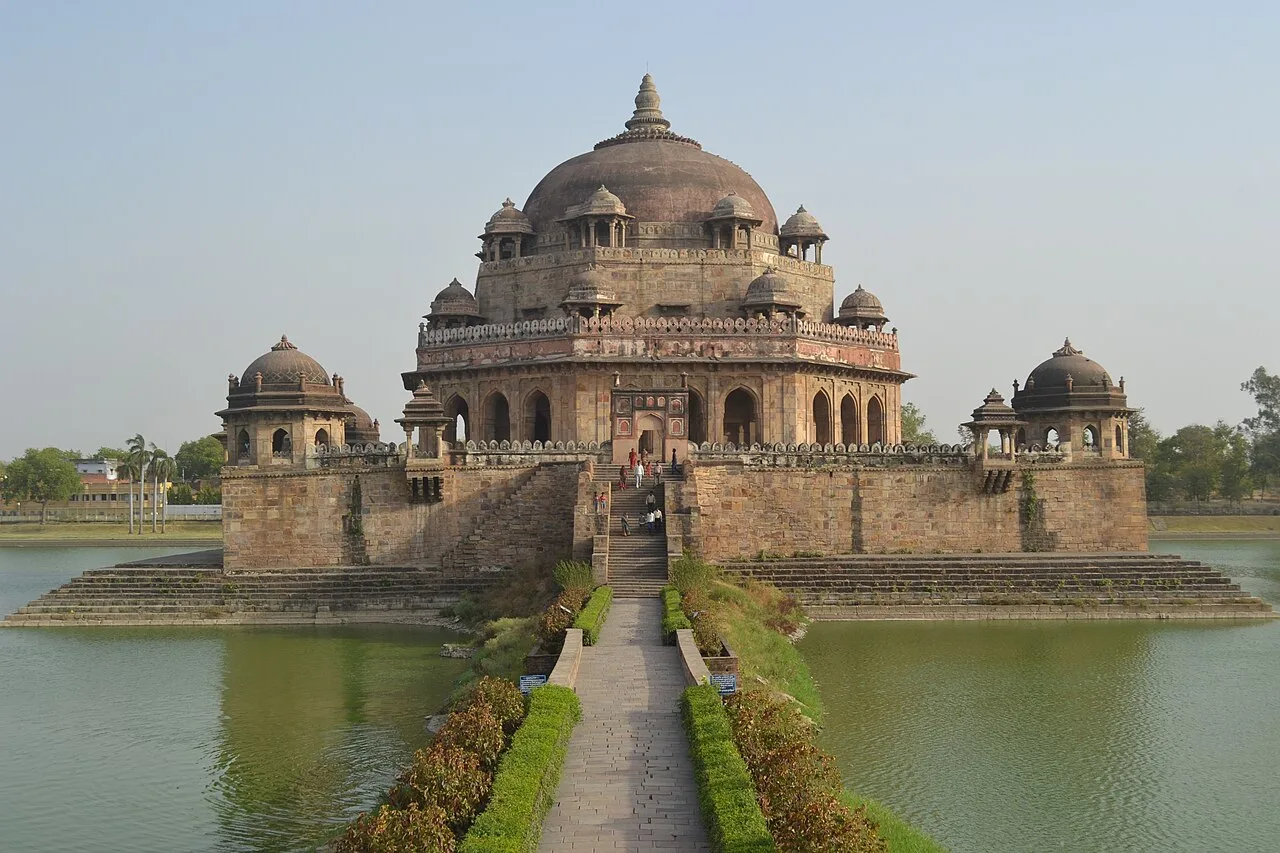
Sher Shah Suri’s mausoleum in Sasaram, Bihar, is noted for its lake setting and distinctive octagonal form. Visitors come to see a major example of Indo-Islamic architecture and an important monument of the region.

Maner

59 km away · Patna district

Maner

Maner, also called Maner Sharif, is a historic town and administrative block in Bihar’s Patna district. Visitors are drawn by its Mughal-era dargahs and its importance as a Sufi pilgrimage destination.

Deo

75 km away · Aurangabad district

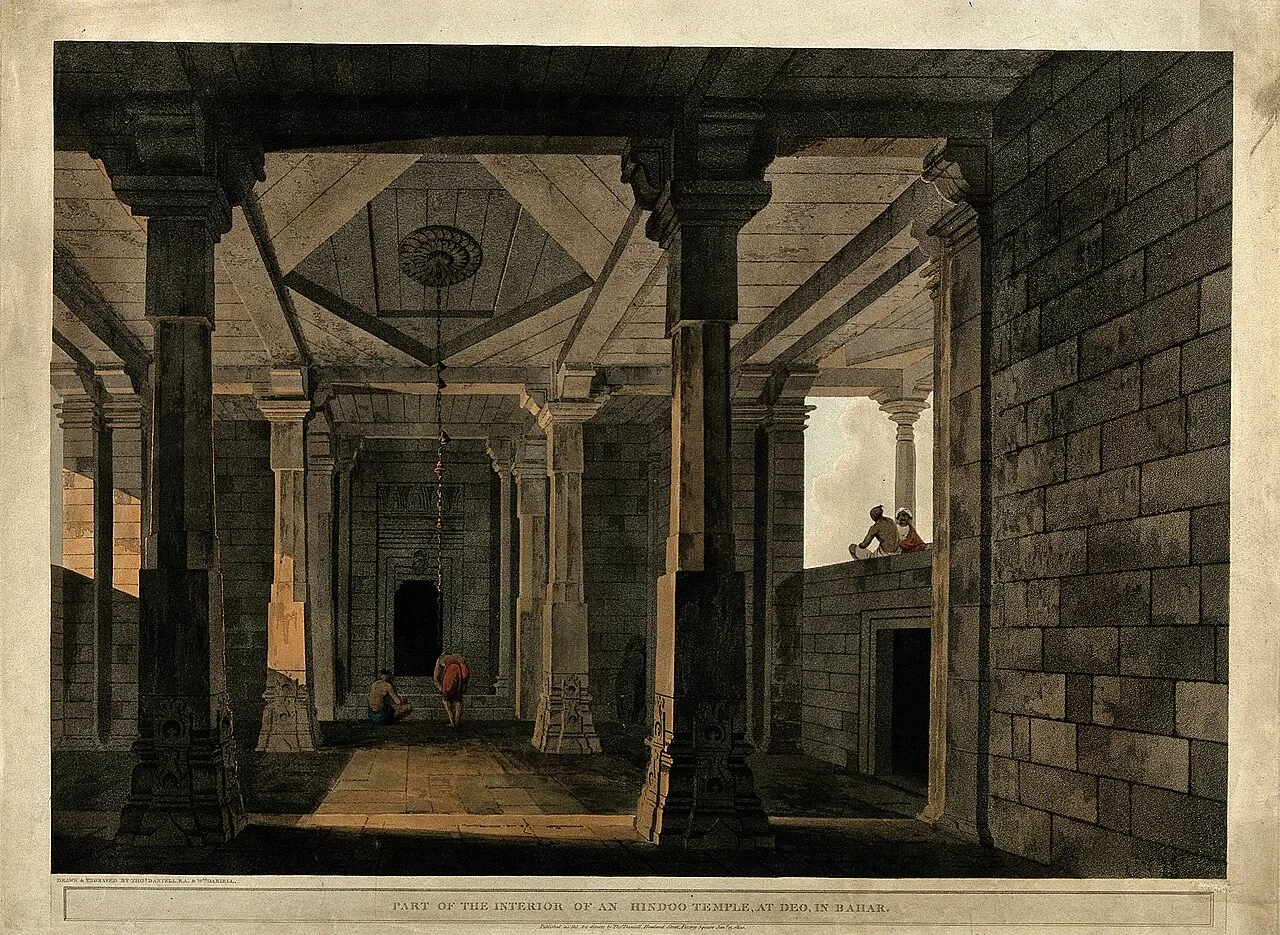
Deo

Deo, also called Dev, is a town and local civic area in Bihar’s Aurangabad district. Visitors seeking the settlement can find it about 10 km southeast of Aurangabad, the district’s administrative centre.

Barabar Caves

76 km away · Jehanabad district

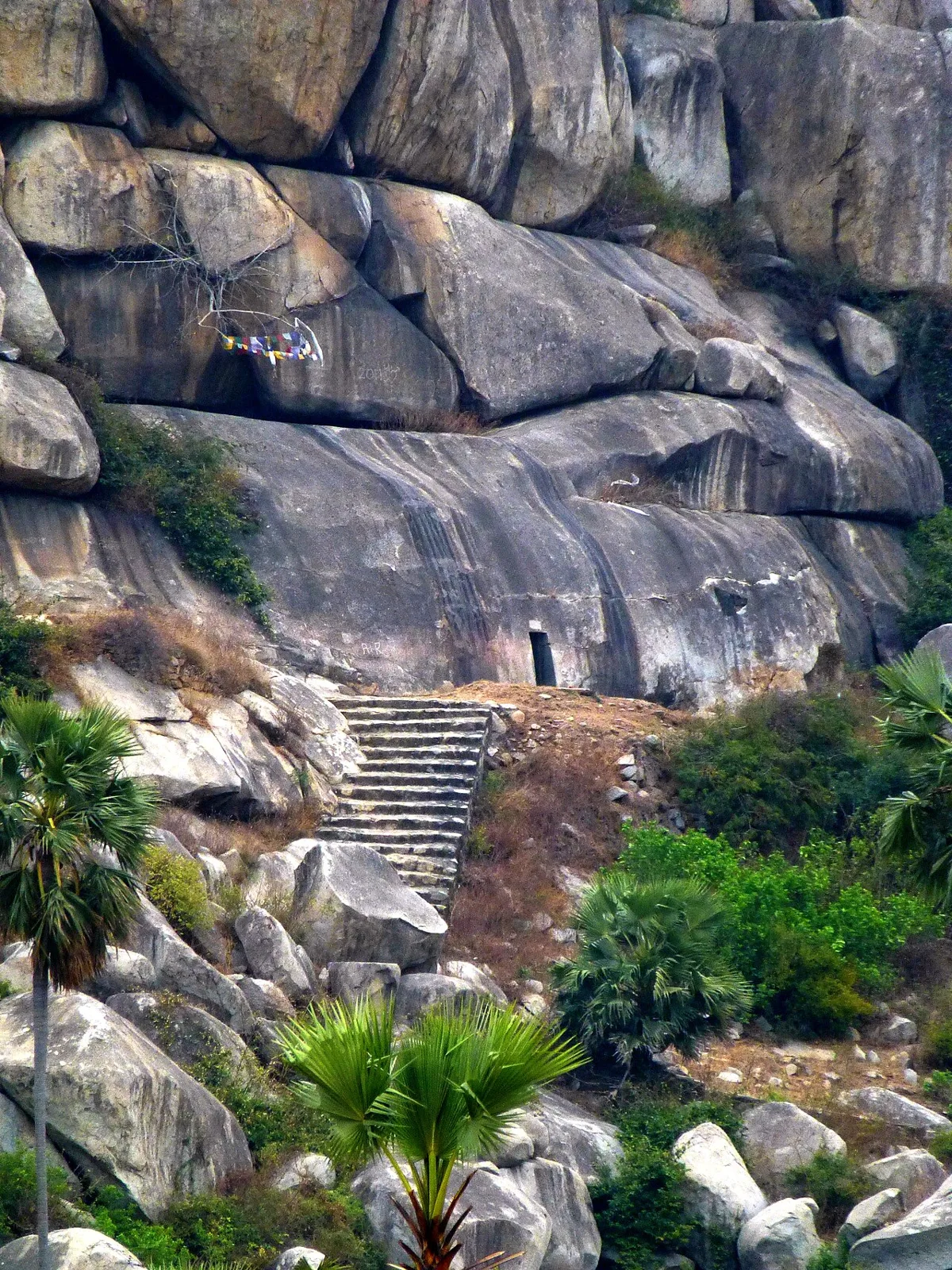
Barabar Caves

This Mauryan-era cave complex in Bihar extends across Barabar and Nagarjuni hills. Visitors come to see its inscriptions, polished granite chambers and early examples of Indian rock-cut architecture.

Patna Zoo

76 km away · Patna district

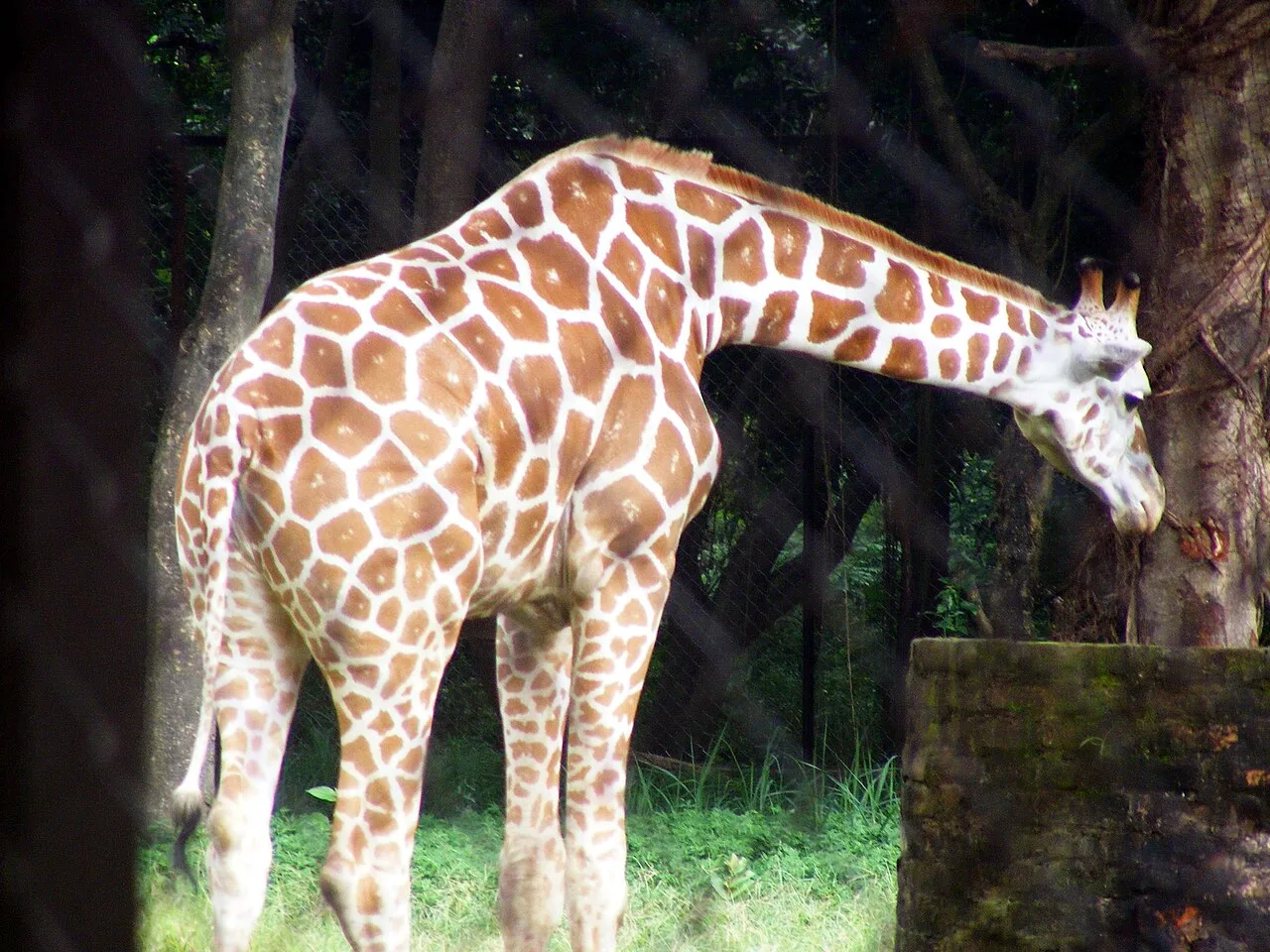
Patna Zoo

Patna Zoo is a zoological park in Bihar’s Patna district, near Bailey Road. People visit for picnics, with particularly large crowds on New Year’s Day.

Bihar Museum

78 km away · Patna district

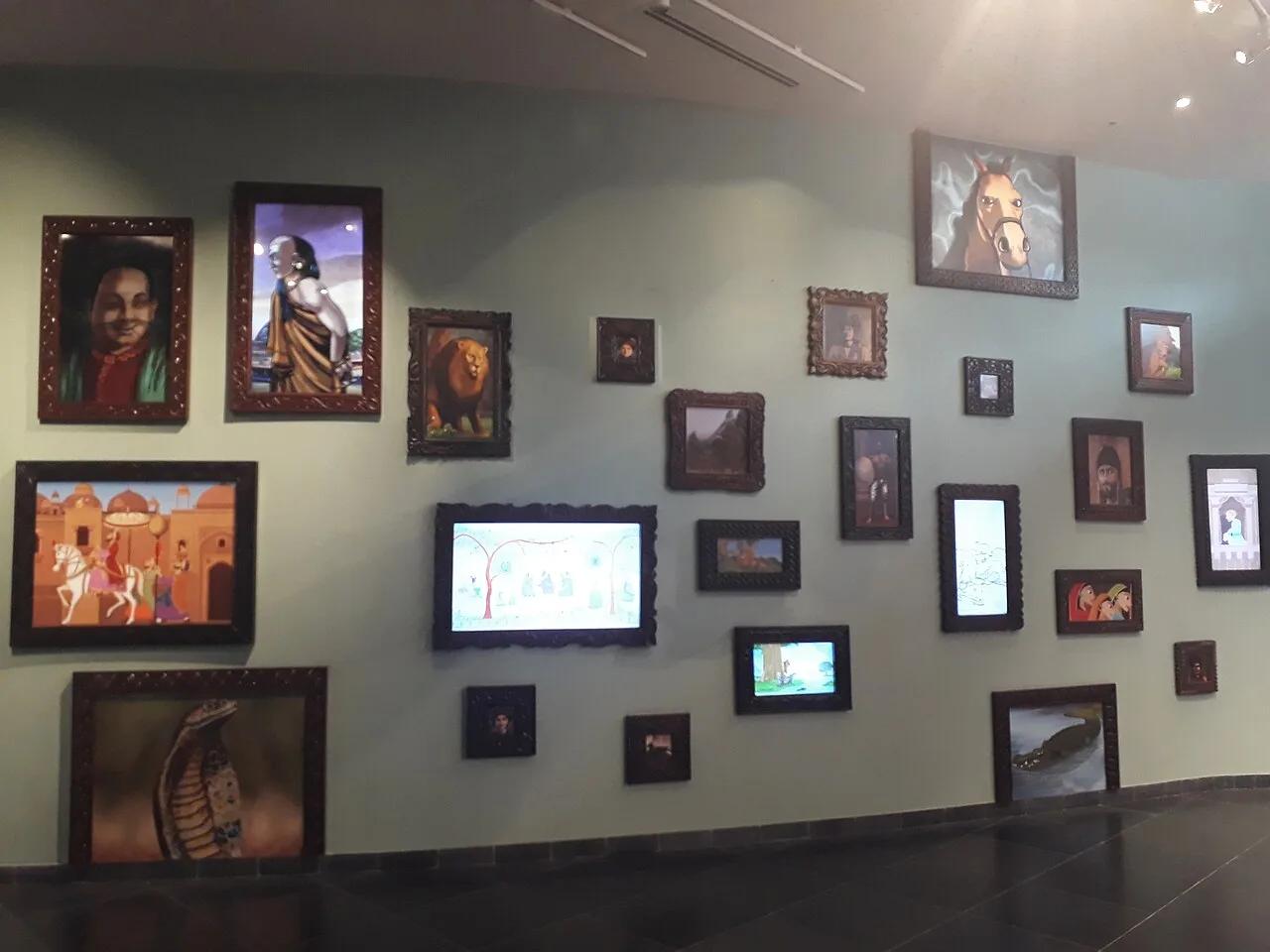
Bihar Museum

Bihar Museum is Patna’s state museum, with displays on Bihar’s history. Visitors can explore its galleries, children’s museum and distinctive arrangement of buildings and courtyards.

Mahavir Mandir

79 km away · Patna district

Mahavir Mandir

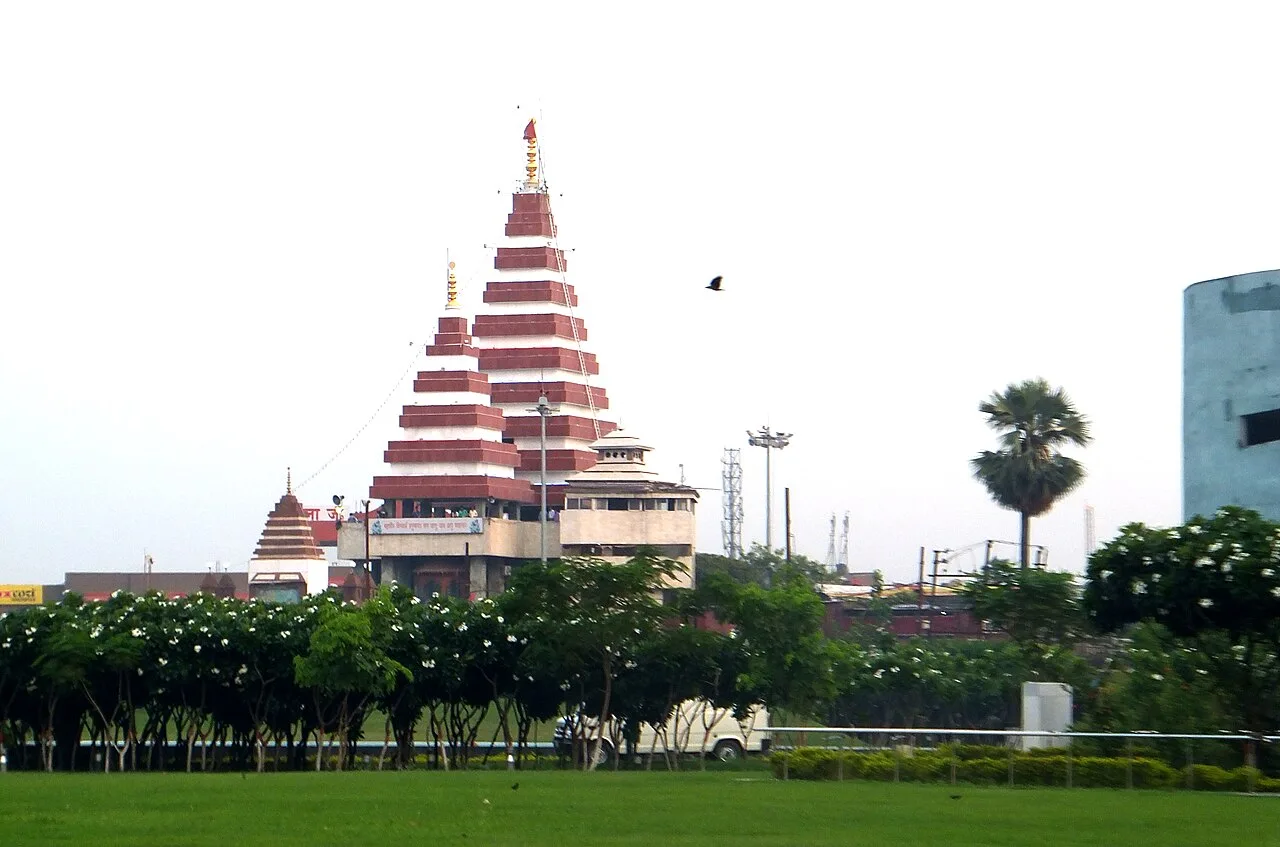
Mahavir Mandir is a Hanuman shrine in Patna, Bihar, visited by millions of pilgrims each year. Devotees also gather in large numbers for religious occasions, particularly Rama Navami.

Map

Piro on the map

  1. 1Buxar Fort
  2. 2Tomb of Sher Shah Suri
  3. 3Maner
  4. 4Deo
  5. 5Barabar Caves
  6. 6Patna Zoo
  7. 7Bihar Museum
  8. 8Mahavir Mandir

Bihar

Other cities to explore