Ghumoopedia — Explore, Discover, Experience
Sign in
Kesaria stupa, near Mehsi

City guide · Bihar

Mehsi

Mehsi is a market town and Nagar Parishad in East Champaran district, serving villages across the surrounding part of northern Bihar. Its position on the NH 27 corridor and on the Muzaffarpur–Motihari railway route makes it a useful transport and trading centre between Motihari, Muzaffarpur and Sheohar.

Famous for

  • Mehsi litchi trade
  • Pearl button craft
  • Champaran Satyagraha connection
  • Regional agricultural markets

Why Mehsi matters

Mehsi is a market town and Nagar Parishad in East Champaran district, serving villages across the surrounding part of northern Bihar. Its position on the NH 27 corridor and on the Muzaffarpur–Motihari railway route makes it a useful transport and trading centre between Motihari, Muzaffarpur and Sheohar. Local shops and services cater to residents as well as farmers and traders from nearby rural areas.

The town is best known for its litchi orchards and seasonal fruit trade, and for its traditional pearl button industry. Litchi is a prominent East Champaran product under the Government of India’s One District One Product initiative. During harvest, the fruit moves from the surrounding growing belt through local markets towards larger destinations. Visitors interested in the region’s agriculture and small industries can get a sense of this activity in Mehsi’s market areas. The town also has a place in the history of the Champaran Satyagraha: Gandhi was publicly welcomed at Mehsi railway station in 1917 while travelling to Motihari.
Famous for: crafts, trade & products

Mehsi’s most visible products are seasonal litchis and pearl buttons. Orchards in the surrounding countryside supply fruit to local traders, who gather and move it onward during the harvest period. East Champaran’s litchi is featured under the national One District One Product initiative; this recognition should not be confused with a Geographical Indication tag. For visitors, the town’s general market areas and fruit-trading points are the most practical places to look for seasonal produce. Orchard activity is more apparent beyond the central town, and access may depend on the growers and the season.

The pearl button cluster is a distinctive small-scale industry associated with Mehsi and has historically provided work in the area. Its products are made for trade rather than organised as a visitor-facing craft experience, so availability can vary; ask local shopkeepers or traders about finished buttons and workshops. Everyday market streets also sell agricultural goods and household merchandise for nearby villages. Mehsi is not especially known for a major textile tradition or a signature saree, and its strongest identity remains tied to fruit commerce and button-making.

History

Mehsi’s growth reflects its position between agricultural villages and larger towns in north Bihar. The local economy developed around farming, the exchange of produce and small-scale manufacturing, while road and rail links helped connect the town to regional markets. It became an important service and commercial centre for the surrounding countryside, with the railway station and later highway corridor reinforcing its role as a place to trade and travel.

Mehsi is associated with the Champaran Satyagraha of the colonial era. On 15 April 1917, Mahatma Gandhi received a public welcome at Mehsi railway station before continuing to Motihari. The moment links the town to the wider campaign concerning indigo cultivation and the rights of Champaran’s cultivators, though Mehsi was not the movement’s main centre. In modern times, municipal development, transport connections and the seasonal litchi trade have sustained its regional importance. The pearl button industry remains another marker of its local economic history.

Food, festivals & culture

Daily life in Mehsi is shaped by its market-town role and the farming calendar. Bihar staples such as rice, lentils, seasonal vegetables, sattu and litti-chokha are familiar, alongside snacks and sweets sold in local shops. Fresh litchis are a seasonal highlight in late spring and early summer, though availability depends on the harvest. Food customs vary among families and communities, and the town’s markets offer a practical glimpse of everyday regional cooking rather than a single defining cuisine.

Chhath, observed mainly in autumn and again in spring, is an important festival across Bihar, with devotees gathering for riverbank and water-side rituals. Holi, Diwali, Durga Puja and Eid are also marked by community and family celebrations. Hindi is widely used, alongside regional speech forms including Bhojpuri and Maithili. Folk songs are heard around festivals and life events; devotional singing is also part of local observance. Hindu temples and Muslim places of worship serve neighbourhood communities, while larger festival gatherings take place at local religious and public spaces.

Visiting the city

October to March is generally the most comfortable period to visit, with warmer conditions and the litchi harvest drawing attention in late spring and early summer. Summers can be hot, and monsoon months bring rain. The nearest major air connection is Darbhanga Airport; Patna’s airport is another option for a wider choice of connections. Mehsi railway station, on the Muzaffarpur–Motihari route, is the main rail stop for the town.

NH 27 and regional roads connect Mehsi with Motihari, Muzaffarpur and nearby centres. Auto-rickshaws and e-rickshaws are useful for local trips, with road transport serving the surrounding villages. Explore the central market streets for everyday trade and seasonal fruit activity, and ask locally about access to nearby orchards or pearl button workshops. The station area offers a glimpse of the town’s transport links and its Champaran Satyagraha association.

Trips from the city

Nearest places to visit from Mehsi

Our closest destination guides, by straight-line distance.

Kesaria stupa

24 km away · East Champaran district

Kesaria stupa

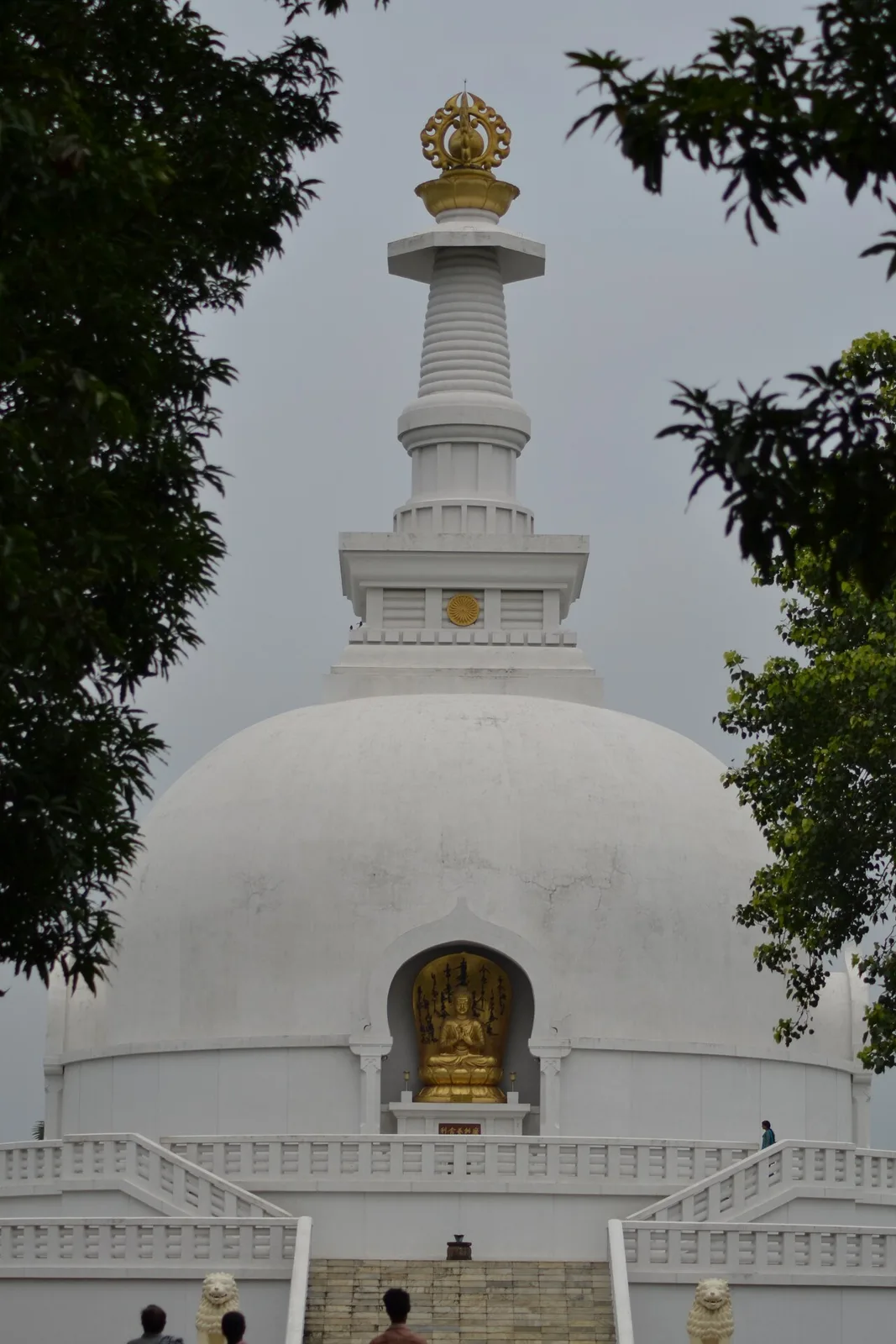
Kesariya Stupa is a Buddhist monument in Bihar’s East Champaran district, at Kesariya near Mehsi. Visitors come to see the structure, whose construction began in the third century BCE.

Vaishali

38 km away · Vaishali district

Vaishali

Vaishali is an archaeological site in Bihar associated with an ancient republic and important events in Buddhist and Jain history. Visitors come to see its stupas and Ashokan pillar and to explore these religious connections.

Sitamarhi

49 km away · Sitamarhi district

Sitamarhi

Sitamarhi is a city in Bihar’s Tirhut Division and the administrative centre of its district. Visitors are drawn by the Hindu tradition linking it to Sītā’s birth.

Sonpur

73 km away · Saran district

Sonpur

Sonpur, officially known as Sonepur, is a city in Bihar’s Saran district, beside the Gandaki and Ganges rivers. Visitors come for its cattle fair, which begins on Kartik Poornima and is Asia’s largest.

Maner

81 km away · Patna district

Maner

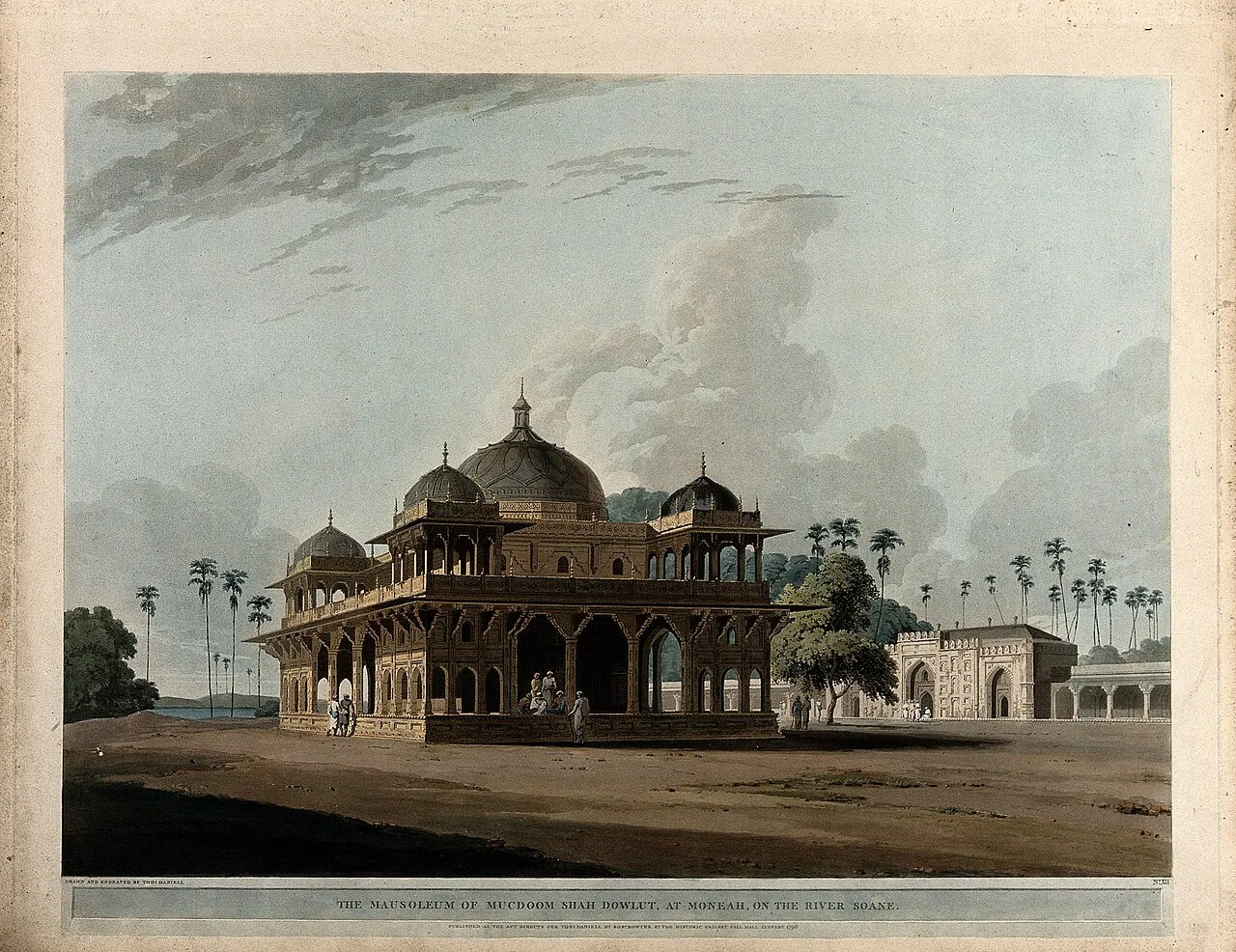
Maner, also called Maner Sharif, is a historic town and administrative block in Bihar’s Patna district. Visitors are drawn by its Mughal-era dargahs and its importance as a Sufi pilgrimage destination.

Golghar

82 km away · Patna district

Golghar

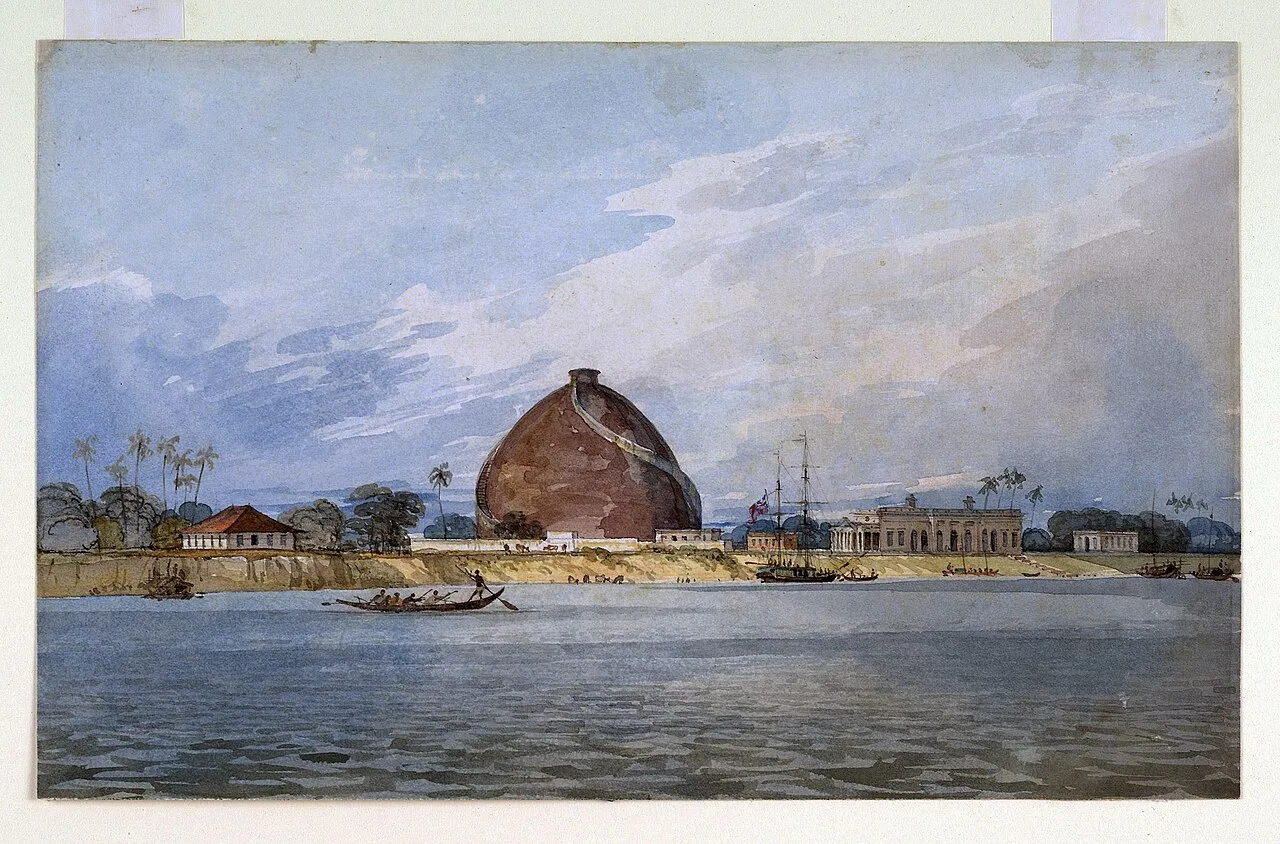
Golghar, also called Gol Ghar, is a substantial grain store in Patna, Bihar. Visitors come to see the granary west of Gandhi Maidan.

Bihar Museum

83 km away · Patna district

Bihar Museum

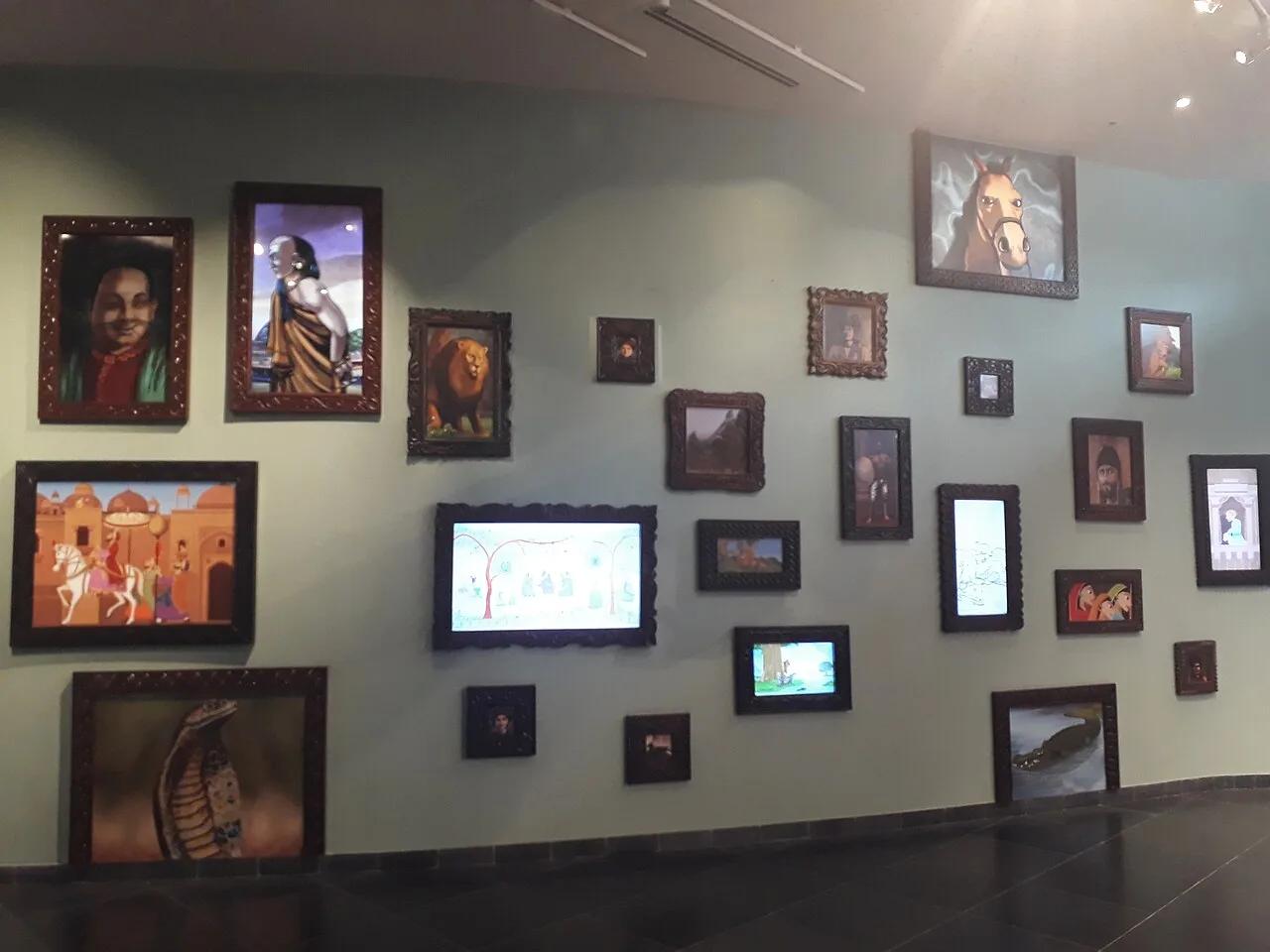
Bihar Museum is Patna’s state museum, with displays on Bihar’s history. Visitors can explore its galleries, children’s museum and distinctive arrangement of buildings and courtyards.

Darbhanga

83 km away · Darbhanga district

Darbhanga

Darbhanga is a major city and municipal corporation in Bihar, serving as the administrative centre of its district and division. Visitors encounter a longstanding centre of Mithila’s cultural, literary and musical traditions.

Map

Mehsi on the map

  1. 1Kesaria stupa
  2. 2Vaishali
  3. 3Sitamarhi
  4. 4Sonpur
  5. 5Maner
  6. 6Golghar
  7. 7Bihar Museum
  8. 8Darbhanga

Bihar

Other cities to explore