Ghumoopedia — Explore, Discover, Experience
Sign in
Nalanda mahavihara, near Hilsa

City guide · Bihar

Hilsa

Hilsa is a town and sub-division in Nalanda district, serving as a local centre for administration, trade and everyday services. Its importance comes less from a large visitor attraction within the town than from its role connecting surrounding communities with the district’s institutions and transport network.

Famous for

  • Nalanda district sub-division
  • Hilsa railway station
  • Fatuha–Tilaiya rail link
  • Regional market town
  • Magahi-speaking local culture

Why Hilsa matters

Hilsa is a town and sub-division in Nalanda district, serving as a local centre for administration, trade and everyday services. Its importance comes less from a large visitor attraction within the town than from its role connecting surrounding communities with the district’s institutions and transport network. Hilsa railway station lies on the Fatuha–Tilaiya line, providing a useful link for regional journeys.

For visitors, Hilsa offers a glimpse of a working Bihar town: local markets, neighbourhood life and the rhythms of a sub-divisional centre. It can also be a practical stop for travellers exploring the wider Nalanda region, whose better-known heritage destinations include the archaeological remains of Nalanda Mahavihara and the historic landscape around Rajgir. These places are outside Hilsa, so visiting them requires onward travel. Hilsa is not especially known for a signature craft, textile or monument; its value is its local role and its position within a historically rich district.
Famous for: crafts, trade & products

Hilsa is best understood as a regional service and market town rather than a specialist manufacturing or craft centre. There is no widely established signature Hilsa textile, handicraft or GI-tagged product to seek out. Its shops and market streets cater mainly to residents and nearby villages, with everyday groceries, clothing, household goods and locally traded produce. For a sense of commerce, explore the central bazaar area and the streets around the town’s main activity centres; the station area is another practical point of reference for visitors.

Nalanda district has a broader agricultural economy, and local markets reflect the needs of that rural hinterland. Buyers looking for a particular craft or food associated with the district may need to travel elsewhere in Nalanda rather than expect to find a dedicated cluster in Hilsa. The town’s most distinctive institutional role is its position as a sub-division headquarters. Ask locally about current market days and where particular goods are sold, as trading patterns and individual shop offerings can change.

History

Hilsa lies within Nalanda district, part of the wider region historically associated with Magadha. The district’s past is marked by important centres of learning and power, but a detailed, well-documented chronology for Hilsa itself is not readily established. It is therefore better to distinguish the town’s local history from the much older heritage of nearby Nalanda and Rajgir rather than attribute those sites’ histories directly to Hilsa.

Hilsa developed as a settlement serving its surrounding countryside and later acquired a formal role as a sub-divisional centre. Under British rule, administrative boundaries and transport links shaped towns across Bihar, although specific milestones in Hilsa’s colonial-era development are not firmly documented. In modern times, its administrative functions, local commerce and railway connection have helped it serve nearby communities. The station’s place on the Fatuha–Tilaiya line ties the town into a wider regional rail network, while road travel connects it with other parts of Nalanda district.

Food, festivals & culture

Daily life in Hilsa reflects the wider culture of central Bihar. Hindi is widely used, and Magahi is common in local conversation. Meals are based on familiar regional staples, with preparations using rice, wheat, pulses and seasonal vegetables; sattu-based foods and litti chokha are found across Bihar, though neither should be treated as a unique Hilsa specialty. The town does not have a widely documented signature sweet or food product.

Chhath Puja, observed mainly in autumn and again in spring, is a major festival across Bihar, with fasting, family gatherings and devotional songs. Holi, Diwali, Makar Sankranti and Eid are also observed by local communities. Folk and devotional music are part of festive life, especially during seasonal and religious gatherings. Residents worship at neighbourhood temples and other places of worship; visitors should be considerate of local customs and ask before photographing people or ceremonies.

Visiting the city

The cooler, drier months from October to March are generally the most comfortable time to visit; summers can be very hot and the monsoon brings rain. The nearest major airport is Jay Prakash Narayan International Airport in Patna. Hilsa railway station, on the Fatuha–Tilaiya line under the Danapur railway division, is the town’s main rail station.

Auto-rickshaws and local road transport are useful for short journeys, while walking suits the central market streets. Start around the town centre and bazaar, then explore the station vicinity for a sense of local travel and commerce. Hilsa is a modest town rather than a major sightseeing hub. Travellers interested in Nalanda district’s archaeological heritage can plan separate onward trips to Nalanda Mahavihara or Rajgir, checking local transport options before setting out.

Trips from the city

Nearest places to visit from Hilsa

Our closest destination guides, by straight-line distance.

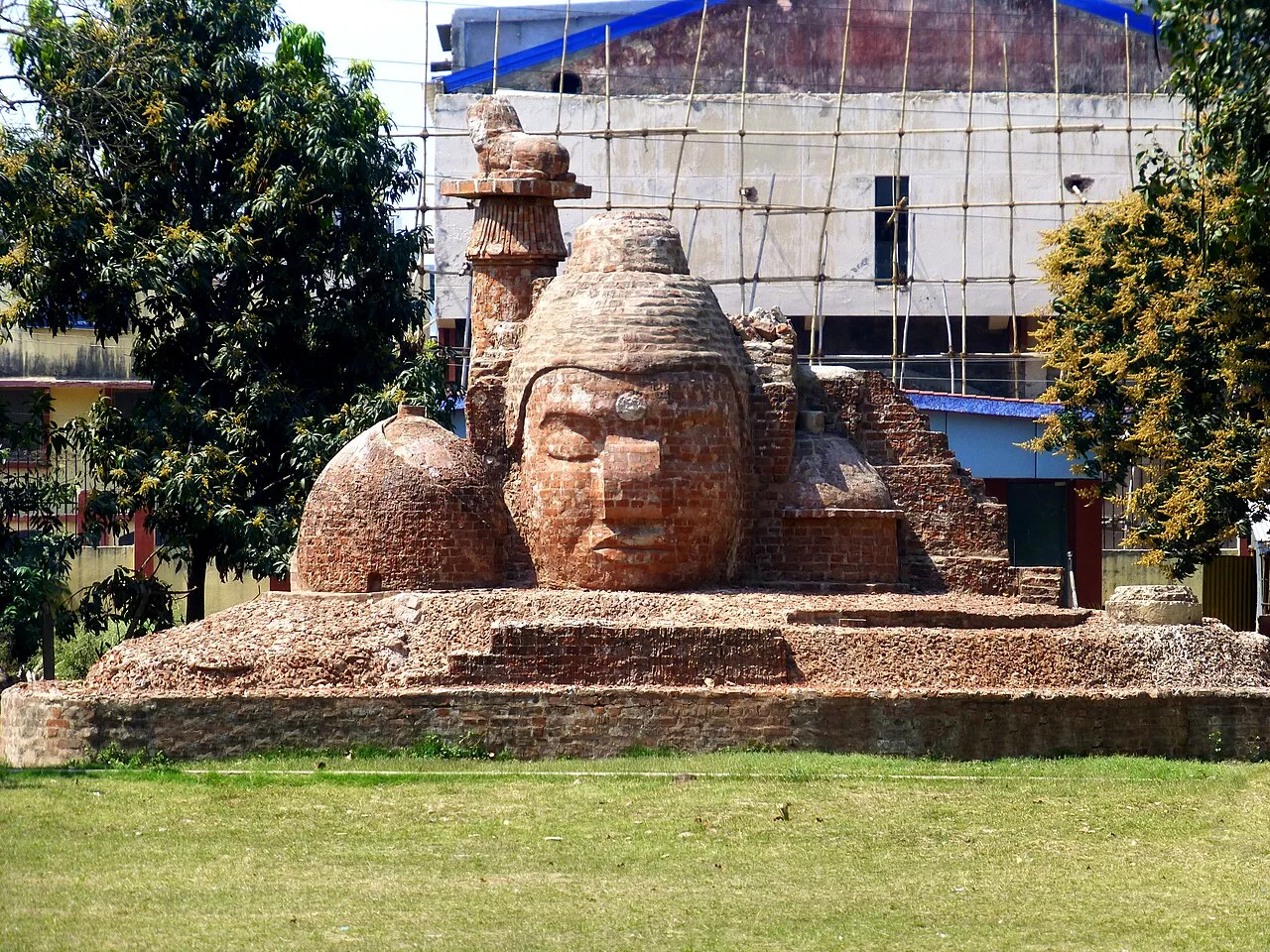
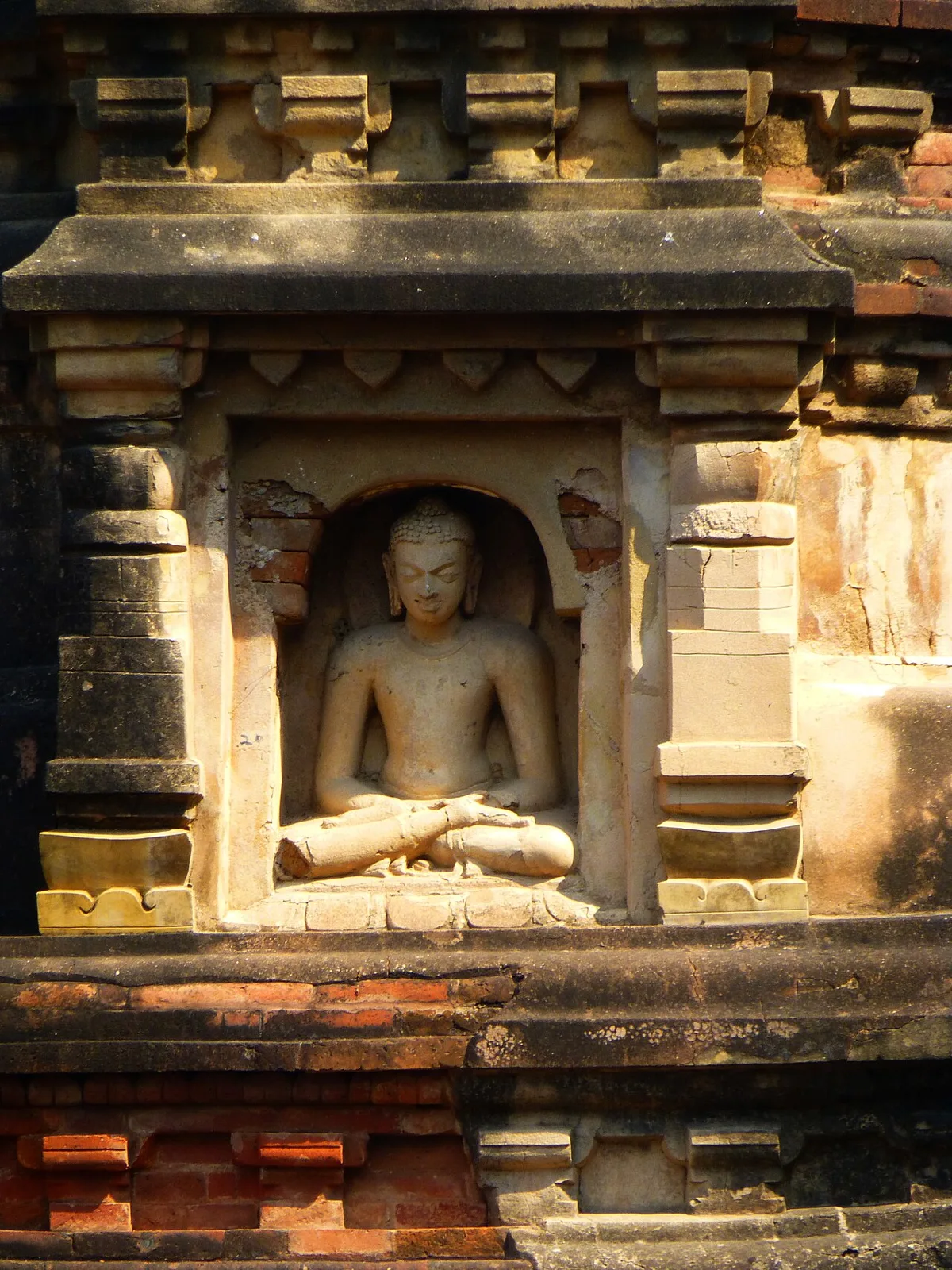
Nalanda mahavihara

26 km away · Nalanda district

Nalanda mahavihara

Nalanda is the site of a major Buddhist monastery in Bihar, visited for its history as a long-lived centre of learning and its role in Mahayana Buddhism.

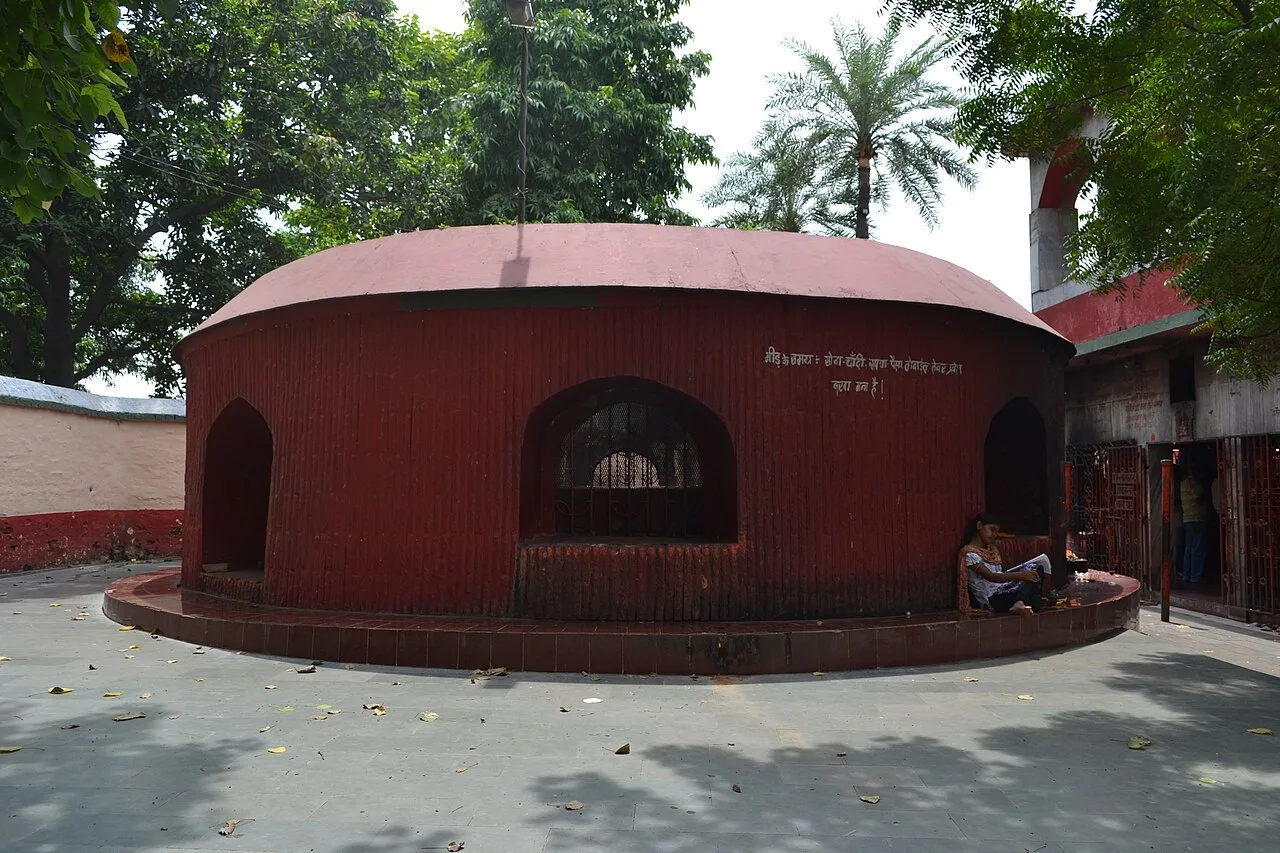
Agam Kuan

32 km away · Patna district

Agam Kuan

Agam Kuan is a historic circular well and archaeological site in Patna, Bihar, traditionally linked to Ashoka’s Mauryan era. Visitors also worship at the adjoining Shitala Devi temple, where the goddess and Saptamatrikas are venerated.

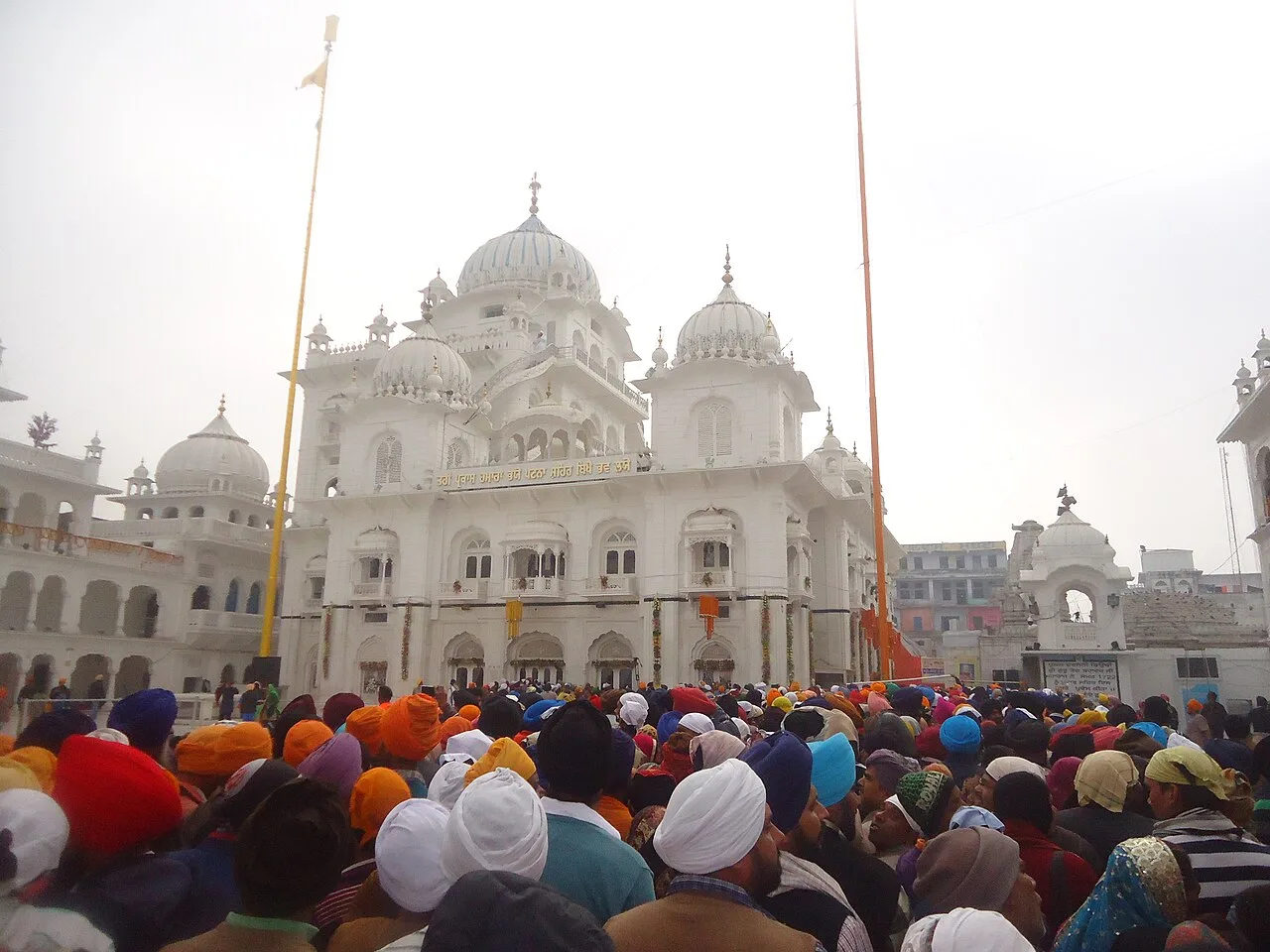
Takht Sri Patna Sahib

32 km away · Patna district

Takht Sri Patna Sahib

Takht Sri Patna Sahib, in Patna, Bihar, is among Sikhism’s five takhts. Visitors come to worship and pay their respects at this important Sikh religious site.

Kumhrar

33 km away · Patna district

Kumhrar

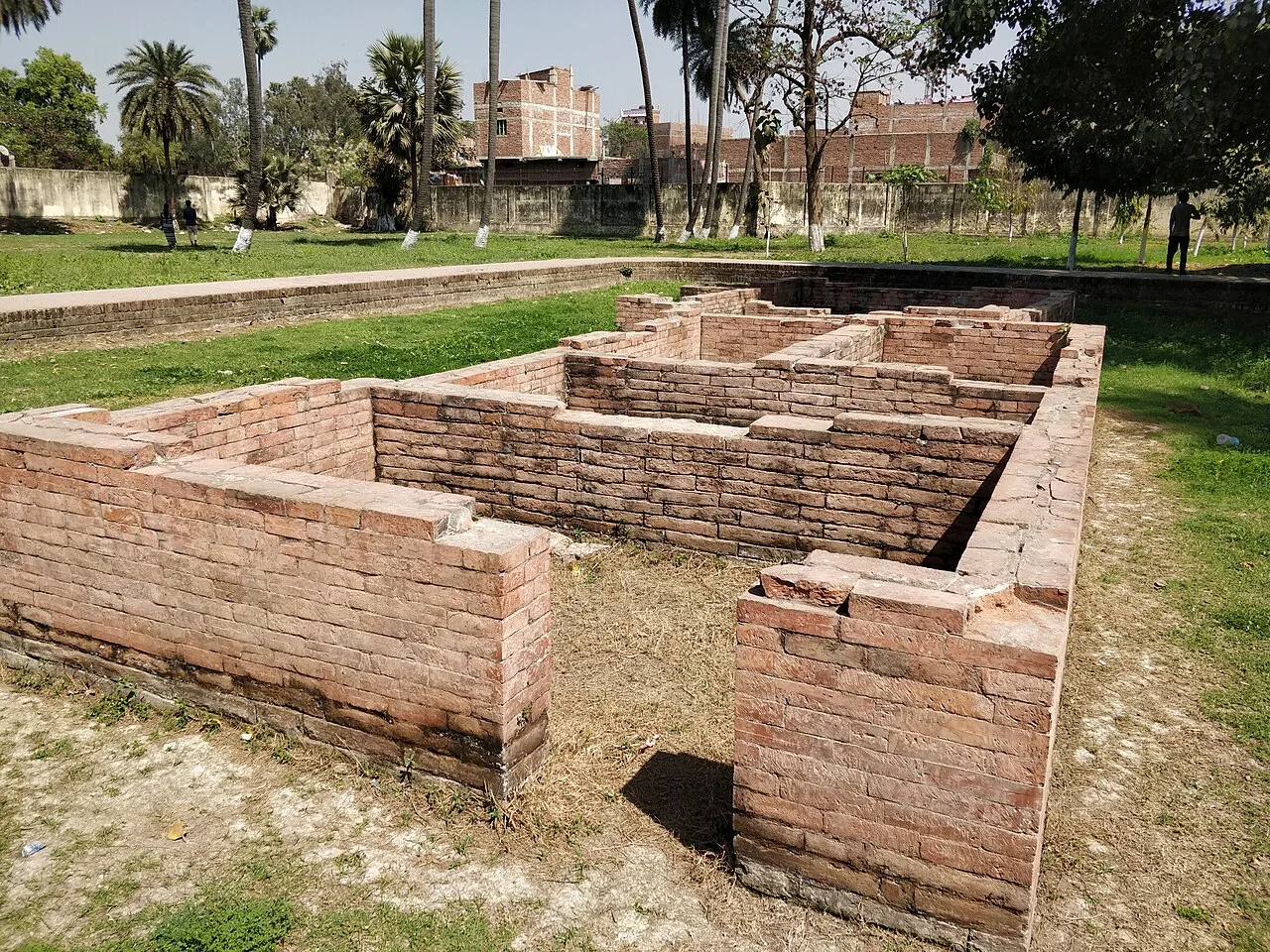
Kumhrar is an archaeological site in Patna connected with the remains of Pataliputra. Visitors come to see excavated traces of the city, including the remains of an 80-pillared hall.

Gandhi Maidan

34 km away · Patna district

Gandhi Maidan

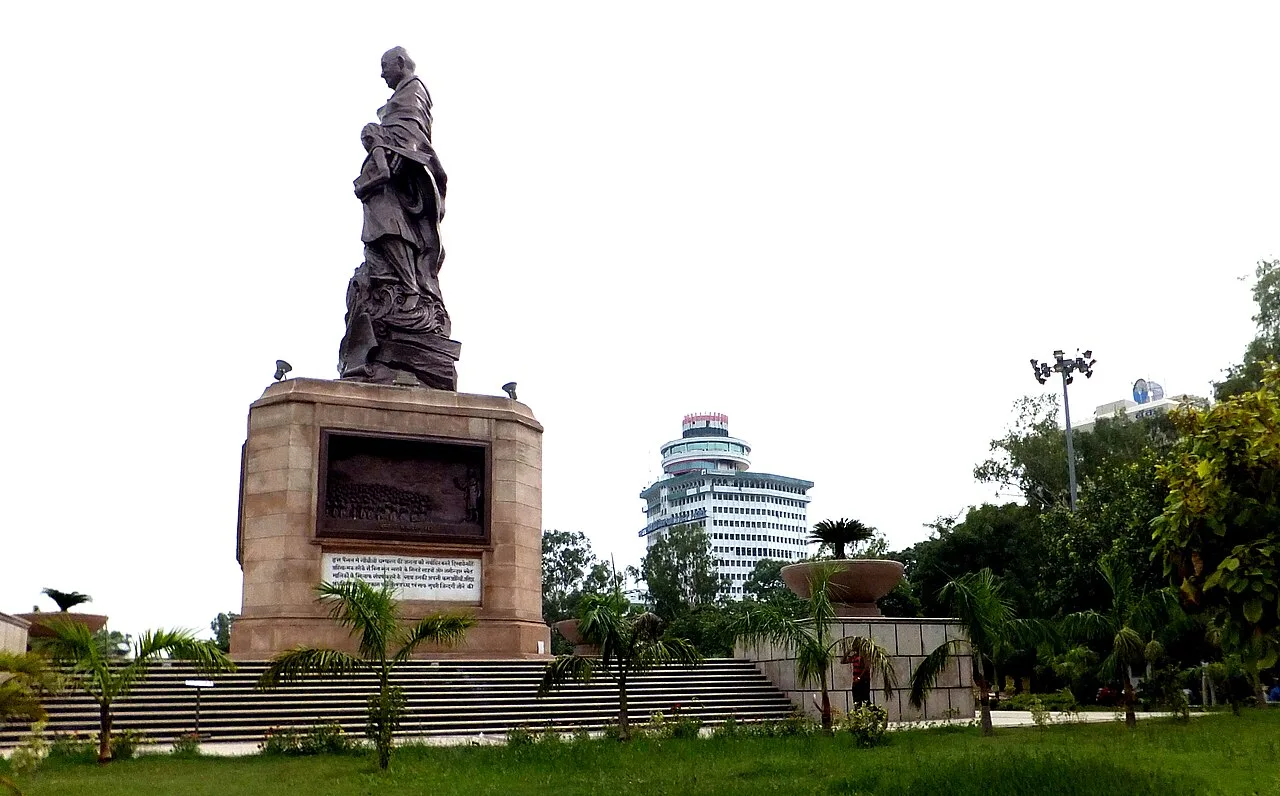
Gandhi Maidan is a historic open space in Patna, Bihar, near the Ganges. People visit a site linked to the freedom movement and significant political gatherings.

Mahavir Mandir

35 km away · Patna district

Mahavir Mandir

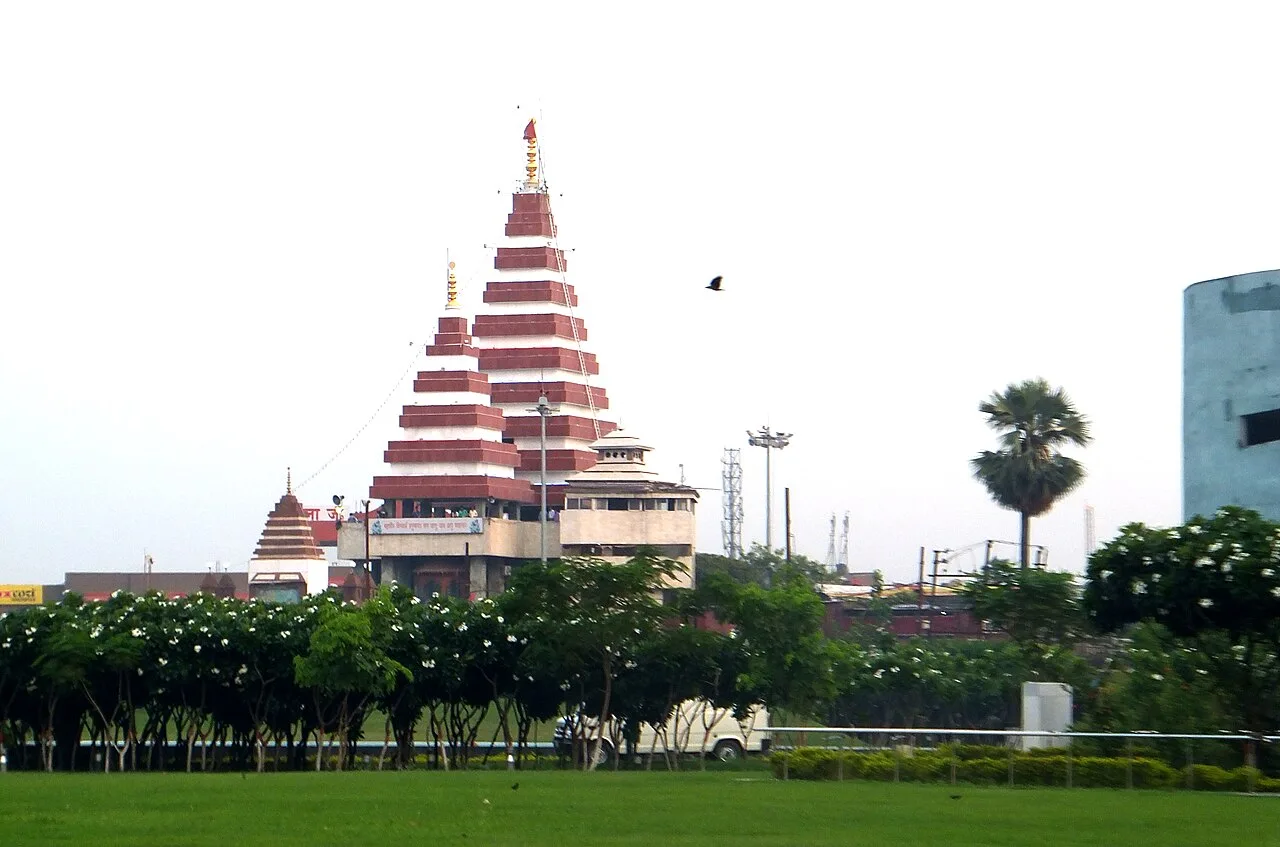
Mahavir Mandir is a Hanuman shrine in Patna, Bihar, visited by millions of pilgrims each year. Devotees also gather in large numbers for religious occasions, particularly Rama Navami.

Bihar Museum

36 km away · Patna district

Bihar Museum

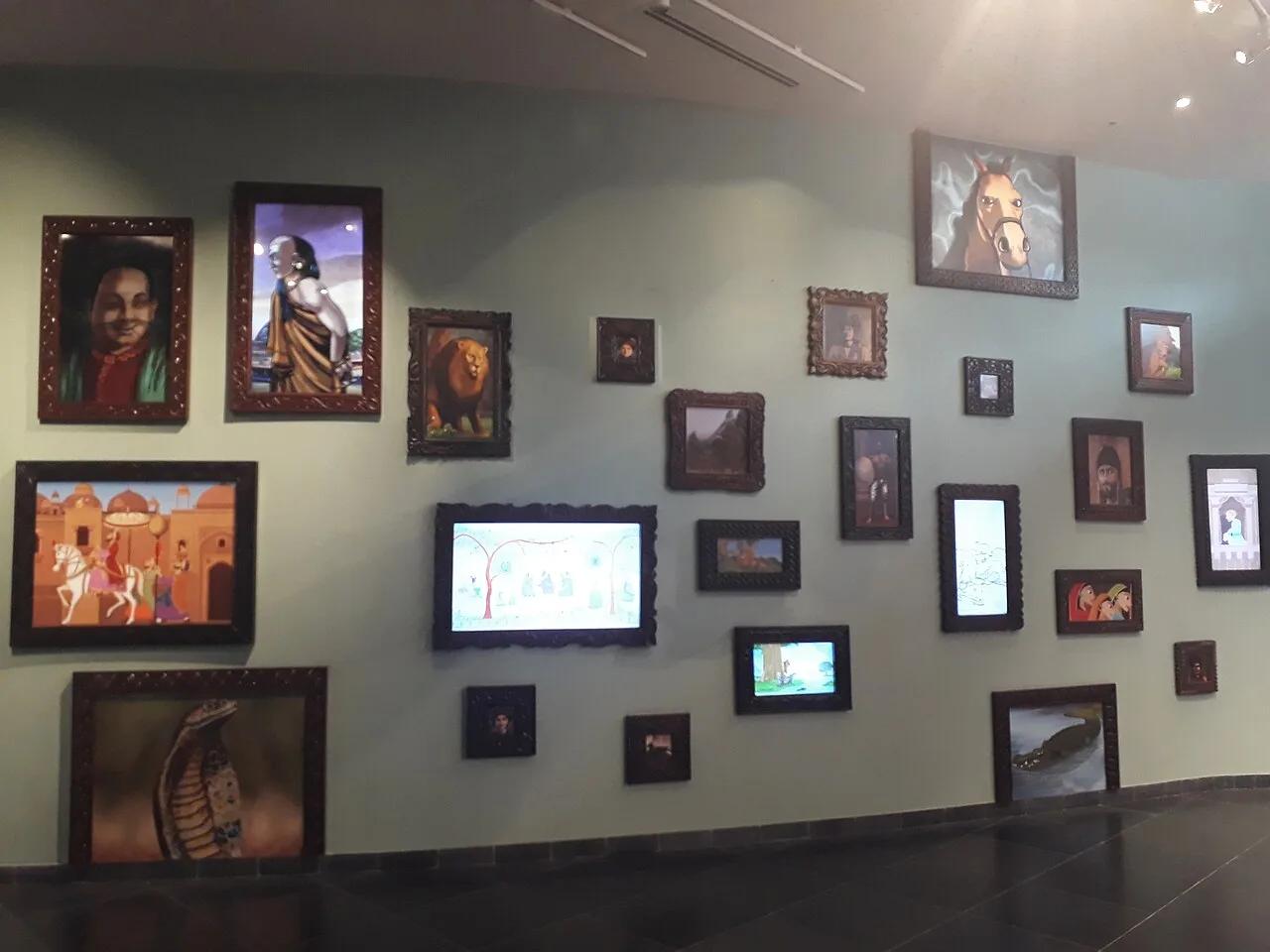
Bihar Museum is Patna’s state museum, with displays on Bihar’s history. Visitors can explore its galleries, children’s museum and distinctive arrangement of buildings and courtyards.

Patna Museum

36 km away · Patna district

Patna Museum

Patna Museum is Bihar’s state museum in Patna district. Visitors come to see its historical collections and learn about the institute’s work in history and archaeology.

Map

Hilsa on the map

  1. 1Nalanda mahavihara
  2. 2Agam Kuan
  3. 3Takht Sri Patna Sahib
  4. 4Kumhrar
  5. 5Gandhi Maidan
  6. 6Mahavir Mandir
  7. 7Bihar Museum
  8. 8Patna Museum

Bihar

Other cities to explore