
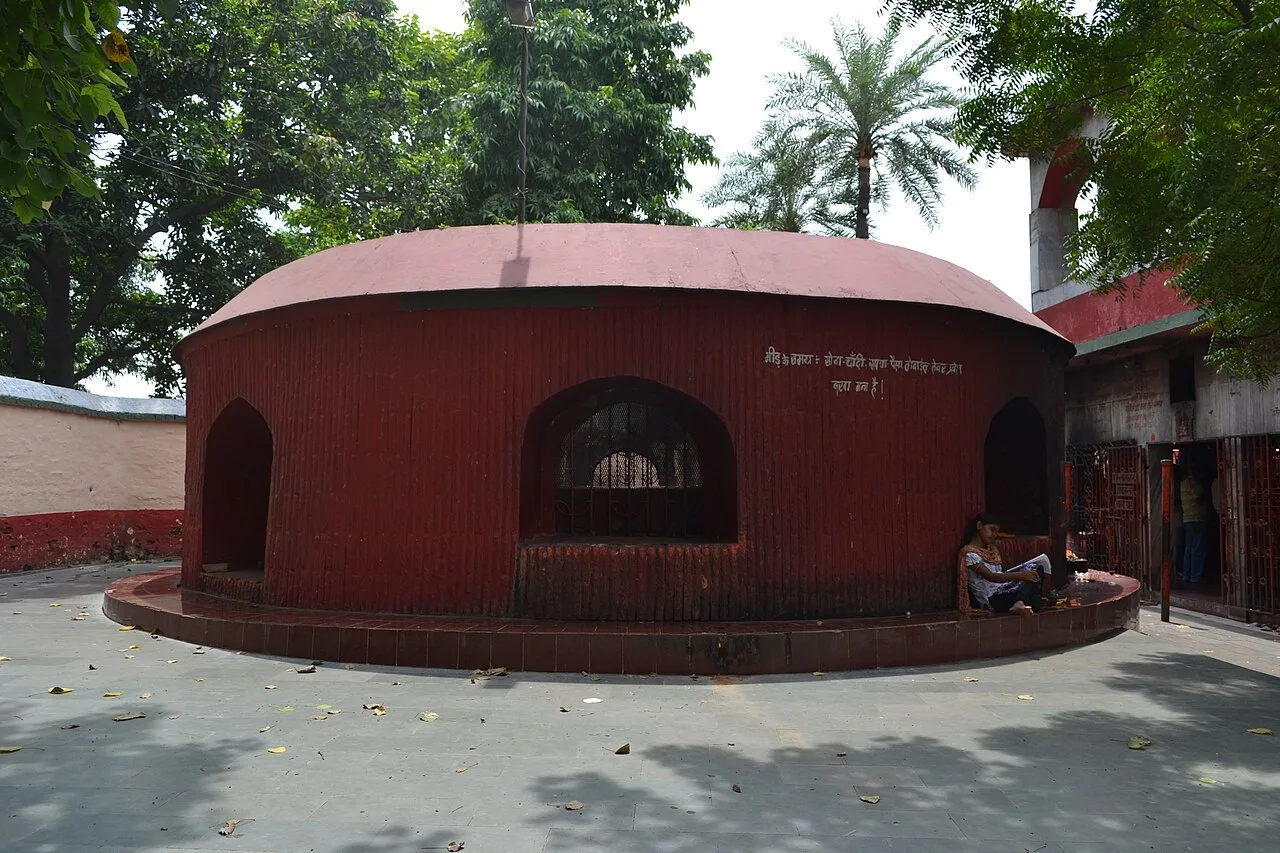
Agam Kuan
Agam Kuan is a historic circular well and archaeological site in Patna, Bihar, traditionally linked to Ashoka’s Mauryan era. Visitors also worship at the adjoining Shitala Devi temple, where the goddess and Saptamatrikas are venerated.
Key facts · verified by Ghumoopedia editors
- Type of place
- Heritage monument
- Best time to visit
- October to March
- Verified
- 21 Nov 2026
Plan a trip from Agam Kuan — a day-by-day route through places nearby.
In Patna district, Bihar, Agam Kuan is an ancient well within an archaeological area. Its name refers to a depth beyond measure. Tradition associates the well with the reign of Mauryan emperor Ashoka (304–232 BCE). The shaft is circular. Brickwork lines its upper 13 metres (43 ft), while wooden rings form the lining for the next 19 metres (62 ft). The archaeological area includes the neighbouring Shitala Devi temple, dedicated to the Shakti goddess Shitala Devi. Worshippers honour the Saptamatrikas there through their pindas; these deities are also known as seven maternal goddesses. The temple is associated with a belief that worship can cure smallpox and chicken pox. Bihar is the heart of ancient Magadha — the land of the Buddha's enlightenment, the Mahavihara of Nalanda, the Mauryan capital Pataliputra, Jain tirthankara Mahavira and the Maithili and Bhojpuri cultures. Bihar has very hot summers from April to June, a monsoon from June to September that can flood low-lying areas, and cool, pleasant winters from November to February with foggy mornings in December and January. The usual best time to visit is October to March. Timings, fees and access arrangements must be confirmed locally. For official information, see Bihar Tourism at https://tourism.bihar.gov.in.
Why it matters
Agam Kuan is an ancient well and archaeological site in Patna, a city built over the historic region of Pataliputra. Its name is commonly translated as “unfathomable well,” reflecting its reported depth and long-standing place in local memory. The site is traditionally associated with Mauryan emperor Ashoka, though that connection is not the same as a confirmed construction date. The Archaeological Survey of India has identified the site; visitors should check with the relevant authority for current protection, access and interpretation details. The adjacent Shitala Devi temple makes the compound both a heritage destination and an active place of worship. Together, the well and temple connect Patna’s ancient past with living religious practice.
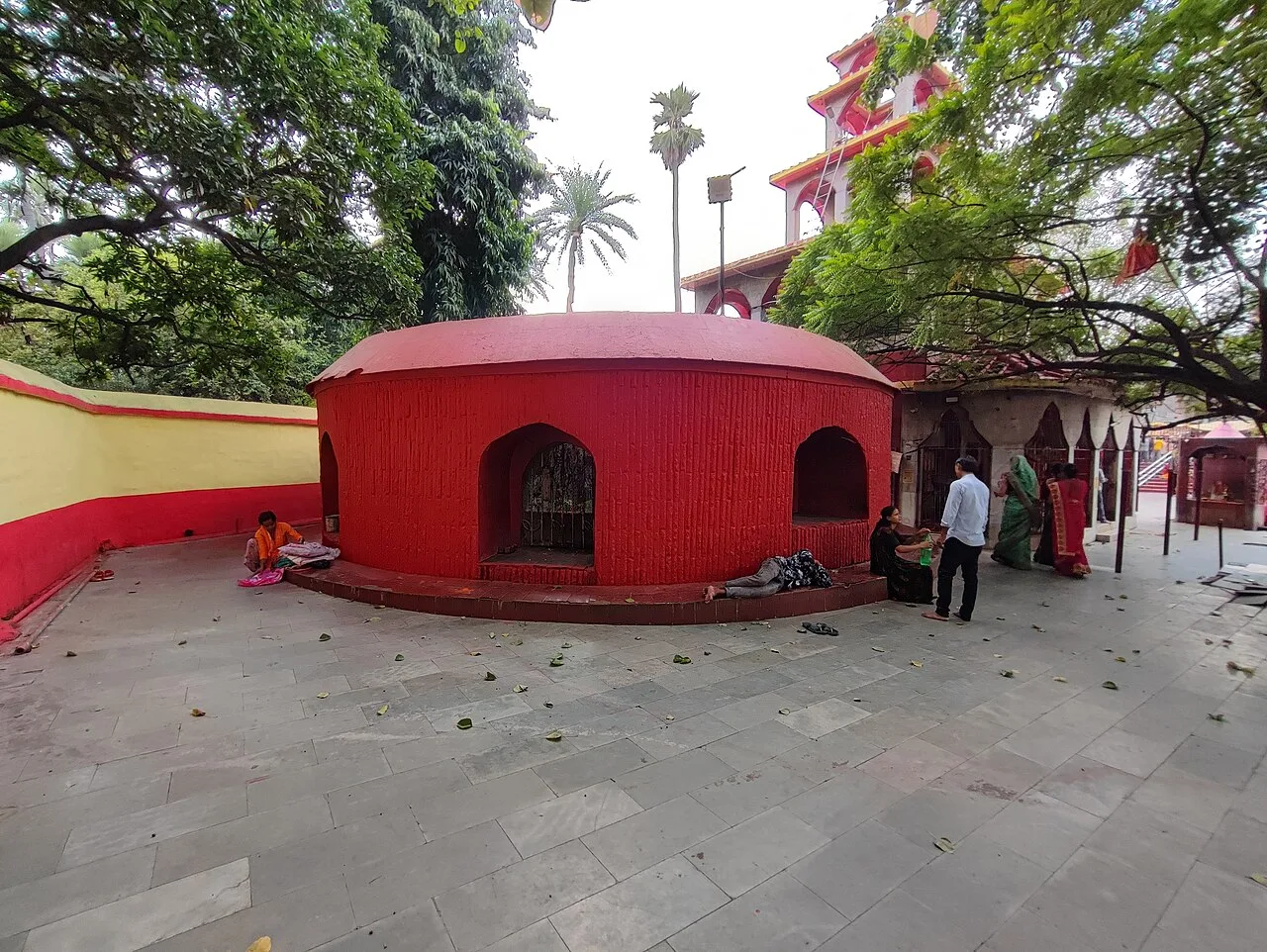
Agam Kuan is traditionally dated to the Mauryan period and associated with Ashoka, who ruled in the third century BCE. The well stands in Patna, near the area of ancient Pataliputra, an important centre of early Indian political history. The well’s unusual depth and construction have helped preserve its reputation across generations. The site is identified by the Archaeological Survey of India and is visited alongside the adjacent Shitala Devi temple, which remains a place of worship. Religious use has shaped the site’s continuing significance, while archaeological interest reflects Patna’s wider importance in the history of Magadha and the Mauryan world. The well is also linked in popular accounts to stories about Ashoka’s rule and punishments, but these should be distinguished from documented history. Published visitor information does not establish a detailed sequence of repairs or restoration campaigns; check on-site interpretation for any current conservation updates.
Origin stories & folklore
According to local tradition, Agam Kuan is connected with Ashoka before or during his conversion to Buddhism. One popular story describes the well as part of a terrifying underground punishment chamber, sometimes called Ashoka’s hell, where condemned people were subjected to ordeals. Other tellings associate it with the disposal of bodies or with secretive royal activity. These accounts belong to folklore and are not established archaeological conclusions. The name “unfathomable well” also encourages stories about its great depth and hidden contents. The neighbouring Shitala Devi temple carries a separate living belief: devotees pray to the goddess for protection and healing, particularly from smallpox and chicken pox.
Architecture & design
Agam Kuan is a deep, circular well within an archaeological site in Patna. Published accounts describe its upper 13 metres (43 feet) as lined with brick and the remaining 19 metres (62 feet) as supported by wooden rings. This division of materials is a notable feature of its construction, although the interior is not necessarily accessible for close inspection. Its scale and depth distinguish it from an ordinary domestic well and underpin its local name, meaning “unfathomable well.” The surrounding compound also includes the adjacent Shitala Devi temple, creating a setting where archaeological remains and active worship share space. Visitors should follow barriers and posted instructions, and should not lean over or throw objects into the well. For details such as dimensions, conservation work and any structural interpretation, rely on current site signage or an authorised guide rather than assuming that visible surfaces reveal the full construction.
Important objects & sculptures
The principal feature to look for is the well itself: its circular plan, deep opening and visible brickwork. The lower wooden-ring construction described in site accounts may not be visible from the visitor area, so do not try to inspect it by crossing barriers. In the adjacent Shitala Devi temple, the pindas associated with the Saptamatrikas—the seven mother goddesses—are worshipped. These are objects of devotion, not museum displays; visitors should observe quietly and follow temple customs. No specific collection of inscriptions, excavated sculptures or displayed artefacts can be confidently identified from the available visitor information. Read any on-site interpretation for verified archaeological details, and ask before photographing sacred objects or ritual activity.
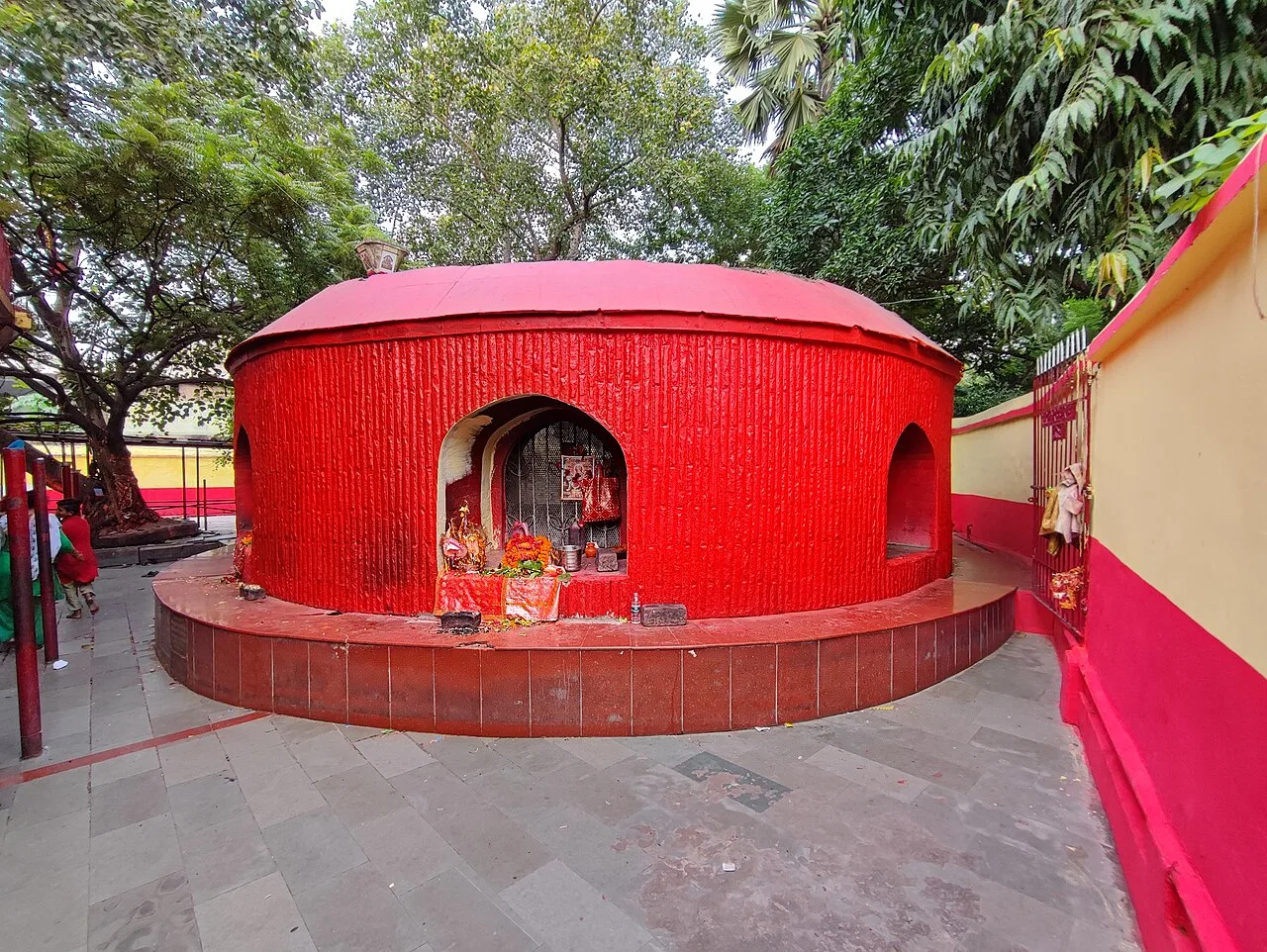
Explore Agam Kuan slowly and read the interpretation boards, use the official audio guide where available or hire an authorised guide to understand its history. Check opening days, ticket counters and camera rules in advance; many monuments and museums close on one weekday and on some public holidays. Early morning gives softer light, cooler air and smaller crowds. A comfortable itinerary is one main visit in the morning, a local meal at midday and a short nearby stop before an afternoon return. Use the district list on this site to find other places in Patna, but check the route and its condition before combining stops. If a festival or fair is on — such as Chhath or the Sonepur fair — roads and stays can be busy, and the experience can be unforgettable. Leave no litter: many sites are protected by the communities around them.
Suggested itineraries
Half day: Spend 45–75 minutes at Agam Kuan and the Shitala Devi temple; allow about 30 minutes for a nearby meal or refreshment; add one nearby Patna heritage stop if travel conditions permit. Full day: Begin with Agam Kuan (about 1–1.5 hours), continue to Kumhrar archaeological site (about 1–2 hours), pause for lunch, then visit Patna Museum or Golghar (about 1–2 hours); allow extra time for city traffic. Gentler option: Visit Agam Kuan at an unhurried pace, rest between the well and temple, and arrange a vehicle close to the entrance; skip additional stops if walking or heat is tiring.
Agam Kuan is both a heritage site and a place connected to everyday Hindu worship through the neighbouring Shitala Devi temple. Devotees visit the temple to offer prayers and seek the goddess’s protection; beliefs about healing from smallpox and chicken pox remain part of its local religious reputation. Customs may include removing footwear in designated areas, dressing modestly and allowing worshippers space, but follow signs and local guidance. Hindi is widely used in Patna, alongside regional languages including Bhojpuri and Magahi. The site is not principally a venue for staged music or dance performances. Its cultural character is found in the coexistence of archaeological curiosity, neighbourhood religious practice and the wider urban life of Patna.
Festivals & events
Shitala Devi worship may attract additional devotees during religious observances associated with the goddess; ask locally about any temple-specific events, as schedules can vary. Chhath, usually observed in the autumn and again in the spring, is a major festival in Bihar, especially at river ghats around Patna. It can bring heavy crowds and traffic across the city, though it is not a festival held specifically at Agam Kuan. The Sonepur fair, generally held in the cooler season, is a regional excursion rather than an event at this site. During major festivals, allow extra time for travel and be considerate around worshippers.
Local food in Bihar includes litti chokha, sattu paratha, khaja (a layered sweet from Silao), tilkut and anarsa from Gaya, makhana (fox nuts) from the Mithila region, chana ghugni, malpua and thekua. Ask what is fresh that day; many small eateries cook a limited daily menu. Vegetarian travellers eat very well across this region, and most towns also have non-vegetarian options. Remote sites may have no restaurant at all. Carry water and snacks, eat a proper breakfast before long drives, and ask your accommodation for a packed lunch if you are heading out early. Try a home-cooked or dhaba meal when you can — it is often the best food on the route. Choose busy, clean places, drink sealed or filtered water, and carry your packaging back with you.
Shopping & local experiences
For local shopping, look for Patna markets selling everyday goods, textiles, sweets and regional snacks; availability and quality vary by shop. Bihar is associated with crafts such as Madhubani painting, though these are produced in different parts of the state and may not be made locally. Ask sellers about provenance if buying artwork or handmade items. A meal or snack in Patna can be part of the visit, with local and Bihari dishes available across the city. Buy only from lawful sellers and avoid removing stones, objects or anything from the heritage site.
October to March
The nearest principal railway station by straight-line distance is Rajendra Nagar Terminal, Patna, roughly 5 km away. The nearest operating airport by straight-line distance is Jay Prakash Narayan Airport, Patna, roughly 10 km away. These figures are calculated from map coordinates — actual road distance is longer. Patna Junction, Rajendra Nagar Terminal and Gaya Junction are the main rail gateways, and Patna and Gaya have airports; Varanasi airport serves the west of the state. For the final leg, Bihar State Road Transport Corporation (BSRTC) buses, private coaches and shared jeeps and autos link district towns; shared jeeps usually leave early in the morning. A private taxi gives more flexibility for remote sites. When comparing train, bus and flight, count the complete door-to-door time: a flight saves the most time only if the onward road transfer is short, while an overnight train can save a hotel night. Book your return before you leave, because seats fill quickly on weekends, festivals and holidays. Current train numbers, timings, return services and fares are not listed here; check IRCTC and NTES for trains and the airline's own schedule for flights. No permit is needed to visit Bihar. Buddhist circuit sites such as Bodh Gaya, Rajgir, Nalanda and Vaishali welcome visitors of all backgrounds; dress modestly at temples, monasteries and dargahs. The Sonepur fair, Chhath Puja and the Rajgir Mahotsav draw very large crowds, so book transport and stays well ahead.
Confirm onward and return timings on IRCTC / NTES, the state bus operator or your airline before travel. A dash means current timings or fares have not been verified.
Getting around
Agam Kuan is within Patna’s urban area. Auto-rickshaws and taxis can take visitors to the site; local buses may serve nearby roads, but routes and stopping points should be checked locally. Traffic can make a short city journey take longer than expected, so allow time for the final approach. Walking may be practical from a nearby drop-off point, but inspect the route for uneven surfaces and busy crossings. Ask the driver to identify the Agam Kuan and Shitala Devi temple entrance, as the well and temple share a visitor area. Check locally whether parking is available and where vehicles may stop.
Hours, tickets & permissions
Entry arrangements can depend on whether you are visiting the archaeological area, the temple or both. Ticketing, visitor access, photography rules and restrictions around worship areas may differ, and public holidays or conservation work can affect access. Dress respectfully and follow any footwear, security or conduct instructions displayed at the temple. Do not assume that the whole compound has identical entry rules. Confirm current opening arrangements, fees and camera policies with the managing authority or locally before setting out.
Facilities
Facilities at the site may be limited or vary with management arrangements. Toilets, drinking water, seating, shade, food stalls and parking should be checked locally rather than assumed. Patna’s urban neighbourhoods offer a wider choice of eateries, shops and cash machines, but these may require a separate journey from the entrance. Authorised guides or interpretation boards may be available; confirm on arrival and avoid relying on unsolicited guiding. Carry water, especially in warm weather, and take litter away if bins are not available.
Accessibility
The visitor area includes a historic well and temple compound, so surfaces may be uneven and the approach may involve steps or changes in level. The well’s edge should be treated as a hazard, and visitors must remain behind any barriers. Shade and places to sit may be limited; check conditions locally, particularly during hot weather. Wheelchair and stroller access cannot be assured, and narrow or uneven paths may make movement difficult. Elderly visitors or anyone with limited mobility may prefer a short visit, a companion and a vehicle drop-off close to the entrance. Contact the managing authority to ask about current access before travelling.
No permit is needed to visit Bihar. Buddhist circuit sites such as Bodh Gaya, Rajgir, Nalanda and Vaishali welcome visitors of all backgrounds; dress modestly at temples, monasteries and dargahs. The Sonepur fair, Chhath Puja and the Rajgir Mahotsav draw very large crowds, so book transport and stays well ahead. Carry a photo ID at all times and save the emergency number 112 and your accommodation's contact offline. Heat in summer and fog in winter are the main weather risks; carry water and allow extra travel time on foggy December–January mornings. Respect community rules, private property and posted instructions. Follow local guidance if access changes.
Photography
Early morning generally offers softer light and can feel cooler and less crowded, though the best view depends on access and conditions at the site. Photograph the well from permitted visitor areas and do not lean across barriers. Camera rules may differ between the archaeological area and the temple, so check signs or ask staff before taking pictures. Avoid photographing worshippers, offerings or rituals without consent. Drone use may be restricted by aviation rules and site regulations; do not fly one without confirming permissions from the relevant authorities.
Choose a stay by the full journey to Agam Kuan, not just the district name. Patna, Gaya and Bodh Gaya offer the widest choice, from pilgrim dharamshalas to international hotels; monastery guesthouses in Bodh Gaya are good value. In summer, check air-conditioning or coolers; in December and January, check hot water. Book in advance for weekends, festivals and the peak season (October to March). Confirm the exact location, meals included, check-in time and cancellation terms in writing. Avoid sending money to unverified contacts or touts at stations. Carry some cash, as card and digital payments can be unreliable in remote areas.
Kumhrar archaeological site is a natural companion for visitors interested in the remains of ancient Pataliputra. Other well-known Patna stops include Patna Museum and Golghar. Takht Sri Harmandir Sahib, an important Sikh place of worship in Patna, can also be considered as a separate visit; observe its visitor customs. These attractions are in the same city, but traffic and opening arrangements can affect how many fit into a day. Check current access and route conditions before combining stops, and allow time for meals and rest.
For couples, Agam Kuan rewards a slow pace: arrive early for soft light and fewer crowds, share a local meal and keep the evening free. Sunset on the Ganga at a Patna ghat or an evening under the Bodhi tree's descendant at Bodh Gaya is quietly memorable. Public displays of affection can be frowned upon in conservative communities and at religious sites, so be discreet. Keep a buffer in your itinerary, because weather and road conditions can delay plans.
Q: How much time should I allow for Agam Kuan? A: Around an hour or more is a reasonable visit, depending on how long you spend at the well and the adjacent temple. Q: When is a comfortable season to visit? A: October to March is generally the most comfortable period in Bihar; summer can be very hot and monsoon conditions may affect travel. Q: Is entry ticketed? A: Rules may differ between the archaeological area and temple. Confirm current entry arrangements and fees with the managing authority. Q: Is the site suitable for children and elderly visitors? A: Families can visit, but supervise children near the well. Uneven surfaces, possible steps and limited shade may make the visit difficult for some elderly or less mobile visitors. Q: Where can I stay nearby? A: Patna has accommodation across the city. Choose a hotel based on your onward route and confirm its location and facilities before booking.
Be the first to share photos, stories, advice or a helpful contact for Agam Kuan.
Loading…