Ghumoopedia — Explore, Discover, Experience
Sign in
Bodhi tree, near Gaya

City guide · Bihar

Gaya

Gaya is an important pilgrimage city and the administrative centre of Gaya district and Magadh division in southern Bihar. Its religious significance is closely tied to the Phalgu River and Vishnupad Temple, where Hindu pilgrims come to perform pind-daan, a rite for deceased relatives.

Famous for

  • Vishnupad Temple
  • Pind-daan pilgrimage
  • Gaya tilkut
  • Phalgu River
  • Bodh Gaya nearby
Plan a tripHotels near Gaya

Why Gaya matters

Gaya is an important pilgrimage city and the administrative centre of Gaya district and Magadh division in southern Bihar. Its religious significance is closely tied to the Phalgu River and Vishnupad Temple, where Hindu pilgrims come to perform pind-daan, a rite for deceased relatives. The city’s sacred landscape also includes nearby hills and shrines associated with local traditions.

Gaya is distinct from Bodh Gaya, around 16 kilometres away, where the Buddha is traditionally said to have attained enlightenment. The Mahabodhi Temple Complex there is a UNESCO World Heritage Site and draws Buddhist pilgrims and visitors from around the world. Together, the two places make the area a major centre for Hindu and Buddhist travel. Gaya also serves as a gateway to sites across Magadh, including Rajgir and Nalanda. Visitors come for pilgrimage, historic landmarks and regional food, while the city’s markets and transport links support travel throughout the district.
Famous for: crafts, trade & products

Gaya is best known for tilkut, a crisp sweet made with sesame seeds and jaggery or sugar. Gaya Tilkut has a Geographical Indication tag, recognising its regional identity. It is sold at traditional sweet shops, particularly in central market areas and around the approaches to Vishnupad Temple. Lai, a sweet made with puffed or popped grains and jaggery, is another local speciality. Visitors can also find anarsa and other familiar Bihar sweets.

The city is not primarily known for a signature saree or large textile industry, though household weaving and garment production form part of its small-scale economy. Local workshops and shops also sell incense sticks, stonework and everyday textiles. For a sense of commerce beyond pilgrimage goods, explore the busy streets around Tower Chowk and Kedarnath Market, a major vegetable market. Shops near Vishnupad cater to visitors seeking ritual items, offerings and food gifts. Gaya’s wider economy includes agricultural trade, small manufacturing and services, with lodging and businesses supporting the steady flow of pilgrims and tourists.

History

Gaya’s religious importance reaches back to ancient times. Hindu tradition links the city with the Ramayana story of Rama, Sita and Lakshmana performing pind-daan for Dasharatha on the Phalgu River. The nearby site of Bodh Gaya became central to Buddhist history after the Buddha’s enlightenment. In the ancient Magadha region, rulers including the Sisunaga dynasty and Bimbisara helped bring the area to prominence; Mauryan emperor Ashoka later supported Buddhism and built at Bodh Gaya.

Under British rule, Gaya became a district in 1865. The commercial part of the town was developed as Sahebganj in the late nineteenth century, alongside the sacred quarter. Gaya also featured in the independence movement: the Indian National Congress held its annual session here in 1922, attended by prominent national leaders. In 1981, Gaya became part of the newly formed Magadh division as its administrative centre. Today, its civic development and heritage conservation sit alongside its continuing role as a pilgrimage and transport hub.

Food, festivals & culture

Gaya’s food culture is known for tilkut and lai, sweets often bought as gifts, as well as everyday Bihar favourites such as litti-chokha and sattu preparations. Hindi and Magahi are widely spoken; Urdu is also used in the city. Devotional music is heard around temples and during pilgrimage seasons, while regional folk songs and dances are part of celebrations across the surrounding area.

Pitrapaksha Mela, usually held around September or October, brings large numbers of Hindu pilgrims to perform rites for ancestors at the Phalgu River and other sacred sites. Chhath Puja, generally celebrated in October or November, centres on offerings to the Sun at riverbanks and other water bodies. Diwali and Holi are also widely observed. Vishnupad Temple is the city’s foremost Hindu shrine, while nearby Bodh Gaya has monasteries and temples representing Buddhist communities from several countries. Jain traditions also form part of the area’s wider religious heritage.

Visiting the city

October to March is generally the most comfortable period to visit, with cooler weather for temple visits and excursions. Summers can be very hot, and the monsoon season brings rain. Gaya International Airport is the nearest airport, while Gaya Junction is the main railway station. Bodh Gaya is about 16 kilometres away and is easily combined with a visit to the city.

Auto-rickshaws, e-rickshaws and taxis are useful for getting around; local buses also serve parts of the city. Begin near Vishnupad Temple and the Phalgu River, then explore the central markets around Tower Chowk and Kedarnath Market. Sahebganj offers a glimpse of the older commercial quarter. Allow extra time during Pitrapaksha, when pilgrimage crowds can make roads and temple approaches especially busy.

Trips from the city

Nearest places to visit from Gaya

Our closest destination guides, by straight-line distance.

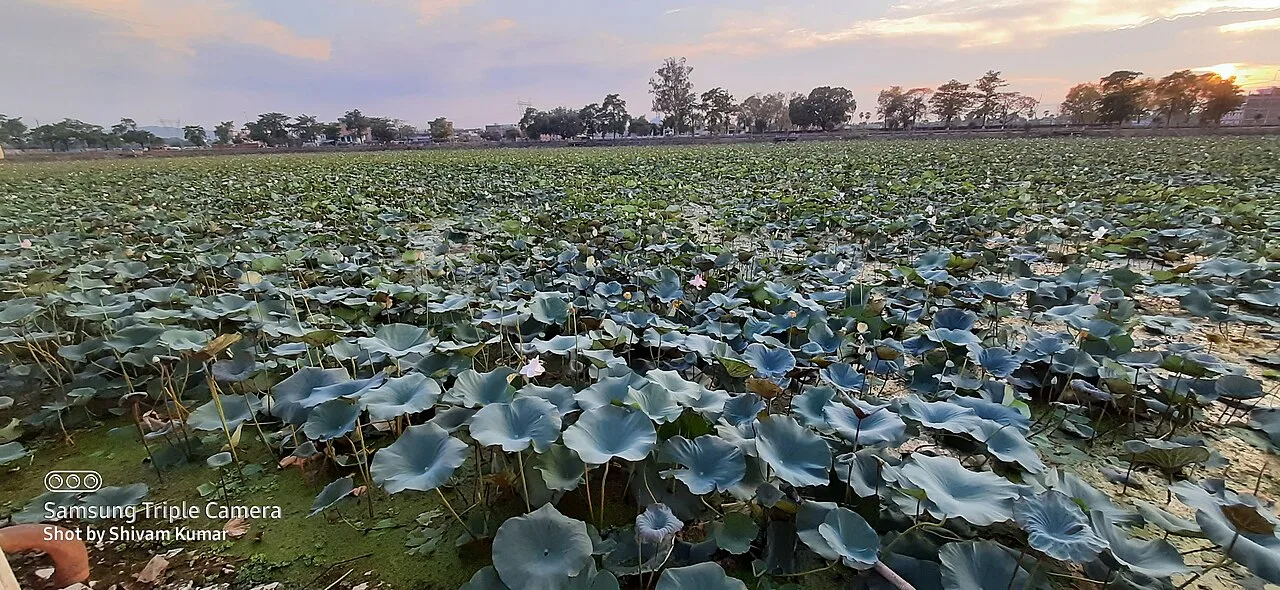
Bodhi tree

11 km away · Gaya district

Bodhi tree

The Bodhi tree is a sacred fig at the Mahabodhi Temple in Bodh Gaya, Bihar. Buddhists visit this revered site because tradition links it to the Buddha’s enlightenment.

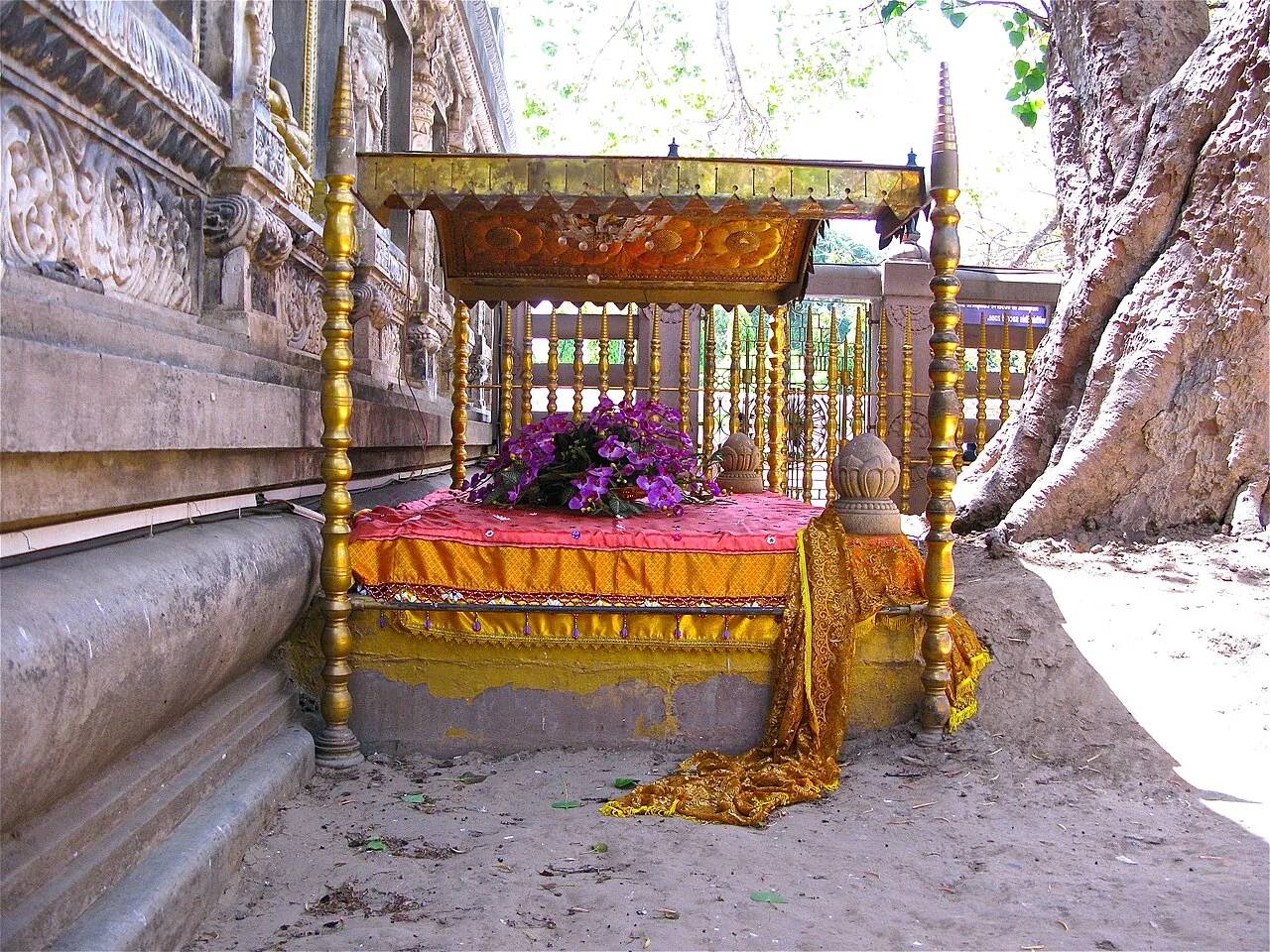
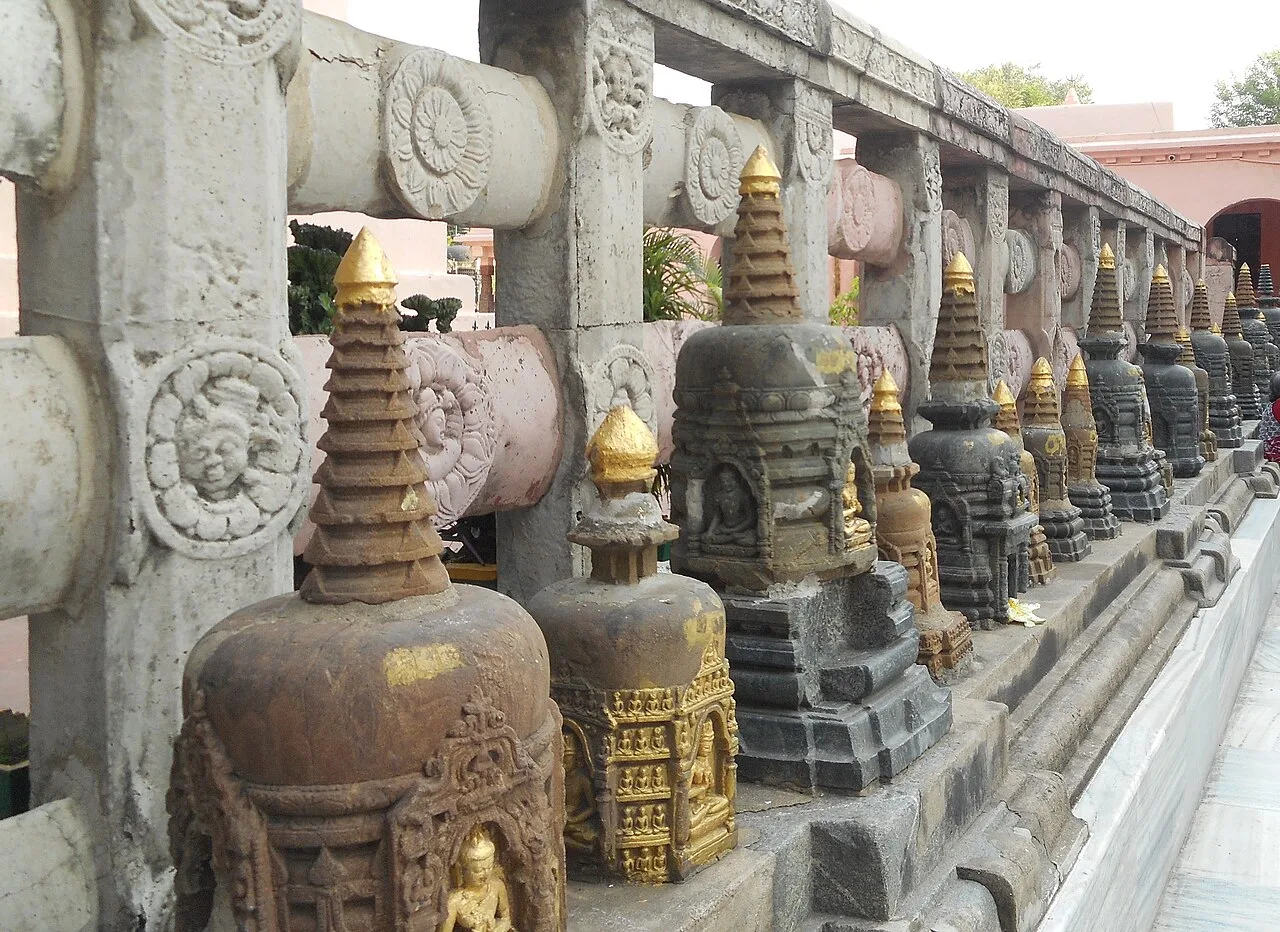
Mahabodhi Temple

11 km away · Gaya district

Mahabodhi Temple

The Mahabodhi Temple is a Buddhist sanctuary in Bodh Gaya, Bihar, associated with the Buddha’s enlightenment. Pilgrims visit its sacred tree and Vajrasana, while the complex is recognised as a UNESCO World Heritage Site.

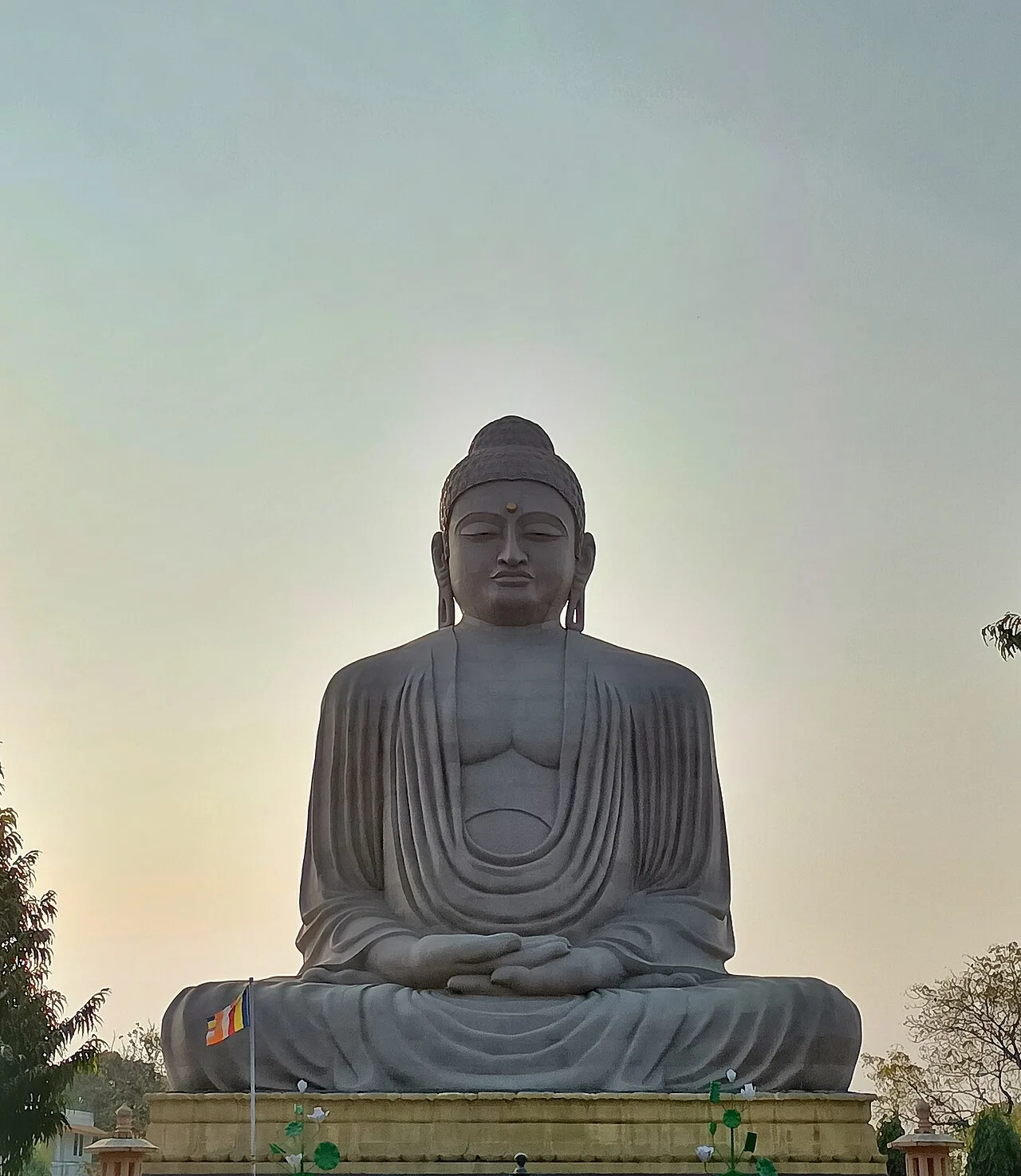
Great Buddha Statue

12 km away · Gaya district

Great Buddha Statue

The Great Buddha Statue at Bodh Gaya is a major Buddhist monument in Bihar. Pilgrims and other visitors come to see its large seated figure, distinctive construction and surrounding sculptures.

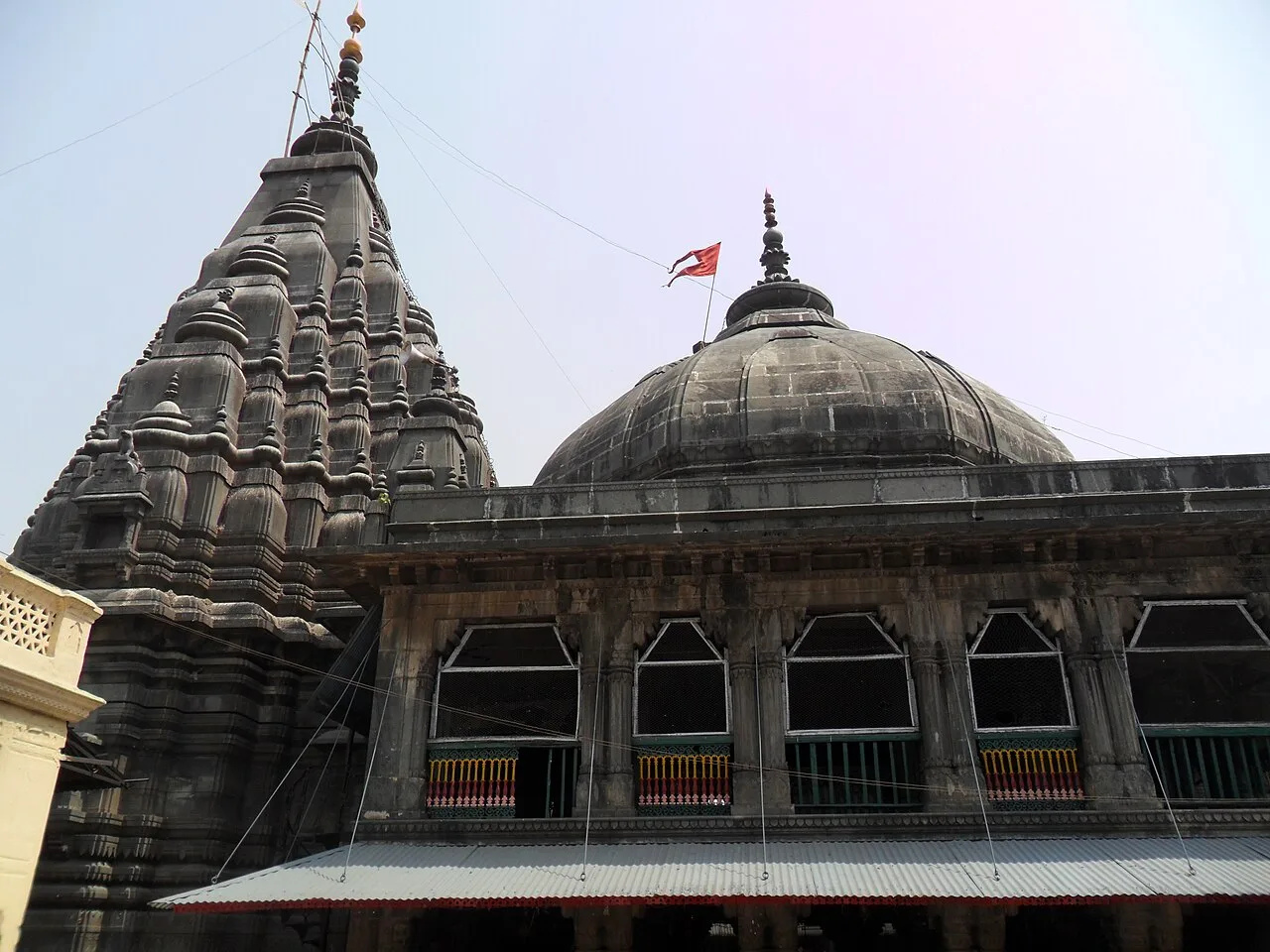
Vishnupad Temple

21 km away · Gaya district

Vishnupad Temple

Vishnupad is a Hindu shrine to Vishnu in Gaya, Bihar, associated with the legend of Gayasura and visited by pilgrims for Shraddha observances.

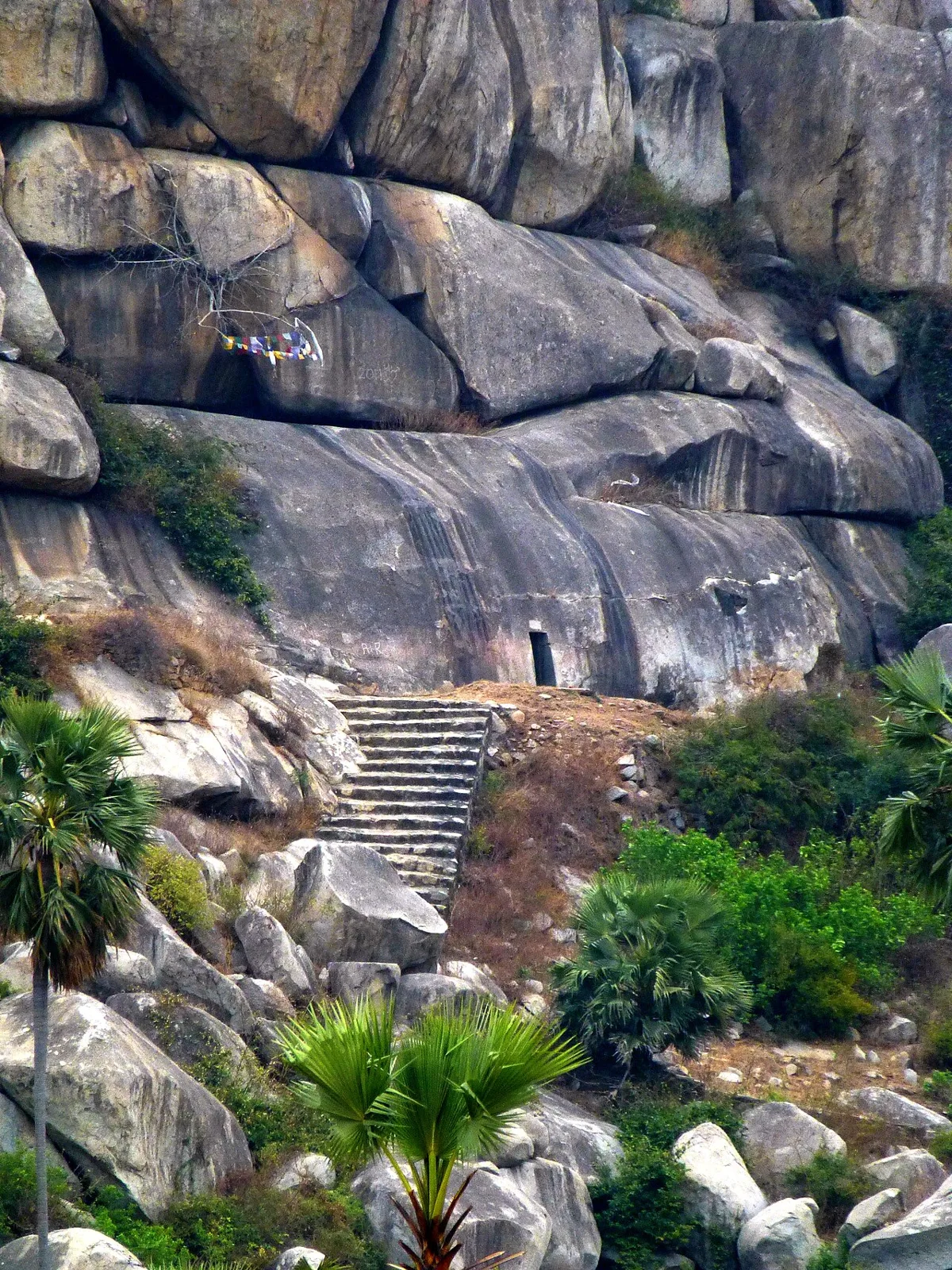
Barabar Caves

24 km away · Jehanabad district

Barabar Caves

This Mauryan-era cave complex in Bihar extends across Barabar and Nagarjuni hills. Visitors come to see its inscriptions, polished granite chambers and early examples of Indian rock-cut architecture.

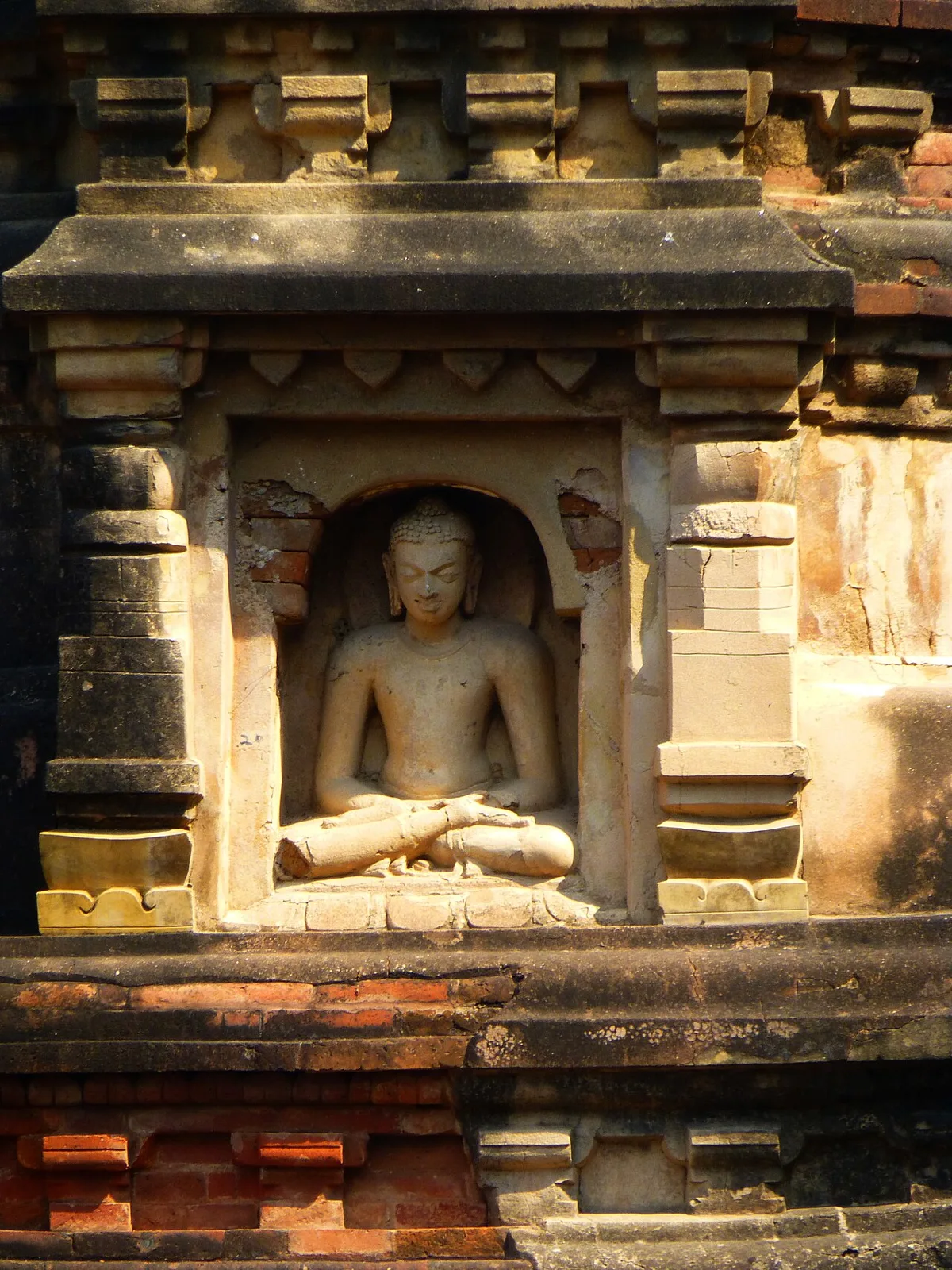
Nalanda mahavihara

58 km away · Nalanda district

Nalanda mahavihara

Nalanda is the site of a major Buddhist monastery in Bihar, visited for its history as a long-lived centre of learning and its role in Mahayana Buddhism.

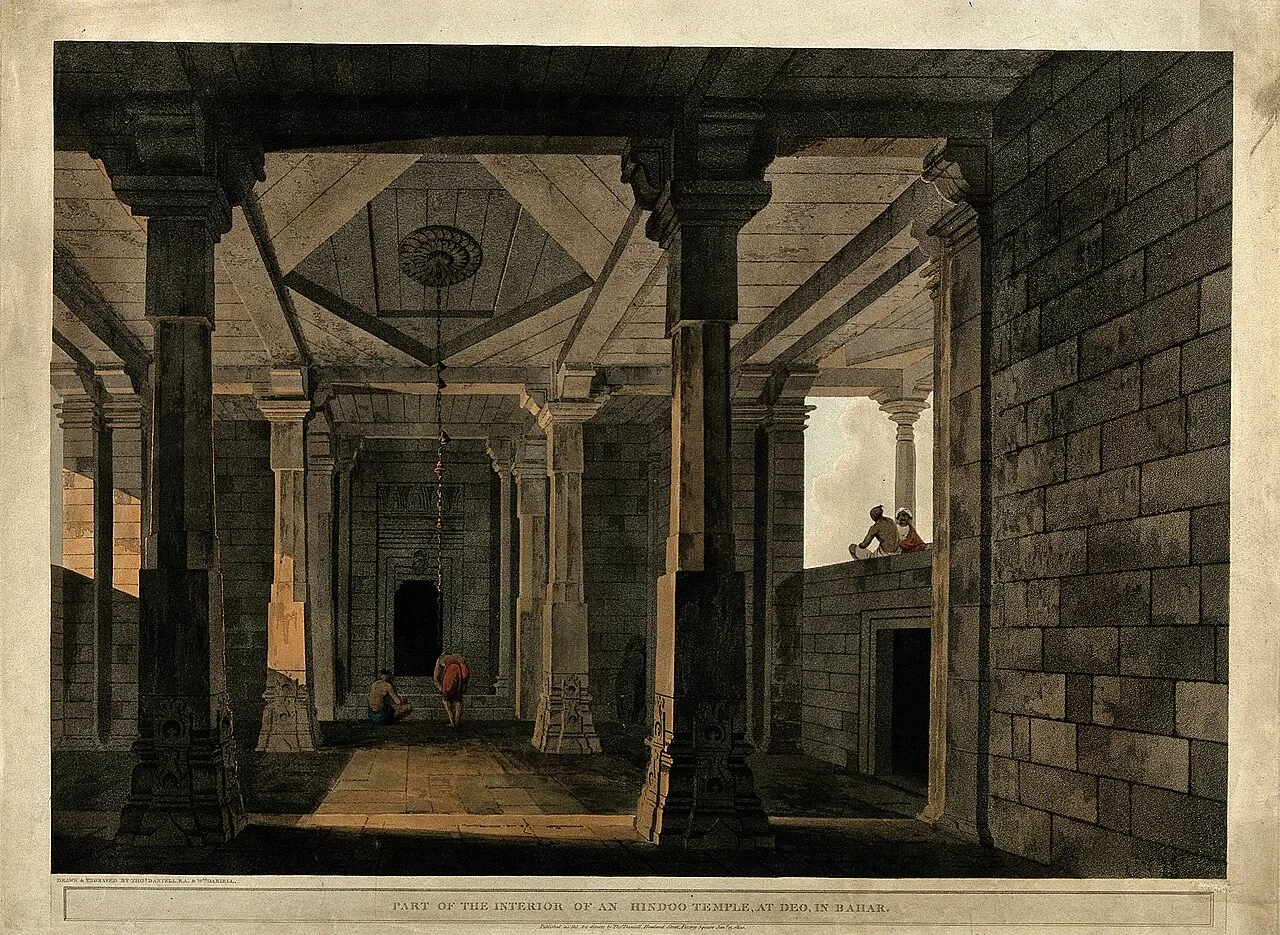
Deo

61 km away · Aurangabad district

Deo

Deo, also called Dev, is a town and local civic area in Bihar’s Aurangabad district. Visitors seeking the settlement can find it about 10 km southeast of Aurangabad, the district’s administrative centre.

Pawapuri

63 km away · Gaya district

Pawapuri

Pawapuri, also called Pavapuri, is a Jain sacred site in Bihar’s Nalanda district. People travel there on pilgrimage because it is associated with Mahavira’s nirvana.

Map

Gaya on the map

  1. 1Bodhi tree
  2. 2Mahabodhi Temple
  3. 3Great Buddha Statue
  4. 4Vishnupad Temple
  5. 5Barabar Caves
  6. 6Nalanda mahavihara
  7. 7Deo
  8. 8Pawapuri

Bihar

Other cities to explore